

To complete the inventory of state-invested and managed infrastructure assets in April, and subsequently compile and submit the report to the Provincial People's Committee and the Ministry of Finance before May 31st as directed by the province, the units subject to the inventory are actively implementing various solutions to overcome practical difficulties, accelerate progress, and ensure an effective, accurate, and transparent inventory.

Binh Lieu District has 54 agencies and units subject to inventory, encompassing 7 types of assets. Of these, infrastructure assets account for the largest proportion, with 6 categories. To ensure a quick, efficient, and accurate inventory, especially for infrastructure assets, immediately after completing the public asset inventory, the district directed units to review and count assets in person, compare them with tracking data, handle assets that no longer exist according to regulations, and prepare inventory reports that match the unit's asset register. The district also regularly issued documents urging implementation. As a result, to date, 100% of units have completed data entry, compilation, and reporting on the Ministry of Finance's public asset inventory software.
Ms. Dang Thu Phuong, Head of the Finance and Planning Department of Binh Lieu District, said: "Through various resources, Binh Lieu District has received significant investment in infrastructure projects in recent years. The district has identified the importance of conducting a comprehensive inventory of public assets to ensure efficient use and exploitation, prevent losses and waste when implementing the abolition of the district level and the merger of communes, as well as to allocate investment resources effectively in the future. To complete the inventory of infrastructure assets, the district has regularly issued directives and urged progress, actively coordinating with agencies and units to resolve obstacles in the implementation process, especially in determining the original cost, locating original documents, and supplementing information... Thanks to this, Binh Lieu District completed the inventory before March 31st."
The Department of Agriculture and Environment also has a large number of infrastructure assets that need to be inventoried, compiled, and reported, covering five types of assets: rural clean water supply infrastructure, climate change adaptation infrastructure (dikes and embankments), irrigation infrastructure, fishing port infrastructure, and high-tech agricultural zone infrastructure. As the specialized agency managing the agricultural sector, the Department has assigned its specialized departments and two specialized irrigation and fisheries management sub-departments to review and compile statistics on these five types of infrastructure assets across 120 units, totaling 438 assets requiring inventory in the province. Simultaneously, it has requested agencies, units, localities, and businesses to complete the overall inventory and submit the results to the Department for compilation and forwarding to the Department of Finance. The specialized units under the Department have guided, monitored, and urged the completion of the overall inventory of infrastructure assets under their management. The Department has held direct working sessions with units and localities facing numerous obstacles and difficulties, and has also consulted with the Department of Finance to report to the Ministry of Finance for resolution of issues within its jurisdiction. The Department has now compiled, finalized, and submitted the report to the Department of Finance.
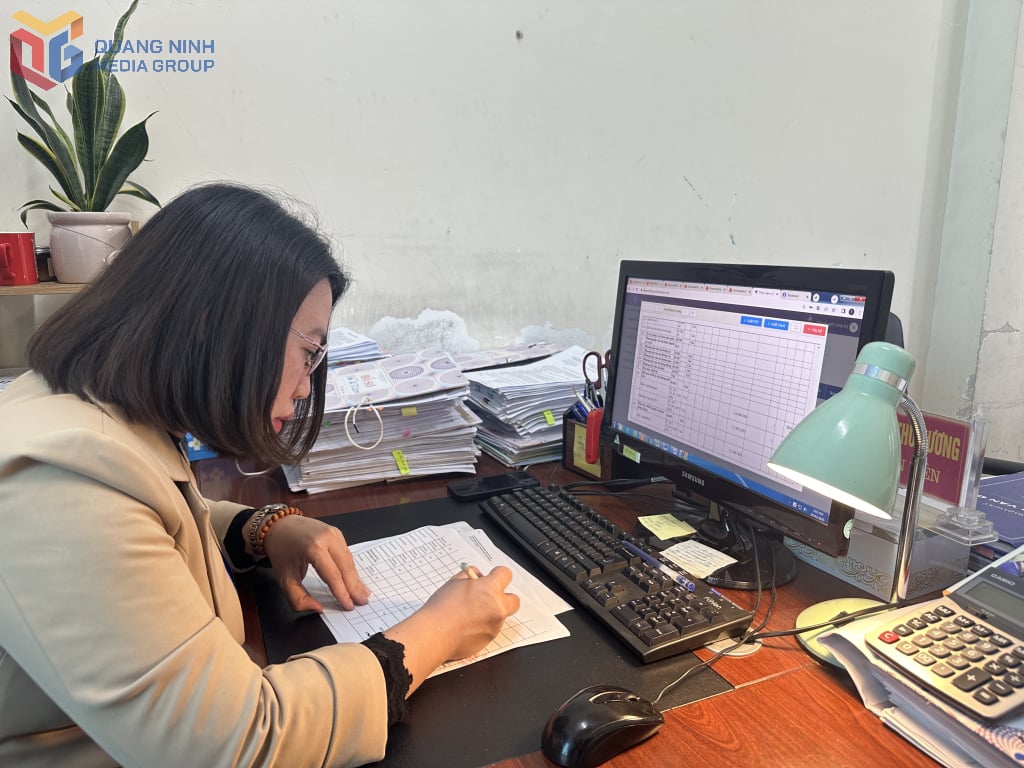
Quang Ninh province has 12 types of infrastructure assets subject to inventory, including roads, inland waterways, maritime transport, dikes, cultural institutions, etc. To date, 100% of agencies, organizations, and units have submitted reports on the overall inventory of infrastructure assets, with 100% of asset types completed. The Department of Finance has received consolidated reports from 5 specialized departments: the Department of Agriculture and Environment, the Department of Industry and Trade, the Department of Construction, the Department of Culture, Sports and Tourism, and the Department of Science and Technology. Currently, these departments are continuing to review and verify the assets and assets using the assigned software, and are urging localities and units to report infrastructure assets to the specialized departments for consolidation.
To complete the general inventory of public assets as directed by the Provincial Party Committee and the Provincial People's Committee, the Department of Finance will continue to urge agencies, units, and organizations to compile infrastructure assets and submit paper reports to complete the archiving process as required; attend the Ministry of Finance's conference on guiding the review and standardization of general inventory data to ensure that the collected data is accurate, complete, and consistent; and coordinate closely to provide guidance and promptly resolve any difficulties.
Cao Quynh
Source


















































































Comment (0)