

 |
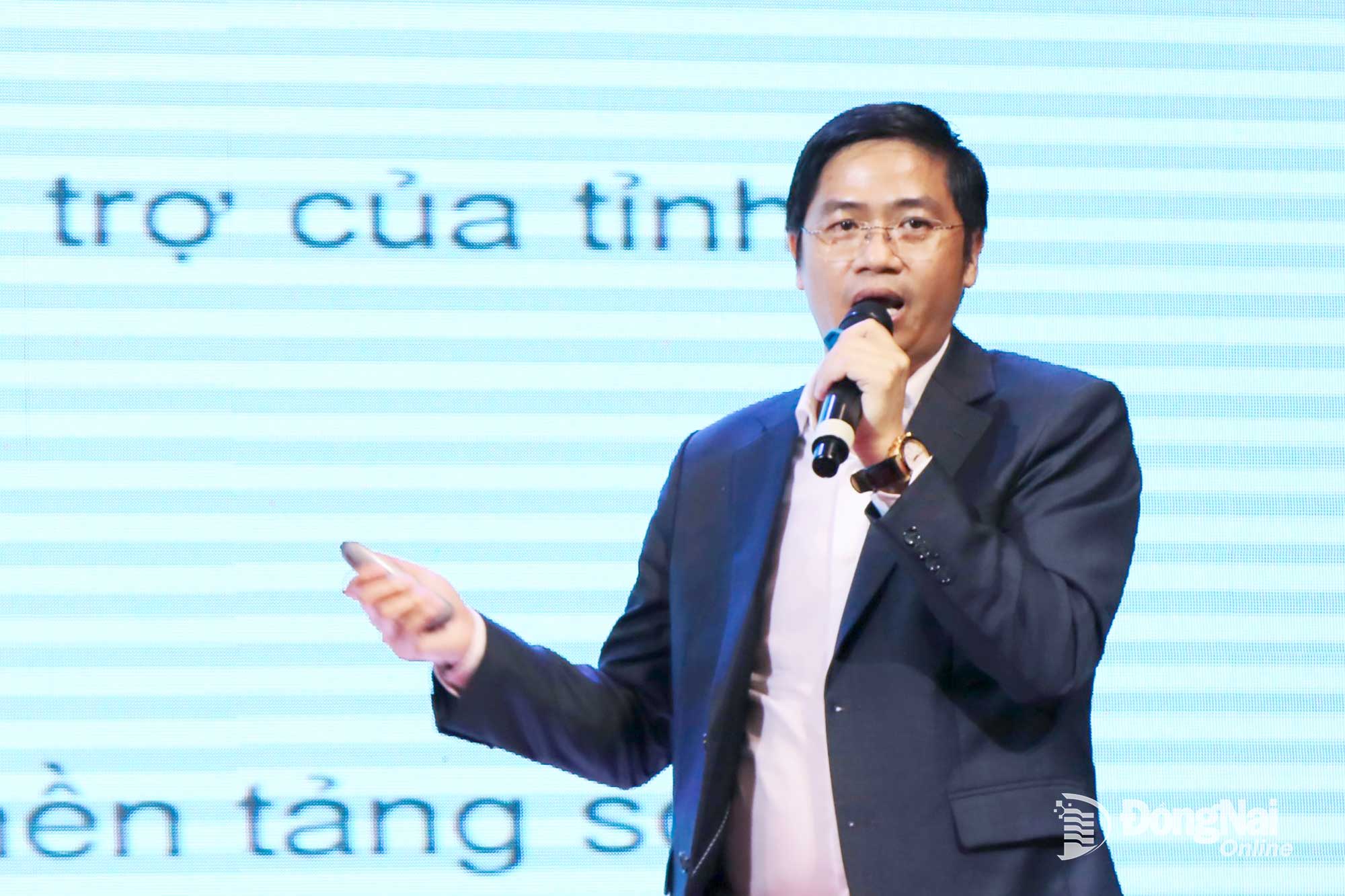
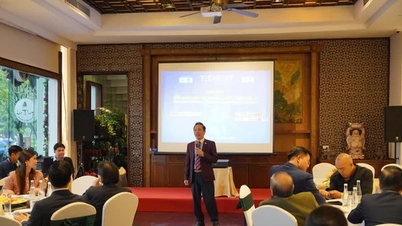
| Mr. Nguyen Hoai Chung, CEO of Phaata International Logistics Exchange. |
Reporters from Dong Nai Newspaper and Radio & Television had an interview with Mr. Nguyen Hoai Chung, CEO of Phaata International Logistics Exchange, about solutions for Dong Nai to achieve breakthroughs in the logistics sector.
Establishing an international-level logistics center.
• Sir, Dong Nai is considered a hub for various modes of transportation and has great potential for developing logistics services. What are your views on this matter?
- Dong Nai is not only a hub for various modes of transportation but is also emerging as a leading multimodal transport "super interchange" in ASEAN. The province possesses a full range of transportation methods at a highly optimized level, including: Long Thanh International Airport, an airport city and aviation logistics center; a network of inter-regional expressways connecting North-South and East-West; a system of waterways, river ports, and seaports connecting to the Cai Mep - Thi Vai area, opening directly to international shipping routes; and key railway lines that significantly reduce transportation costs.
Following the merger, Dong Nai province has resolved a long-standing bottleneck: the North-South corridor through the former Binh Phuoc province and the Central Highlands. New transportation projects will also connect the Central Highlands and the former Binh Phuoc province to Long Thanh Airport and Cai Mep Port more conveniently. These new connecting routes and the Hoa Lu Inland Container Depot (ICD) will also help the province expand its logistics space, becoming a gateway for transshipment of goods from Cambodia, Laos, and Thailand to the East Sea.
Dong Nai is also developing a complete logistics ecosystem of "Inland Port - Seaport - Airport," playing a role in consolidating, transshipping, and seamlessly exporting goods. When the aviation free trade zone (FTZ) associated with Long Thanh Airport is planned and implemented, the province will strongly attract high-value goods supply chains.
• To effectively capitalize on its unique advantages, what solutions does Dong Nai need, sir?
- In my opinion, Dong Nai needs to focus on the following four key solution groups: Completing the North-South logistics axis, especially key projects such as the Ma Da Bridge - DT753, new expressways and the railway network to seamlessly connect the northern raw material areas with Long Thanh Airport and the Phuoc An/Cai Mep - Thi Vai port cluster.
Strongly develop the inland port system and multimodal transport, bringing logistics services closer to production areas. Inland container depots (ICDs) such as Hoa Lu, Chon Thanh, and Dong Phu need to become "extended ports," combined with the air logistics center in Long Thanh to support high-value industries.
Investing in human resources and technology, especially in specialized training for air logistics, and implementing policies to attract high-quality experts are crucial. Furthermore, the province needs to accelerate digital transformation, apply artificial intelligence (AI), and develop smart industrial parks.
Prioritize green and sustainable development, protecting ecosystems during infrastructure deployment and transforming industrial zones into eco-friendly models, in line with the net-zero target by 2050.
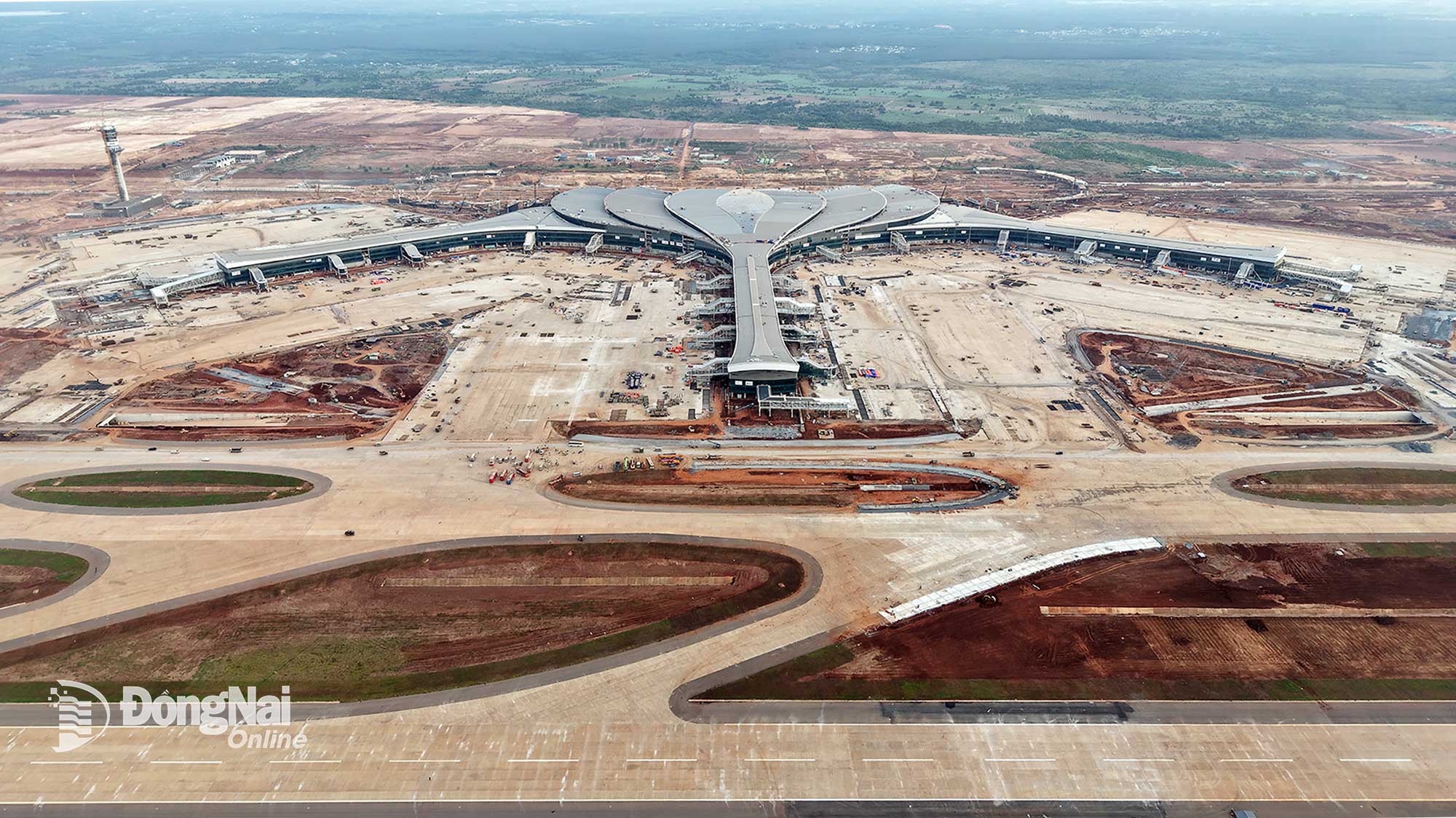 |
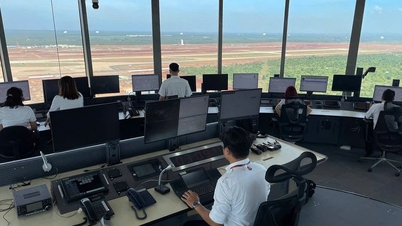
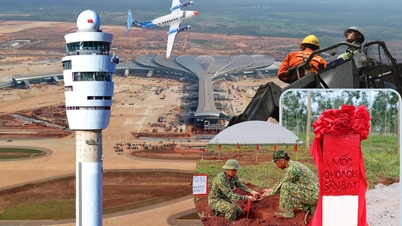
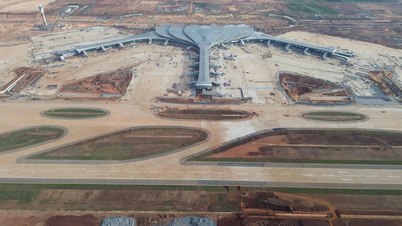
| Long Thanh Airport is a major driving force for the future development of logistics services in Dong Nai. Photo: Vuong The |
• Besides Dong Nai, Ho Chi Minh City is also a key location. What role does the connection and cooperation in logistics development between these two localities play in the development of the region and the entire country?
- In my opinion, these are not simply two adjacent localities, but rather the formation of a "symbiotic logistics ecosystem" that is crucial to national competitiveness. This connection creates a rare, complete multimodal logistics hub, combining sea, air, road, and rail transport within a radius of just 50km.
This linkage also helps Vietnam enhance its competitiveness with major logistics hubs in the region such as Singapore, Shanghai, and Dubai, while avoiding overlapping investments thanks to a clear division of roles: Ho Chi Minh City as the center for trade, services, industry, and seaports, and Dong Nai as the hub for manufacturing, warehousing, and aviation.
Both localities play a driving role in spreading the benefits to neighboring regions, while also increasing resilience and sharing the burden in the event of supply chain congestion or disruption.
Business linkages determine the development of logistics.
How would you assess the current state of digital transformation in the logistics industry?
- The Vietnam Logistics Report 2023 by the Ministry of Industry and Trade, with the theme "Digital Transformation in Logistics," which I helped edit, shows that 80% of businesses consider digital transformation very important, but the actual implementation level is still very limited.
Therefore, businesses need to accelerate the application of AI in operations, such as optimizing transportation routes, automating warehousing, and forecasting demand. They should invest heavily in digital human resources and foster close collaboration between schools and businesses. Simultaneously, they should participate in digital ecosystems and platforms, leveraging service-as-you-use (SaaS) technology and logistics exchange platforms to access modern solutions, connect with the market, and develop sales and marketing at a reasonable cost.
• The Dong Nai Logistics Association has just been established. What recommendations do you have for the association and its member businesses regarding collaboration and development?
- In my opinion, collaboration and cooperation among logistics businesses in the industry are crucial. This collaboration helps overcome fragmentation, optimize costs, shift from providing individual services to offering comprehensive logistics services; increase service value, enhance competitiveness, and participate in global supply chains right from the local level.
The Dong Nai Logistics Association needs to leverage its role as a policy bridge between the province and the local government; lead training, digital transformation, and green logistics for its members; and build a culture of transparent cooperation. For businesses, the top priority should be digital transformation to connect effectively and find suitable markets instead of directly confronting large corporations, and to prepare early for green logistics standards in line with global trends.
• Sir, as a pioneer in the logistics exchange platform model in Vietnam, how do you position Phaata's role in solving the current supply-demand connection problem?
- Phaata is not simply a technology platform; we position ourselves as a "comprehensive connected ecosystem" that helps solve the supply-demand problem in logistics with three main pillars:
For import-export businesses, Phaata helps shippers quickly search, compare, and select logistics services, optimizing costs and enhancing the competitiveness of each shipment, increasing opportunities to bring more orders to Vietnam.
For logistics businesses, Phaata acts as an extended sales and marketing channel, creating opportunities to reach new customers/partners daily, enhancing brand recognition, increasing competitiveness, and sustainably growing revenue in line with the new O2O (Online to Offline) trend.
At the industry level, Phaata contributes to promoting market transparency, creating pressure to improve service quality and increase competitiveness.
Thank you very much, sir!
(performed by Vuong The )
Source: https://baodongnai.com.vn/dong-nai-cuoi-tuan/202512/ong-nguyen-hoai-chung-ceo-san-giao-dich-logistics-quoc-te-phaata-khai-thac-co-hoi-de-dong-nai-tro-thanh-trung-tam-logistics-mang-tam-quoc-te-44f0ae2/
































































Comment (0)