

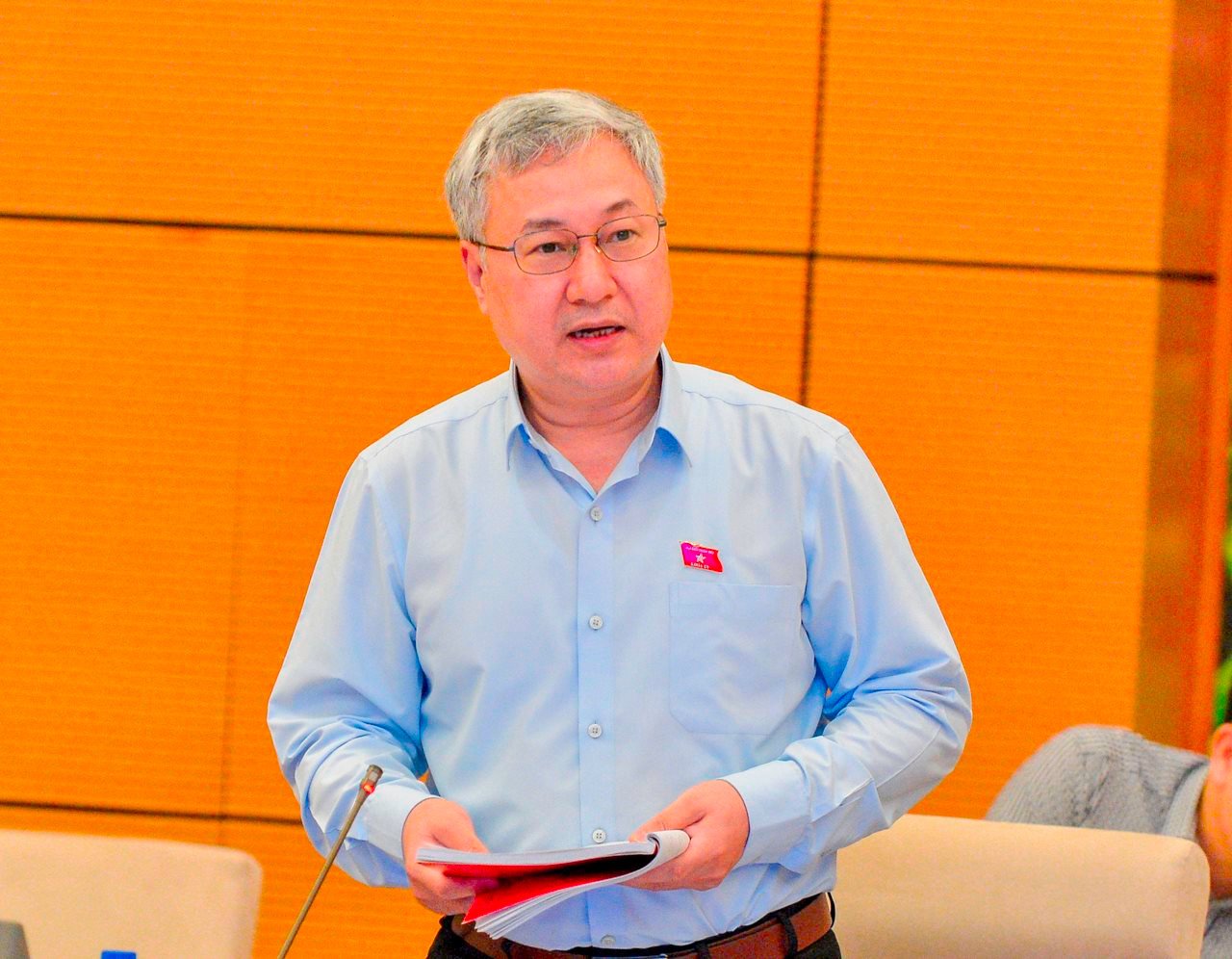
In 2023, various sectors and localities made significant efforts in disbursing public investment funds, but still could not achieve higher results. This was partly due to inherent problems such as: land clearance; contractor capacity; the sense of responsibility of investors; and the varying degrees of decisiveness and commitment between different areas and individuals. Some localities had low disbursement rates, but the volume of work was not large. Some units specialized in disbursement, while others only occasionally handled small projects.
From the beginning of 2024, the Prime Minister has been very proactive in directing and resolving difficulties and obstacles in policies and mechanisms. Issues previously attributed to procedural problems have now been largely resolved. However, some still depend on the scale of the projects. For example, while the 2023 plan did not meet its targets, it was a year with a large volume of public investment disbursement. Therefore, even though the target was not reached, it represents a significant effort. For 2024, the disbursement plan has already been assigned, so the direction must be decisive from the beginning of the year, assigning specific responsibilities. Accordingly, units and project owners must be proactive, identify obstacles and difficulties, and report them immediately for resolution. They must also actively and decisively promote implementation, with particular emphasis on the responsibility of the head of each unit. Furthermore, higher-level state management agencies for basic construction investment must strengthen inspection and supervision. Any obstacles related to policies and regulations should be promptly addressed and supported for localities and units so that they can implement their work.
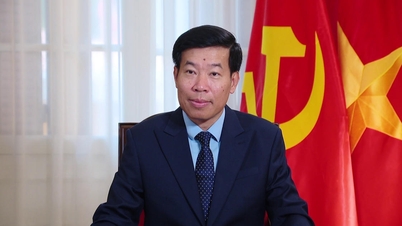
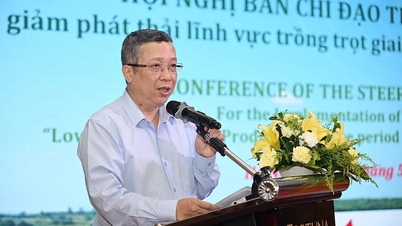
"Given the momentum achieved in 2023, I believe the results in 2024 will be even better," said Mr. Lam.
Source


























































































Comment (0)