

People use black pepper to enhance the flavor of dishes. It is also known for its role in traditional medicine in treating a variety of ailments such as colds, coughs, and digestive problems, according to Times Now News.
According to research published in 2023 in the medical journal Aging and Disease , black pepper contains piperine – the compound that gives it its characteristic pungent flavor and plays a key role in its health benefits. Piperine has antioxidant and anti-inflammatory effects that may reduce the risk of chronic diseases.
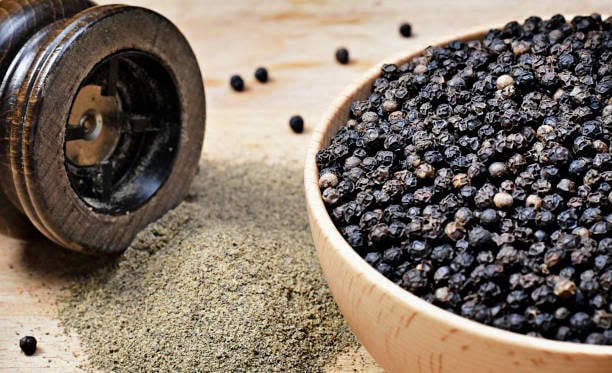
As one of the most widely used and beloved spices in the world , black pepper is known as the "king of spices," offering countless health benefits.
Additionally, sprinkling pepper on food has been shown to increase the absorption of essential vitamins and minerals found in food, according to the health website Eating Well.
Improve digestion
Adding pepper to food can aid digestion, reducing the risk of indigestion, bloating, and constipation, and helping the digestive system function more efficiently.
Better nutrient absorption
Kelsey Kunik, a nutritionist working in the United States, said: Black pepper contains piperine, which helps in the absorption of more nutrients, such as vitamins, minerals, and antioxidants from food. A 2019 study found that piperine may increase the bioavailability of antioxidants such as curcumin in turmeric and beta-carotene, thereby enhancing their effectiveness in promoting overall health.
Protect your body from chronic diseases.
Black pepper is rich in antioxidants, which help neutralize harmful free radicals in the body. These free radicals can damage cells and lead to aging and the development of diseases such as cancer. Regularly consuming black pepper may help protect the body from oxidative stress.
Weight management
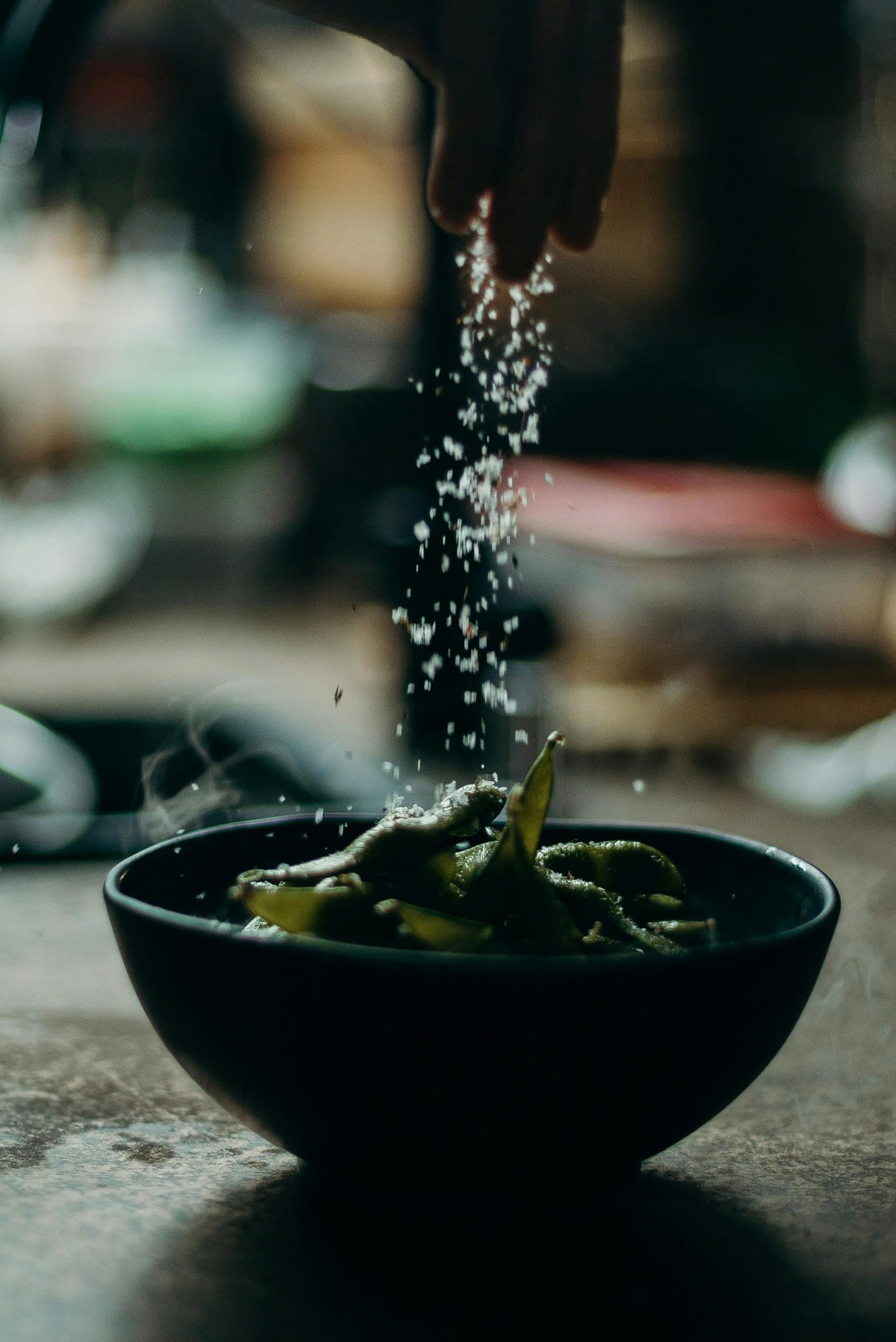
Adding pepper to food has been shown to increase the absorption of essential vitamins and minerals present in the food.
Piperine in black pepper has been shown to help break down fat cells and prevent the formation of new fat. Additionally, black pepper can improve metabolism and support fat loss by increasing thermogenesis.
Preventing heart disease and diabetes.
Piperine also has anti-inflammatory properties, which may help reduce inflammation in the body. Chronic inflammation leads to many health problems including arthritis, heart disease, and diabetes. Sprinkling pepper on food may help reduce inflammation and benefit health in the long term.
Boosting immune function
Black pepper has been used in traditional medicine for its immune-boosting properties. The antioxidants, vitamins, and antibacterial properties in black pepper can help strengthen the immune system, thereby helping the body fight off infections and diseases more effectively.
Improve breathing
Black pepper is known for its ability to clear nasal passages and improve respiratory function. Its warming properties can help thin phlegm and mucus, making it easier to expel, which can be beneficial in cases of colds, coughs, and other respiratory illnesses, according to Times Now News.
Enhance brain function
Piperine is known for its effects on improving brain function. It may help improve memory and cognitive performance by increasing levels of neurotransmitters in the brain, thereby reducing the risk of cognitive decline and neurodegenerative diseases such as Alzheimer's.
Source: https://thanhnien.vn/tac-dung-khong-ngo-khi-ban-rac-tieu-vao-mon-an-185241018085737073.htm



























![[Image] Close-up of the newly discovered "sacred road" at My Son Sanctuary](/_next/image?url=https%3A%2F%2Fvphoto.vietnam.vn%2Fthumb%2F1200x675%2Fvietnam%2Fresource%2FIMAGE%2F2025%2F12%2F13%2F1765587881240_ndo_br_ms5-jpg.webp&w=3840&q=75)































































Comment (0)