

A person can contract a sexually transmitted infection even without intercourse, as the virus spreads through skin-to-skin contact or bodily fluids.
Anyone of any age, race, or sexual orientation can contract sexually transmitted infections (STIs). Unsafe sexual practices, such as not using condoms or having multiple sexual partners, are risk factors for STIs such as gonorrhea, syphilis, scabies, genital herpes, genital warts, HIV, chlamydia, cervical cancer, and throat cancer.
Abstinence is the only perfect way to combat STIs. However, there are still cases of sexually transmitted infections even without intercourse. According to Dr. Dang Thi Ngoc Bich, a dermatologist and cosmetic skin specialist at Tam Anh General Hospital in Ho Chi Minh City, the reason is that infectious agents do not only reside in the mouth, anus, or genitals. They can live in or on any layer of skin or in bodily fluids.
Certain viruses that cause sexually transmitted diseases can spread through skin-to-skin contact, contact with bodily fluids, or sharing towels, underwear, or sex toys. Which skin areas or bodily fluids can transmit the infection depends on the specific disease and the location of the outbreak.
STIs can be transmitted during any sexual activity involving the following: mouth, lips, throat, or saliva; blood or breast milk; vaginal fluid, preejaculatory fluid, semen, or anal secretions; anal...
This means that, theoretically, STIs can be transmitted through any sexual activity, including kissing, oral sex, anal sex, and even manual sex. In addition, swallowing or contact with bodily fluids containing the virus can also lead to STD transmission, such as through tattooing or piercing; sharing unhygienic sex toys; blood transfusions; and sharing needles.

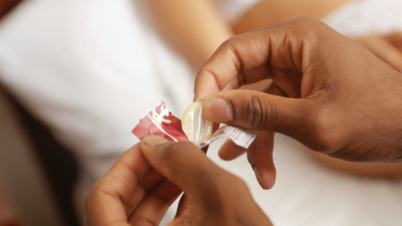
Some viruses that cause sexually transmitted infections can spread through skin-to-skin contact, bodily fluids, or sharing items with an infected person. (Image: Freepik)
However, Dr. Bich also noted that most non-sexual STI transmission risks, such as infection from public toilets, hot tubs, or public swimming pools, lack scientific basis.
"Sexually transmitted viruses generally cannot survive outside the mucous membranes of the body for a long time. All the chemicals in swimming pools and hot tubs kill any infectious agents," Dr. Bich said.
According to the World Health Organization (WHO), most sexually transmitted infections (STIs) are asymptomatic in their early stages. This means many people have STIs without knowing it. However, this does not mean the disease does not affect their health, and even without symptoms, they can still transmit the disease to others.
Currently, there are no methods to detect STIs immediately after exposure to the causative agent, as viruses, bacteria, and parasites must survive for a sufficient period of time before the body develops antibodies. The incubation period for each STI varies, ranging from 2 days to 3 months.
Therefore, the U.S. Centers for Disease Control and Prevention (CDC) recommends that sexually active individuals get tested at least once a year. Especially before engaging in sexual activity, people should get tested to determine their current STI status and reduce the risk of transmission. If you have unprotected sex, you should get tested after 2 weeks and again 2 weeks later.
To have safer sex and reduce the risk of STIs, Dr. Bich recommends that people openly share their sexual history with their partners before intercourse; regularly get tested for sexually transmitted infections, especially if they have a new partner or multiple partners, and encourage their partners to do the same.
Use condoms correctly during vaginal, anal, and oral sex to help prevent sexually transmitted infections (STIs) from spreading through bodily fluids. Additionally, get vaccinated against HPV and hepatitis B.
Some STIs are incurable and can even be life-threatening. Therefore, the best way to prevent them is through regular screening and safer sex practices. If you test positive for any STIs, treatment should begin as soon as possible to avoid health complications. During treatment, you must follow your doctor's instructions and refrain from sexual activity until the infection is completely gone to avoid infecting your partner and worsening the infection.
Mr. Ngoc
Source link


![[Photo] Prime Minister Pham Minh Chinh holds a phone call with the CEO of Russia's Rosatom Corporation.](/_next/image?url=https%3A%2F%2Fvphoto.vietnam.vn%2Fthumb%2F1200x675%2Fvietnam%2Fresource%2FIMAGE%2F2025%2F12%2F11%2F1765464552365_dsc-5295-jpg.webp&w=3840&q=75)

































































Comment (0)