

Many people say that soaking in a bathtub dries out and peels the skin, and makes you more susceptible to colds if you soak for too long; that you should only take showers. Is this true or false? (Thuc, Hanoi )
Reply:
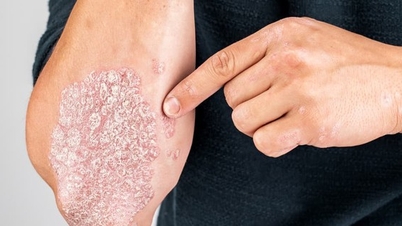
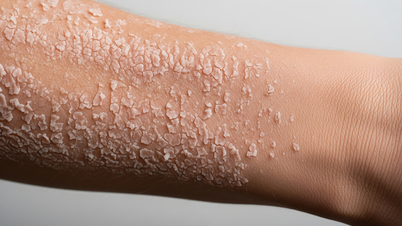
In winter, the dry weather causes your skin to show signs of dehydration, peeling, irritation, and inflammation. The skin becomes rough and scaly, sometimes causing pain, itching, cracking, and bleeding. Dry skin is also more prone to aging than other skin types.
Whether to shower or take a bath depends on personal preference. However, in winter, showering is preferable to bathing, and you should only shower for a short time with moderately warm water. If you choose to bathe, avoid soaking for too long, especially for young children and those who are ill.
After showering, you should use a post-shower moisturizer and apply it more frequently throughout the day to hydrate the skin, slow down water evaporation, and help retain the skin's natural lipids.
Choose an alcohol-free moisturizer and use a soap-free cleanser to ensure your skin's natural oil barrier is maintained.
You can use a humidifier to maintain moisture in the air during winter and dry weather.
Additionally, you should drink enough water and add more fruits to your daily diet. Avoid rubbing or scratching if your skin feels itchy or uncomfortable to prevent damage, inflammation, and other skin conditions.
When your skin is dry, avoid wearing clothes made of materials like wool, felt, or nylon to reduce irritation and itching. Apply sunscreen even when indoors. Include plenty of fruits and vegetables in your daily meals and avoid caffeinated drinks.
Dr. Do Kim Anh
Department of High-Tech Plastic Surgery, Hanoi Medical University Hospital.
Source link

![[Photo] Explore the US Navy's USS Robert Smalls warship](/_next/image?url=https%3A%2F%2Fvphoto.vietnam.vn%2Fthumb%2F1200x675%2Fvietnam%2Fresource%2FIMAGE%2F2025%2F12%2F10%2F1765341533272_11212121-8303-jpg.webp&w=3840&q=75)



































































































Comment (0)