

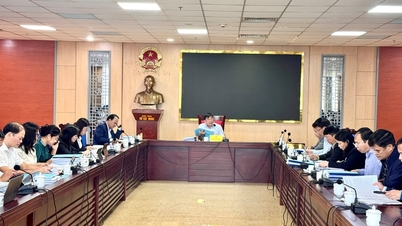
On the afternoon of December 1, under the direction of Vice Chairman of the National Assembly Vu Hong Thanh, the National Assembly discussed in the hall the draft Resolution of the National Assembly stipulating a number of mechanisms and policies to remove difficulties and obstacles in organizing the implementation of the Land Law.
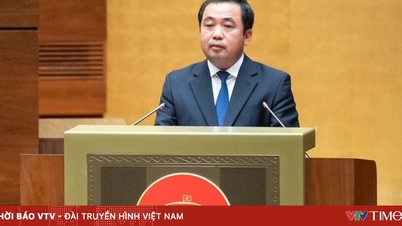
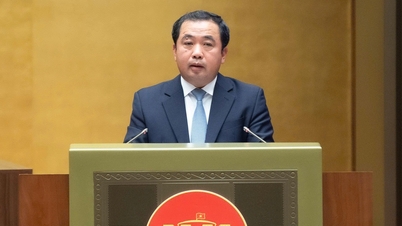
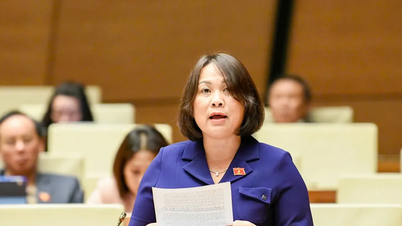
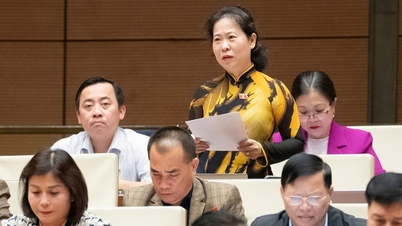
At the discussion session, many National Assembly deputies were concerned about the necessity and scope of the draft resolution to remove difficulties in implementing the 2024 Land Law. On behalf of the drafting agency, Minister of Agriculture and Environment Tran Duc Thang reported and clarified a series of issues raised by the deputies.
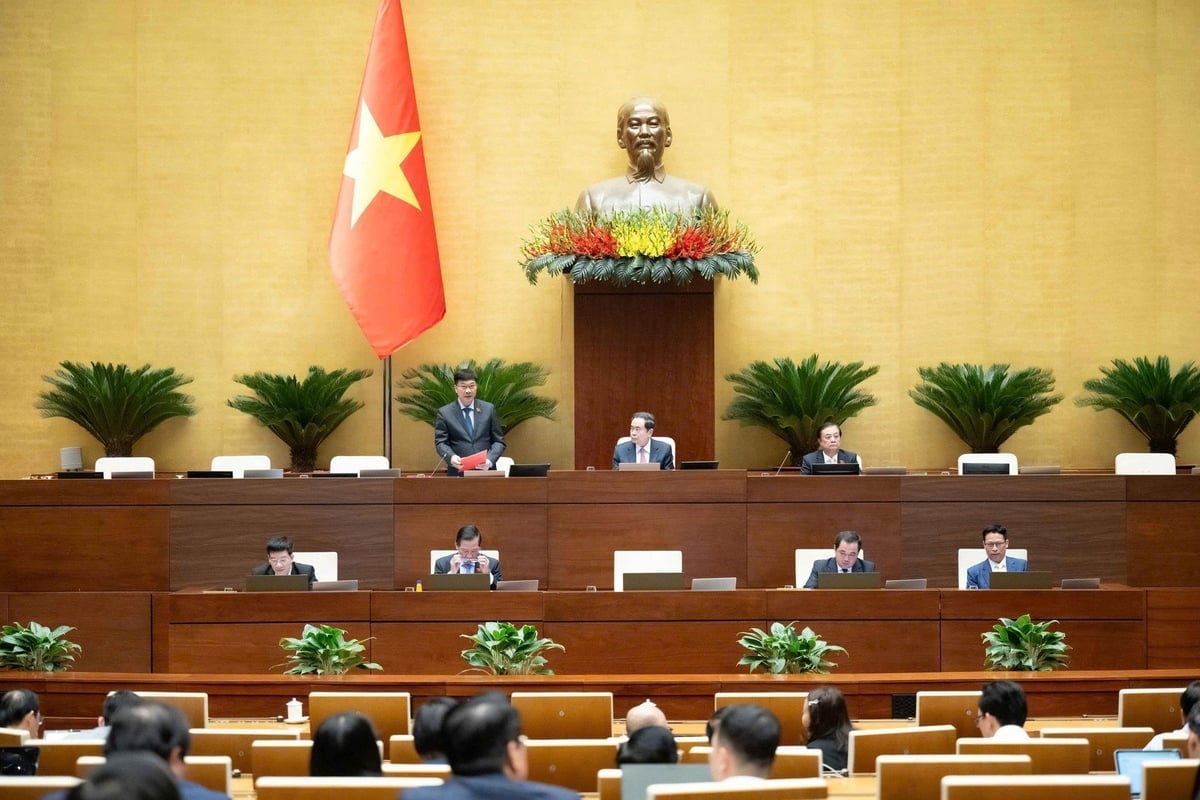
Vice Chairman of the National Assembly Vu Hong Thanh chaired a discussion session in the hall on the draft Resolution of the National Assembly stipulating a number of mechanisms and policies to remove difficulties and obstacles in organizing the implementation of the Land Law. Photo: Quochoi.vn
Clarifying the reasons for issuing a resolution
According to Minister Tran Duc Thang, the majority of delegates agreed with the issuance of a resolution to resolve difficulties in the implementation of the Land Law. Some opinions suggested continuing to review more deeply to unlock development resources and improve the investment and business environment.
The drafting agency said that in preparation for the proposal to amend and supplement the 2024 Land Law, the Government Party Committee has organized an assessment of 3 years of implementing Resolution 18 of the Central Executive Committee, 1 year of implementing the 2024 Land Law and identified the contents that need to be adjusted. In Resolution 69 of the 13th Central Executive Committee, the proposals of the Government Party Committee have been basically agreed upon.
Implementing the Politburo's conclusions, the Government submitted to the National Assembly a draft resolution to resolve three major groups of issues, namely institutionalizing Resolution 69; resolving "bottlenecks" pointed out in Notice 08 of the Central Steering Committee on legal improvement and finally continuing to resolve obstacles in the implementation of the 2024 Land Law.
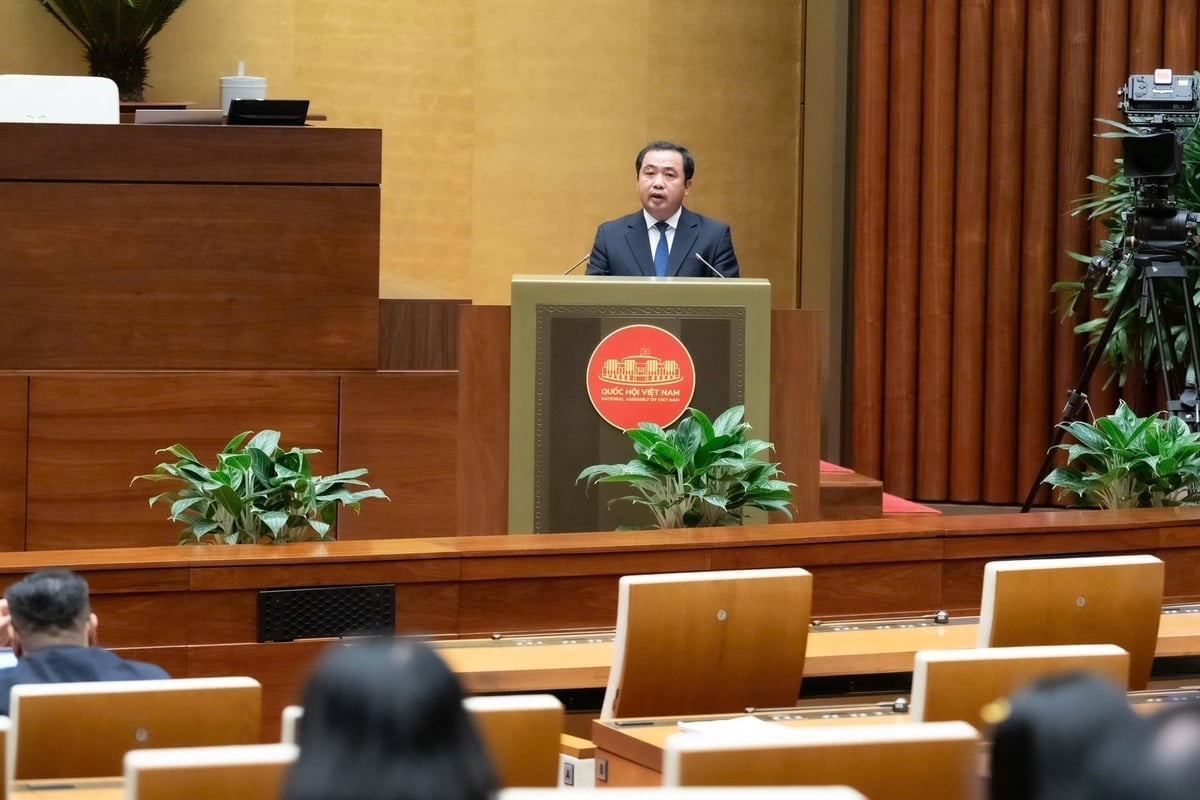
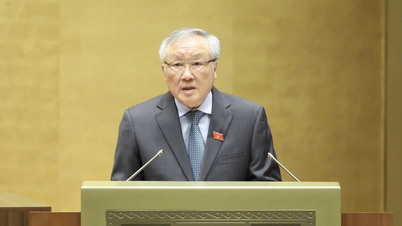
Minister of Agriculture and Environment Tran Duc Thang reported and clarified a series of issues raised by delegates. Photo: Quochoi.vn
The contents that delegates commented on but have not yet been included in this resolution will continue to be studied and comprehensively evaluated for consideration in the process of amending the Land Law, expected to be submitted to the National Assembly in 2027.
Maximize the absorption of delegates' opinions
At the meeting, many opinions of the National delegates were raised for the drafting agency to explain and accept amendments to perfect the institution. One of the issues that attracted many opinions was land recovery, compensation, support, and resettlement. Although the 2024 Land Law has stipulated 31 cases of land recovery by the State, according to the drafting agency, development practice requires additional additions:
Projects in free trade zones, international financial centers; land recovery to create land funds for payment of BT projects or land funds for lease to continue production and business for organizations whose land is recovered; recovery of the remaining area of the project when the investor has agreed on over 75% of the area and reached the consensus of over 75% of the number of land users.
Many delegates agreed with the "75% - 75%" regulation, but there were also opinions that wanted to increase the consensus rate to reduce risks and avoid complaints; even suggested a lower rate or only need to meet one of the two conditions.
The drafting agency assessed that this was a special case, requiring careful consideration of economic, social, security, order and people's rights aspects. Therefore, the draft resolution assigned the Provincial People's Council to consider and decide whether to reclaim the remaining area or not.
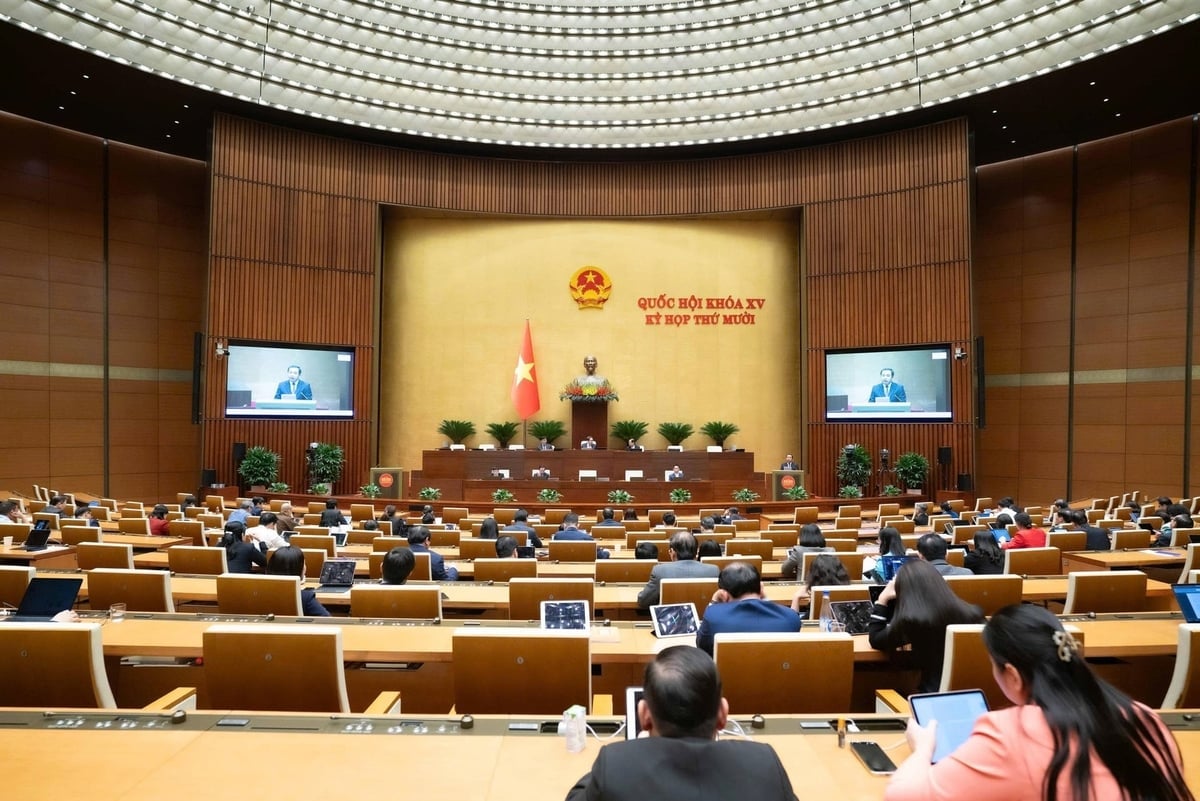
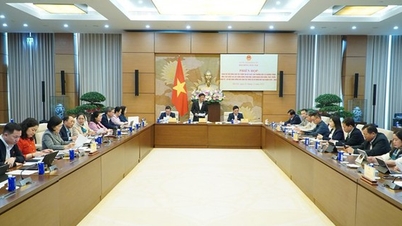
Overview of the meeting on the afternoon of December 1. Photo: Quochoi.vn
The draft proposes two compensation options for the remaining land: option 1 will be applied as in the case of land acquisition by the State; for option 2, if the compensation level is lower than the average agreed land price, people will receive the difference paid by the investor. The Government will coordinate with the appraisal agency to choose the appropriate option and report to the National Assembly.
Regarding the content of land acquisition before approving the compensation plan, some delegates suggested considering the regulation of land acquisition before approving the compensation plan because it could disrupt people's lives. The drafting agency affirmed that this mechanism only applies to important national projects, urgent public investment projects or projects that are agreed by the majority of people. The Government will specify the procedures, ensuring democracy, publicity and protecting the legitimate rights of the people.
Some opinions are concerned that land allocation without auction or bidding may cause budget loss. The drafting agency believes that the draft has added three special cases where land can be allocated or leased without auction: Land allocation or lease to pay for BT contracts; projects where the State reclaims land for public benefit; energy and tourism projects associated with trade and services in particularly difficult areas.
National Assembly delegates are very concerned about the determination of land price tables and adjustment coefficients. Many opinions suggest that the adjustment coefficients must be updated regularly to keep up with market prices and protect people's rights. Some other opinions emphasize the regulatory role of the State.
According to the drafting agency, the use of land price tables and adjustment coefficients helps to ensure transparency, shorten the valuation process and overcome current shortcomings. The Government will provide specific guidance on the method of constructing price tables, adjustment coefficients and infrastructure costs deducted from financial obligations.
Minister Tran Duc Thang said the draft also calculated a plan to handle cases of unfinished land price determination when the resolution takes effect.
Regarding the content of removing obstacles in land division, land consolidation, and certificate issuance, many delegates pointed out the practical difficulties in dividing agricultural land, especially related to access requirements, affecting inheritance and donation.
Minister Tran Duc Thang said that the Government has accepted and adjusted in the following direction: Changing the purpose of a part of land does not require splitting the plot; merging plots does not require the same purpose of use; tightening the use of land with illegal origin, avoiding legalizing encroachment.
Minister Tran Duc Thang affirmed that the Government respectfully accepts the enthusiastic comments of National Assembly deputies and will complete the draft resolution and guiding documents after the National Assembly approves it.
Source: https://nongnghiepmoitruong.vn/thao-go-vuong-mac-luat-dat-dai-chinh-phu-lam-ro-noi-dung-dbqh-quan-tam-d787576.html

![[Photo] Worshiping the Tuyet Son statue - a nearly 400-year-old treasure at Keo Pagoda](/_next/image?url=https%3A%2F%2Fvphoto.vietnam.vn%2Fthumb%2F1200x675%2Fvietnam%2Fresource%2FIMAGE%2F2025%2F12%2F02%2F1764679323086_ndo_br_tempimageomw0hi-4884-jpg.webp&w=3840&q=75)
![[Photo] Parade to celebrate the 50th anniversary of Laos' National Day](/_next/image?url=https%3A%2F%2Fvphoto.vietnam.vn%2Fthumb%2F1200x675%2Fvietnam%2Fresource%2FIMAGE%2F2025%2F12%2F02%2F1764691918289_ndo_br_0-jpg.webp&w=3840&q=75)



































































Comment (0)