

What are the unique characteristics of diagnosing and treating childhood illnesses that make it best possible to do so at a pediatric hospital, sir?
Pediatric medical examinations and treatments must follow the entire standard examination and treatment process. However, pediatrics requires caution and precision at every step: Gathering information about the child's condition through the parents or guardians; examining the child gently to ensure their cooperation; and, in emergency situations, quickly assessing life-threatening signs and identifying signs that are still safe...
Overall, a pediatric hospital is better than a pediatric department in a general hospital. A pediatric hospital encompasses various specialties, each supporting the others to achieve in-depth, comprehensive diagnoses without missing any cases. The unique characteristic of a pediatric hospital lies in the coordinated efforts of clinical, paraclinical, and diagnostic imaging specialties, dedicated pediatric healthcare professionals, and specialized pediatric equipment.
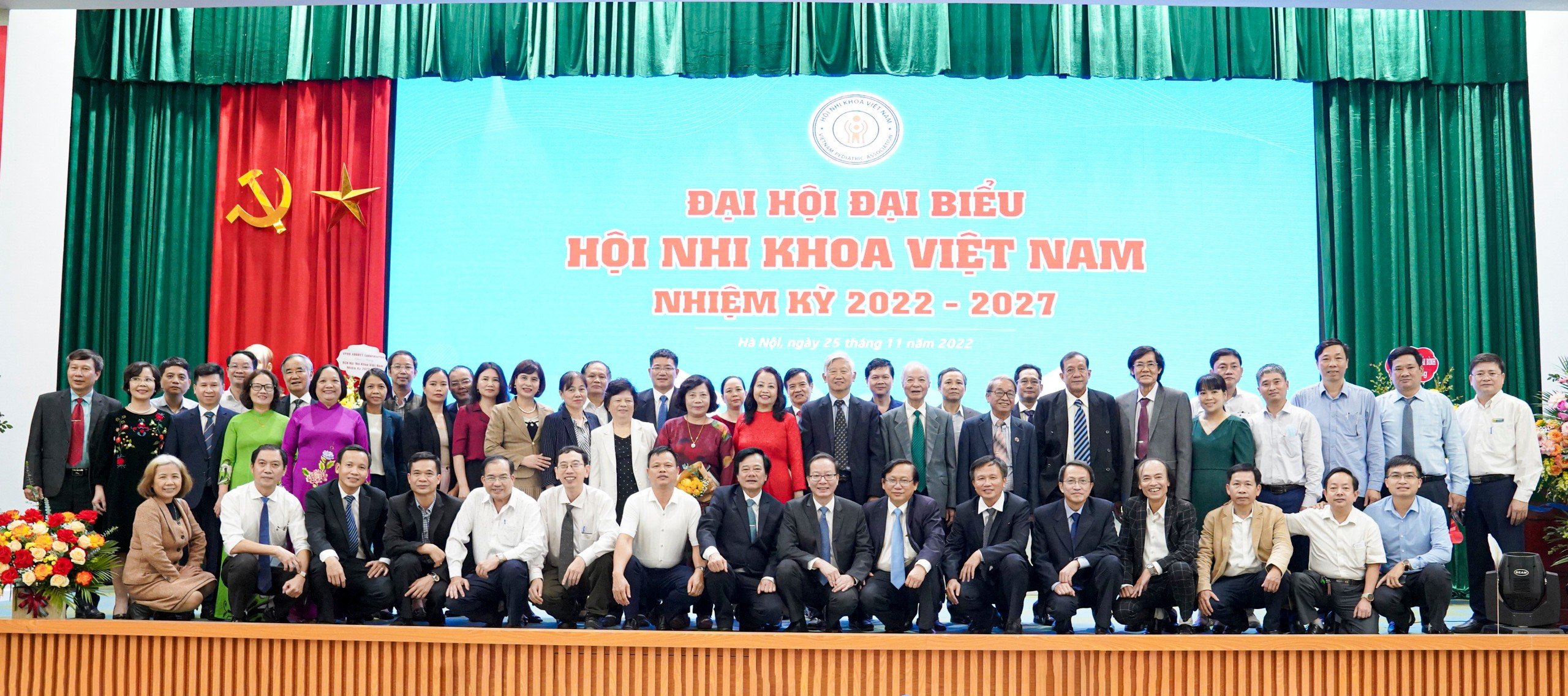
Associate Professor Tran Minh Dien (8th from the right in the top row) is the President of the Vietnam Pediatric Association for the term 2022-2027.
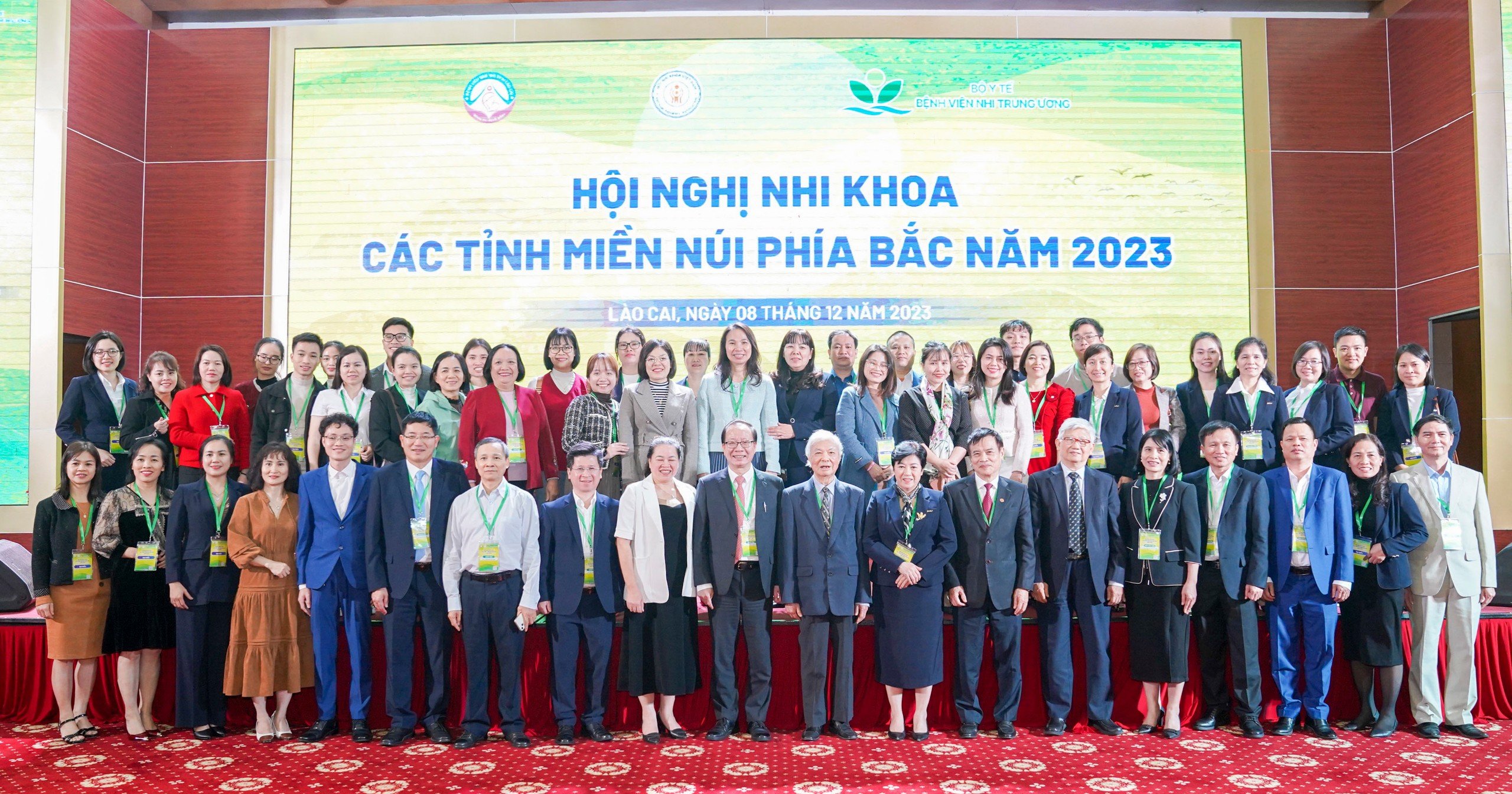
Together with scientists and colleagues at the 2023 Pediatric Conference of the Northern Mountainous Provinces
Besides the professional skills of other doctors and medical staff, what other skills does a pediatrician need to meet the demands of diagnosing and treating children?
Pediatric expertise and skills in examining and treating pediatric patients are crucial foundations, but a loving attitude towards children is even more important to keep you enthusiastic and motivated in your daily practice. You need to be patient with children, not afraid of their crying or complaining, listen to them, and try to understand their wishes...
Hai Thuong Lan Ong Le Huu Trac wrote: "Thinking deeply, I understand that a doctor is the protector of human life: life and death are in their hands, fortune and misfortune are in their grasp. Therefore, how can one dare to pursue such a noble profession with incomplete knowledge, imperfect virtue, a narrow mind, and imprudent actions?" Hai Thuong Lan Ong's admonition remains relevant today. When I became Director of the National Children's Hospital, I placed Hai Thuong Lan Ong Le Huu Trac's admonition and President Ho Chi Minh 's teachings in a prominent position in the hospital's main hall, so that each of us could use them as a guide while examining and treating children.

In a place like the National Children's Hospital, how does the volume of patient examinations and treatments relate to research and training activities?
The National Children's Hospital is a leading specialized pediatric hospital encompassing medical examination and treatment, training, and scientific research. In 2023, the hospital received nearly 1.2 million outpatients and over 120,000 inpatients. This data has enabled us to develop an extremely rich disease model, comprehensive data archives over time, modern diagnostic and treatment methods, and a team of highly skilled and specialized doctors. This provides favorable conditions for scientific research and training.
Over the years, the National Children's Hospital has been a trusted institution entrusted by the Ministry of Science and Technology and the Ministry of Health with state-level scientific research projects. Domestic and international scientific partners also trust the hospital's research capabilities to collaborate on research projects in the field of child health and multinational clinical trials.
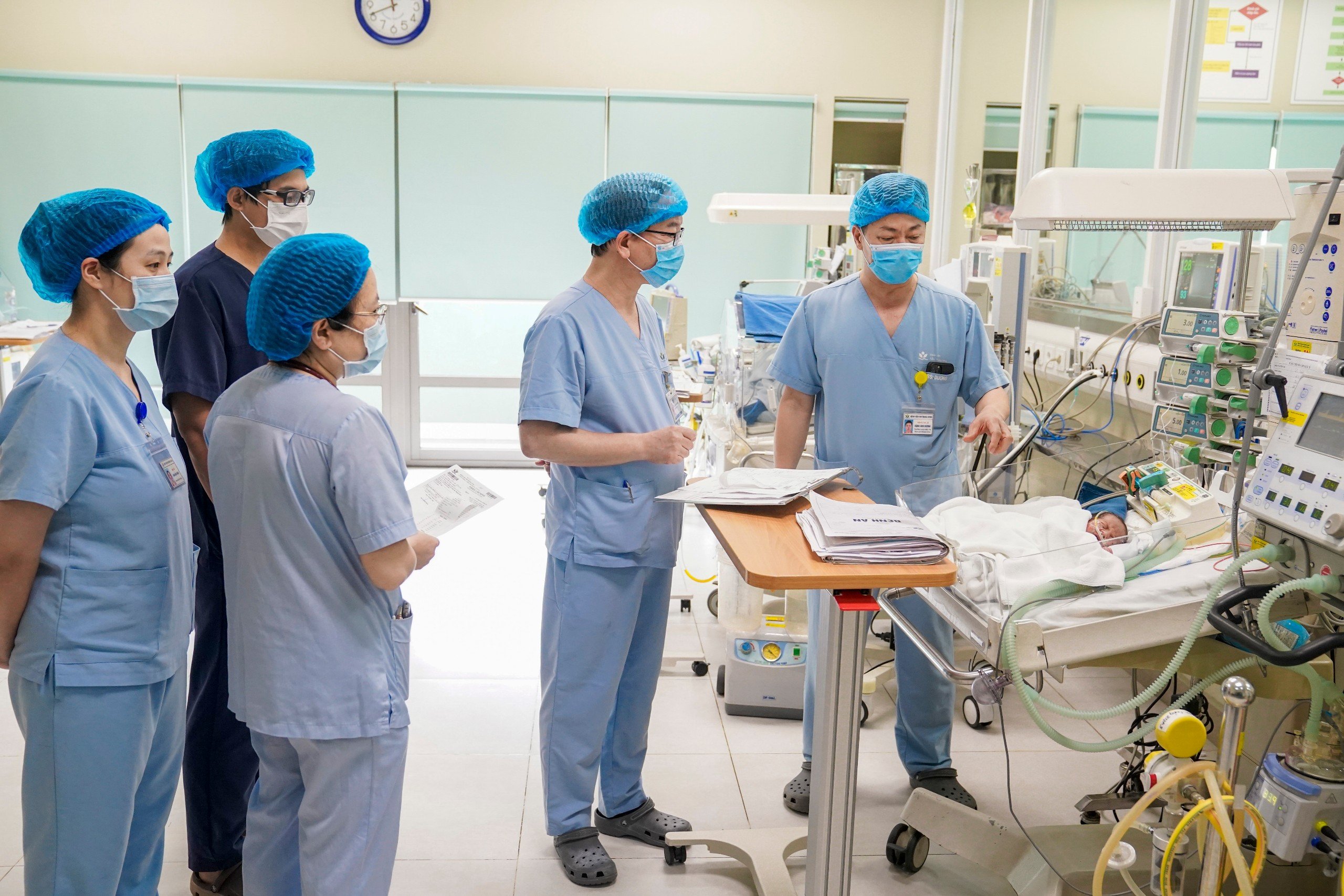
Discuss the results of the patient image analysis with your colleagues.
Every year, scientists at the National Children's Hospital actively seek and register new scientific research projects at all levels and internationally. In particular, in 2023, within the framework of the scientific research funding package from the Vingroup Innovation Fund (VinIF), we successfully registered the project "Establishing a reference range for biomarkers in the blood of Vietnamese children and adolescents". This is a large project with high scientific and practical value, serving as a basis for clinical doctors to refer to and apply in their medical practice. From these studies, scientific products are applied in practice, domestic and international articles are published, technology is transferred to other levels, and resident doctors, masters, specialists (level 2), and doctoral candidates are trained.
Every year, we welcome thousands of undergraduate and postgraduate students from various universities and institutions. Here, students and trainees study in a comprehensive environment covering pediatric pathology models, modern diagnostic and treatment methods, and especially receive clinical instruction from a team of excellent physicians. Furthermore, the hospital offers specialized training programs and accepts domestic and international trainees to enhance their skills in pediatrics.
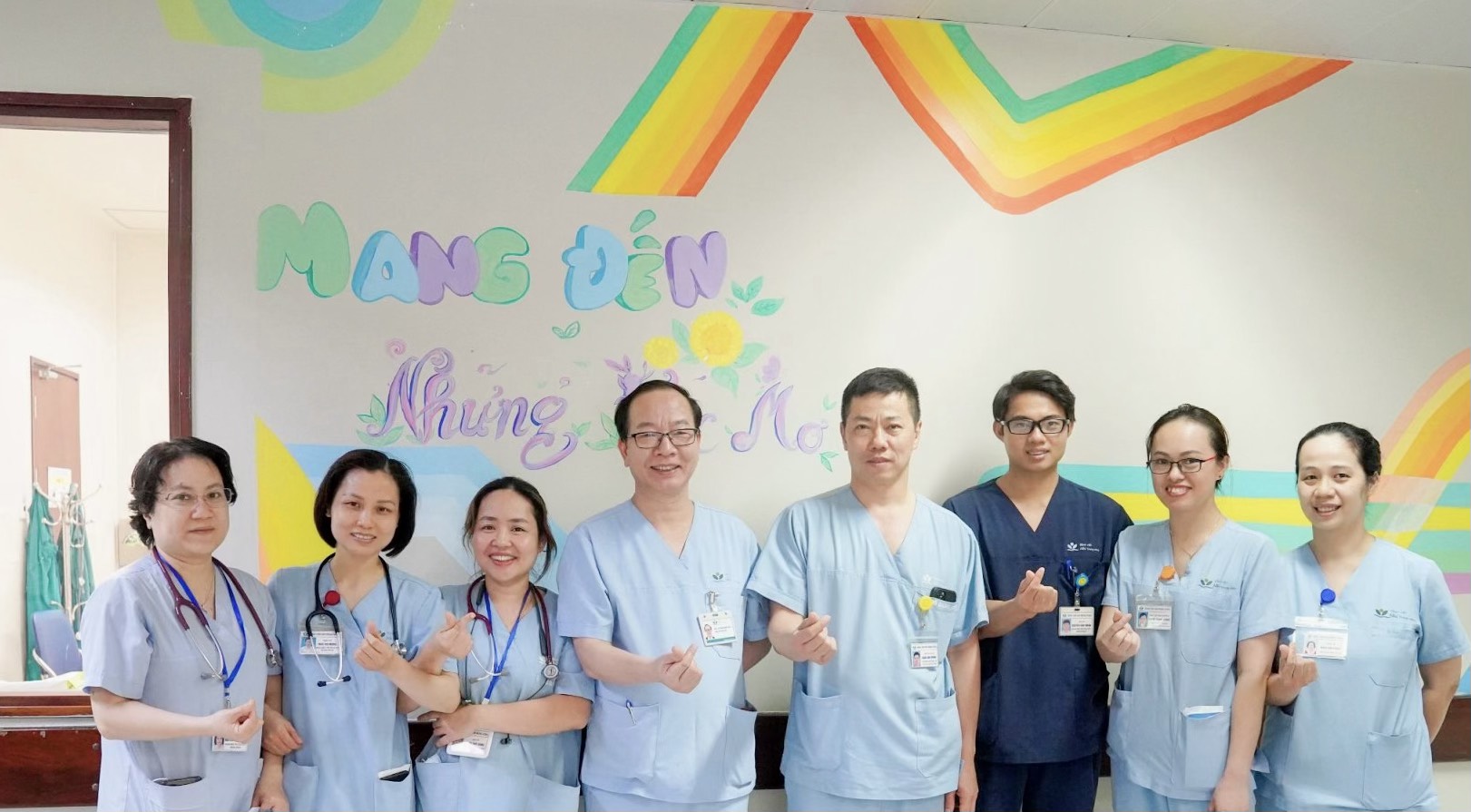
Together with young colleagues at the National Children's Hospital
With the development and application of artificial intelligence (AI) in diagnosing and formulating treatment plans, what changes, in your opinion, will occur in the role of doctors?
The application of AI in medicine is developing at an unprecedented pace. Based on the principle of data collection and analysis, AI provides reference ranges. When applied to a specific set of patient symptoms, it generates diagnoses and treatment methods, somewhat personalizing treatment for each patient.
In principle, that's the case; however, AI can only assist in certain stages, for example, analyzing diagnostic images, analyzing and compiling test results, and advising on tests. For the final diagnosis and establishing a specific treatment plan for each patient, the doctor's role remains primary. Currently, the Law on Medical Examination and Treatment only encourages the use of AI to support the medical examination and treatment process. The doctor's role is both that of the implementer and the facilitator in creating AI. At the National Children's Hospital, we have been actively applying AI to children's healthcare.

Healthcare models vary greatly from country to country around the world. How do you envision an ideal healthcare model?
A healthcare system is a reflection of each country's economic, political, and social conditions. No two systems are exactly alike. An ideal healthcare system is one that puts the people at the center, ensuring their physical, mental, and social well-being at all times, in all places, and under all circumstances.
COVID-19 has truly brought about a tremendous shift in society and in the worldview of each individual. In healthcare, are there any fundamental changes needed to enable people to cope with an uncertain future?
COVID-19 was an unprecedented pandemic. In the future, we may face similar unpredictable epidemics. Not to mention the factors of viral mutation, changes in human behavior, and the effectiveness of disease control measures not meeting expectations... Through the COVID-19 pandemic, the entire healthcare system and sector have learned many lessons, at both the macro and micro levels.
Sustainable change requires thorough resource preparation, not only in healthcare but also nationally. Overall, both the system and individual citizens must be ready to adapt and respond flexibly to future changes related to epidemics.
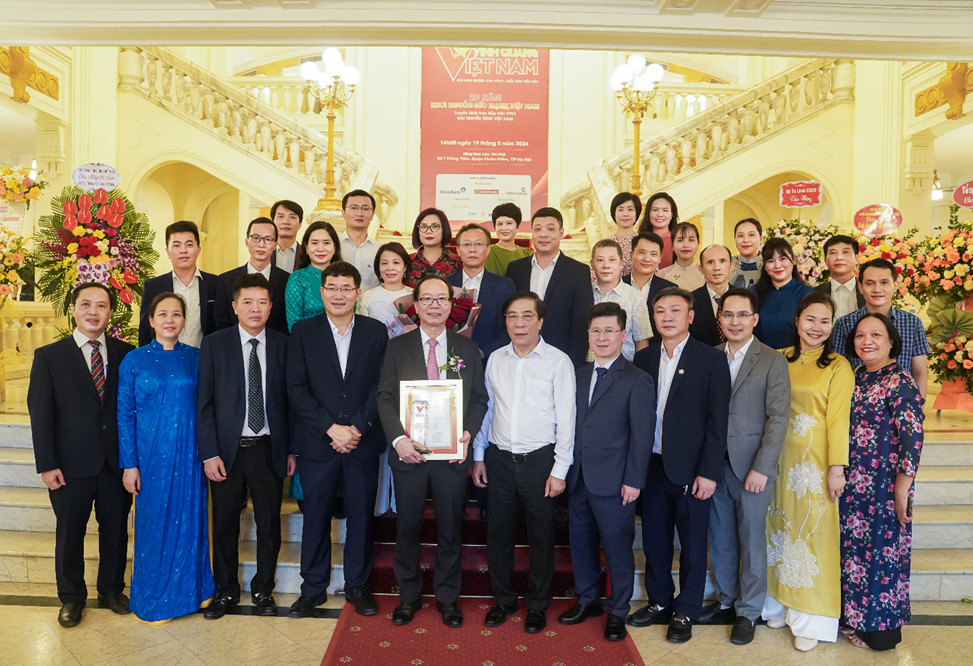
During the awards ceremony at the Vietnam Glory Program 2024.
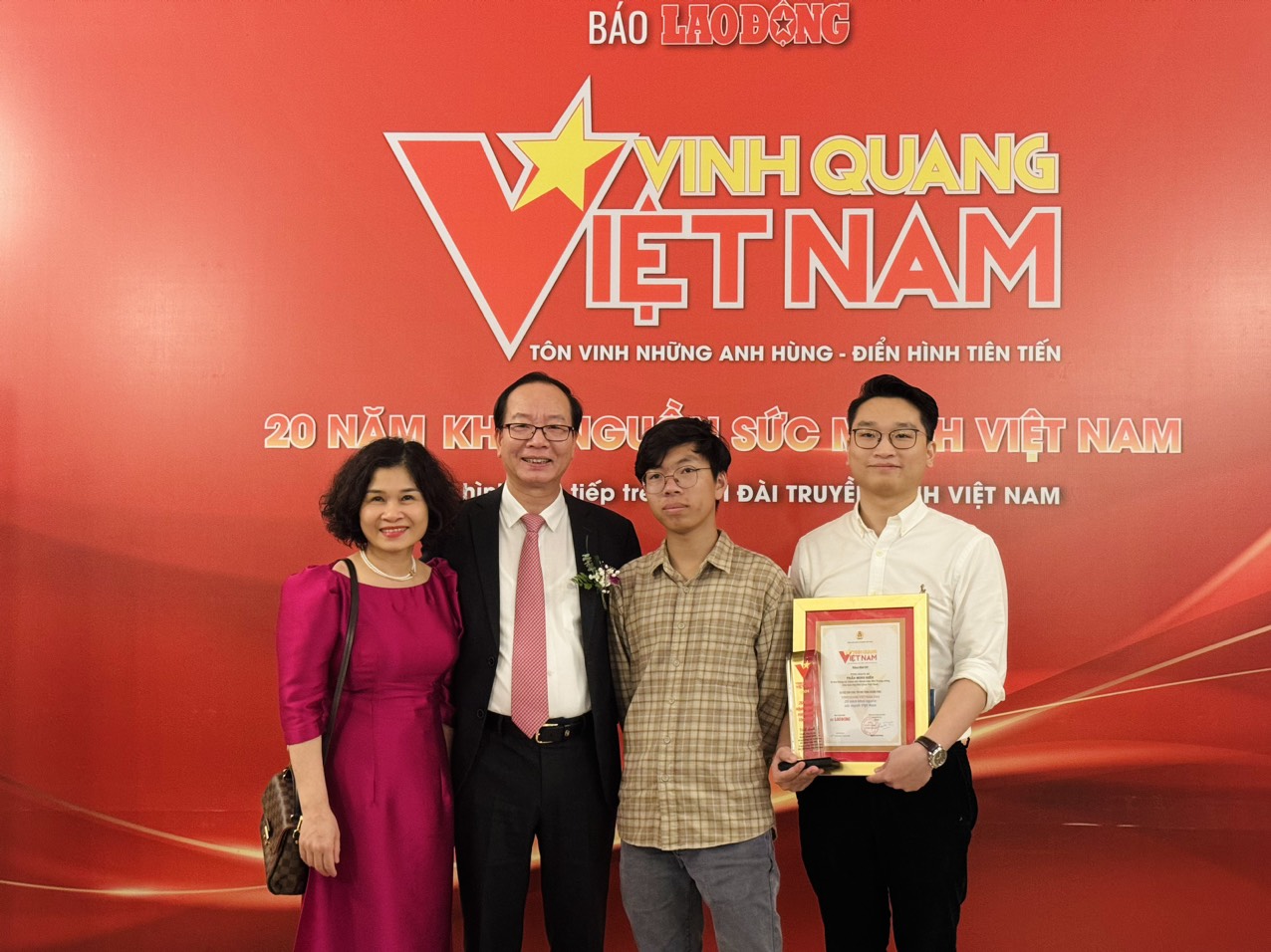
Celebrating with family at the Vietnam Glory Program.
As one of the 10 individuals recently honored in the 2024 Vietnam Glory Program, what are your thoughts on your mission as the director of a leading pediatric specialist hospital?
When I first took on the responsibility of hospital director, I went to the outpatient department, where a large number of children came for examinations. I was very worried about whether I could manage to ensure the safety of the children along with my colleagues. Would the parents have a positive experience with the examinations? Attending a tug-of-war competition while thousands of staff members cheered happily, I felt a pang of anxiety: could I ensure the jobs and incomes of my colleagues? Did everyone truly trust my leadership? Working at the construction site of the Quoc Oai Branch 2, I wondered: as a doctor, without expertise in construction management, would the project be completed on schedule and to the required quality standards? Reading a financial report, a monthly income and expenditure ledger, I also worry whether I've followed all current legal regulations... Many of the tasks in the job description of the Party Committee Secretary and Hospital Director require me to be truly calm, clear-headed, and impartial... My leadership philosophy is: to comply with and uphold the law, and to listen with a positive attitude when handling work.
Thank you, Associate Professor!
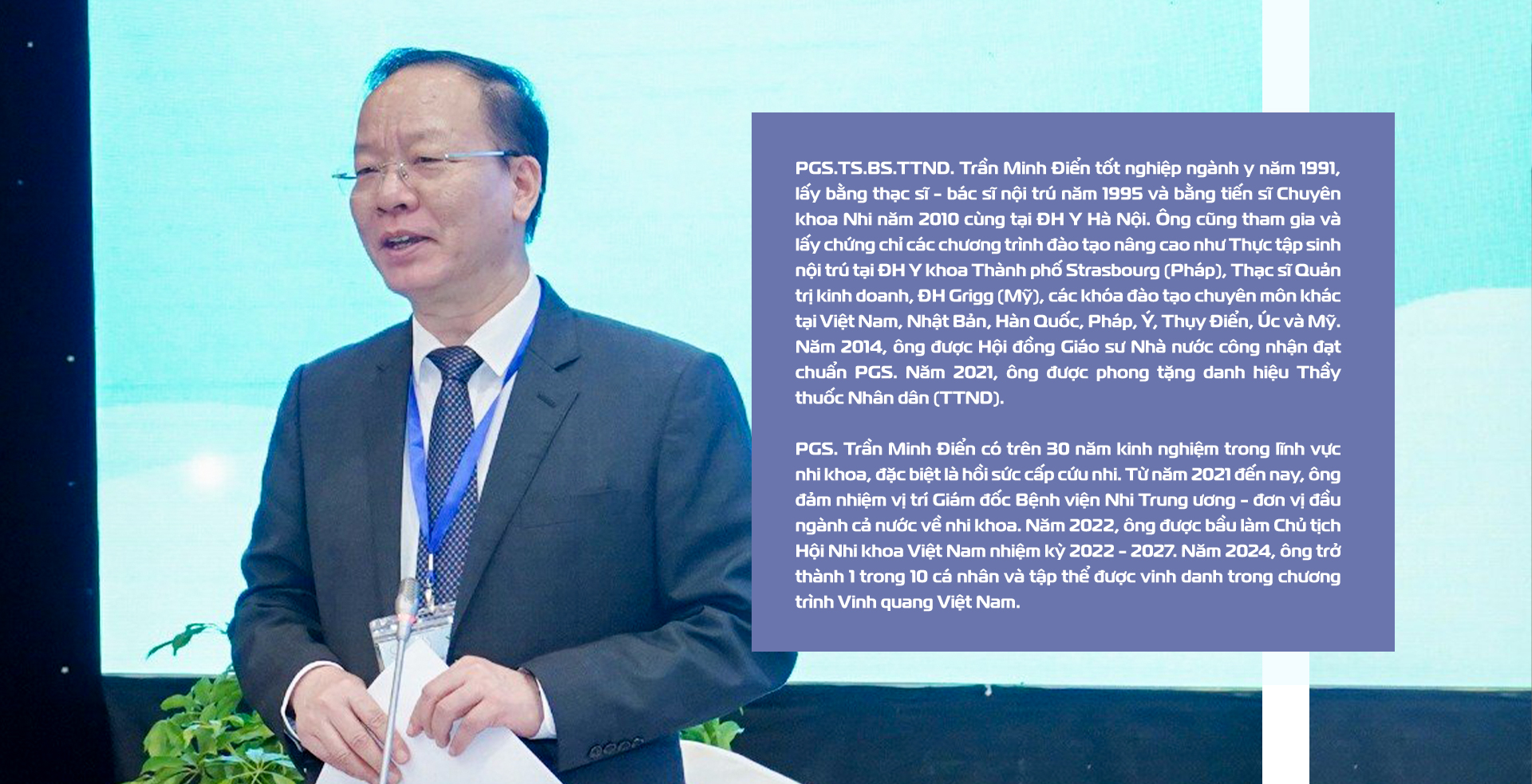
Source: https://thanhnien.vn/thay-thuoc-nhan-dan-tran-minh-dien-yeu-tre-la-dieu-kien-toi-can-o-bac-sy-nhi-khoa-185240529135246412.htm



































































Comment (0)