

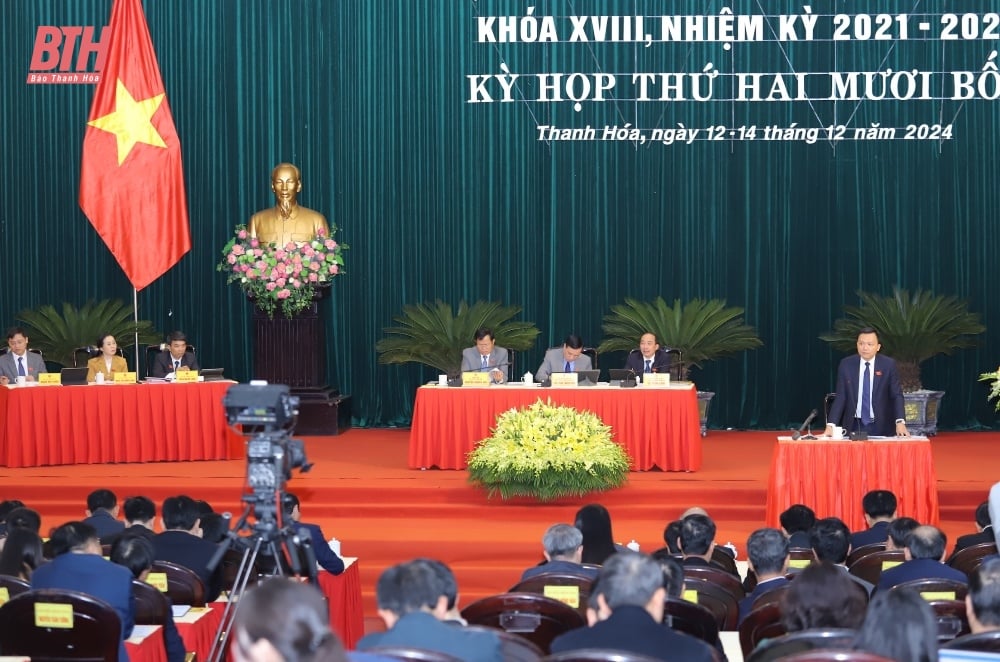
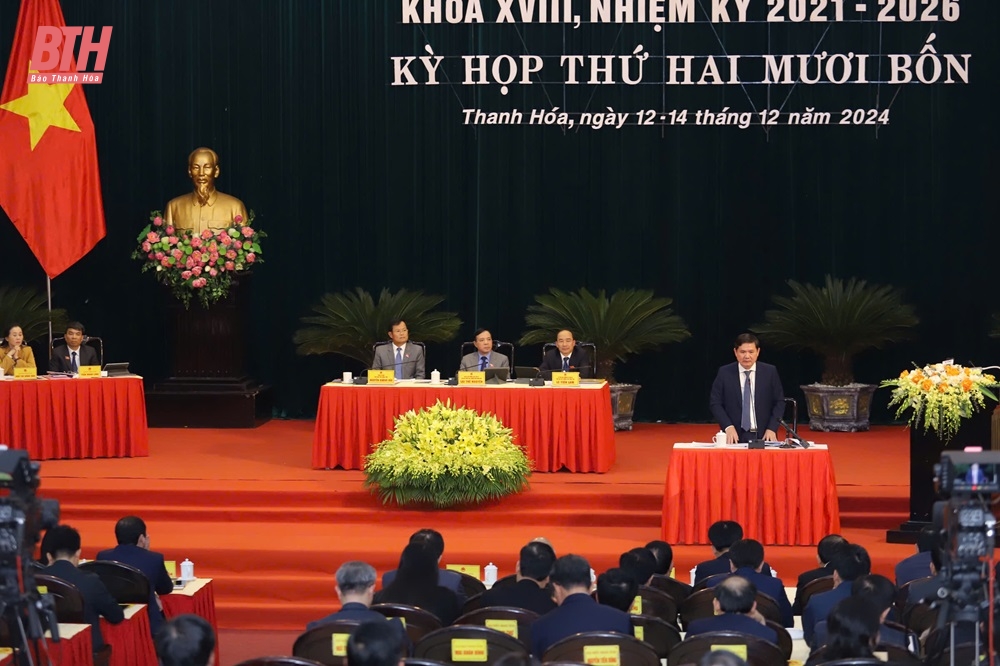
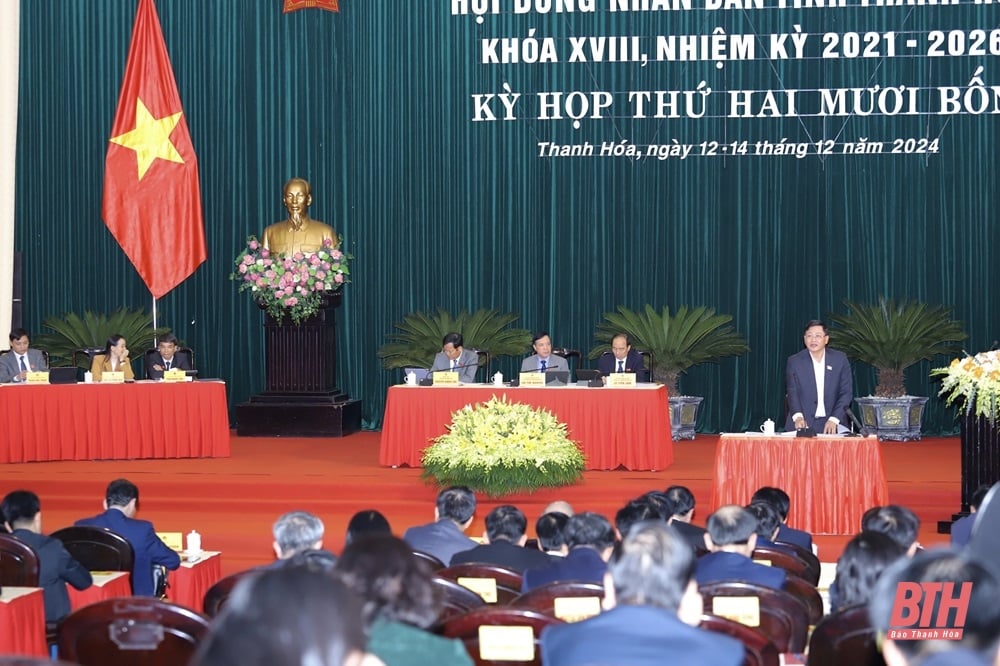
On the afternoon of December 13th, under the chairmanship of comrades Lai The Nguyen, Standing Deputy Secretary of the Provincial Party Committee and Chairman of the Provincial People's Council; Le Tien Lam, Member of the Standing Committee of the Provincial Party Committee and Standing Vice Chairman of the Provincial People's Council; and Nguyen Quang Hai, Provincial Party Committee Member and Vice Chairman of the Provincial People's Council, the 24th session of the 18th term of the Thanh Hoa Provincial People's Council continued its work, conducting questioning and answering sessions.
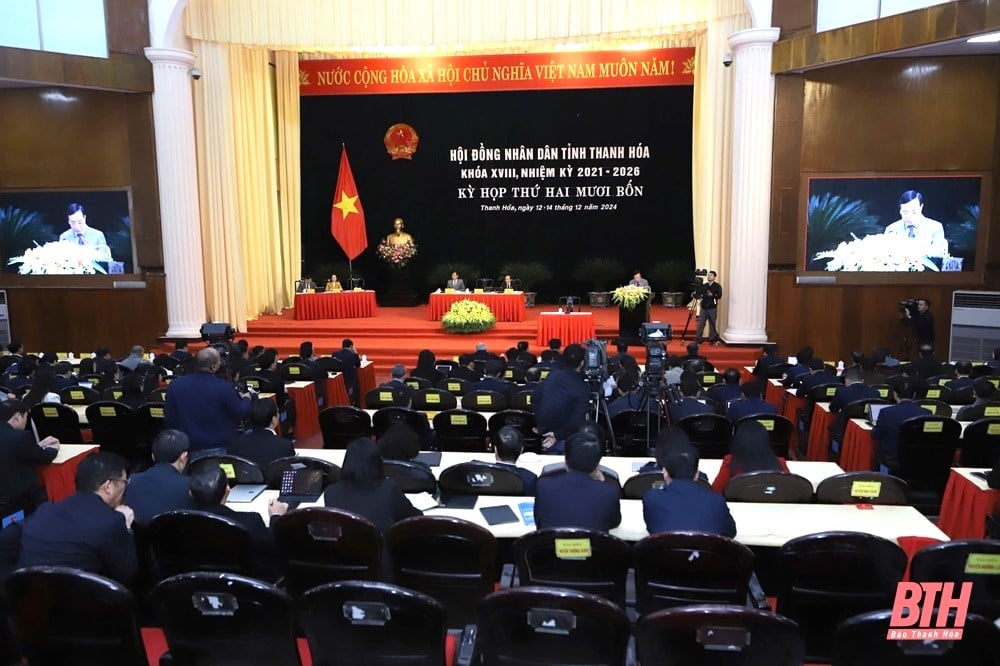
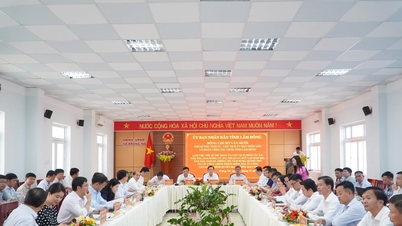
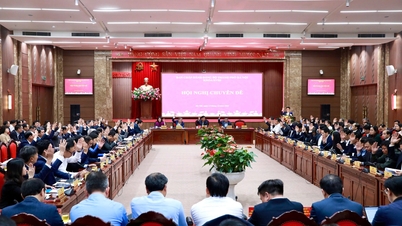
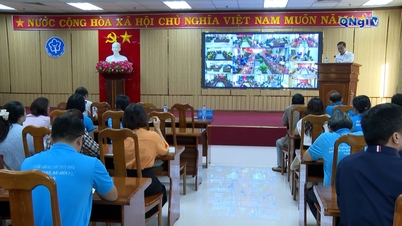
Overview of the session.
Attending the session were: Mr. Do Minh Tuan, Deputy Secretary of the Provincial Party Committee and Chairman of the Provincial People's Committee; members of the Standing Committee of the Provincial Party Committee, the Standing Committee of the Provincial People's Council, the Provincial People's Committee, the Provincial Fatherland Front Committee; the Provincial Delegation of the National Assembly; leaders of provincial departments, agencies, and organizations; districts, towns, and cities; and delegates of the 18th Provincial People's Council.
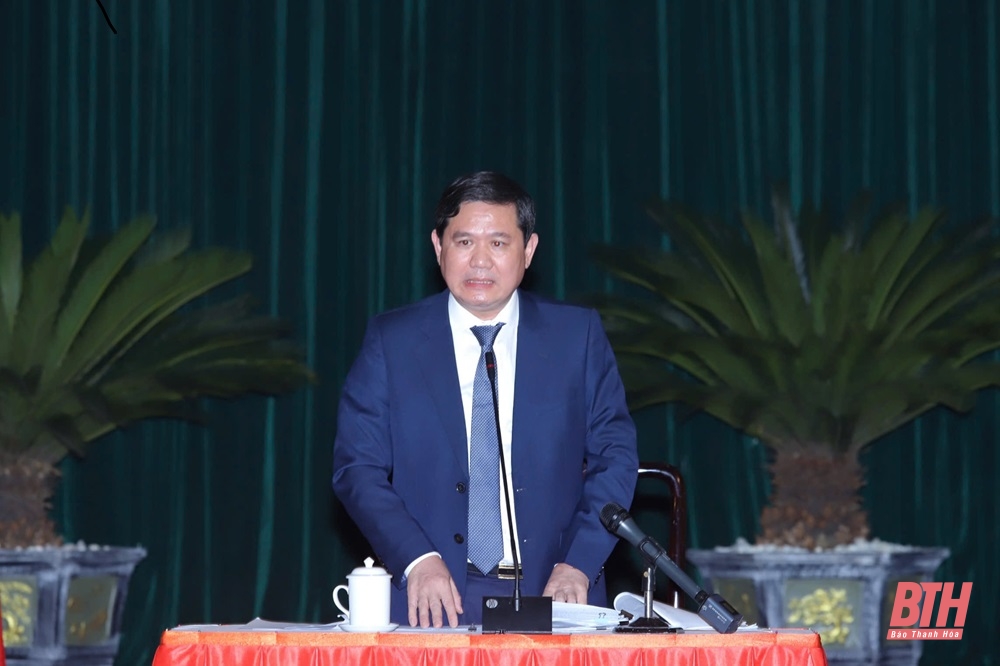
In his opening remarks at the question-and-answer session, Chairman of the Provincial People's Council Lai The Nguyen stated: This afternoon, the Provincial People's Council is dedicating a full session to conducting a question-and-answer session. This session will undoubtedly be closely followed and awaited by a large number of voters and citizens in the province.
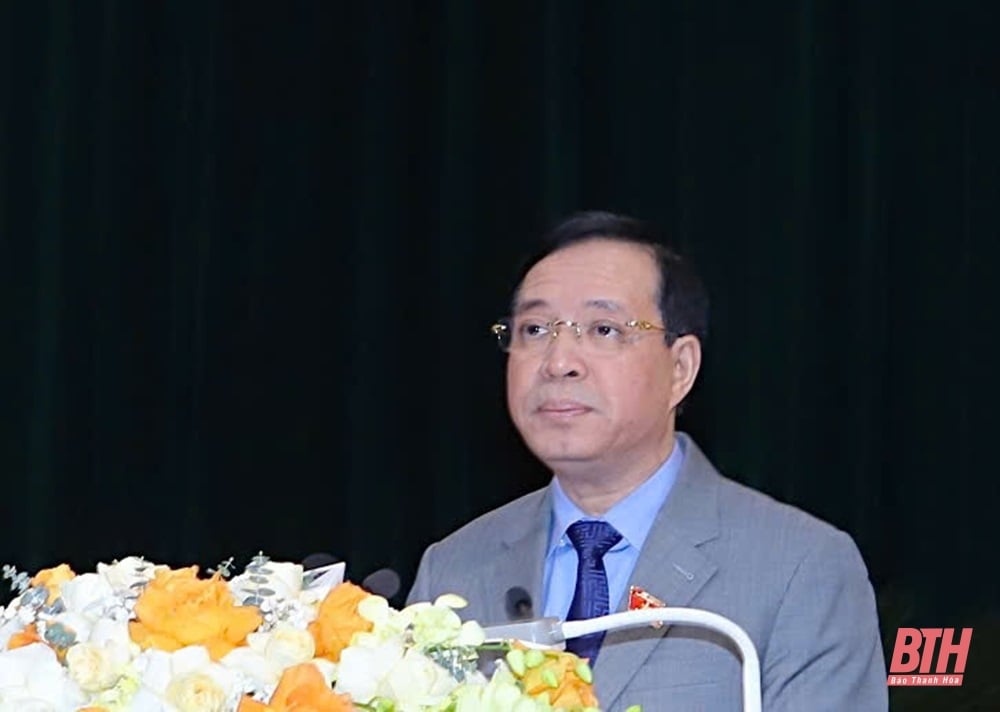
Chairman of the Provincial People's Council Lai The Nguyen delivered the opening remarks at the question and answer session.
Voters expect responsible officials and competent authorities to address difficulties and shortcomings, and to propose solutions to meet the expectations of voters and the people of the province.
The questioning sessions at the meetings continue to be conducted in accordance with the Law on Supervisory Activities of the National Assembly and People's Councils, making questioning an increasingly important part of each session of the Provincial People's Council.
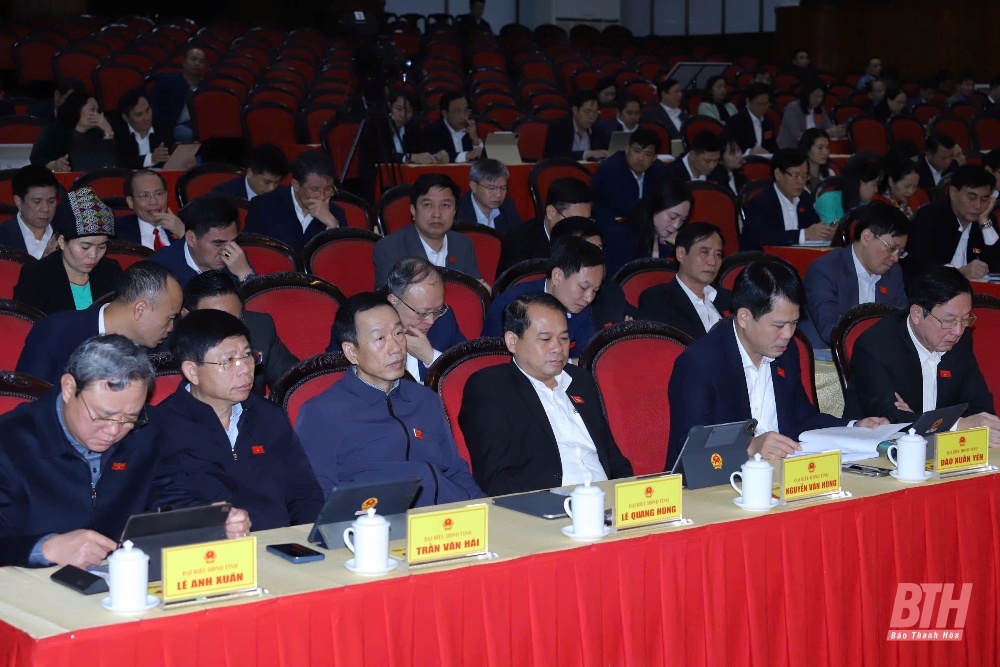
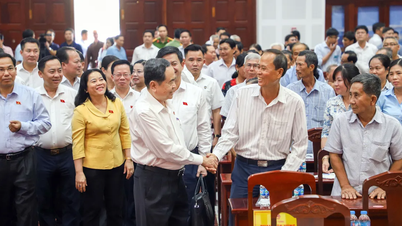
Delegates attending the session.
During the session, in fulfilling its oversight function, the Provincial People's Council will question the Director of the Department of Planning and Investment regarding the progress of several direct investment projects, especially large-scale and key projects of the province that are behind schedule and have not met the set deadlines.
The Director of the Department of Natural Resources and Environment was questioned about the environmental pollution caused by production and livestock farming still occurring in some localities; the overload at many landfills in the province; and the slow progress in implementing projects for the treatment of solid household waste.
The Director of the Department of Information and Communications was questioned about digital transformation, the application of information technology in state management, the development of the digital economy in several sectors and fields; and the fact that the handling of misinformation and fake news on media outlets is still widespread and has not been thoroughly addressed.
To exercise their right to question, the Chairman of the session requested that all delegate groups and individual members of the Provincial People's Council prepare questions to ask regarding the three issues mentioned above.
Questions asked during the interpellation session should focus on prominent and pressing issues, raising common concerns among a large number of voters.
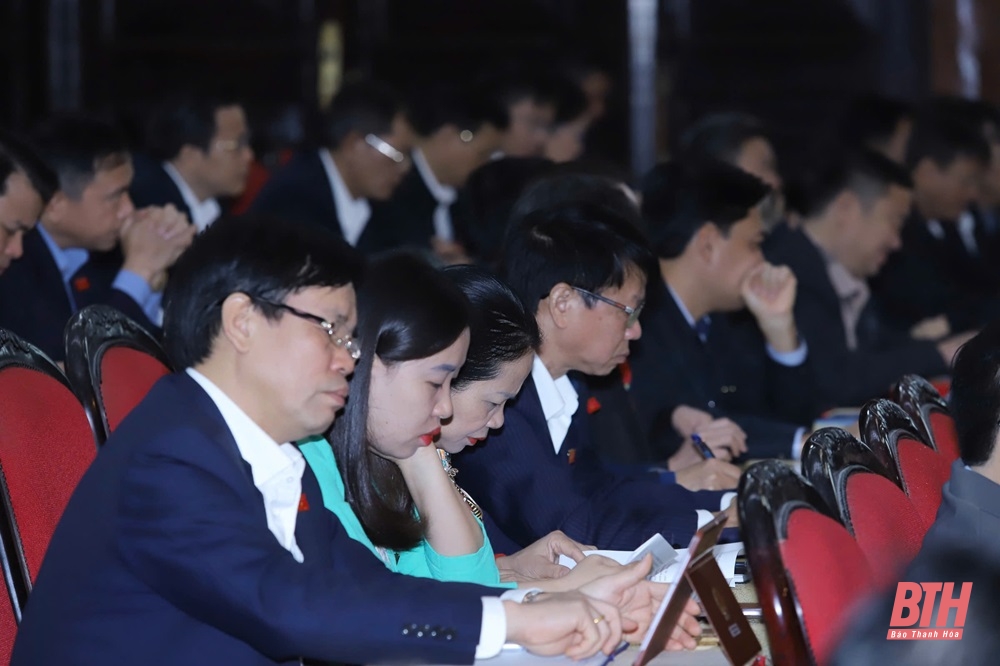
Delegates attending the session.
The chairman of the session also requested that delegates ask concise, clear, and relevant questions. For those answering the questions, it was requested that they fully address all questions raised by the delegates. The answers should also be concise, clear, and avoid lengthy explanations, reporting on achievements, or evading the delegates' questions.
We need to be frank, open-minded, and take responsibility if there are any shortcomings or problems. And importantly, we must propose solutions to address them; commit to a timeframe for rectification, guidance, and resolution.
Depending on the content of the questions and answers on each topic, after the response from the director of the department, the Chairman of the session may invite leaders of relevant sectors, the People's Committees of the districts, and the Vice Chairman of the Provincial People's Committee in charge of the field to speak and further clarify the issues.
Director of the Department of Planning and Investment, Le Minh Nghia, answered questions at the session.
Following the speech by the Chairman of the Provincial People's Council, the Provincial People's Council proceeded to question the Director of the Department of Planning and Investment and the heads of relevant departments.
According to a report by the Director of the Department of Planning and Investment, Le Minh Nghia, there are 23 large-scale, key projects currently being implemented in the province, with a total investment of approximately 74,208 billion VND. Of these, only 7 projects are on schedule.
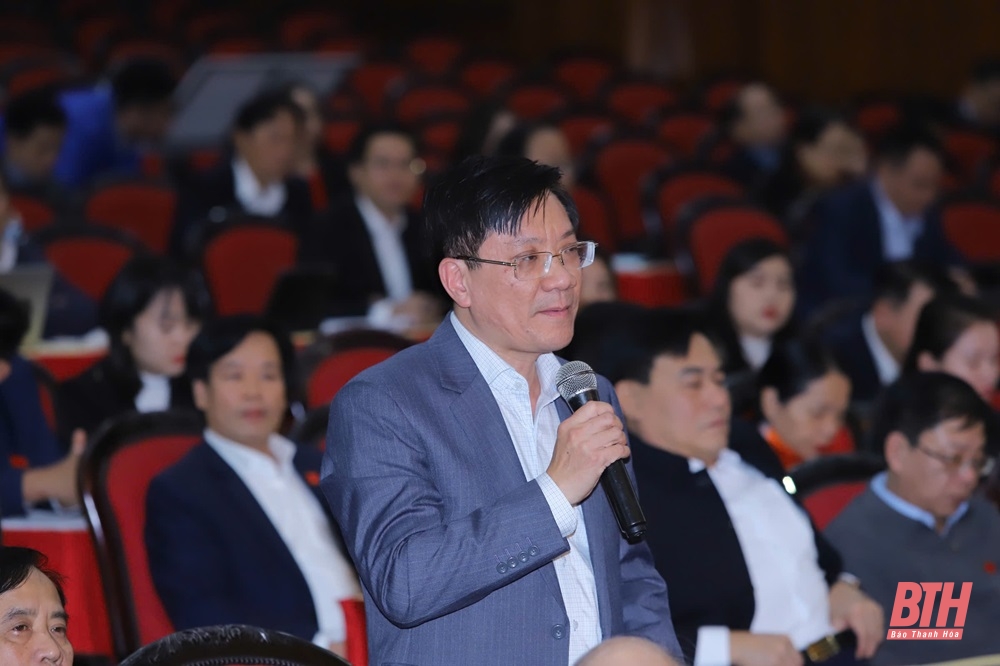
Representatives asked questions during the interpellation session.
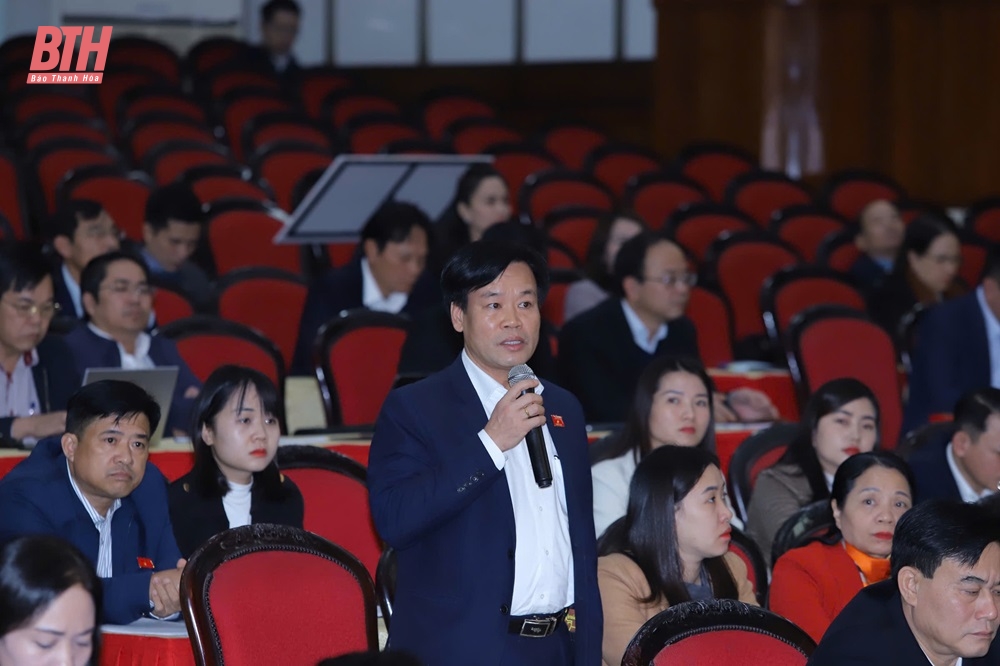
Representatives asked questions during the interpellation session.
Following the delegates' questions, the Director of the Department of Planning and Investment, the heads of relevant departments, and the districts responded to the questions.
Representative Do Ngoc Duy (Nga Son Constituency) asked: Many projects have had their investment policy approvals and investment certificates adjusted; some of these adjustments involve delaying the project implementation time. Some projects have had their investment policy adjusted up to eight times, such as the Line 1 project of the Cong Thanh Cement Plant. He requested that the Department of Planning and Investment explain the reasons for these policy adjustments and suggest solutions to prevent repeated adjustments and extensions that fail to ensure project implementation.
In response to this, the Director of the Department of Planning and Investment stated: The adjustment of investment policies related to project scale, total investment, implementation time, and changes in the investor is clearly regulated by law. Therefore, when investors propose adjustments in accordance with legal regulations, the State management agency will implement them. For cases where investors intentionally prolong the project implementation time, the Department of Planning and Investment will report to the Provincial People's Committee for consideration after monitoring. There are also projects that encounter difficulties in land clearance during implementation, leading investors to adjust and reduce the area and scale of investment.
Regarding the question of whether it is possible to prevent the extension of the project implementation period if the investor still deliberately fails to implement it, the Director of the Department of Planning and Investment stated that the process of advising the Provincial People's Committee on whether or not to approve adjustments to the policy on extending the project implementation period already has regulations and is implemented based on objective reasons. For example, during the years 2020-2021, many investors faced difficulties due to the force majeure event of the COVID-19 pandemic.
Further clarifying the reasons for the multiple extensions of the first production line at Cong Thanh Cement Plant, Mr. Nguyen Tien Hieu, Head of the Management Board of Nghi Son Economic Zone and Industrial Parks, stated: The project was first extended in 2008 and the eighth in 2021. The final extension was due to the Government's approval of the Strategy for the Development of Construction Materials in Vietnam for the period 2021-2030, with a vision to 2050, which required urgent investment in construction material projects with low capacity and unsuitable equipment. However, due to project adjustments in 2021 during the COVID-19 pandemic and the investor's financial difficulties, the project could not be implemented as planned.
Related to this issue, delegate Nguyen Ngoc Tuy (from Nhu Xuan district) asked: Three waste treatment plant projects in the province, including the Dong Nam commune landfill project (Dong Son district); the waste-to-energy plant in Dong Son ward (Bim Son town); and the project in Quang Minh ward (Sam Son city), are all behind schedule. The waste-to-energy plant in Dong Son ward, which began in 2004, has yet to be completed and put into operation. After several changes of ownership, the project restarted this year with a promise to be operational in 2025. Can this commitment be fulfilled? What are the real reasons for the prolonged delays, and what are the truly breakthrough, effective, and feasible solutions to complete and put these plants into operation soon?
Responding to a question from a delegate, the Director of the Department of Planning and Investment stated: In reality, all three projects are behind schedule. The Provincial People's Committee has repeatedly issued directives and assigned relevant departments to inspect and expedite progress. Currently, the Household Waste Treatment Plant project in Dong Nam commune, Dong Son district, has been completed but is not yet ready for operation. During implementation, the projects in this group are behind schedule due to the need to complete many types of documents as required by central ministries and agencies.
"Investigating" the feasibility of allowing projects to be adjusted and extended multiple times, the Standing Vice Chairman of the Provincial People's Council, Le Tien Lam, further questioned: "As the Director of the Department has already answered, the approval of project adjustments and extensions is done within the framework of legal regulations. Many projects have had their policies adjusted and extensions extended multiple times and continuously. However, can the Department of Planning and Investment guarantee that the investor will 'enthusiastically' implement the project as requested during the extensions?"
Responding to questions, Director of the Department of Planning and Investment Le Minh Nghia stated: The extension of project implementation time is based on legal regulations and is only carried out in cases due to objective reasons. From 2021 to the present, the Department of Planning and Investment has also inspected the implementation of investment procedures for 111 projects and advised the Provincial People's Committee to terminate the investment validity of some projects that violated the Investment Law. For projects that have been allocated land and leased land, the Department of Natural Resources and Environment will continue to monitor the investor's implementation process. If the project is delayed in implementation for 24 months according to the provisions of the Land Law, the project will be revoked as prescribed.
Among the major, key investment projects under review, 11 out of 16 projects are experiencing delays due to land clearance issues. Delegates also questioned and clarified the roles and responsibilities of the Department of Planning and Investment and other relevant departments, units, and localities.
Representative Hoang Anh Tuan (Hau Loc constituency) asked: Of the four objective and subjective reasons for project delays identified by the Department of Planning and Investment, land clearance is the primary factor. In particular, difficulties in determining land ownership and delays in constructing resettlement areas are recurring issues in many projects. Therefore, what feasible solutions does the Department of Planning and Investment propose to ensure that land clearance is no longer such a major bottleneck in project implementation?
According to the Director of the Department of Planning and Investment, Le Minh Nghia, land clearance is the responsibility of the districts, towns, and cities. In many projects, localities have not been thorough in their work, prioritizing easier tasks first and leaving more difficult ones for later, resulting in some projects remaining unfinished for 10 years due to incomplete land clearance and prolonged delays. Responding to the delegates' opinions, the Department of Planning and Investment will report to the Provincial People's Committee to direct the districts, towns, and cities to organize land clearance efficiently and thoroughly, preventing investors from using incomplete land clearance as an excuse to delay project completion.
Delegates also questioned many issues related to the responsibilities of various sectors and units. Delegate Dinh Ngoc Thuy (Nong Cong District Delegation) asked: One of the three subjective reasons leading to the project's delay is that some agencies and units acting as focal points for monitoring have not regularly urged progress. The Department of Planning and Investment advised the Provincial People's Committee to assign six units as focal points; which agencies are these? Has the Department of Planning and Investment promptly reported and advised the Provincial People's Committee on this situation to find solutions to overcome this weakness?
In response to this, the Director of the Department of Planning and Investment clarified that each group of projects had been assigned to the relevant units for monitoring by the Provincial People's Committee, including: the Management Board of the Southern Economic Zone and Industrial Parks monitoring 9 projects; the Department of Agriculture and Rural Development monitoring 3 projects; the Department of Culture, Sports and Tourism monitoring 2 projects; and the Department of Natural Resources and Environment monitoring 1 project. However, some units have not fully demonstrated a spirit of coordination, monitoring progress, or reporting and advising on resolving difficulties and obstacles.
During the questioning session, the Director of the Department of Planning and Investment frankly acknowledged the reality of delayed direct investment projects in the province. Although there are many reasons and many tasks related to various sectors and localities, as the investment process for a project involves many implementation stages, from policy approval, land clearance, and state management of land... However, the Department of Planning and Investment frankly accepted responsibility as the coordinating agency advising the Provincial People's Committee on many related procedures. With this responsibility, the Department will advise the Provincial People's Committee on more effective and fundamental solutions to overcome difficulties in investing in large-scale direct investment projects in the future.
Concluding this discussion, Chairman of the Provincial People's Council Lai The Nguyen stated: During the questioning session, the delegates asked very specific, concise, clear questions that closely adhered to the topic of the questioning, went straight to the point, and were constructive and highly responsible; demonstrating the role, responsibility, and supervisory power of the People's Council delegates.
The Director of the Department of Planning and Investment provided relatively clear answers to the delegates' questions regarding the current situation, causes, and responsibilities for the delays in project implementation.
More importantly, this questioning session also reached a consensus on the purpose and significance of removing obstacles for projects and bringing them into operation as soon as possible.
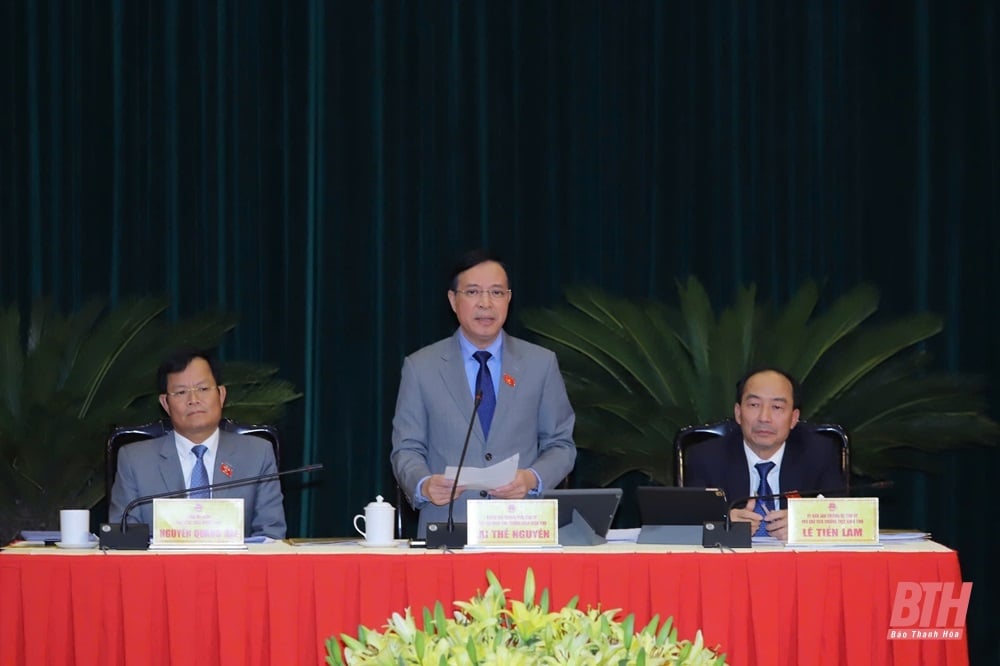
Chairman of the Provincial People's Council Lai The Nguyen delivered the concluding remarks at the questioning session with the Director of the Department of Planning and Investment.
The Chairman of the Provincial People's Council stated clearly: Attracting investment and implementing investment projects is a strategic solution that determines the sustainable development of the province. With decisive administrative reforms, improvements to the investment and business environment, and support for businesses, the province has attracted many large projects, including key national projects. Upon completion and operation, these projects truly act as a catalyst, creating breakthroughs in the province's growth and revenue. This practical experience further reinforces the crucial importance of removing obstacles to project implementation and attracting investment.
The Chairman of the Provincial People's Council pointed out four reasons for the slow progress in project implementation, and requested that in the coming period, the highest level of focus and high-responsibility from all levels of government and sectors be required to thoroughly resolve difficulties and obstacles, creating clear changes in 2025, in order to create conditions for projects to start and be implemented.
The Provincial People's Committee has assigned the Vice Chairmen of the Provincial People's Committee and relevant departments to directly monitor and resolve obstacles for each specific project. At the same time, it is necessary to clearly define the responsibilities of the People's Committees and Chairmen of the People's Committees of the districts in directing the land clearance work for slow-progressing projects, striving to have a basic plan to resolve these issues by 2025.
The Provincial People's Committee requires investors to commit to allocating capital to focus on land compensation. It also requires investors to commit to implementing projects according to schedule. Furthermore, it emphasizes addressing difficulties for investors, with particular attention to investing in infrastructure for industrial zones and clusters.
Director of the Department of Natural Resources and Environment, Le Sy Nghiem, answers questions.
Next, the Provincial People's Council conducted a question-and-answer session with the Director of the Department of Natural Resources and Environment regarding environmental pollution caused by production and livestock farming in some localities; the overloading of many landfills in the province; and the slow progress in implementing projects for the treatment of solid household waste.
Regarding this issue, Director of the Department of Natural Resources and Environment Le Sy Nghiem stated: In the province, there are 671 establishments (595 production facilities and 76 farms) subject to environmental impact assessment reports and environmental permits under the authority of the ministry and provincial levels. Of these, approximately 152 establishments are classified as having a high risk of environmental pollution, accounting for 22.7%; while 318 establishments, accounting for 47.4%, do not fall under the category of high-risk environmental pollution but frequently generate significant dust during operation...
Director of the Department of Natural Resources and Environment, Le Sy Nghiem, answers questions.
Recently, environmental pollution caused by some production and livestock facilities has occurred in several localities, affecting people's lives and causing public concern. Examples include seafood processing facilities in Nghi Son town and Hau Loc district; and some large and small-scale livestock farms in Thuong Xuan, Lang Chanh, Thach Thanh, Hoang Hoa, and Thieu Hoa districts.
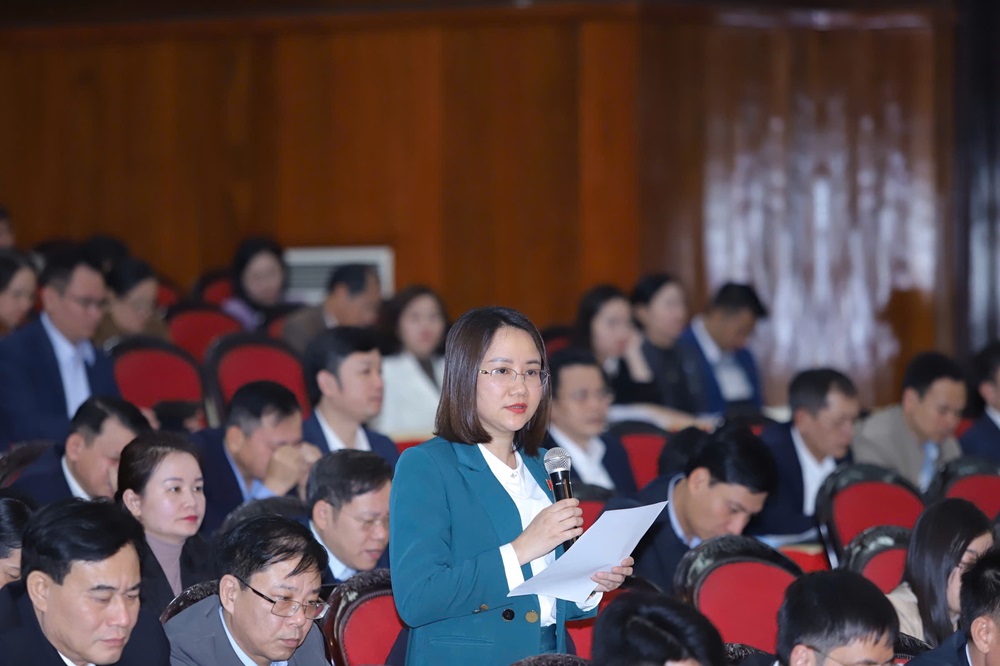
Representatives participate in the questioning session.
In light of the above situation, provincial People's Council delegates raised many questions and requested the Director of the Department of Natural Resources and Environment to clarify the causes, responsibilities, and solutions to address the problem.
In response to a question from delegate Le Thi Huong (Tho Xuan District delegation) regarding the management of paper-making facilities along the Ma River in Quan Hoa, Quan Son, and Ba Thuoc districts, and the inspection and monitoring of these facilities, the head of the Department of Natural Resources and Environment, Le Sy Nghiem, stated: In 2021, the Provincial People's Committee established an inter-agency inspection team to conduct a comprehensive environmental protection inspection of 18 paper-making facilities in Quan Son, Quan Hoa, Ba Thuoc, Lang Chanh districts and Thanh Hoa City. The inspection revealed that all facilities had violated regulations on land, investment in construction, water resources, and environmental protection to varying degrees. These violations were addressed and processed according to regulations. To date, all facilities have invested in wastewater treatment plants; their operations are monitored by relevant agencies and local authorities.
Regarding the question from delegate Cao Tien Doan (Sam Son City delegation) about the causes and fundamental solutions to overcome the overload situation at landfills, the Director of the Department of Natural Resources and Environment stated: In recent times, the daily amount of waste transported to some landfills in the province has been very large, leading to overload, causing environmental pollution, and affecting the surrounding areas. Typical examples include the landfill in Dong Nam commune (Dong Son district); the landfill in Dong Son ward (Bim Son town); and the landfill in Trung Son ward (Sam Son city).
The solution to address this situation is for the Department of Natural Resources and Environment to continue coordinating with the People's Committees of districts, towns, and cities to widely implement regulations on sorting solid waste at source as stipulated in the Law on Environmental Protection. They will also coordinate with other departments to strengthen efforts to urge and require investors of waste treatment plant projects in Dong Nam commune (Dong Son district); Dong Son ward (Bim Son town); and Quang Minh commune (Sam Son city) to urgently complete and put them into operation to close down landfills causing environmental pollution. In the long term, they will advise on investing in large-scale, modern waste treatment plants.
The head of the Department of Natural Resources and Environment, Le Sy Nghiem, also clarified the difficulties, obstacles, and responsibilities of the department and related units regarding the slow implementation of the waste treatment plant project in Dong Nam commune (Dong Son); the waste-to-energy plant in Dong Son ward (Bim Son town); and the household waste treatment plant in Quang Minh commune (Sam Son city).
According to the Director of the Department of Natural Resources and Environment, Le Sy Nghiem, the reasons for the delay are the complex administrative procedures for investment projects and the lengthy project appraisal time. The COVID-19 pandemic in 2020-2022 significantly impacted the progress of projects; obstacles in land clearance were slow to be resolved... In particular, project investors have not fully focused their resources on completing the necessary procedures early to implement the projects.
Responding to questions from delegates Nguyen Quoc Hai (Thieu Hoa District Delegation) and Nguyen Ngoc Tuy (Nhu Xuan District Delegation) regarding solutions to accelerate the progress of municipal solid waste treatment projects, the head of the Department of Natural Resources and Environment emphasized: The Department of Natural Resources and Environment will continue to work alongside investors of municipal solid waste treatment plants to promptly resolve difficulties and accelerate the progress of projects that have received investment approval. At the same time, it will advise the Provincial People's Committee on approving the service price for municipal solid waste treatment after the Ministry of Natural Resources and Environment issues regulations on economic-technical norms and technical procedures for collecting, transporting, and treating municipal solid waste; advise the Provincial People's Committee to continue issuing directives and urging investors to promptly complete and put projects into operation according to schedule and commitments; and revoke projects that have not completed the required legal procedures.
Concluding this discussion, Chairman of the Provincial People's Council Lai The Nguyen stated: The response from the Director of the Department of Natural Resources and Environment clearly shows the reality of environmental pollution caused by some production facilities, livestock farms, and landfills, as well as the slow progress of waste treatment plants under investment in the province.
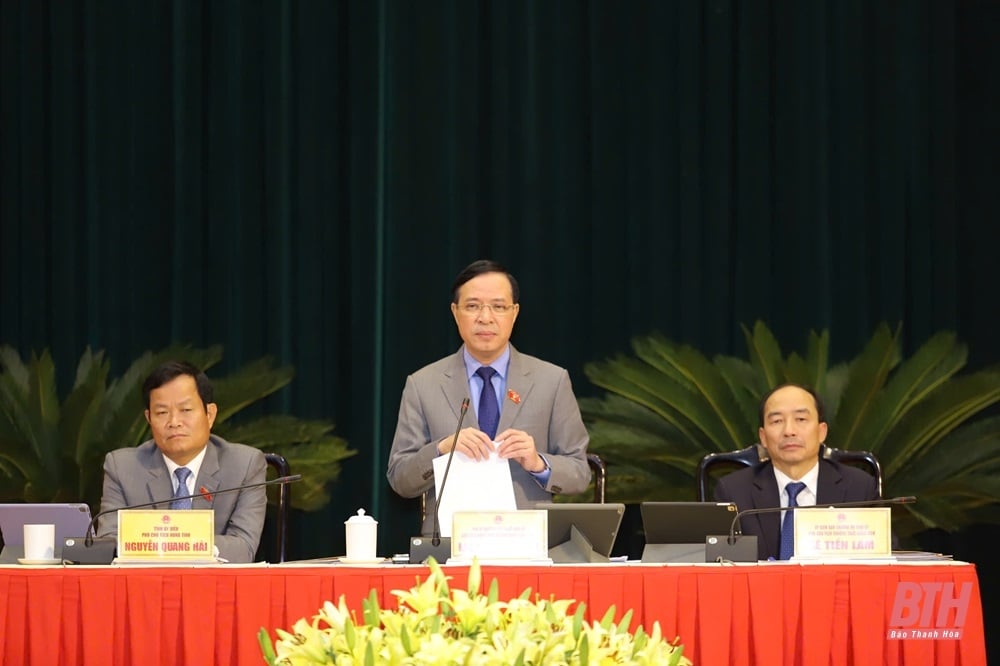
Chairman of the Provincial People's Council Lai The Nguyen delivered the concluding remarks at the questioning session with the Director of the Department of Natural Resources and Environment.
This also demonstrates the decisive leadership of the Provincial People's Committee in addressing environmental issues in general and the specific issues raised during the questioning session. The questioning clarified the responsibilities of relevant agencies, the Department of Natural Resources and Environment, and the People's Committees of the districts in state management within their respective areas.
To effectively address environmental pollution caused by production and livestock facilities, the Chairman of the Provincial People's Council requested that during the process of directing and managing socio-economic development, relevant agencies strictly implement the issued plans, including provincial plans, land use plans, urban plans, and district-level regional plans... as a basis for preventing and minimizing the impact of environmental incidents caused by the placement of production, business, and livestock facilities not in accordance with the plans.
It is necessary to focus on attracting investment and implementing infrastructure development in industrial parks, clusters, and concentrated livestock farming areas at the provincial and district levels to accommodate industrial production facilities, thereby minimizing and mitigating production pollution. At the same time, research and consideration should be given to approving livestock projects only if they meet environmental protection requirements and are linked to livestock product processing.
Strengthen environmental inspection and monitoring at livestock production facilities in accordance with regulations, and resolutely shut down facilities that cause pollution or fail to meet environmental requirements.
To address the environmental pollution caused by the current overload at landfills, the Chairman of the Provincial People's Council suggested focusing leadership and direction on accelerating the investment in waste treatment plants. He also proposed applying advanced treatment technologies at landfills to minimize pollution and its impact on the lives of the local people.
Authorities at all levels, especially Thanh Hoa City and its districts and towns, must focus on disseminating environmental protection laws and mobilizing the public to participate in sorting and processing household solid waste at source with a high level of self-awareness. At the same time, they should request that waste collection units ensure the necessary conditions for collecting sorted waste.
The Provincial People's Committee needs to promptly direct the implementation of procedures to select an investor for the solid waste treatment plant in Xuan Phu commune, Tho Xuan district, in accordance with the plan.
Vice Chairman of the Provincial People's Committee Mai Xuan Liem reported on the content of the questions raised.
Next, the Provincial People's Council conducted a question-and-answer session with Comrade Mai Xuan Liem, Member of the Standing Committee of the Provincial Party Committee and Vice Chairman of the Provincial People's Committee, regarding digital transformation, the application of information technology in state management, the development of the digital economy in several sectors and fields; and the fact that the handling of misinformation and fake news on media outlets is still widespread and has not been thoroughly addressed.
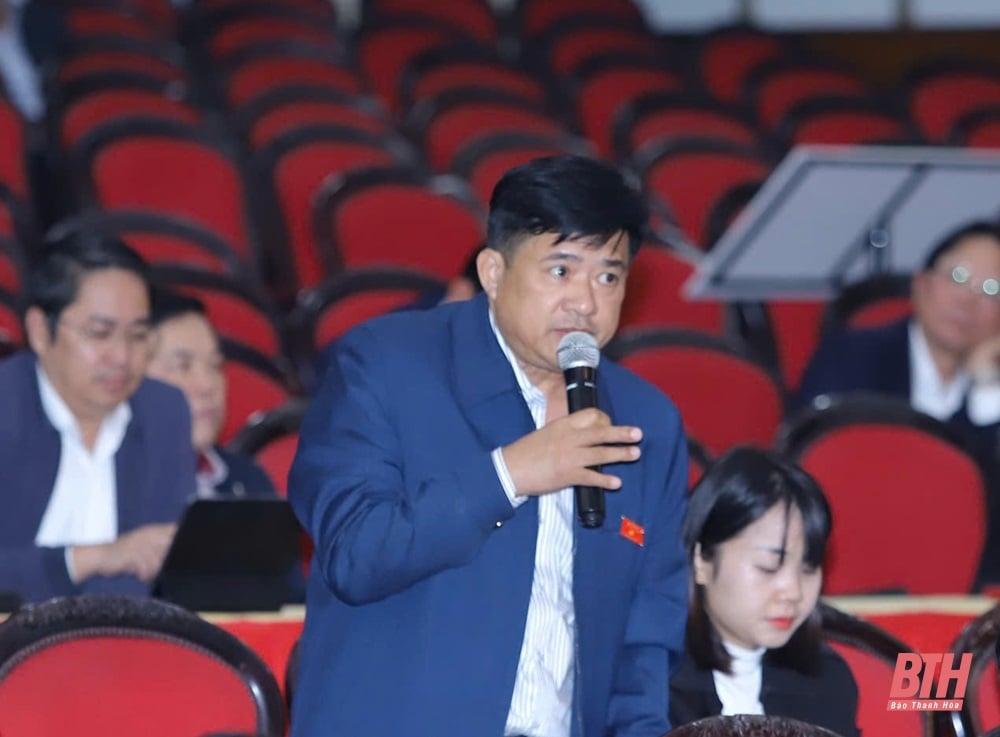
Representatives participate in the questioning session.
Following the delegates' questions, the Vice Chairman of the Provincial People's Committee responded, clarifying and explaining the issues raised by the delegates.
Concluding this discussion, Chairman of the Provincial People's Council Lai The Nguyen stated: The Vice Chairman of the Provincial People's Committee responded to the questions with a very high sense of responsibility and clarity. The Provincial People's Council hopes that, in his capacity and within his assigned authority, the Vice Chairman of the Provincial People's Committee will direct relevant departments and agencies to effectively implement the digital transformation task in the province. Initially, the focus must be on directing the implementation of truly high-quality digital transformation in state agencies and state-owned enterprises, so that digital government can lead the digital economy and society.
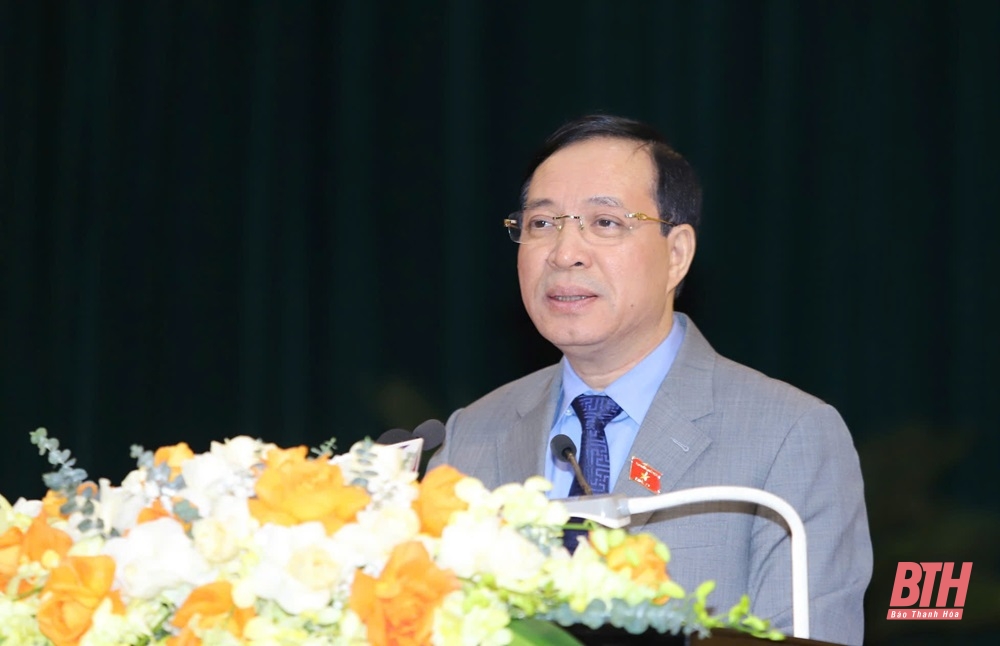
Chairman of the Provincial People's Council Lai The Nguyen delivered the concluding remarks at the questioning session.
The Chairman of the Provincial People's Council suggested that the resolutions of the Central Government and the Government, the directives of the Prime Minister on digital transformation, and especially Resolution No. 06 of the Provincial Party Committee on digital transformation, should be implemented decisively to create a clear change in the awareness and actions of officials, Party members, and the people in digital transformation and to recognize the great benefits that the digital transformation process brings.
Continue to prioritize investment and upgrading of information infrastructure, including computers, server networks, software, and storage systems large enough to meet the requirements of digital transformation. Simultaneously, focus on training and updating knowledge on information technology skills and operational skills in a digital environment; the requirement to use technology for daily work is crucial. Promote digital transformation in production and business activities so that all economic activities are based on digital technology, especially electronic transactions via the internet.
Regarding the fight against harmful and malicious information, the Chairman of the Provincial People's Council requested that the provincial functional departments and the Provincial Steering Committee 35 closely coordinate with relevant departments and levels to continue promoting the positive impact of social media platforms, while proactively engaging in communication activities, disseminating information about important events of the Party and State, cultural and social events, and exemplary individuals inside and outside the province to inspire the community and society in cyberspace.
Continue to enhance the use of software to scan and detect harmful and misleading information early, and strictly control information, limiting users from sharing and spreading negative information that affects political security and social order in the province.
Authorities regularly monitor and promptly address fake news and malicious content on the internet to prevent negative comments and images from appearing online, as has happened in the past.
Quoc Huong - Minh Hieu
Source: https://baothanhhoa.vn/the-hien-ro-vai-tro-trach-nhiem-va-quyen-giam-sat-cua-dai-bieu-hdnd-233352.htm




![[Photo] Prime Minister Pham Minh Chinh attends the Conference summarizing and implementing tasks of the judicial sector.](/_next/image?url=https%3A%2F%2Fvphoto.vietnam.vn%2Fthumb%2F1200x675%2Fvietnam%2Fresource%2FIMAGE%2F2025%2F12%2F13%2F1765616082148_dsc-5565-jpg.webp&w=3840&q=75)




































































Comment (0)