

In 2024, one of Vietnam's key industries overcame many obstacles, achieving record exports of $16.3 billion. This industry is now accelerating its efforts to tap into its 40 million-ton "gold mine."
Article 1: The spectacular breakthrough of the 'king of fruits', Vietnamese vegetables and fruits rapidly reach record highs.
Article 2: Vietnamese coffee becomes a 'money-making ATM' raking in billions, the most expensive in the world.
Article 3: Quietly becoming the world's number one supplier, the cashew industry rakes in a record $4.34 billion.
Article 4: With the world's largest warehouse, Vietnam's 'black gold' is soaring in price, entering its golden age.
Article 5: Bringing home $5.7 billion and the song 'Rock Rice Grain'
Editor's Note: 2024 was a banner year for Vietnam's agricultural sector. Many traditional industries regained their position, generating record-breaking foreign exchange earnings. Farmers in many areas experienced a significant transformation in their lives as a result. In addition, new sectors also presented bright prospects for accelerated growth.
Join VietNamNet in looking back at the bright picture of Vietnam's agricultural sector last year, with confidence in a breakthrough year in 2025, through the series of articles 'The Road to Records for Vietnamese Agricultural Products'.
Exports lead the agricultural sector.
According to statistics, Vietnamese wood and wood products were present in over 160 countries and territories in 2024, with the five largest markets – the US, Japan, China, South Korea, and the EU – accounting for more than 90% of the industry's total export value.
Notably, over the past year, this strength of our country has overcome many obstacles related to traceability, illegal timber, anti-dumping investigations, and even Super Typhoon Yagi (Typhoon No. 3)... bringing in $16.3 billion. Compared to 2023, export turnover increased by 20.9%, setting a historical record.
That figure also helped the wood industry maintain its number one position in the agricultural sector, and rank among the top 8 commodities with the largest export value in the country.
Vietnam has also risen to 5th place in the world in terms of total wood export value and 2nd place globally (after China) in the group of high value-added wood products (indoor and outdoor furniture).
According to the Vietnam Forestry Department (Ministry of Agriculture and Rural Development), in over 24 years of participating in wood product exports, this strength of Vietnam has grown continuously, constantly breaking records. Vietnam's wood product export turnover increased from 219 million USD in 2000 to 16 billion USD in 2022.
In 2023, exports of this product group plummeted to $13.5 billion due to the impact of the post-Covid-19 pandemic, but rebounded in 2024 and reached an all-time high. This represents the leading growth rate in the agricultural sector.
Notably, the trade surplus in wood and wood products is sky-high. In 2010, the surplus was only 2.5 billion USD, but by 2015 it had increased to 5 billion USD, and in 2020 it reached 10.6 billion USD. By 2024, the surplus is expected to reach 13.55 billion USD, accounting for nearly 75.7% of the total agricultural trade surplus.
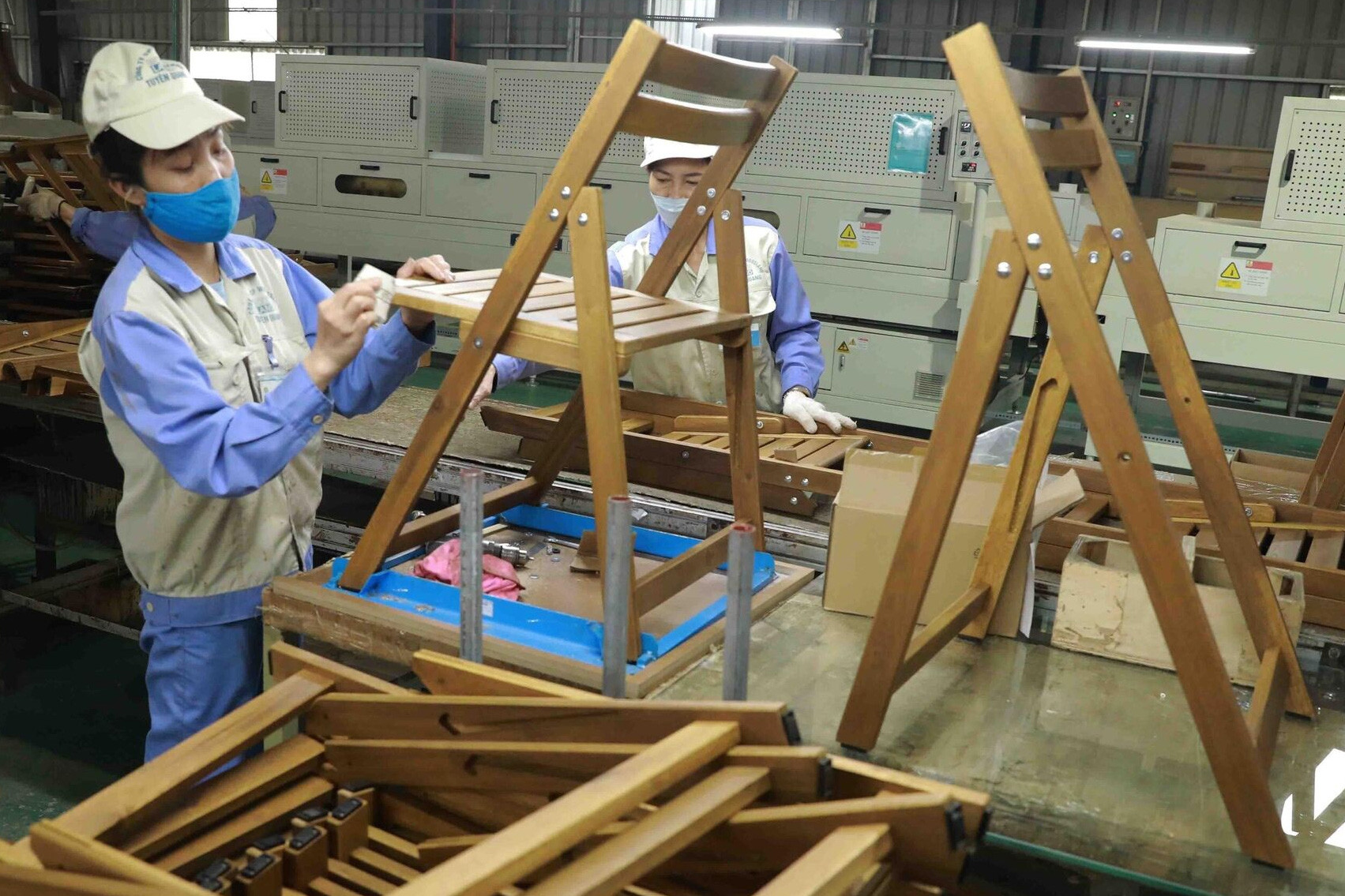
Experts believe that this achievement is due to the formation of a production chain. Instead of exporting raw materials like most agricultural products, the Vietnamese wood industry has processed raw materials and then mainly exported finished products.
Specifically, in the structure of wood and wood product exports last year, furniture accounted for 61%; wood chips 17%; wood, boards and wood flooring 13%; wood pellets 5%, and other products 4%.
Moreover, there has been a reversal in the relationship between imported and domestically sourced timber for processing. Most Vietnamese consumer wood products are made from plantation timber, limiting imported wood and strictly prohibiting the exploitation of natural forests.
In recent years, imports of raw timber have remained almost stagnant or increased only slightly. Instead, Vietnam uses 75-80% of its raw timber from planted forests. In particular, timber harvested from forests certified under sustainable forest management practices has tended to increase, meeting the regulations of export markets and driving sustainable development in forestry.
In addition to its export achievements, at the end of 2023, forestry was also the first sector in agriculture to successfully sell 10.3 million carbon credits (10.3 million tons of CO2) from forests, generating approximately 1,250 billion VND.
Accelerate the exploitation of the 40 million-ton 'gold reserve'.
The sustainable and efficient wood processing industry development plan for the period 2021-2030 sets a target of achieving $25 billion in wood and forest product exports by 2030, with wood and wood product exports alone exceeding $20.4 billion.
Recently, the Ministry of Agriculture and Rural Development set a target for wood and wood product exports in 2025 to reach 17.5-18 billion USD, as the market still has much room for growth, especially in key export markets showing many signs of recovery.
According to Mr. Tran Quang Bao, Director of the Forestry Department, the "green" factor will be one of the major impacts on Vietnam's wood export trends and will be key to a sustainable wood export industry in the long term.
In recent years, the forestry sector has been moving towards planting large timber forests, sustainably managed forests, and certified forests (FSC or PEFC).
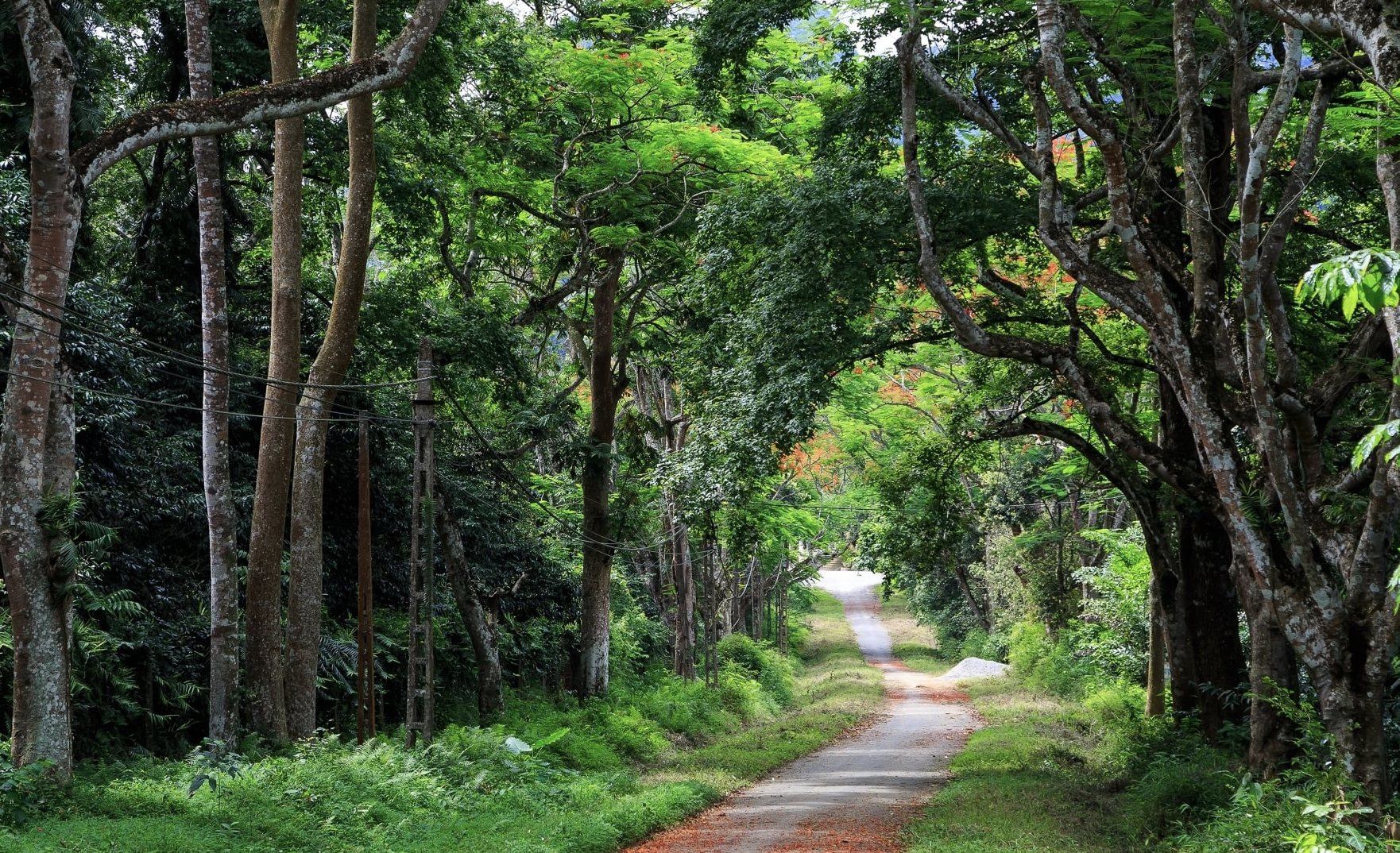
In addition, the Forestry Department has coordinated with relevant units to pilot the issuance of forest planting area codes in several northern provinces, with a view to expanding it nationwide.
The mission of this code is to develop a legal timber supply chain, ensure timber traceability in accordance with international requirements, and develop a measurement, reporting, and appraisal (MRV) methodology to determine the carbon sequestration and storage capacity of plantation forests.
The higher the standards for Vietnam's planted forests, the easier it is for timber and wood products to penetrate demanding markets, Mr. Tran Quang Bao emphasized.
Minister of Agriculture and Rural Development Le Minh Hoan recently directed localities and the forestry sector to create favorable conditions for organizations and individuals to invest in planting production forests and processing forest products, developing ecotourism; processing and exporting forest products to meet international standards; and at the same time, promote the implementation of carbon sequestration and storage services and develop the forest carbon credit market.
The global carbon credit market is booming, becoming one of the most active trading sectors. Previously, forest carbon credits in our country were transferred to the World Bank at a price of 5 USD per credit.
According to the Forestry Department, prior to 2010, this sector was still emitting. However, from 2010 to the present, the reduction in emissions has been very impressive, approximately 40 million tons of CO2 per year.
Each year, if we can increase carbon sequestration from forests, we can improve the productivity and quality of degraded and planted forests, thereby generating 60-70 million tons of CO2 credits per year.
Accordingly, forest management, protection, and development are considered a crucial task. Vietnam's forests are not only places for preserving biodiversity but also contain a "treasure trove" of carbon absorbed by forest trees, hidden deep within their foliage.
This is not only a sustainable source of funding for forest management, protection, and development, but also contributes to the successful fulfillment of Vietnam's commitment to the international community, aiming for Net Zero by 2050.
Final article: Solving the 'ceiling problem' will increase the value of Vietnamese agricultural products tenfold.
Source: https://vietnamnet.vn/nganh-go-viet-thu-16-3-ty-usd-khai-thac-kho-vang-40-trieu-tan-2365943.html






























































































Comment (0)