Time on Mars runs 477 microseconds faster per day than on Earth
Although small, this time difference could have major implications for communication and navigation in future colonies on Mars.
Báo Khoa học và Đời sống•06/12/2025
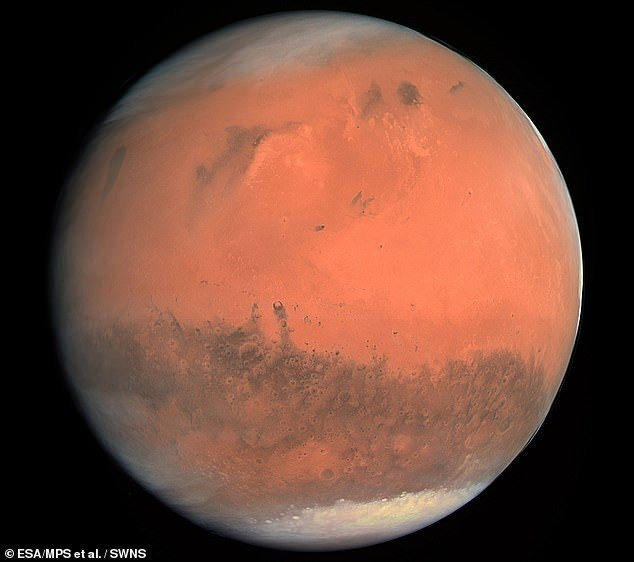
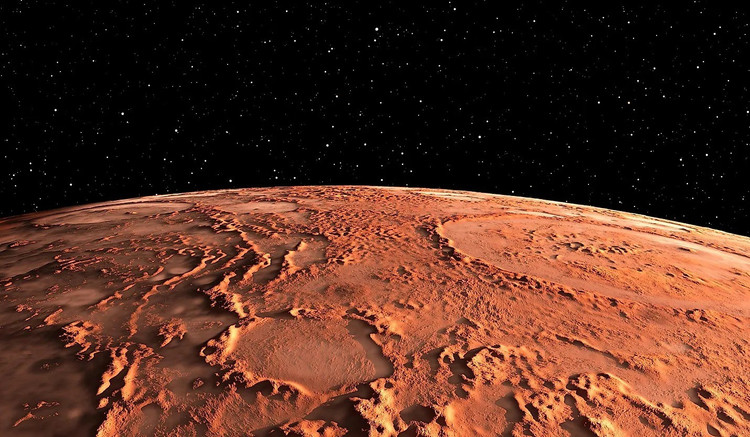
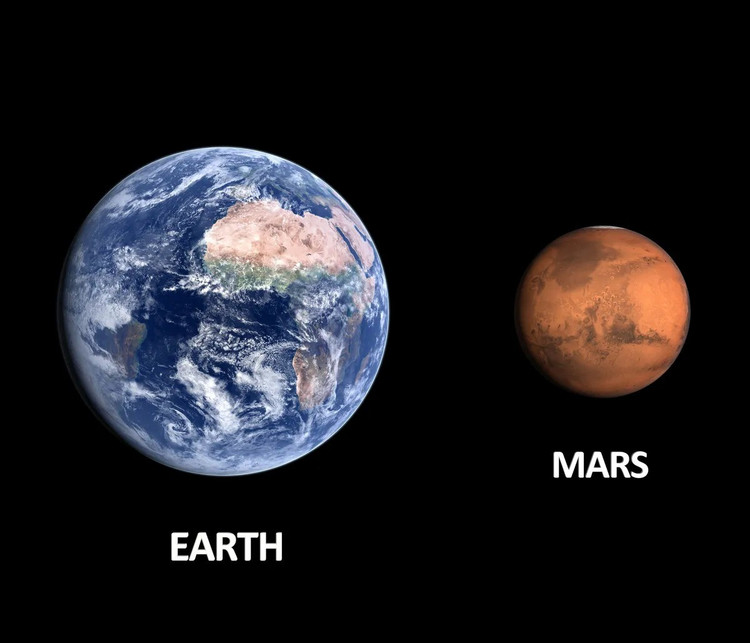
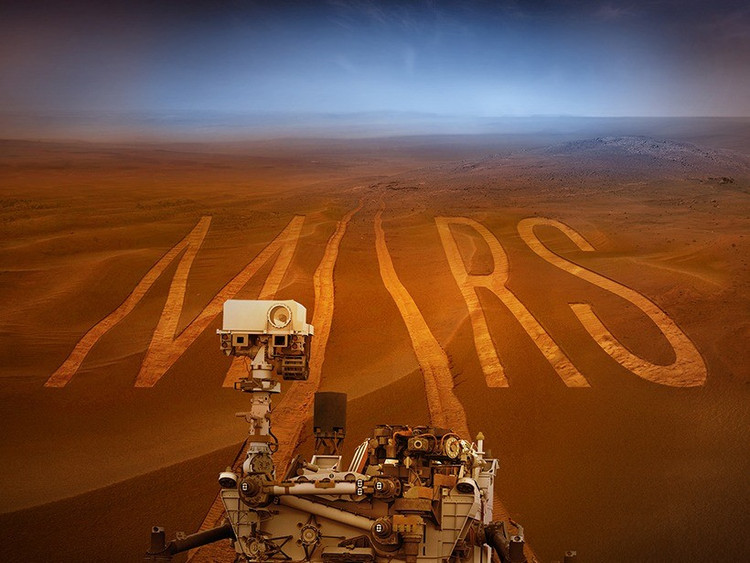
Every day, clocks on Mars run 477 microseconds faster than those on Earth. While 477 microseconds may seem small, it adds up to big changes over the long term, with the red planet moving 1.7 seconds faster than Earth every decade, according to physicists from the US National Institute of Standards and Technology (NIST). Image: ESA/MPS et al./SWNS. This is a consequence of Einstein's law of general relativity, which states that time does not move at the same speed everywhere in the universe. Photo: Shutterstock.
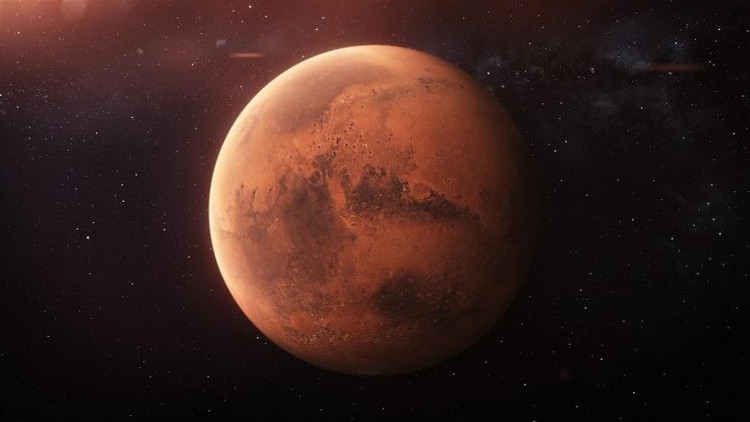
Time passes more slowly in places with strong gravity and more quickly in places with weak gravity. Image: NASA–JPL/GSFC. On Mars, where gravity is five times weaker than Earth's, this helps explain why astronauts often look a little older than their peers on the blue planet. Photo: jenoptik.com. Although the time difference between Earth and Mars is very small, it could affect the communication and navigation systems of future Mars colonies. Photo: worldatlas.
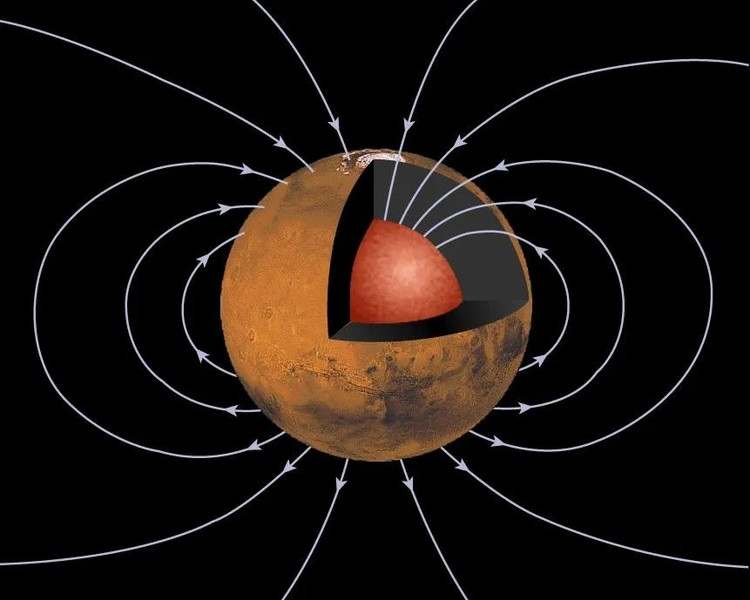
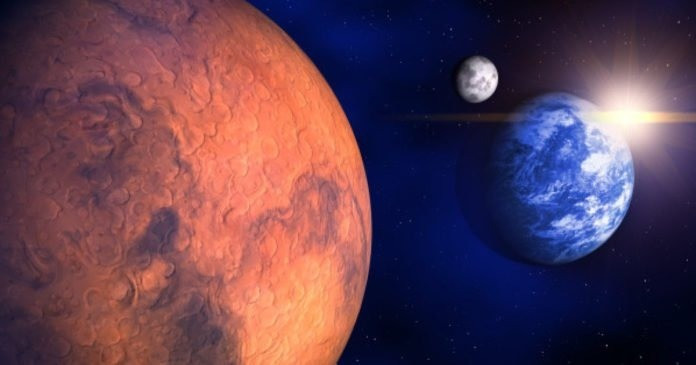
“Like current global positioning systems such as GPS, these systems will depend on precise clocks,” said co-author Dr. Bijunath Patla, a physicist at NIST. Photo: Tristan3D/Shutterstock.com. Scientists know how Mars' gravity affects the planet's surface, but figuring out how it affects time is not easy. Photo: Orla/Shutterstock. According to experts, Mars is strongly influenced by the gravitational pull of other planets in the Solar System. Photo: kratosspace.com.
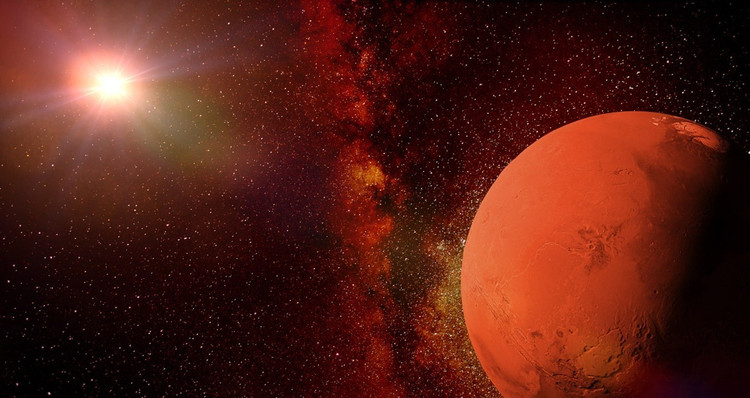
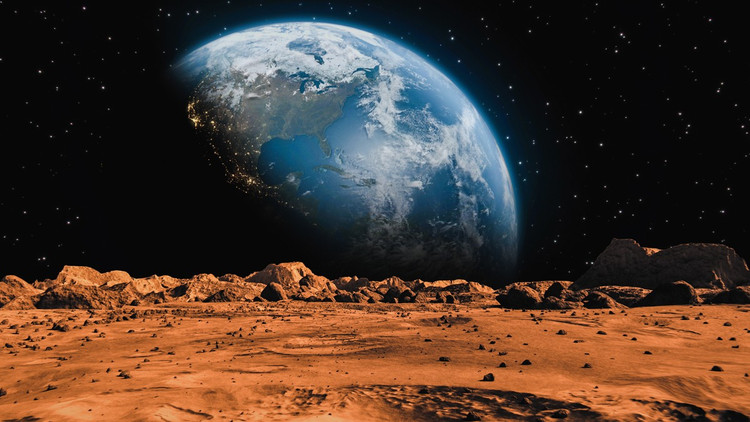
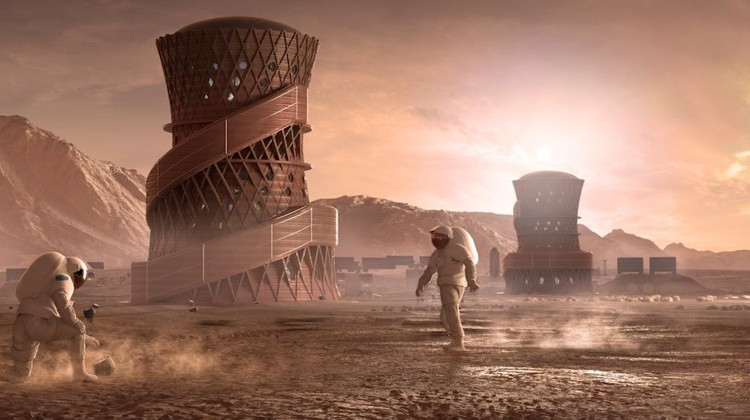
In the future, when humans build the first colonies on Mars, the time difference with Earth may become an urgent problem. Photo: nbcnews.com. Because if we want to establish compatible communication and navigation systems between Earth and Mars, it is important that we unify the time. Therefore, researchers believe that Mars needs a completely new time zone. Photo: NASA.
Readers are invited to watch the video : Universe map with more than 900,000 stars, galaxies and black holes. Source: THĐT1.

 Báo Khoa học và Đời sống•06/12/2025













![[Photo] 60th Anniversary of the Founding of the Vietnam Association of Photographic Artists](/_next/image?url=https%3A%2F%2Fvphoto.vietnam.vn%2Fthumb%2F1200x675%2Fvietnam%2Fresource%2FIMAGE%2F2025%2F12%2F05%2F1764935864512_a1-bnd-0841-9740-jpg.webp&w=3840&q=75)


![[Photo] National Assembly Chairman Tran Thanh Man attends the VinFuture 2025 Award Ceremony](/_next/image?url=https%3A%2F%2Fvphoto.vietnam.vn%2Fthumb%2F1200x675%2Fvietnam%2Fresource%2FIMAGE%2F2025%2F12%2F05%2F1764951162416_2628509768338816493-6995-jpg.webp&w=3840&q=75)














































































Comment (0)