

Multimedia key press agency
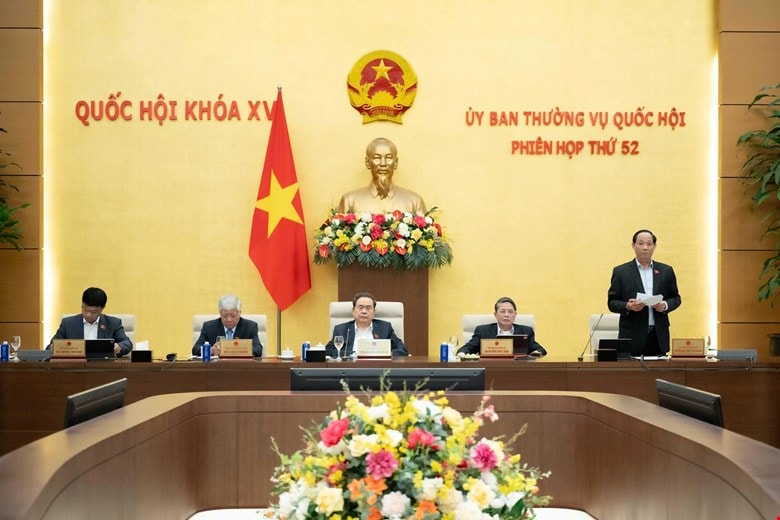
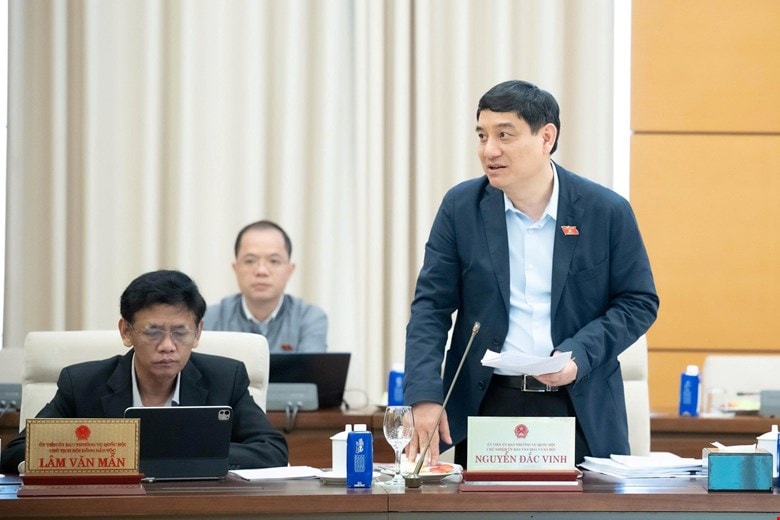
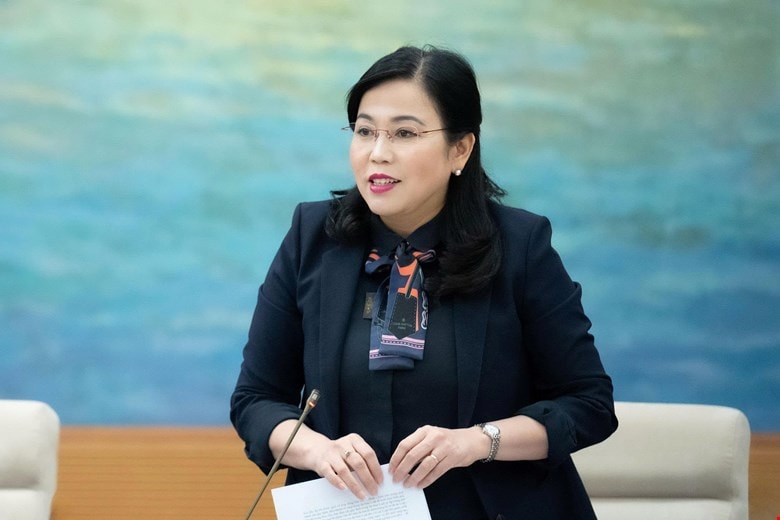
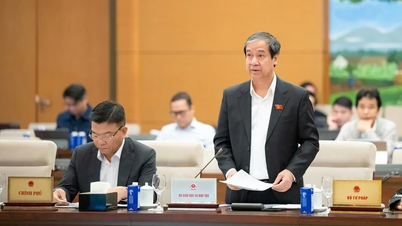
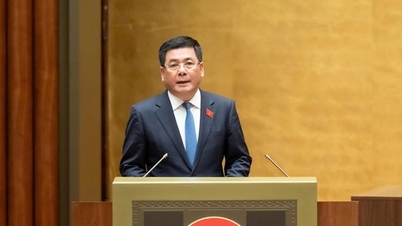
At the meeting, Chairman of the National Assembly's Committee on Culture and Society Nguyen Dac Vinh presented a report on receiving, explaining and revising the draft Law on Press (amended) .
Specifically, regarding the press agency (Article 15), Mr. Nguyen Dac Vinh said that there were opinions suggesting changing the term “key multimedia media agency” to “key press agency”, or proposing to change the name to “key multimedia press and media agency”. In response to the opinions of delegates, the Standing Committee of the Committee and the drafting agency agreed to adjust the phrase “key multimedia media agency” to “key multimedia press agency” to be consistent and ensure accuracy.
Some opinions suggest piloting the model of a multi-media press group or consortium in Hanoi and Ho Chi Minh City. The Standing Committee of the Committee would like to accept and report as follows: Currently, the Government has directed the Ministry of Culture, Sports and Tourism to summarize the Press Development and Management Plan, and plans to propose competent authorities to continue implementing some of the Plan's viewpoints and add new viewpoints, including the content that Hanoi and Ho Chi Minh City are allowed to establish a multi-media press agency.
Based on the direction and approval of competent authorities, the Ministry of Culture, Sports and Tourism will specify these contents in the Strategy for development and management of the press system, ensuring feasibility, consistency and conformity with the national press development orientation.
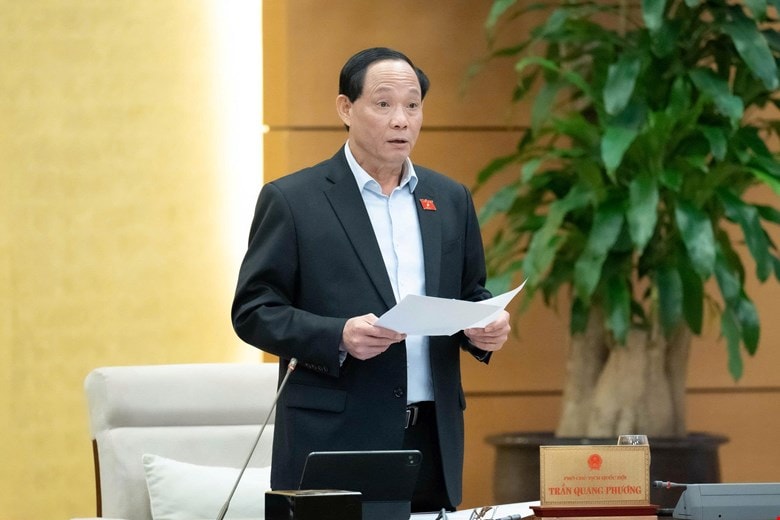
Regarding types of press (clauses 1, 3, 4, 5, 6, Article 2), some opinions suggest maintaining the press classification as in the current law and carefully studying the classification of "press" into types of "print press", "spoken press", "visual press", "electronic press".
Some opinions suggest reviewing the naming of types in a scientific manner, in accordance with international practices, convenient for management and application of laws, such as: print newspapers, radio, television, electronic newspapers; at the same time, it is necessary to make provisions for new types of press that may appear in the future due to technological developments.
In response to the delegates' opinions, the Standing Committee of the Committee and the drafting agency have revised the name of the type "spoken press, visual press" to "radio, television". In addition, keeping the name of the type "print press" and "electronic press" as in the draft Law is necessary to clearly distinguish between newspapers and magazines, overcoming the shortcomings of the 2016 Press Law. In essence, these forms still belong to the 4 types: Print press, electronic press, radio, television which have been adjusted by the draft Law.
Regarding prohibited acts (Article 8), some opinions suggested adding prohibited acts related to cyberspace, artificial intelligence (AI) and new types of technology, especially acts of distorting history, violating national interests, personal interests, fake news and acts causing disunity.
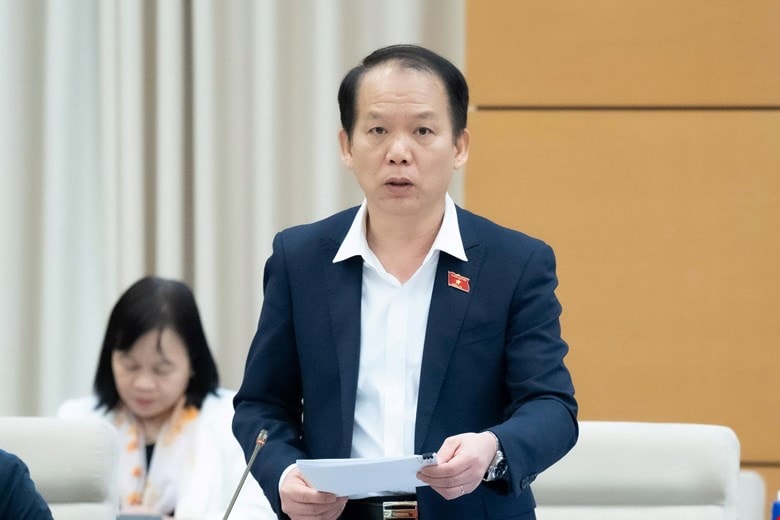
In response to delegates' opinions, the Standing Committee of the Committee and the drafting agency reviewed the provisions in Article 8 of the draft Law on prohibited acts in press activities, including prohibited acts in press activities in cyberspace.
In addition, press activities in cyberspace have also been specifically regulated in Articles 29 and 30 of the draft Law. Acts of posting information in cyberspace that are not press activities will fall under the scope of regulation of the Law on Cyber Security, Decree No. 147/2024/ND-CP dated November 9, 2024 of the Government on management, provision and use of internet services and information on the network.
Some delegates suggested adding Clause 2 to regulate the prohibition of posting and broadcasting AI-generated content with the purpose of forging, distorting, defaming or infringing on the privacy of organizations and individuals.
The Standing Committee of the Committee accepted and informed that Article 8 of the draft Law stipulates prohibited acts in the posting and broadcasting of information. Accordingly, the subjects bearing legal responsibility are the press agency, the head of the press agency and the author of the press work. AI is a support tool for the creation of press works, used by humans.
Therefore, the Law only regulates the subjects which are press agencies, heads of press agencies and authors of press works. However, taking into account the opinions of delegates, the Standing Committee of the Committee and the drafting agency have revised Article 39 of the draft Law in the direction of adding regulations that press agencies and authors of press works using artificial intelligence to support press activities must comply with regulations on intellectual property, artificial intelligence and professional ethics to ensure transparency.
Creating a legal basis for press agencies to diversify revenue sources
Regarding the types of activities and revenue sources of press agencies (Article 20), some opinions suggested clarifying the concepts of "career unit", "public service unit", "public service unit" when applied to press agencies.
The Standing Committee of the Committee said that press agencies under Party, State agencies, and socio-political organizations are identified as public service units according to the provisions of Article 9 of the Law on Civil Servants. Press agencies under social organizations and socio-professional organizations are public service units, which are subject to the financial autonomy mechanism according to the provisions of Article 39 of Decree No. 60/2021/ND-CP dated June 21, 2025 and Decree No. 111/2025/ND-CP, implemented on the principle of self-insurance of operating expenses, not using the state budget.
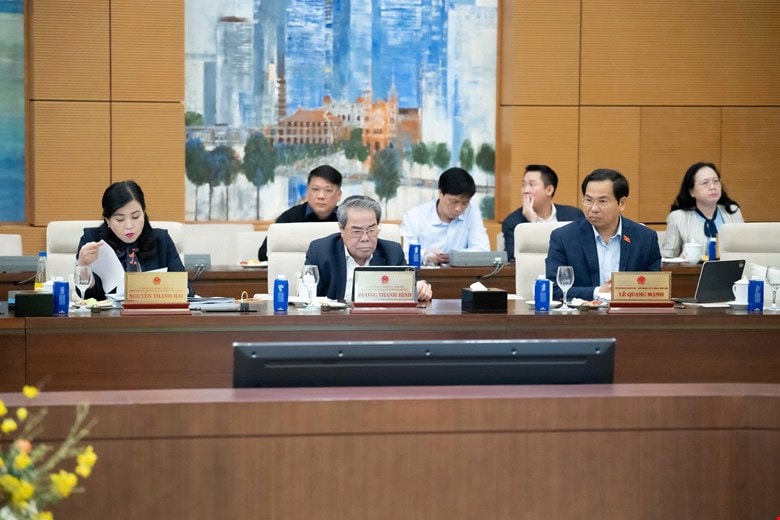
There is a proposal to retain the phrase “other legal sources of income” to create a legal basis for press agencies to diversify their sources of income. In response to the opinions of delegates, the Standing Committee of the Committee and the drafting agency have revised Point g, Clause 2, Article 20 of the draft Law as follows: Revenue from legal sponsorship and aid from domestic and foreign organizations and individuals and other legal sources of income (if any).
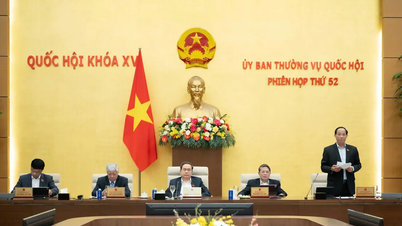
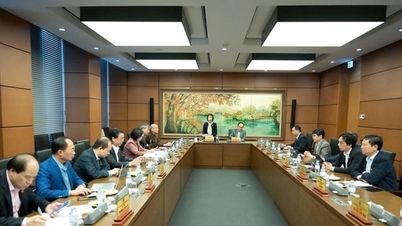
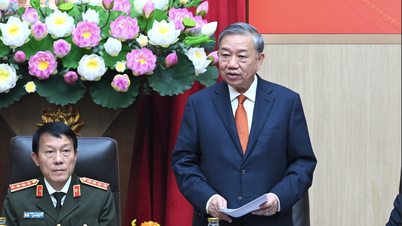
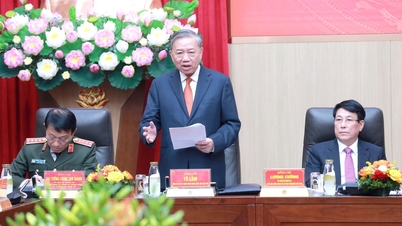
Speaking at the meeting, National Assembly Chairman Tran Thanh Man acknowledged and highly appreciated the drafting agency and the verification agency for absorbing and editing many comments from the Standing Committee at the previous meeting and from National Assembly deputies in the hall.
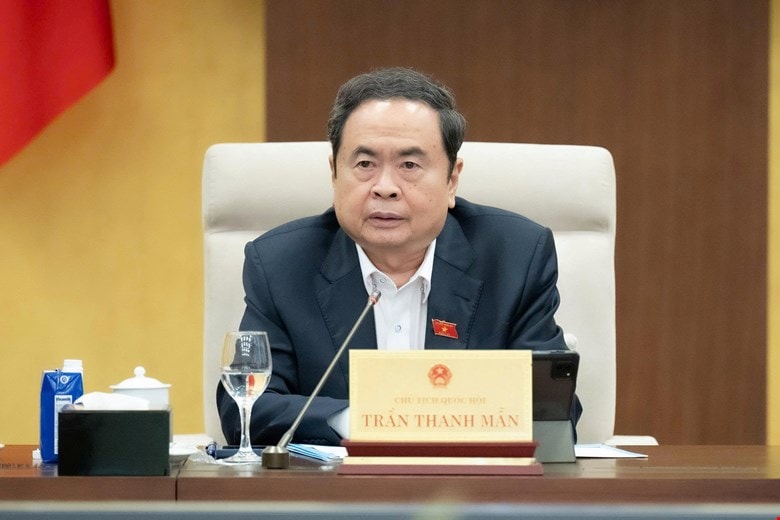
The National Assembly Chairman suggested focusing on the opinions of National Assembly deputies on: Mechanisms and policies for press development; press management in cyberspace and AI; ensuring safety for journalists; licensing and management conditions for collaborators; issues of definition and legal status.
In that spirit, the National Assembly Chairman requested the Standing Committee of the National Assembly's Committee on Culture and Social Affairs - the agency in charge of the review, to continue to coordinate with the Ministry of Culture, Sports and Tourism to research, discuss, and agree on the content of receiving and explaining "reasonably" the opinions of delegates surrounding the draft Law on Press (amended).
Source: https://hanoimoi.vn/tiep-thu-kien-nghi-cua-ha-noi-thanh-pho-ho-chi-minh-ve-viec-duoc-thanh-lap-co-quan-bao-chi-chu-luc-da-phuong-tien-725628.html


![[Photo] Cat Ba - Green island paradise](/_next/image?url=https%3A%2F%2Fvphoto.vietnam.vn%2Fthumb%2F1200x675%2Fvietnam%2Fresource%2FIMAGE%2F2025%2F12%2F04%2F1764821844074_ndo_br_1-dcbthienduongxanh638-jpg.webp&w=3840&q=75)






























![[VIMC 40 days of lightning speed] Da Nang Port: Unity - Lightning speed - Breakthrough to the finish line](https://vphoto.vietnam.vn/thumb/402x226/vietnam/resource/IMAGE/2025/12/04/1764833540882_cdn_4-12-25.jpeg)






























Comment (0)