

According to a report by the South China Morning Post on February 4, China's Ministry of Civil Affairs said it is monitoring the situation after an internet user warned of potential consequences stemming from the folk belief that the upcoming Year of the Dragon is the "year of widows."
Earlier in January, in a citizen consultation section on the website of China's Ministry of Civil Affairs, an anonymous citizen raised the issue of the "year of widows," arguing that this concept "seriously deviates from common sense and scientific understanding." The post urged the Ministry of Civil Affairs to speak out so that "citizens are not disturbed by superstition and folk rumors, as long as they want to get married."
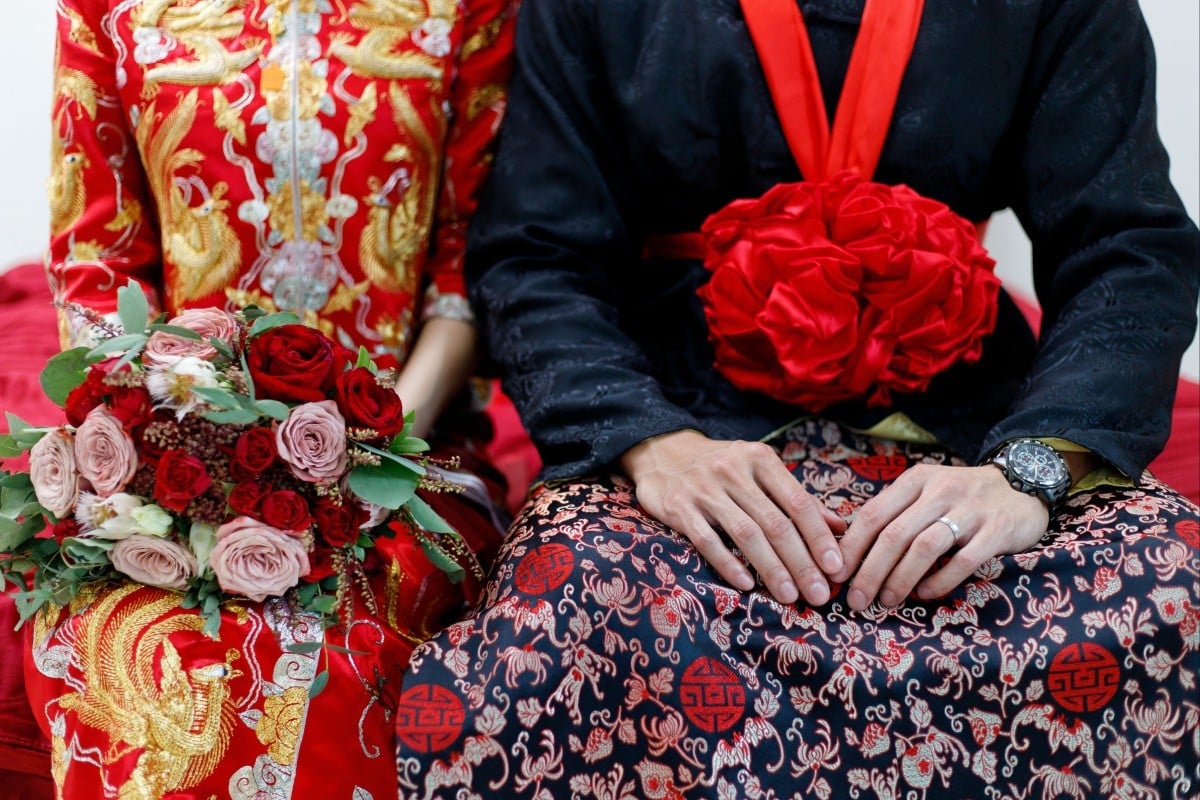
According to Chinese folklore, the year of the Wood Dragon (Giáp Thìn) is considered an unlucky year for marriage.
The warning comes amid a decline in China's total population over the past two years and a growing number of young people in China who are unwilling to marry and have children, contributing to a faster aging society.
"We are taking your suggestions into consideration," the Chinese Ministry of Civil Affairs responded to the aforementioned post on January 22.
According to the South China Morning Post , the term "widow's year"—in Chinese, "widow's year"—originated from confusion surrounding the word "widow's year," which originally meant "the year without the beginning of spring."
The beginning of spring is one of the 24 solar terms in the East Asian lunar calendar and falls around February 4-5 (Gregorian calendar) each year, believed to mark the start of spring. The most recent beginning of spring occurred before the first day of the Year of the Dragon (February 10, 2024), while the next beginning of spring will occur after the first day of the Year of the Snake (January 29, 2025). Therefore, Chinese folklore suggests that the upcoming Year of the Dragon will be a year without spring.
Spring is considered the most vibrant time of year because it symbolizes growth and represents the yang energy. Chinese folklore suggests that women who marry in a "year without spring" are more likely to encounter misfortune, including becoming widows. Conversely, a lunar year with two beginnings of spring is considered very lucky and suitable for marriage.
According to official figures, the marriage rate in China has declined over the past decade. In 2022, the country recorded 6.83 million marriage registrations, nearly half the record of 13.47 million in 2013. Statistics for 2023 have not yet been released, but there are indications that the number has increased compared to the previous year as China lifted its anti-epidemic measures.
In an effort to propagandize and reassure the public, China's state-run CCTV television station said in a news broadcast last week that there was no connection between bad luck and a "year without spring."
According to CCTV, a lunar year without the beginning of spring is not an uncommon phenomenon, and it also points out that 2019 and 2021 were also "years without spring".
Despite still believing in the concept of "years without spring," some people consider the Year of the Dragon (Giáp Thìn) a good year to have children because it is the year of the dragon. The dragon is the only mythical creature among the 12 zodiac animals, representing power and success according to traditional Chinese beliefs.
This could potentially boost the number of births in China this year, after they fell to a record low of 9.02 million in 2023.
Traditional customs still play a significant role in marriage and childbirth in China. However, in recent years, the government has called for the elimination of such influential practices, including the requirement for the groom's family to provide a lavish dowry to the bride's family.
Source link

![[Photo] Closing Ceremony of the 10th Session of the 15th National Assembly](/_next/image?url=https%3A%2F%2Fvphoto.vietnam.vn%2Fthumb%2F1200x675%2Fvietnam%2Fresource%2FIMAGE%2F2025%2F12%2F11%2F1765448959967_image-1437-jpg.webp&w=3840&q=75)


![[Photo] Prime Minister Pham Minh Chinh holds a phone call with the CEO of Russia's Rosatom Corporation.](/_next/image?url=https%3A%2F%2Fvphoto.vietnam.vn%2Fthumb%2F1200x675%2Fvietnam%2Fresource%2FIMAGE%2F2025%2F12%2F11%2F1765464552365_dsc-5295-jpg.webp&w=3840&q=75)









































![[OFFICIAL] MISA GROUP ANNOUNCES ITS PIONEERING BRAND POSITIONING IN BUILDING AGENTIC AI FOR BUSINESSES, HOUSEHOLDS, AND THE GOVERNMENT](https://vphoto.vietnam.vn/thumb/402x226/vietnam/resource/IMAGE/2025/12/11/1765444754256_agentic-ai_postfb-scaled.png)























![[Photo gallery] Long Thanh Airport 'lights up' ready to welcome its first flight](https://vphoto.vietnam.vn/thumb/402x226/vietnam/resource/IMAGE/2025/12/11/1765467251707_bia_20251211222704.jpeg)














Comment (0)