

Increase the number of EU warnings.
According to data from the European Union (EU) and the General Department of Customs, after four years of implementing the Vietnam-EU Free Trade Agreement (EVFTA), Vietnam's export turnover to the EU has increased by nearly 50%. This has helped Vietnam become the EU's largest trading partner among ASEAN countries, surpassing even countries like Thailand and Malaysia, or even Singapore, another country in the region that has also signed a free trade agreement.
Mr. Ngo Xuan Nam, Deputy Director of the SPS Vietnam Office, Ministry of Agriculture and Rural Development , assessed that the EVFTA removes tariff barriers, creating favorable conditions for Vietnamese agricultural export businesses; and at the same time, encourages businesses to invest in the production and processing of agricultural products and food.
However, the EU remains a very demanding market, frequently changing regulations on plant and animal quarantine to protect human health and prevent the spread of diseases in plants and animals. This is a challenge that producers and export businesses must overcome to maintain and develop the market.
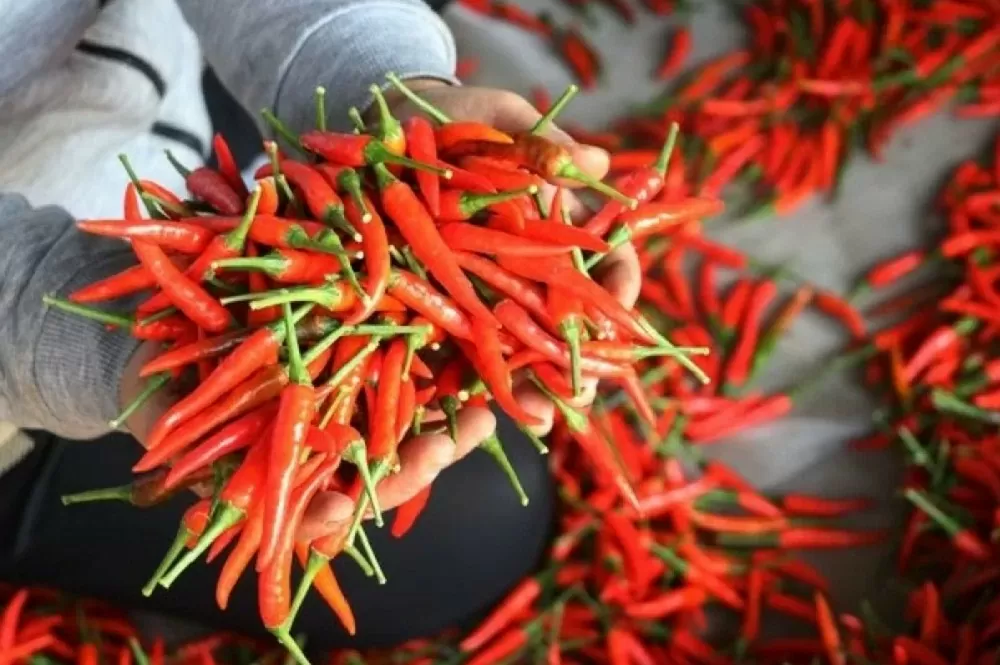 |
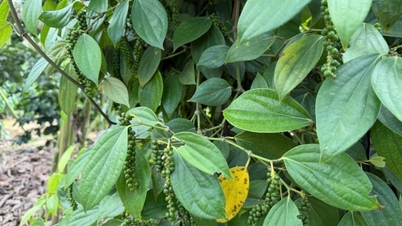
| Chili peppers are one of four Vietnamese export items subject to EU border checks. Photo: Le Duc |
The EU market has three food safety and phytosanitary (SPS) regulations for imported agricultural, food and seafood products. According to statistics from the Vietnam SPS Office, in the first six months of 2024 alone, WTO member countries issued 551 notifications and draft SPS measures to Vietnam; of which, 115 notifications concerned changes to maximum residue levels of pesticides or antibiotics; followed by animal health, plant health, animal feed, etc.
Notably, in the first six months of 2024 alone, the number of food safety and plant and animal disease safety alerts for agricultural products from the EU increased unusually, by nearly 20%, the highest increase among Vietnam's agricultural trading partners.
Specifically, Vietnam received 57 alerts in the first half of the year, compared to 31 alerts in the same period of 2023, an increase of over 80%. Of these, Ho Chi Minh City accounted for the most, with 23 alerts.
The EU's increase in the number of warnings has led to an increase in the frequency of border inspections for agricultural products. Currently, Vietnam still has 4 items subject to these checks, with the frequency being dragon fruit (30%), chili peppers (50%), okra (50%), and durian (10%).
"The EU doesn't regulate the quantity of goods, so sometimes even exporting just a few dozen kilograms of chili peppers can result in inspection and violation warnings. For goods that receive high-level warnings, if timely corrective measures aren't taken, the EU may refuse to allow them into the country," Mr. Ngo Xuan Nam warned, adding that the unusual increase in the number of SPS warnings has both subjective and objective causes.
From a subjective perspective, exporting businesses have not fully complied with the regulations of importing countries because the MRL (maximum residue limit) for each active ingredient varies from country to country. This requires in-depth research and a thorough understanding of science and technology.
Furthermore, due to long-standing habits, producers in some areas still lack measures and plans for using pesticides, antibiotics, and fertilizers according to instructions. The responsibility for inspection and supervision is also a reason for the increase in the number of warnings.
According to the head of the SPS Vietnam Office, the monitoring rate of planting area codes and packaging facilities is still insufficient. For example, only 52% of planting areas and 47% of packaging facilities for durian are monitored. Vietnamese law also lacks sufficiently strong regulations and penalties to handle violations of food safety regulations.
Businesses that comply well with regulations will always be well-received by the market.
Ms. Hoang Thi Lien, President of the Vietnam Pepper and Spice Association, stated that the pepper industry in particular, and the spice industry in general, still face some limitations in controlling SPS issues, stemming from small-scale production and farmers and businesses not fully understanding the standards of import markets. Most notably, there are warnings from the EU market regarding three indicators: pesticide residues, microorganisms, and heavy metals.
"Therefore, exporting businesses need to regularly monitor and update information on SPS on the official websites of the SPS Office, and refer to similar cases to avoid violations," Ms. Lien advised.
From the perspective of state management agencies, there needs to be more coordinated cooperation between the focal units (SPS Office, Plant Protection Department, Department of Quality, Processing and Market Development), businesses, and associations to effectively handle issues such as shipments receiving warnings and obstacles in the implementation of SPS-related regulations.
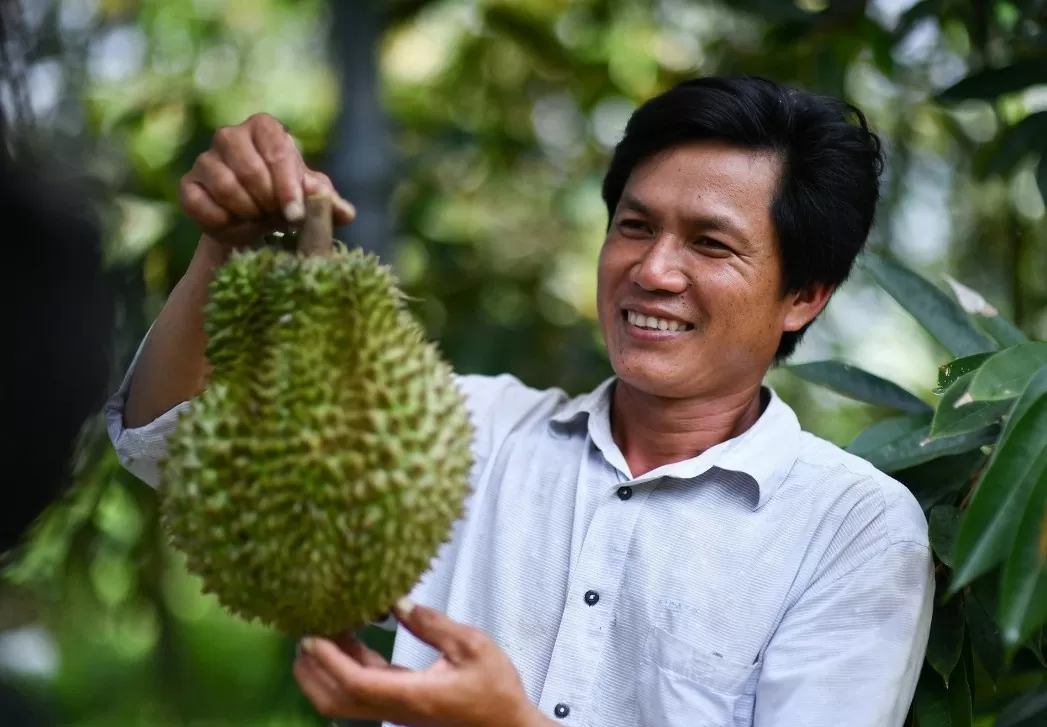 |
| Vietnamese agricultural products benefit greatly after the implementation of the EVFTA agreement. Photo: Phuong Anh |
Sharing his experience in meeting the EU market's SPS standards, Mr. Vo Van Hoai - Senior Specialist in the Quality Assurance Department of Acecook Vietnam - said that the company continuously updates new legal documents on the official EU legal reference portal (Europa); studies the import product control program, understands the criteria included in the customs inspection plan, and the issues that the EU is particularly concerned about.
In addition, the quality assurance department regularly reviews products, checks the conformity of raw materials and finished products with new market regulations, and re-establishes quality control plans for raw materials, production processes, and finished products. The company also regularly consults with national regulatory agencies or legal consulting firms on complex or unclear legal issues.
To help businesses better utilize the benefits from the EVFTA and other FTAs, Mr. Ngo Chung Khanh, Deputy Director of the Multilateral Trade Policy Department, said that the Ministry of Industry and Trade is determined to continue identifying difficulties and obstacles in production and export through close contact with industry associations to promptly resolve them; closely monitor the actual situation, provide timely guidance, and flexibly manage export activities.
In addition, the Ministry also presides over and coordinates negotiations to open export markets, especially for fruits and agricultural products; focuses on effectively implementing export promotion activities; and promptly informs businesses and associations about new market demands and regulations.
Source: https://congthuong.vn/tuan-thu-cac-quy-dinh-sps-trong-hiep-dinh-evfta-347401.html


![[Image] Close-up of the newly discovered "sacred road" at My Son Sanctuary](/_next/image?url=https%3A%2F%2Fvphoto.vietnam.vn%2Fthumb%2F1200x675%2Fvietnam%2Fresource%2FIMAGE%2F2025%2F12%2F13%2F1765587881240_ndo_br_ms5-jpg.webp&w=3840&q=75)
































































Comment (0)