

Along with 99 other sites in 53 countries around the world, Ha Long Bay - Cat Ba Archipelago was recently recognized as an International Geopark by the International Union of Geological Sciences (IUGS).
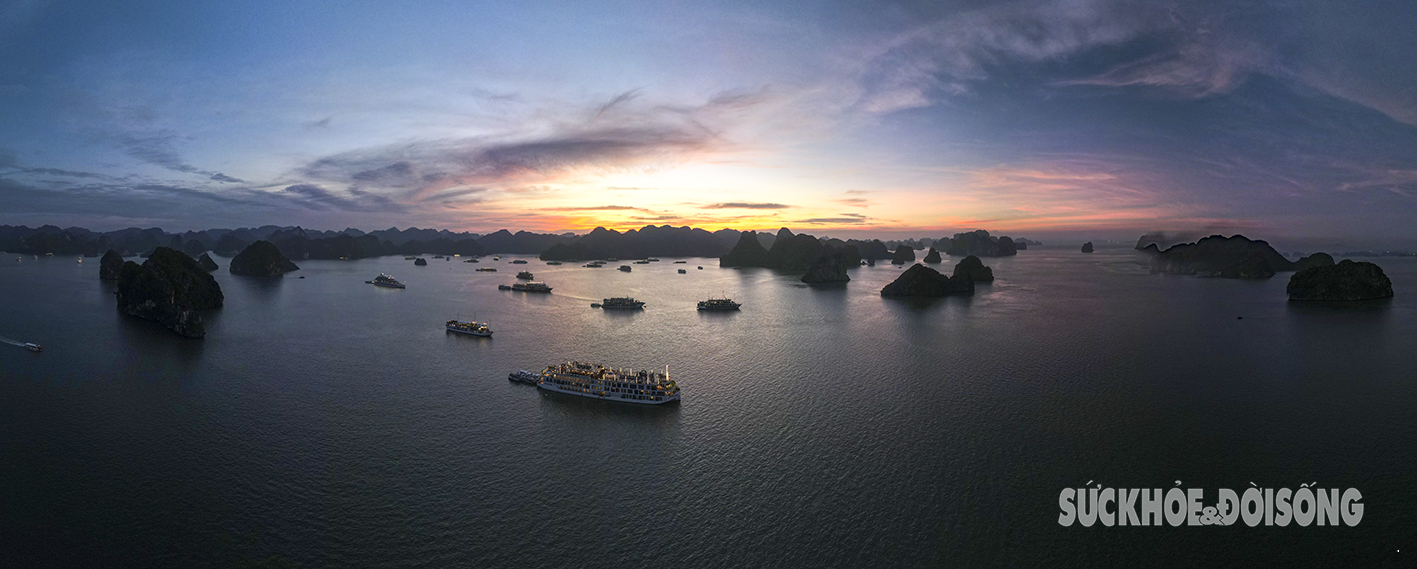
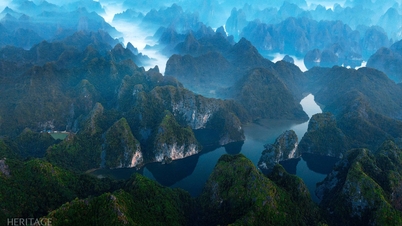
Ha Long Bay and Cat Ba Archipelago have been recognized as an International Geological Heritage Site due to two outstanding global values: geological history and karst geomorphology.
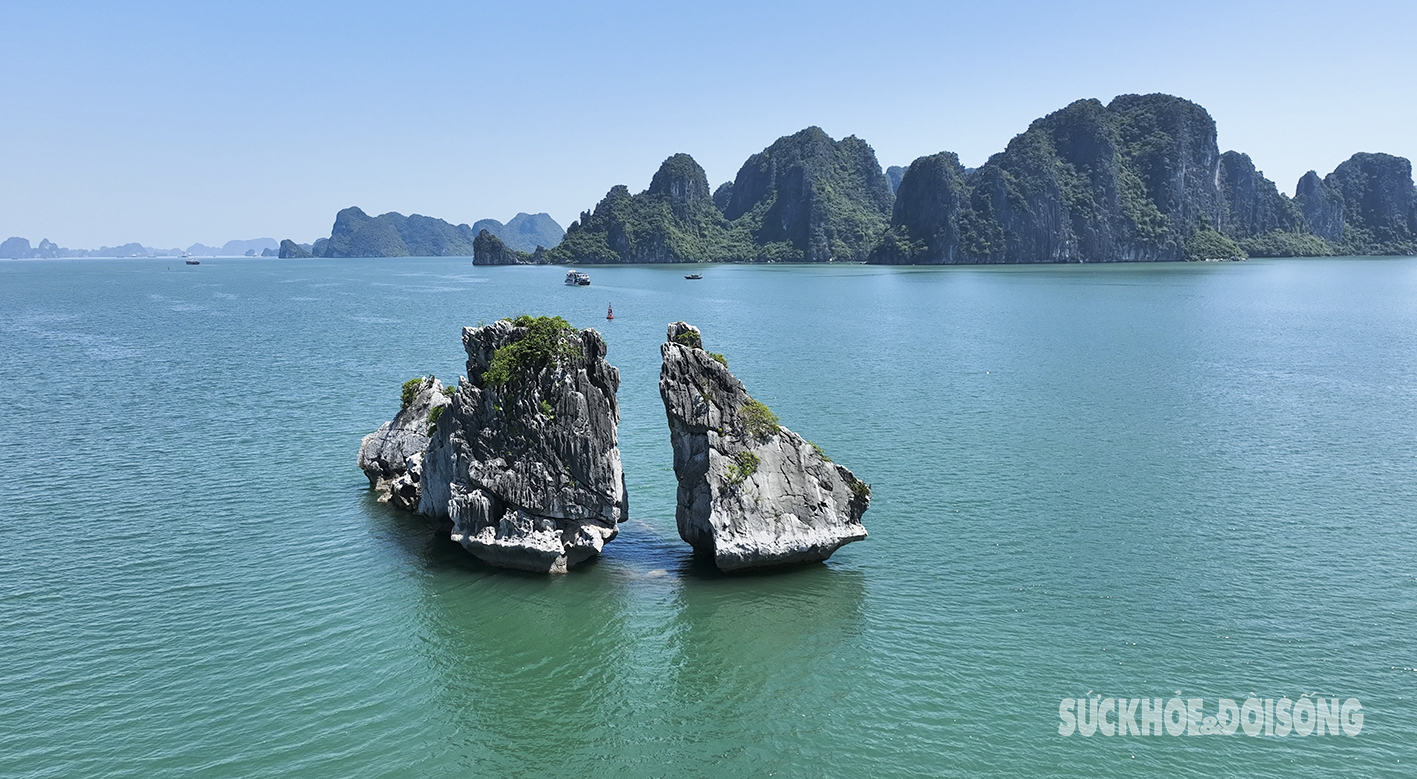
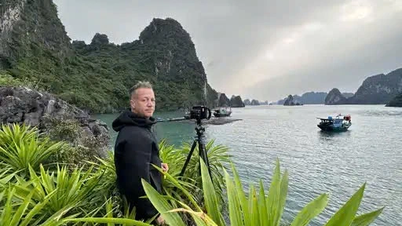
The International Union of Geological Sciences is expected to announce the list of 100 IUGS geological heritage sites at the 37th International Geological Congress (IGC), taking place from August 25-31 in Busan, South Korea. (Photo: Manh Pirlo)
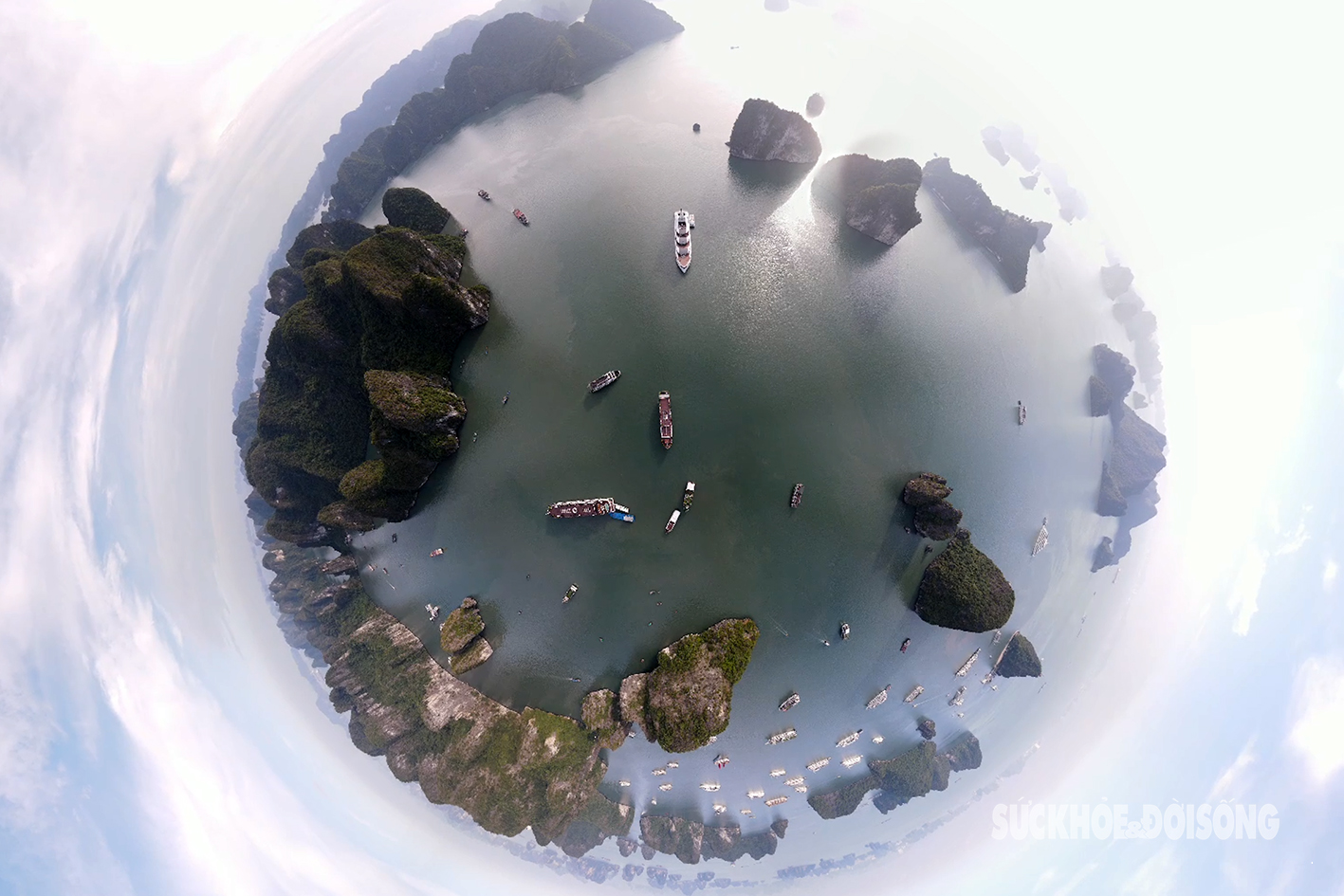
Ha Long Bay - Cat Ba Archipelago encompasses all stages of the tropical karst submersion process and features three main types of caves (ancient sea frog caves, ancient karst floor caves, and frog caves).
Karst geomorphology is the geomorphology of characteristic fault patterns typically marked by underground cave drainage systems.
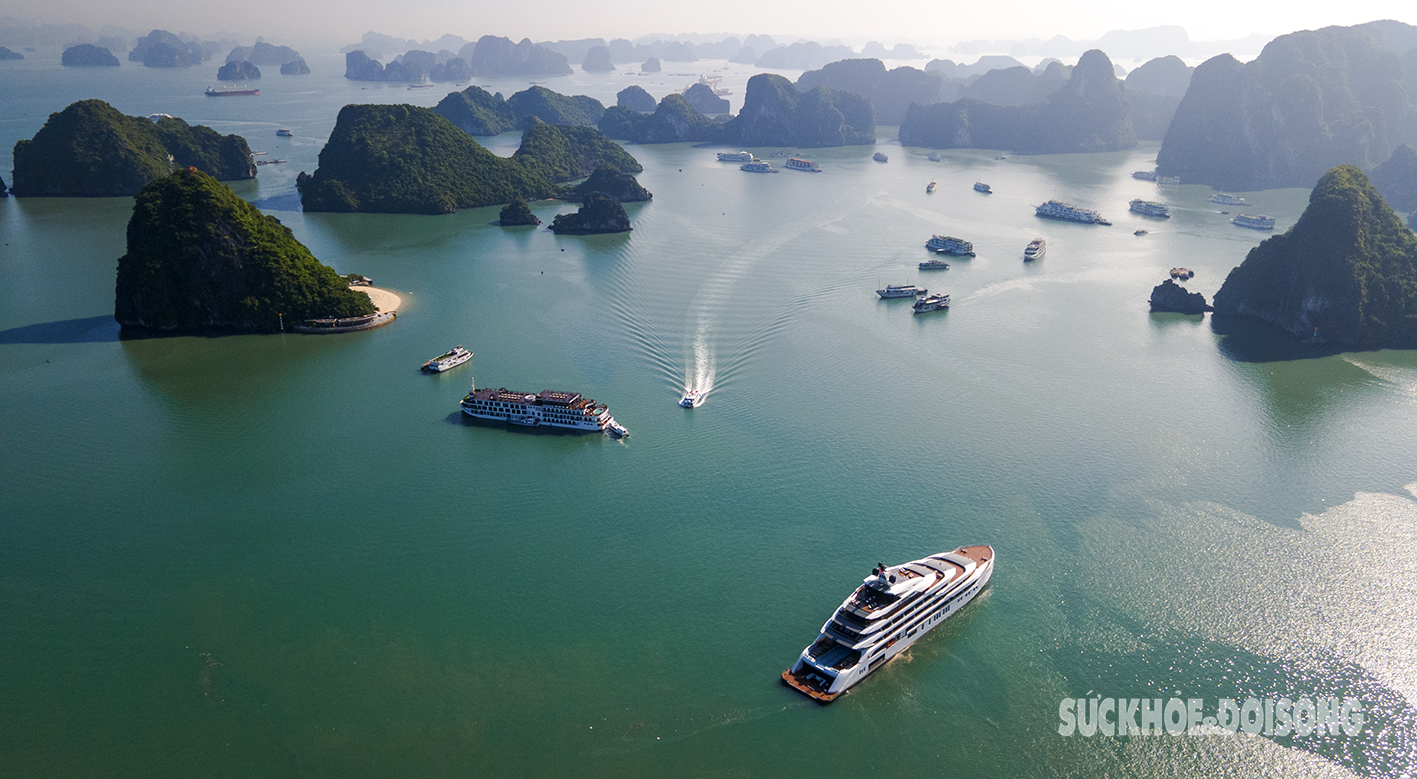
In 1994, Ha Long Bay was recognized by the United Nations Educational , Scientific and Cultural Organization (UNESCO) as a World Natural Heritage Site for its outstanding global aesthetic value.
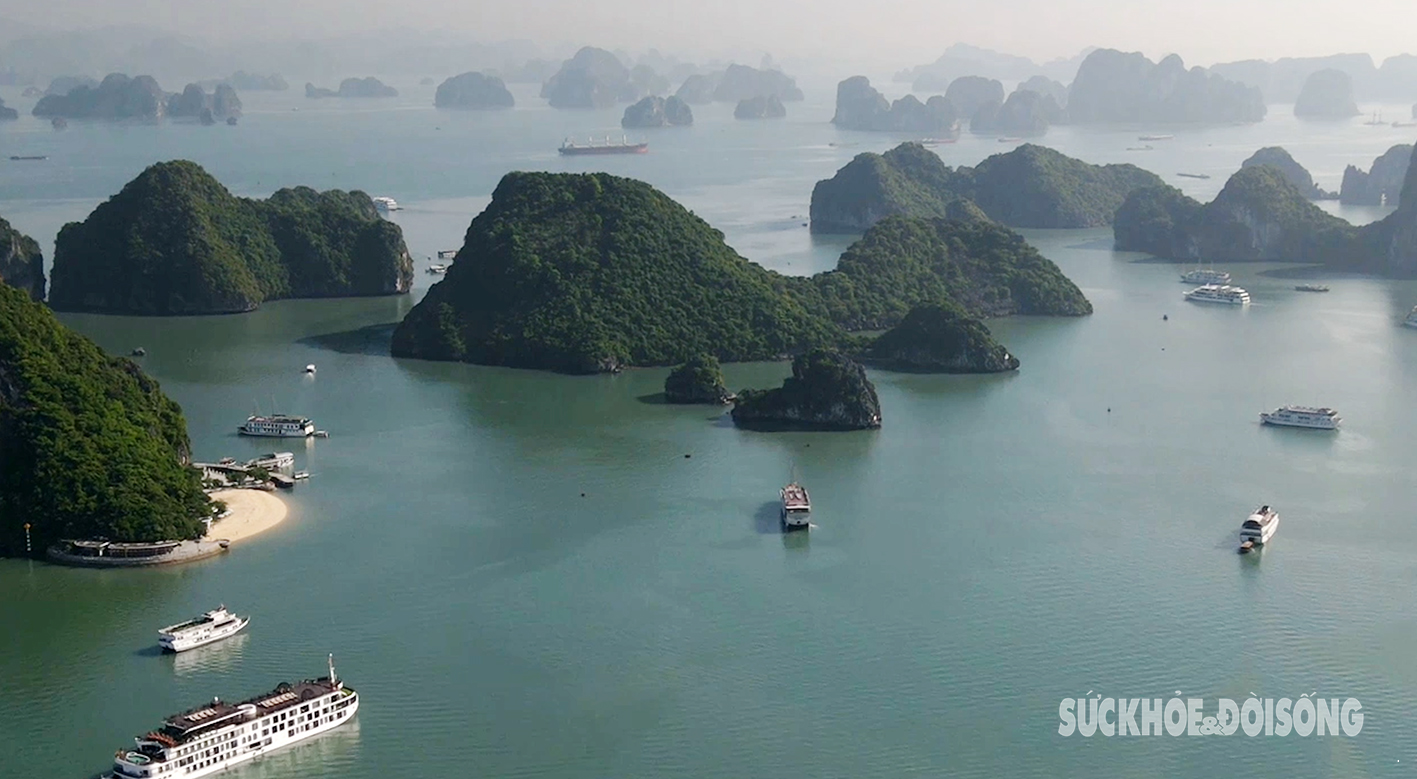
In 2000, Ha Long Bay was recognized by UNESCO as a World Natural Heritage Site for the second time, recognizing its outstanding global value in geology and geomorphology.
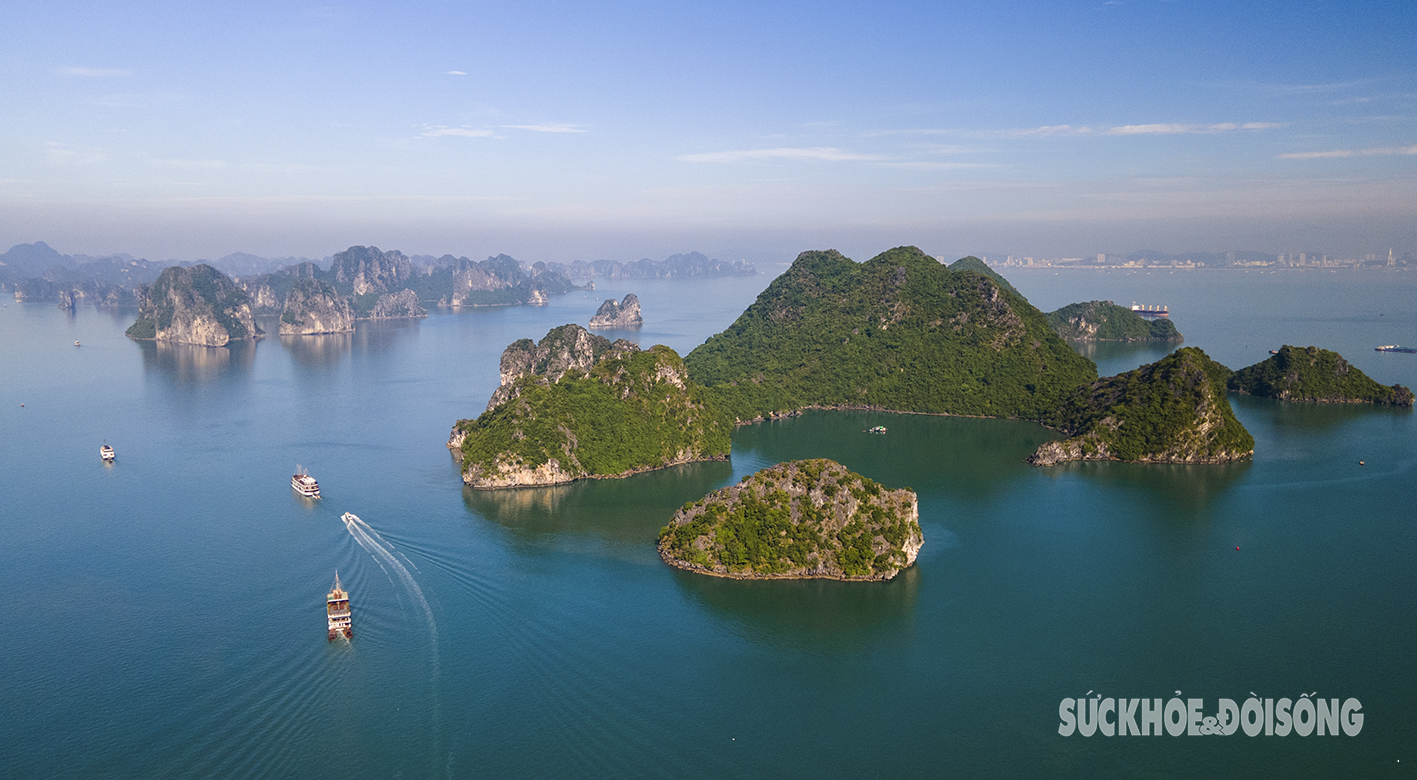
On September 16, 2023, at the 45th session of the World Natural Heritage Committee, UNESCO recognized Ha Long Bay and Cat Ba Archipelago as the first inter-provincial/city-wide World Natural Heritage site in Vietnam.
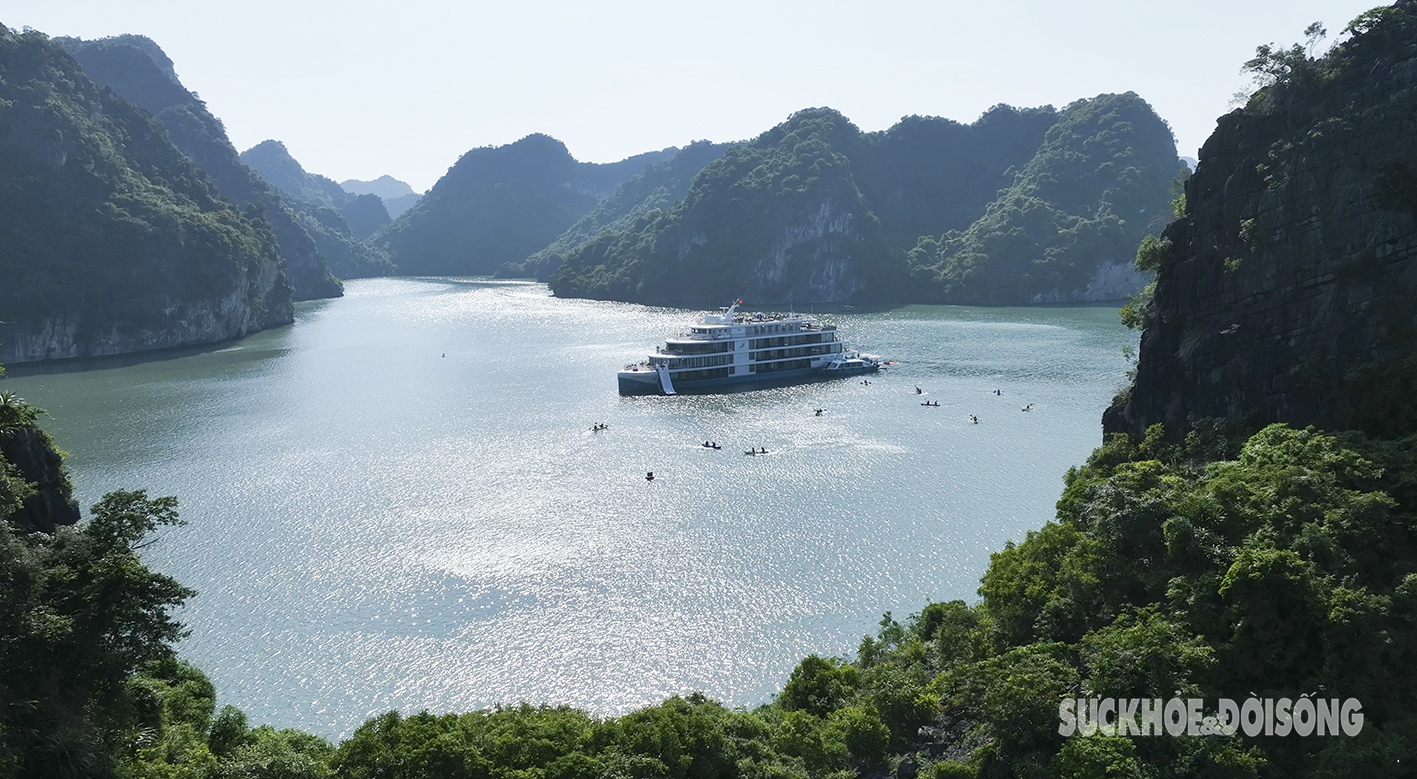
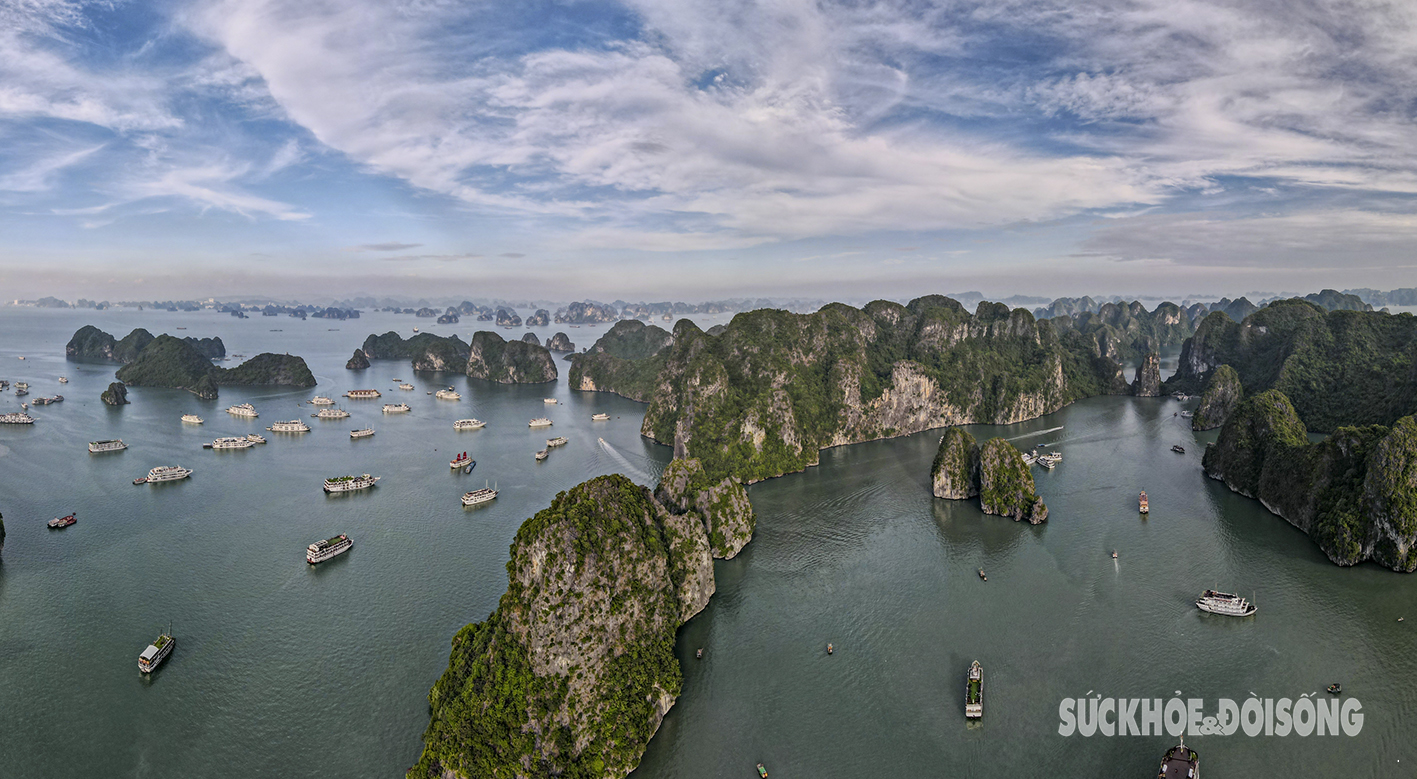
Lan Ha Bay (located east of Cat Ba Island and south of Ha Long Bay) covers an area of over 7000 square meters with numerous large and small islands. (Photo: Manh Pirlo)
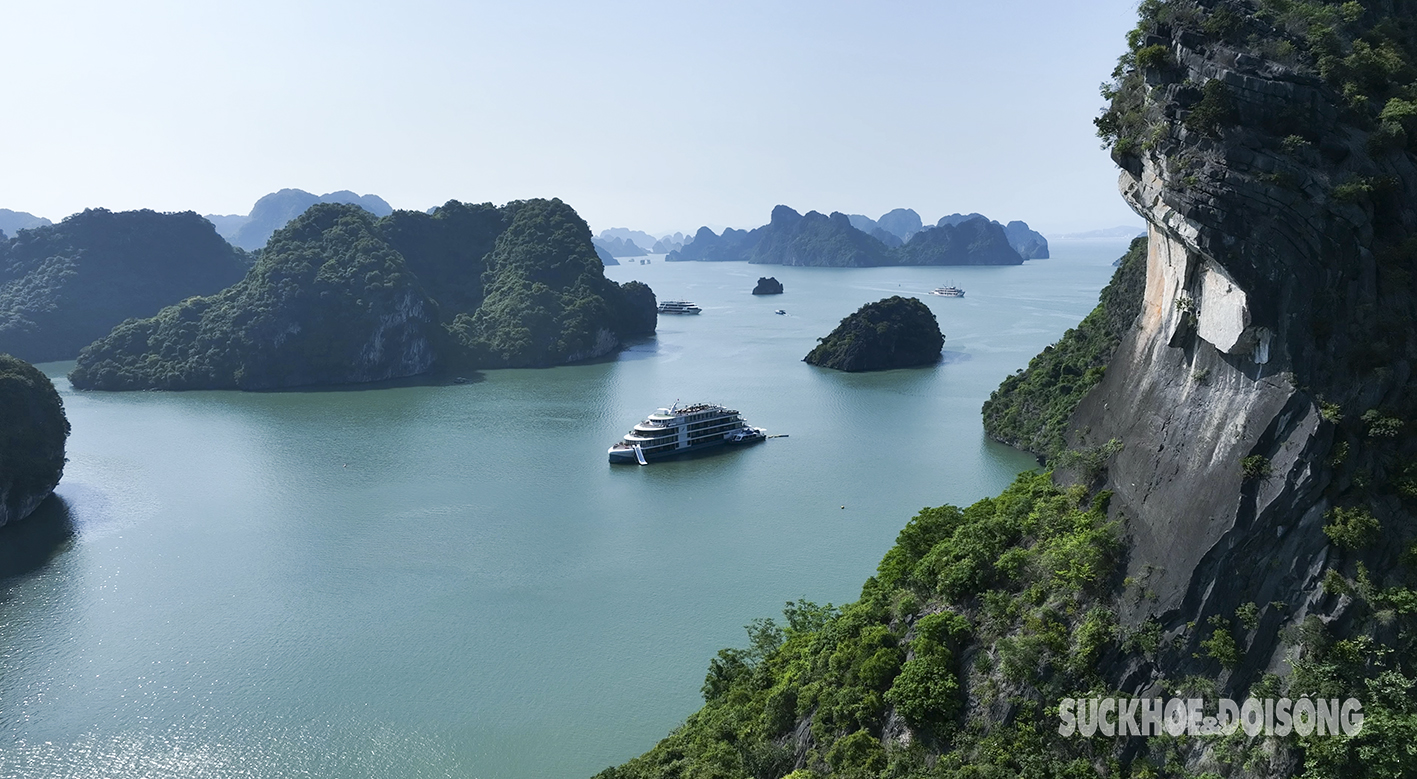
The pristine beauty of Lan Ha Bay. (Photo: Manh Pirlo)
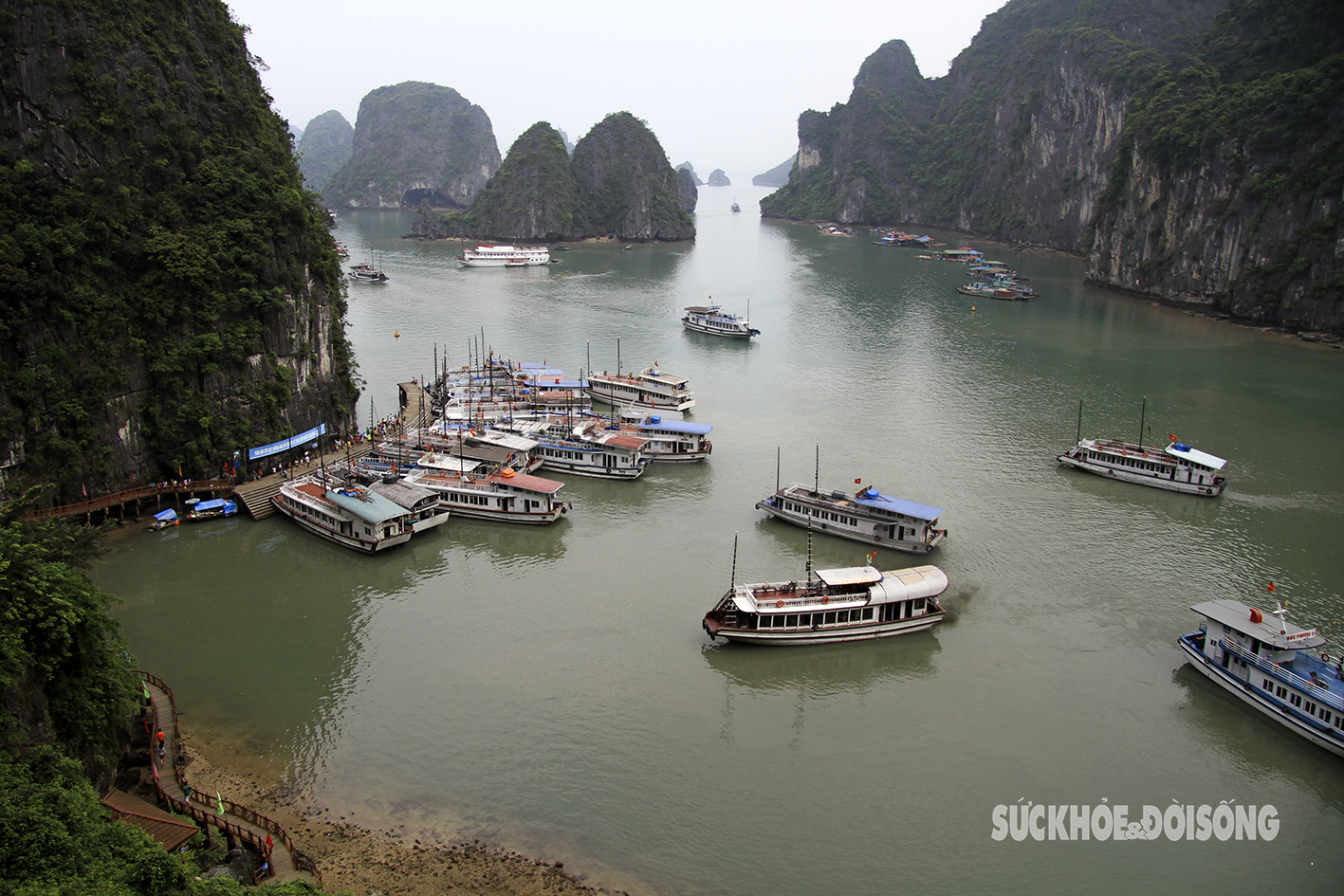
Lan Ha Bay and Cat Ba Island are becoming increasingly popular tourist destinations.
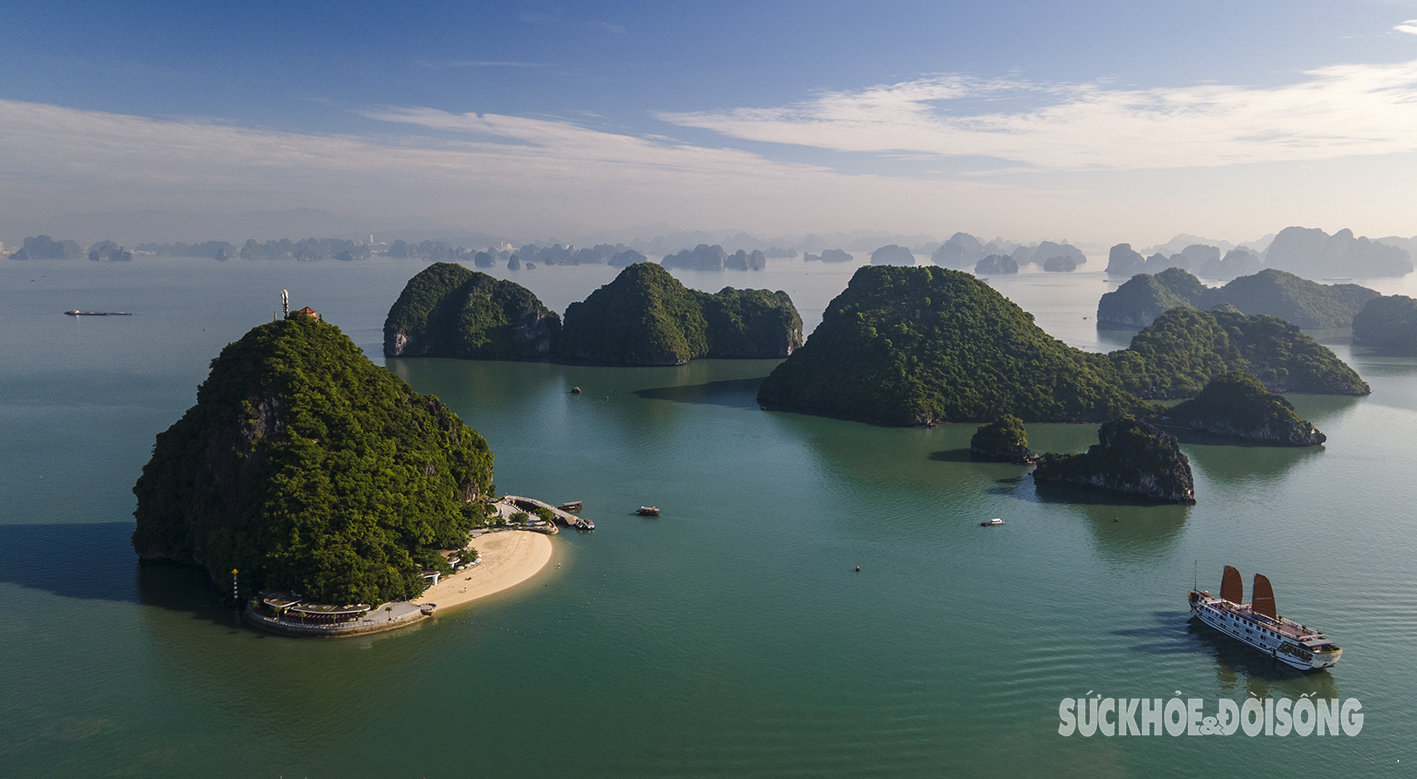
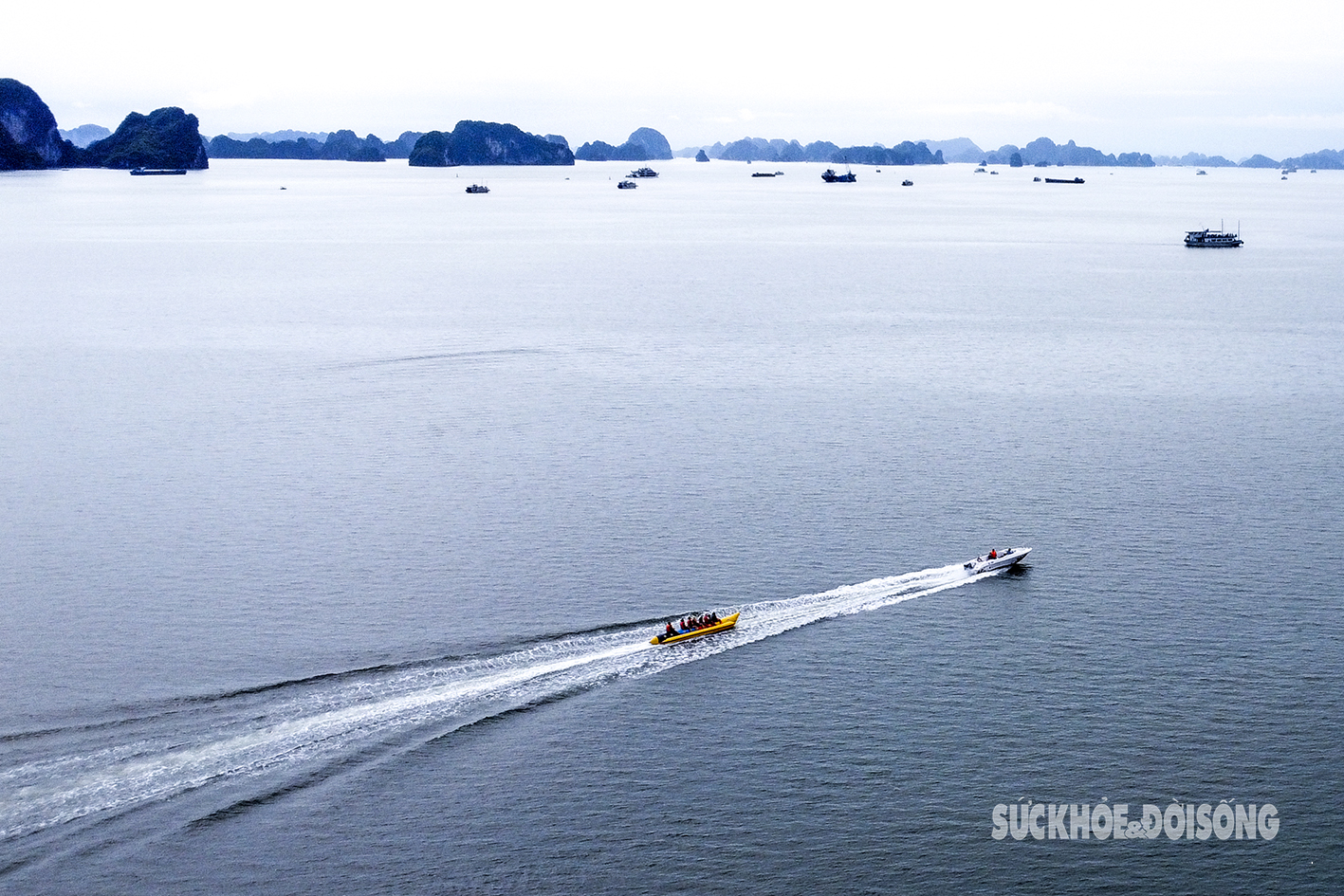
The appearance of the Ha Long Bay - Cat Ba Archipelago area and its unique geological and geomorphological values, as they are today, are the result of geological tectonic movements in the region spanning over 500 million years. This is also the reason why UNESCO has recognized Ha Long Bay as a World Natural Heritage Site three times.
Source: https://suckhoedoisong.vn/ve-dep-hiem-co-cua-di-san-dia-chat-quoc-te-o-viet-nam-169240827074649301.htm

























![[Image] Close-up of the newly discovered "sacred road" at My Son Sanctuary](/_next/image?url=https%3A%2F%2Fvphoto.vietnam.vn%2Fthumb%2F1200x675%2Fvietnam%2Fresource%2FIMAGE%2F2025%2F12%2F13%2F1765587881240_ndo_br_ms5-jpg.webp&w=3840&q=75)






















































Comment (0)