

 |
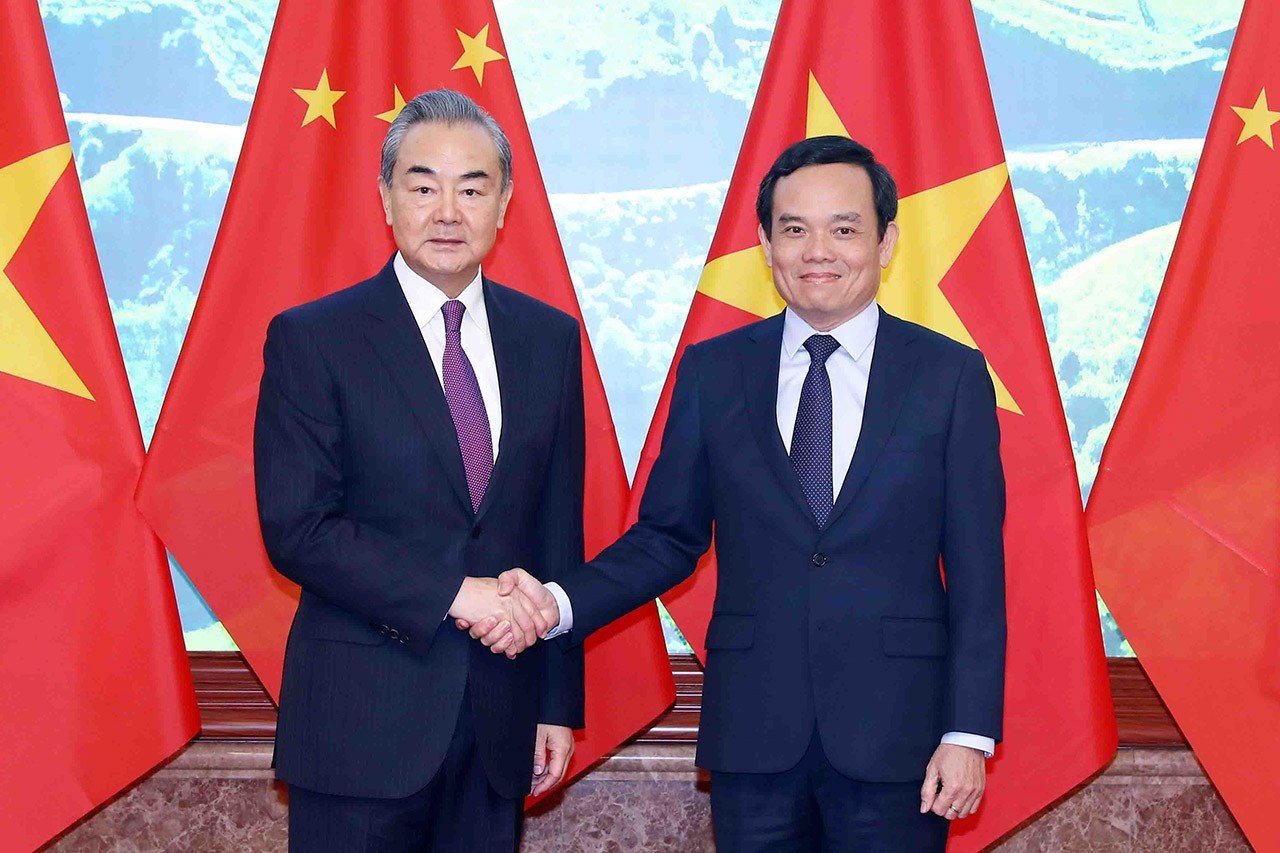
| Deputy Prime Minister Tran Luu Quang and Member of the Politburo , Director of the Office of the Central Foreign Affairs Commission of the Communist Party of China, and Minister of Foreign Affairs of the People's Republic of China Wang Yi. (Source: VNA) |
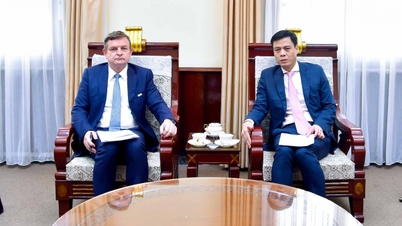
On December 1st, at the Government Headquarters, Deputy Prime Minister Tran Luu Quang, together with Politburo member, Director of the Office of the Central Foreign Affairs Commission of the Communist Party of China, and Minister of Foreign Affairs of the People's Republic of China Wang Yi, co-chaired the 15th Session of the Vietnam-China Bilateral Cooperation Steering Committee.
At the meeting, both sides reviewed the new developments in bilateral relations since the 14th meeting (July 2022) and agreed that the comprehensive strategic cooperative partnership between Vietnam and China has maintained positive momentum and achieved many important results.
High-level exchanges and contacts take place regularly, most notably the historic official visit to China by General Secretary Nguyen Phu Trong in October 2022 and high-level visits and exchanges in 2023 by President Vo Van Thuong, Prime Minister Pham Minh Chinh, National Assembly Chairman Vuong Dinh Hue, Standing Member of the Party Central Committee Truong Thi Mai, etc.
Exchanges and cooperation through Party channels, the National People's Congress/National People's Congress, the Fatherland Front/Chinese People's Political Consultative Conference, and between ministries, people's organizations, and localities of the two countries have been continuously strengthened and deepened; areas of substantive cooperation have achieved many encouraging advancements, and their quality is constantly improving.
China continues to be Vietnam's largest trading partner, while Vietnam maintains its position as China's largest trading partner in ASEAN and the fourth largest globally in terms of country-to-country criteria.
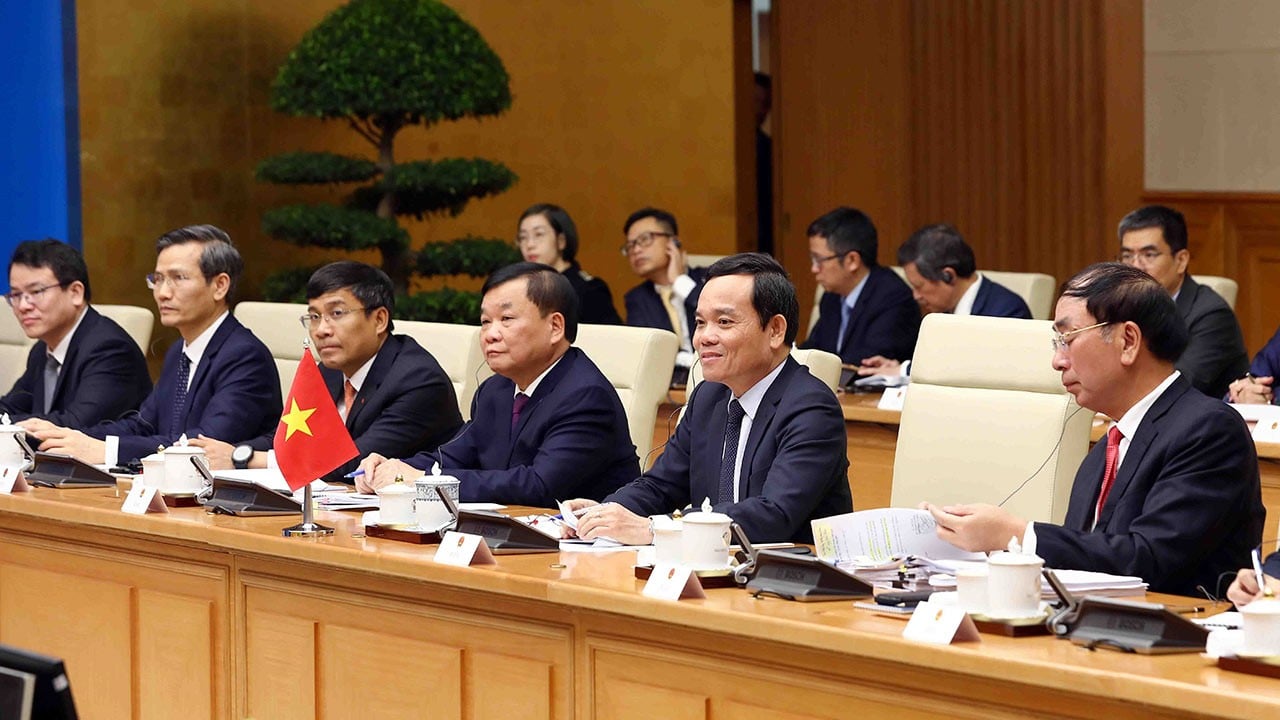 |
| Deputy Prime Minister Tran Luu Quang proposed that both sides cooperate to improve the efficiency of goods clearance at border gates, crossings, and border markets between Vietnam and China... (Source: VNA) |
In particular, China became Vietnam's largest export market for agricultural, forestry, and aquatic products in the first 10 months of 2023; Chinese investment in Vietnam continued to increase, and both sides promoted cooperation in new areas such as the digital economy and green growth; negotiations were completed on many important cooperation documents, including the Plan for Cooperation to Promote Connectivity between the "Two Corridors, One Belt" framework and the "Belt and Road" Initiative.
In addition, both sides frankly pointed out some areas of cooperation that have not lived up to their potential and expectations; the progress of implementing Chinese grant aid projects for Vietnam; and the resolution of long-standing obstacles and issues in some industrial cooperation projects.
Regarding future cooperation directions, the two sides engaged in in-depth discussions and identified several key areas of focus: strengthening exchanges and contacts at high levels and other levels; effectively implementing mechanisms for exchange and cooperation between the two Parties, the National People's Congress and the National People's Congress, the Vietnam Fatherland Front, and the Chinese People's Political Consultative Conference; promoting the important role of the two Ministries of Foreign Affairs in coordinating and promoting cooperation in various fields; and effectively implementing mechanisms for exchange in defense, security, and law enforcement.
Both sides agreed to continue implementing effective and substantive measures to promote sustainable and healthy economic, trade, and investment cooperation; increase Chinese investment in Vietnam in areas using advanced, environmentally friendly technologies; coordinate to resolve obstacles in outstanding projects; and accelerate the implementation of grant-funded projects in Vietnam.
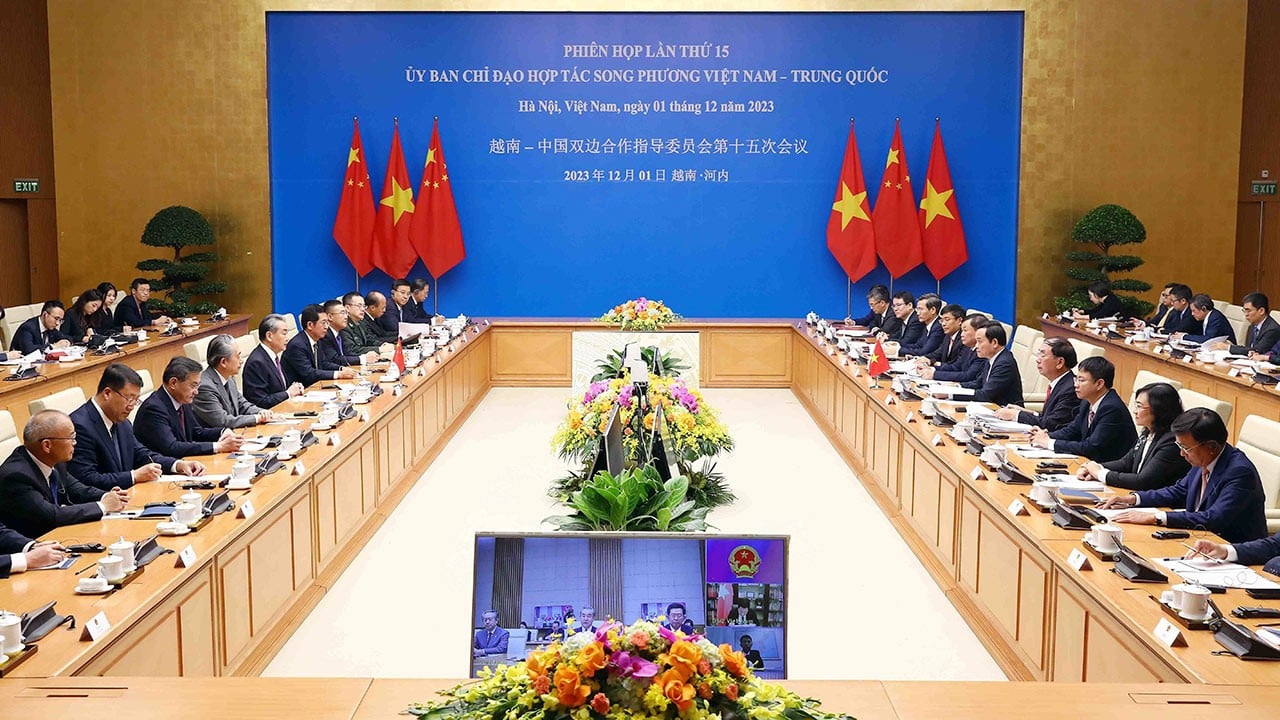 |
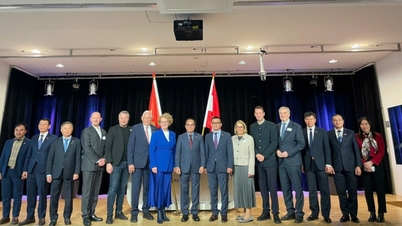
| Overview of the 15th session of the Vietnam-China Bilateral Cooperation Steering Committee. (Source: VNA) |
Both sides agreed to strengthen cooperation in the fields of science and technology, environment, transportation, agriculture, and health; expand cooperation in the fields of culture, education, tourism, and people-to-people exchanges; and enhance mutual support in multilateral forums.
Deputy Prime Minister Tran Luu Quang proposed that both sides coordinate to improve the efficiency of customs clearance at border gates, crossings, and border markets between Vietnam and China; accelerate the opening of the Chinese market to certain types of Vietnamese agricultural and aquatic products; promptly complete the procedures for establishing a Vietnam Trade Promotion Office in Haikou, Hainan Province; and create favorable conditions for Vietnam to carry out trade promotion and investment promotion activities and participate in major trade fairs and exhibitions in China.
Deputy Prime Minister Tran Luu Quang expressed his wish for both sides to accelerate the connection of transportation infrastructure, especially railways; to promote tourism cooperation to return to pre-Covid-19 levels; and to continue supporting and encouraging localities to enhance the role and effectiveness of existing cooperation mechanisms, especially direct exchanges between local leaders.
Regarding the land border, both sides assessed the overall situation as stable; the two sides' subcommittees within the Joint Land Border Committee closely coordinated in border management; promptly exchanged information and resolved arising issues; the opening and upgrading of border gates achieved positive results, contributing to consolidating the land border and promoting socio-economic development in the border areas of the two countries.
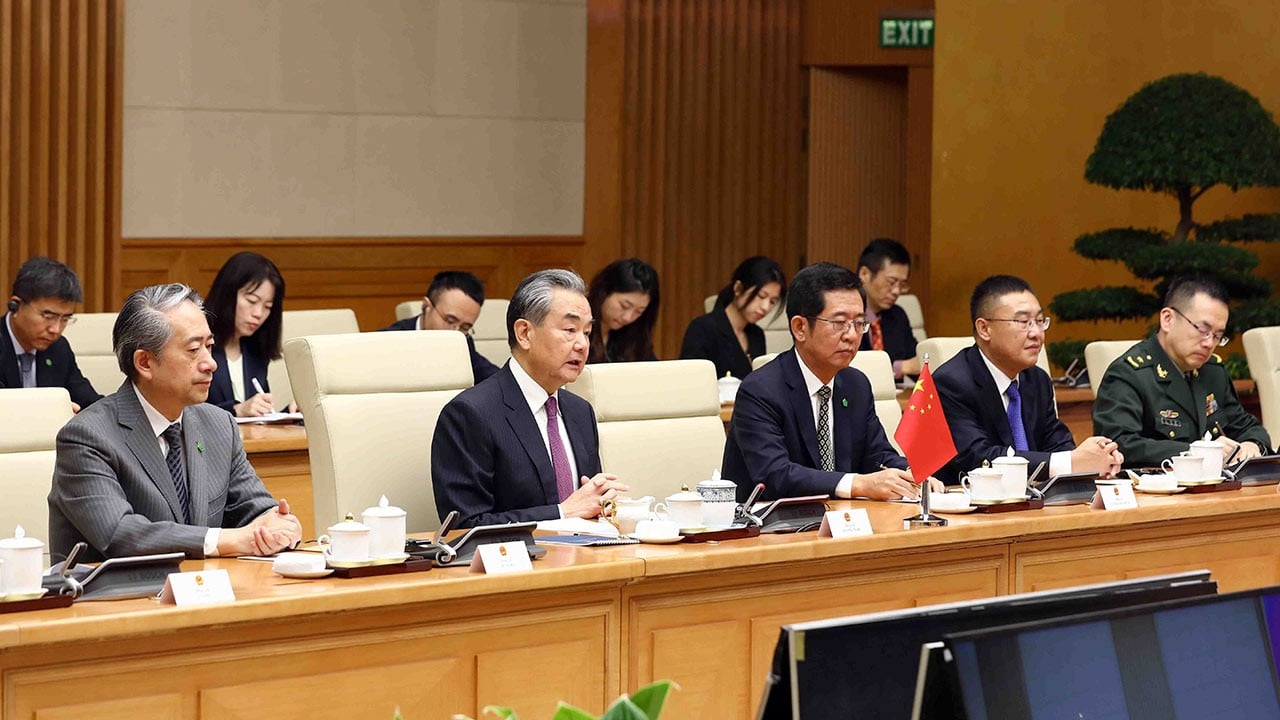 |
| Wang Yi, member of the Politburo, Director of the Office of the Central Foreign Affairs Commission of the Communist Party of China, and Minister of Foreign Affairs of the People's Republic of China, co-chaired the session. (Source: VNA) |
The two sides exchanged frank views on maritime issues, agreeing to continue adhering to high-level common understandings, including the Agreement on the Basic Principles Guiding the Resolution of the Vietnam-China Maritime Issue; and promoting substantive progress in maritime negotiation mechanisms.
Deputy Prime Minister Tran Luu Quang emphasized that both sides need to control and appropriately handle disagreements, respect each other's legitimate rights and interests in accordance with international law, especially the 1982 United Nations Convention on the Law of the Sea (UNCLOS); and work with ASEAN countries to promote negotiations to soon reach a substantive, effective, and efficient Code of Conduct (COC) that is consistent with international law and UNCLOS 1982, contributing to maintaining peace and stability in the South China Sea and the region.
Source


![[Photo] Prime Minister Pham Minh Chinh holds a phone call with the CEO of Russia's Rosatom Corporation.](/_next/image?url=https%3A%2F%2Fvphoto.vietnam.vn%2Fthumb%2F1200x675%2Fvietnam%2Fresource%2FIMAGE%2F2025%2F12%2F11%2F1765464552365_dsc-5295-jpg.webp&w=3840&q=75)




























































Comment (0)