

The Harvard University website explains that vitamins and minerals from food are the most effective.
In food, they come with many other beneficial nutrients, including hundreds of carotenoids, flavonoids, minerals, and antioxidants that are not found in most supplements.
Besides providing more complete nutrition, eating a variety of fruits and vegetables in different colors can help fight chronic diseases, including diabetes, heart disease, and cancer.
Blood tests can help you find out if you're deficient in any vitamins or minerals, and then help you identify the best foods for you.
Here are some fruits that are beneficial, even better than supplements, and that you should eat to prevent disease and maximize your overall nutrient intake.
Potassium: Bananas, apricots
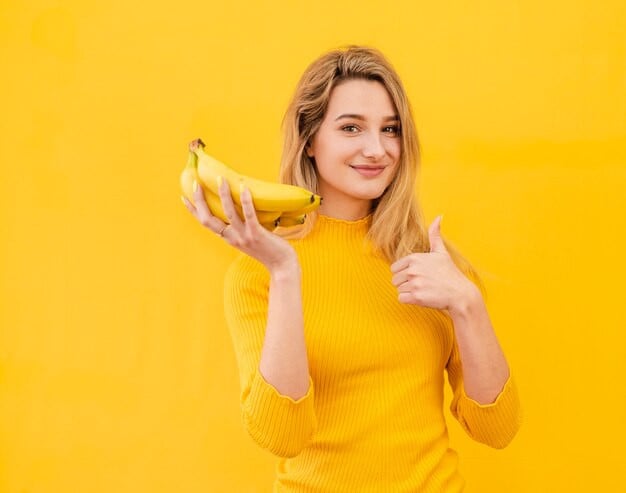
A medium-sized banana contains approximately 422 mg of potassium.
Potassium deficiency can cause electrolyte imbalance, fluctuating blood pressure, muscle weakness, cramps, and irregular heartbeats.
If you're deficient in potassium, bananas are a popular choice. A medium-sized banana contains about 422 mg of potassium.
In addition, half a cup of dried apricots contains up to 755 mg of potassium.
Iron: Apricots, raisins
Many people use iron supplements to compensate for a deficiency.
However, iron supplements taken in doses higher than the daily recommended amount may increase the risk of constipation, stomach pain, stomach ulcers, and other health problems.
If you are iron deficient, eating meat and fish can help increase your iron levels. However, Harvard Health experts suggest that iron from plant sources such as dried apricots and raisins can also help you reach your daily limit.
Vitamin C: Citrus fruits, kiwi, mango, and berries
Experts say it's easy to get enough vitamin C by eating citrus fruits, kiwi, mango, and berries.
Consuming vitamin C from your diet rather than supplements will help prevent over-absorption. The recommended daily allowance is 75 mg for women and 90 mg for men.
However, many high-dose supplements contain 1,000 mg per pill, making you more susceptible to side effects, the Mayo Clinic notes.
Vitamin A: Cantaloupe (or honeydew melon)
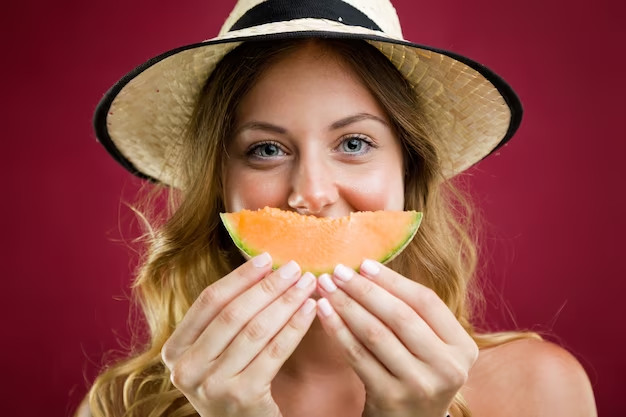
Each 100-gram serving of cantaloupe provides 3,382 IU of vitamin A.
Harvard experts recommend cantaloupe as an excellent source of vitamin A, with each 100-gram serving providing 3,382 IU of vitamin A.
Remember that supplements may not provide the same benefits as the natural antioxidants found in food, according to Best Life.
Source link
























![[Photo] Prime Minister Pham Minh Chinh holds a phone call with the CEO of Russia's Rosatom Corporation.](/_next/image?url=https%3A%2F%2Fvphoto.vietnam.vn%2Fthumb%2F1200x675%2Fvietnam%2Fresource%2FIMAGE%2F2025%2F12%2F11%2F1765464552365_dsc-5295-jpg.webp&w=3840&q=75)














































Comment (0)