

Fruit trees offer a path out of poverty.
Despite being busy with tending his orchard, Mr. Sung Seo Vang in La Di Thang village was overjoyed to share his achievements with us.
Mr. Vang recounted: "Since 2016, thanks to the government's promotion, my family has participated in planting 450 VH6 pear trees, and then continued to plant an additional 150 Ta Van plum trees in 2019. Thanks to the suitable climate, these trees grow well and yield much more consistently than growing corn on hilly land as before."
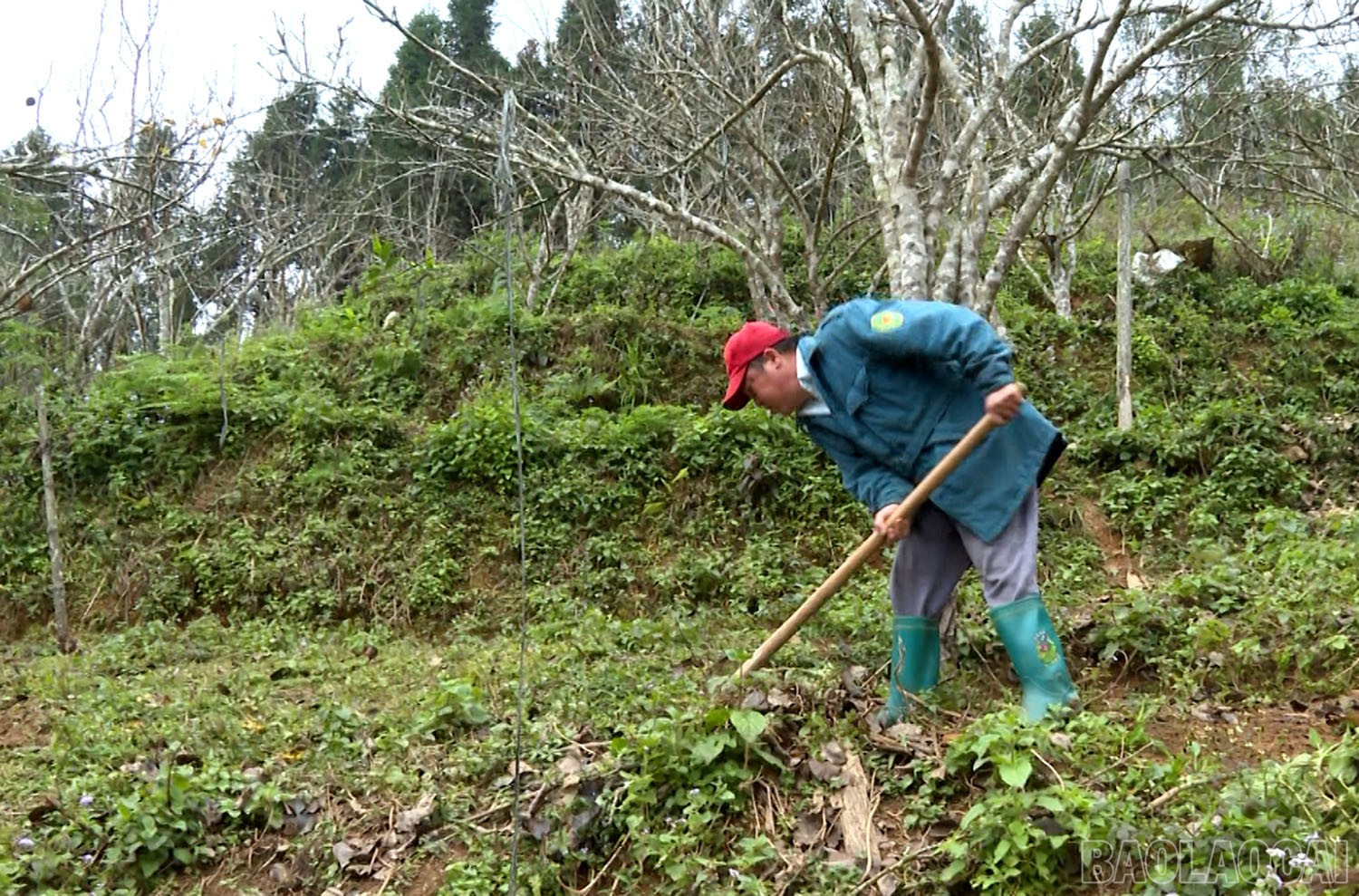
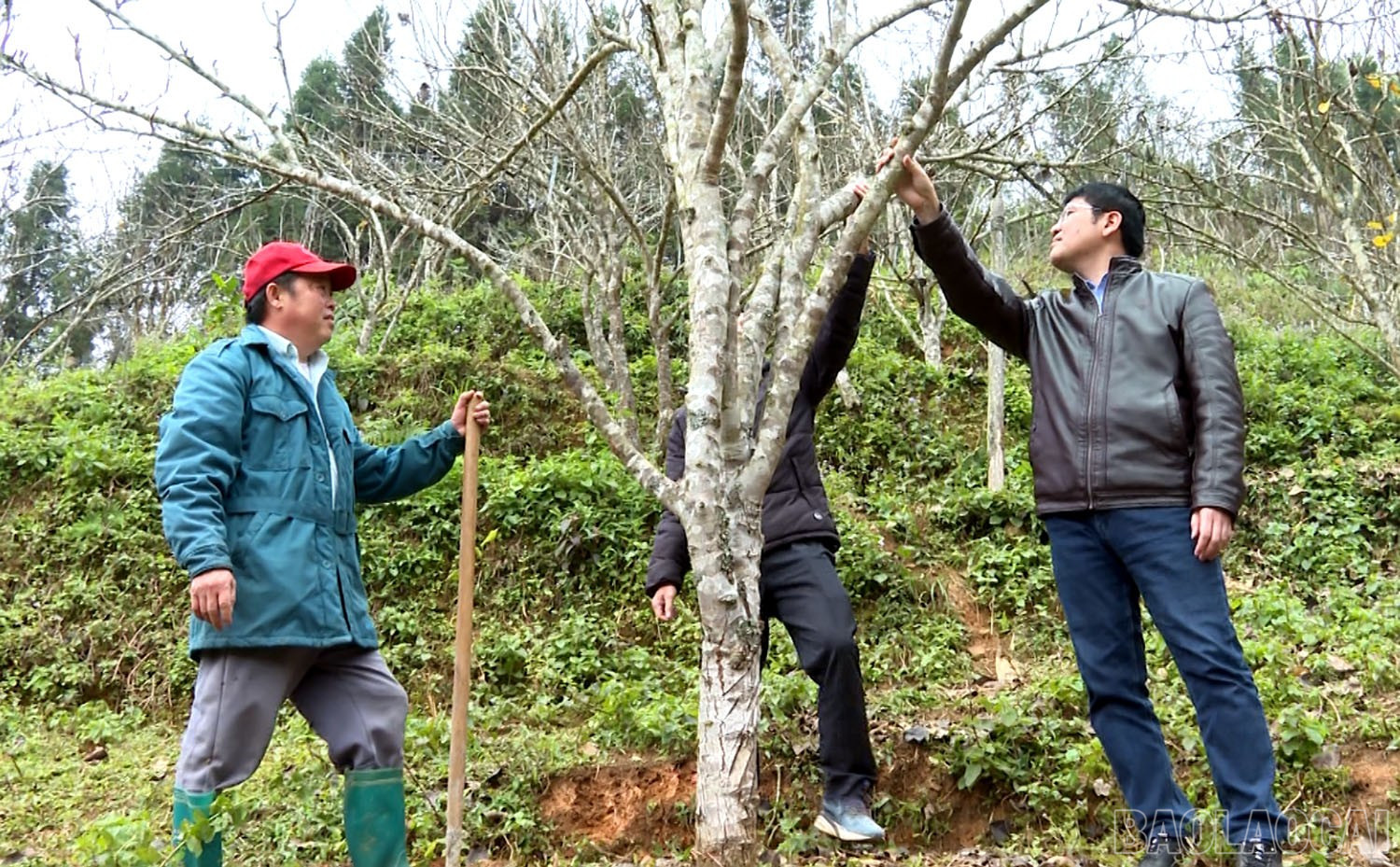
Mr. Vang said: “Currently, the pear and plum trees in our family's orchard yield fruit regularly every year, with fairly stable prices ranging from 30,000 to 50,000 VND/kg. On average, our family earns over 100 million VND annually from fruit trees. Along with forestry, livestock farming, and rice cultivation, the total income of our family reaches over 150 million VND after deducting expenses.”
Seeing the clear benefits from fruit trees, in 2025 Mr. Vang's family continued to register to plant an additional 150 persimmon trees under the commune's mobilization and support program, aiming to form a comprehensive fruit orchard model.
It's not just Mr. Vang's family; the movement to switch to growing temperate fruit trees is spreading throughout the village. The Party Secretary of La Di Thang village, Giang Seo Pha, said: “All 61 households in the village have participated in fruit tree cultivation. Currently, the village has about 38 hectares of fruit trees including plums, peaches, pears, persimmons, etc. Thanks to fruit tree cultivation, the income of households has improved significantly, and the poverty rate in the village has decreased rapidly. By 2025, the village will only have 8 poor households.”
The fruit tree development models have helped people change their farming practices, shifting from growing low-yield corn and upland rice to cultivating high-value crops suitable for the temperate climate characteristic of the Lung Phinh highlands.
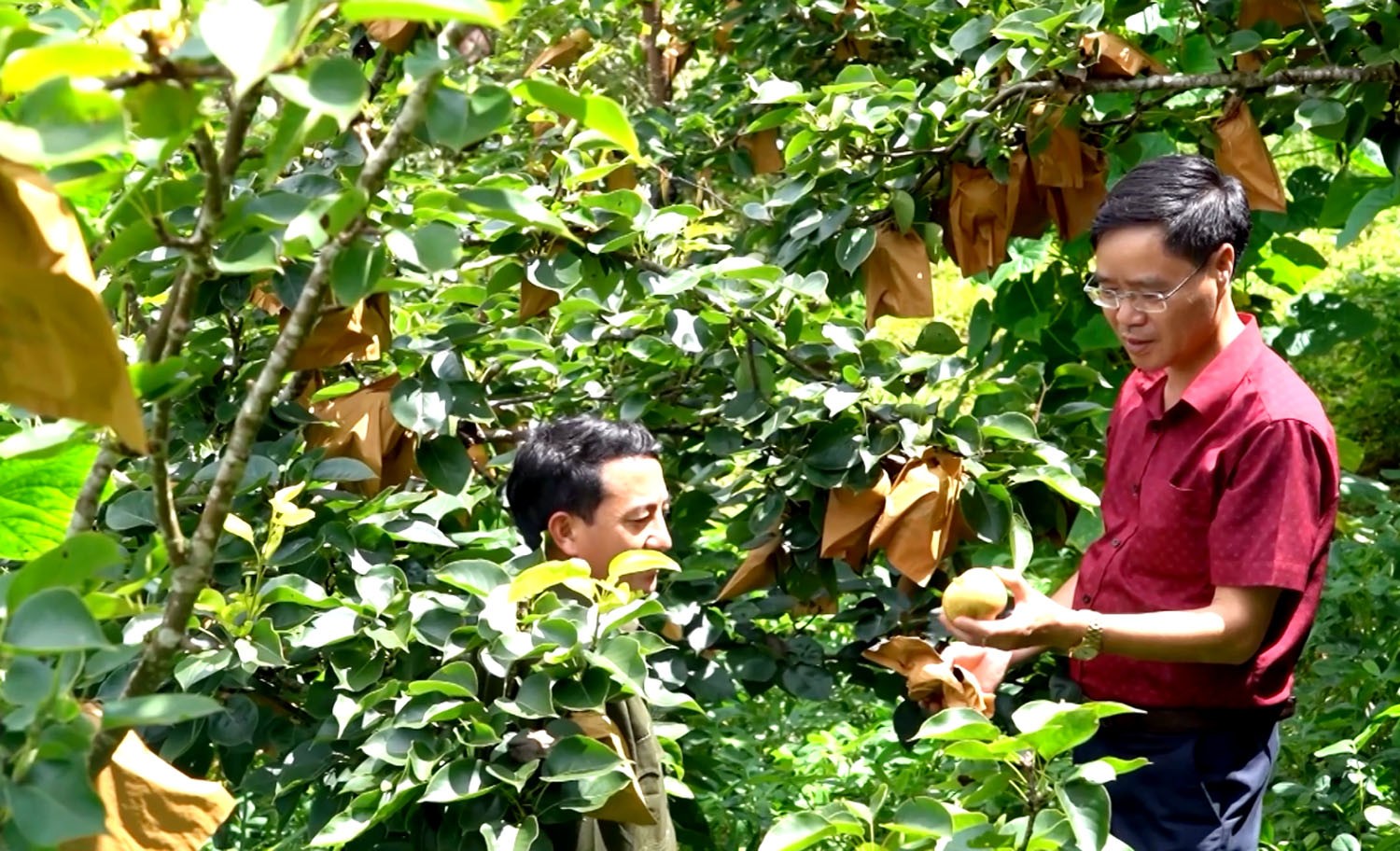
Expanding the fruit-growing area is the strategic direction of the commune.
Temperate fruit trees are currently identified as one of the key crops of Lung Phinh commune, in line with the agricultural restructuring orientation to increase value per unit of cultivated area.
The total area of fruit trees in the commune reached over 588 hectares in 2025, of which over 326 hectares were currently producing fruit. The fruit yield reached 2,670 tons per year, making a significant contribution to agricultural growth and people's income.
Recognizing the benefits of temperate fruit trees, in 2025, Lung Phinh commune will continue to support the people in planting 25 hectares of crunchy persimmons under the National Target Program on Sustainable Poverty Reduction.
The commune also aims to increase the total area of fruit trees to 868 hectares in the near future to create a concentrated commodity production area, helping people have more sustainable sources of income.
The expansion of fruit-growing areas is being carried out in a coordinated manner, focusing on supporting high-quality seedlings, transferring technology, linking product consumption, and gradually establishing branded fruit regions.
At the same time, Lung Phinh commune focuses on developing a model that combines agricultural tourism experiences, creating a promising economic development direction alongside traditional production.
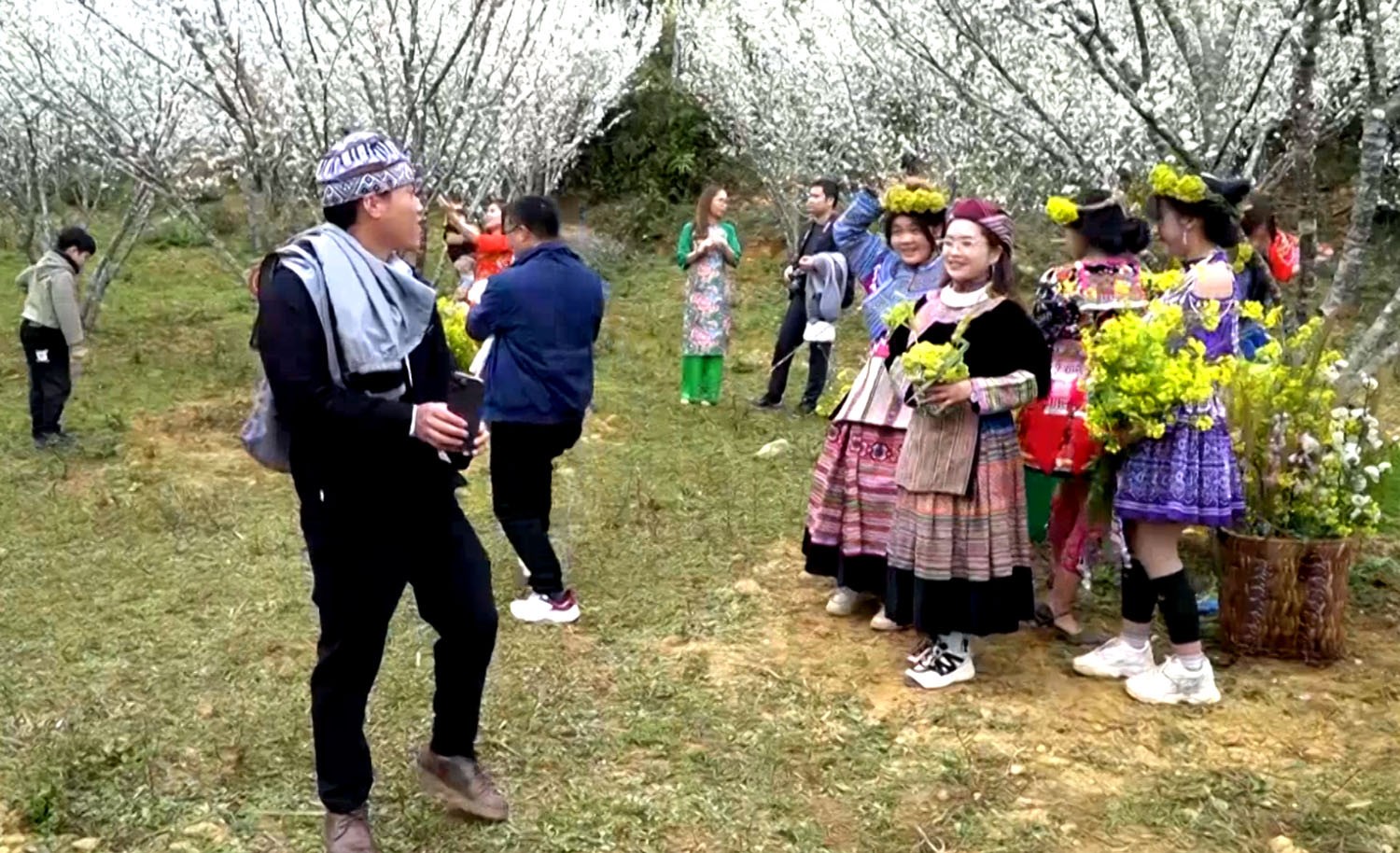
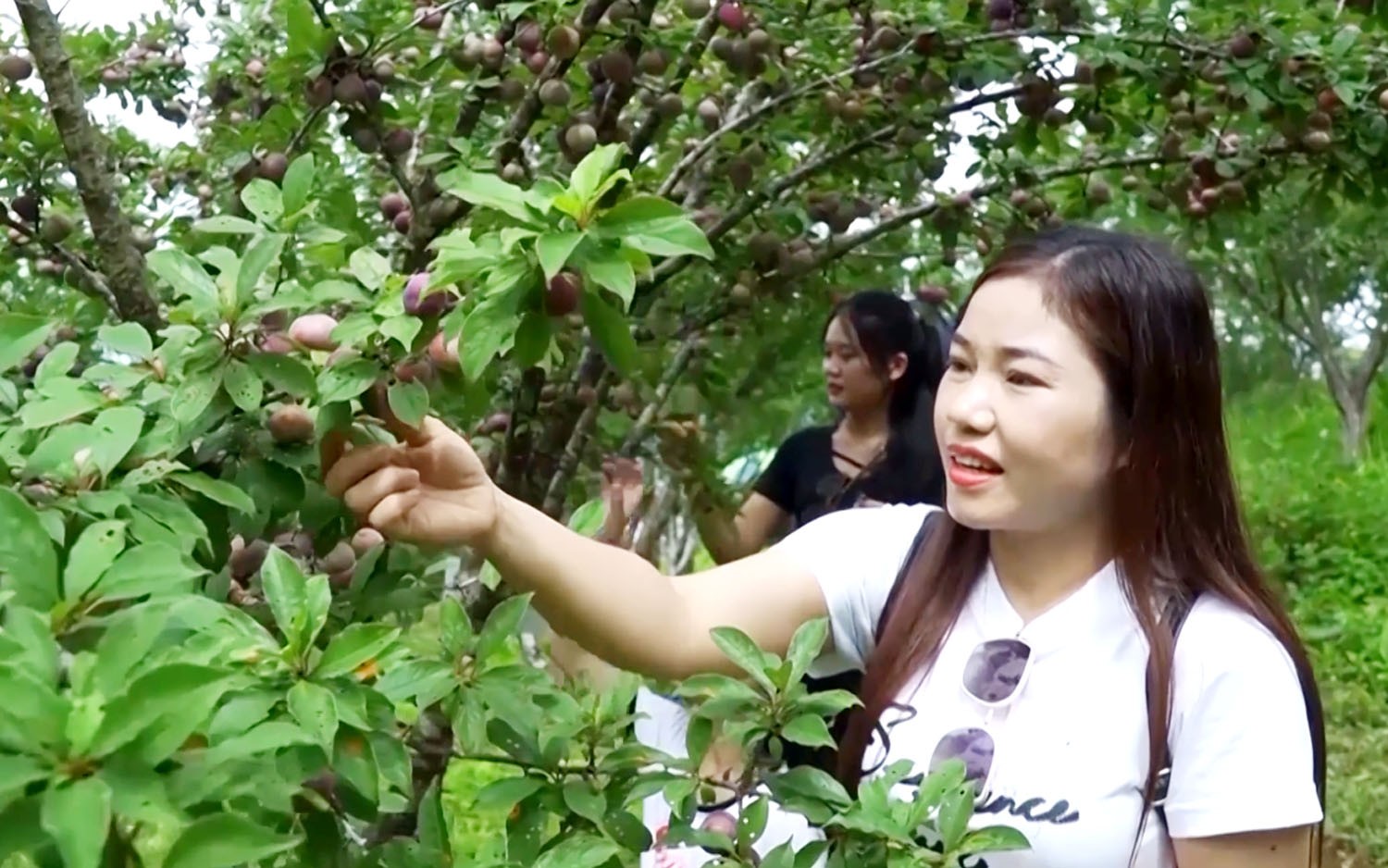
From a remote, impoverished commune with a high poverty rate, Lung Phinh is gradually transforming by leveraging its natural strengths. The shift in crop cultivation, especially the development of temperate fruit trees, has helped many households achieve stable incomes, gradually escaping poverty and becoming prosperous. This is also an important foundation for the locality to continue implementing its sustainable poverty reduction goals for the 2025-2030 period.
Source: https://baolaocai.vn/lung-phinh-giam-ngheo-nho-phat-trien-cay-an-qua-on-doi-post888804.html

























































Comment (0)