

According to the Department of Crop Production and Plant Protection, in the northern and north-central provinces, the pests currently mainly exist on rice stubble, weeds, and crop residues after harvest.
Meanwhile, in the South Central coastal region and the Central Highlands, the rice crop, currently in the heading-ripening stage, is facing significant pressure from stem borers, brown planthoppers, white-backed planthoppers, blast disease (leaf and panicle), and grain discoloration. Specifically for the early winter-spring rice crop (sown-seedling stage), pests such as thrips, stem borers, armyworms, and small leaf rollers have begun to emerge and cause damage.
In the Southern region, brown planthoppers are commonly found in the 1st-3rd instar stage, causing damage to rice crops during the tillering-heading stage.
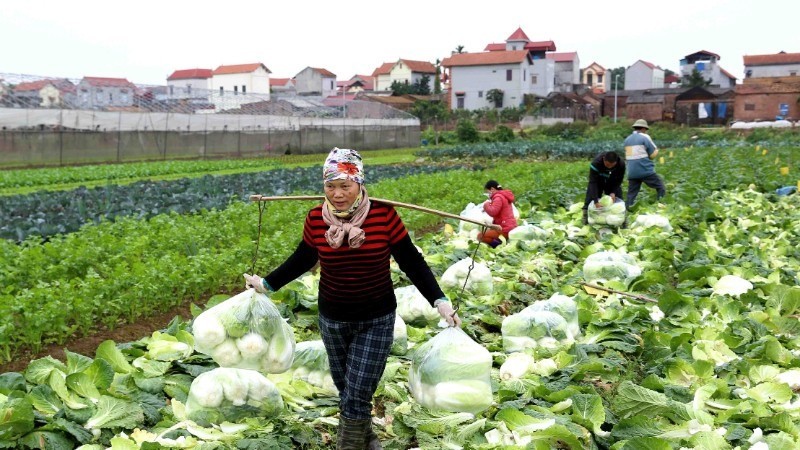
Not only rice crops, but also vegetables and fruit trees are under pressure from pests and diseases. On cruciferous vegetables, flea beetles, diamondback moths, downy mildew, and soft rot continue to spread; tomato plants are also affected by tomato leaf curl virus.
For fruit trees, citrus farmers need to be vigilant against fruit flies, mealybugs, and yellow leaf rot disease. In particular, on durian trees, stem cracking and gumming disease is at risk of spreading rapidly in orchards with poor drainage. In southern provinces, brown spot disease on dragon fruit is also becoming more complex due to high humidity.
To limit the spread and outbreak of pests and diseases, the Department of Crop Production and Plant Protection requests that localities in the Southern region continue to closely monitor the development of rice planthoppers in the fields, and recommends that farmers inspect the rice plants carefully to detect young planthoppers hiding under the roots and take timely management measures.
In areas preparing for the 2025-2026 winter-spring rice planting season, local authorities should advise farmers to properly clean their fields, prepare the soil thoroughly, reinforce dikes, increase water pumping and drainage, and monitor meteorological and hydrological conditions to ensure simultaneous planting and minimize damage caused by unfavorable weather conditions.
Currently, the weather is characterized by alternating rain and sunshine, with heavy rain in the late afternoon and evening, and high humidity, creating favorable conditions for the development of fungi and bacteria that cause damage to rice crops. Therefore, farmers need to pay attention to bacterial leaf blight, leaf blast on rice during the tillering-heading stage, neck blast, and grain discoloration during the heading-ripening stage.
In addition, farmers need to regularly inspect their fields to detect diseases early and implement effective management measures. Proactively spraying with specific pesticides is essential to protect rice yield and quality.
The Department of Crop Production and Plant Protection also noted that provinces in the Northern region, in harvested rice fields, need to urgently organize field sanitation to limit the presence of diseases on rice stubble and post-harvest residues.
The provinces in North Central Vietnam are inspecting dike systems, canals, and rural transportation infrastructure to plan for repairs and upgrades to meet drainage and drought prevention needs for rice production during the planting season.
For vegetable crops, quickly harvest crops in low-lying areas. Urgently prepare the land and replant areas damaged by natural disasters with crops suitable for local farming conditions.
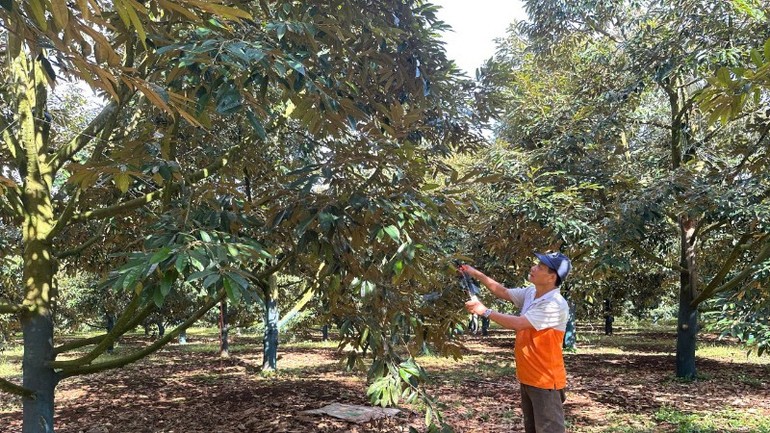
For fruit trees and industrial crops, the Department of Crop Production and Plant Protection recommends that farmers continue to implement technical measures for care and fertilization to restore orchards and drain water from low-lying areas. Control pests affecting fruits and root crops. Actively remove and destroy diseased plant residues according to technical requirements. Simultaneously, drain water from flooded areas and increase winter crop production to ensure the growth target for 2025 is met.
Source: https://baolaocai.vn/tang-cuong-giam-sat-sinh-vat-hai-cay-trong-post888785.html
















![[Photo] Prime Minister Pham Minh Chinh holds a phone call with the CEO of Russia's Rosatom Corporation.](/_next/image?url=https%3A%2F%2Fvphoto.vietnam.vn%2Fthumb%2F1200x675%2Fvietnam%2Fresource%2FIMAGE%2F2025%2F12%2F11%2F1765464552365_dsc-5295-jpg.webp&w=3840&q=75)















































Comment (0)