

Tao Giang village in Ban Lau commune is a shining example of solidarity, innovative production thinking, and sustainable poverty alleviation. Over the years, the economic lives of the villagers have seen significant improvements. Currently, the village has 73 well-off or wealthy households, 25 near-poor households, and only 10 poor households remaining.
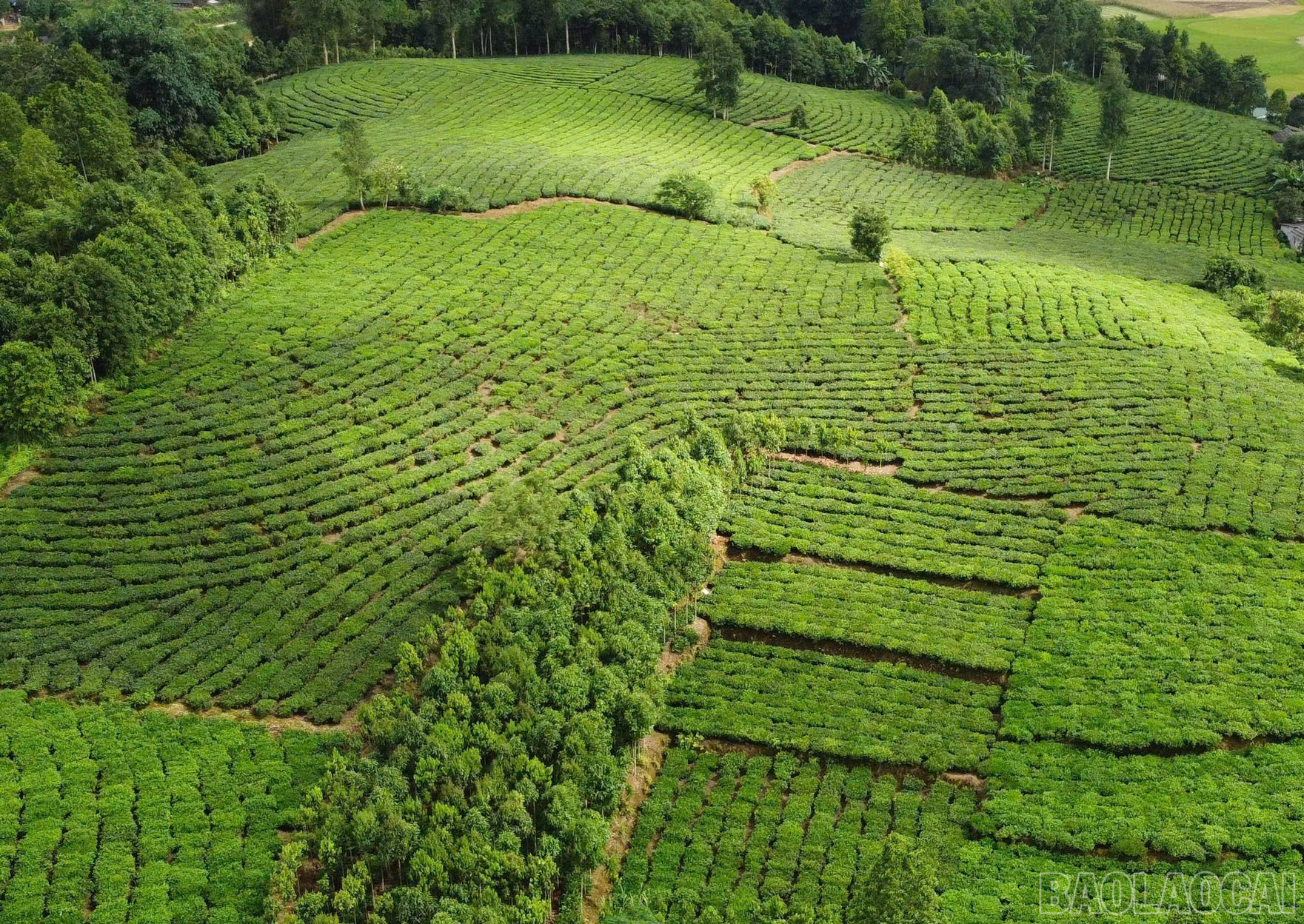
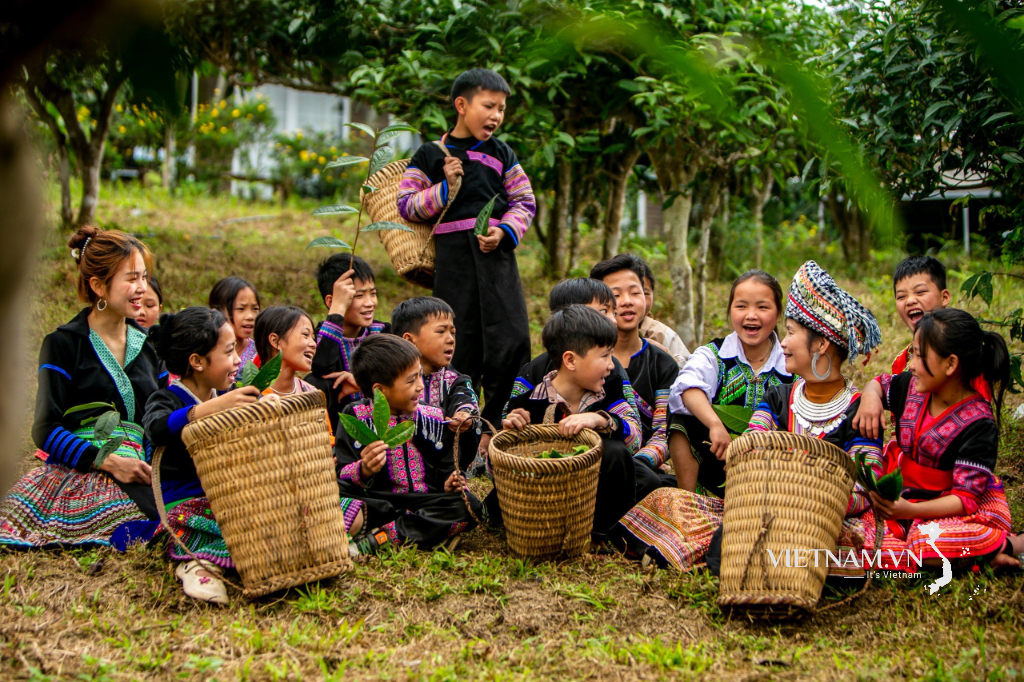
The most notable achievement in Tao Giang is the strong development of the Tea Growing Professional Association, with 35 participating households. To support members in expanding production towards a commercial scale, the village's Farmers' Association, in coordination with the Savings and Loan Group, the Social Policy Bank, and the Agricultural and Rural Development Bank, has facilitated access to a total of 1.365 billion VND for households to invest in tea cultivation.
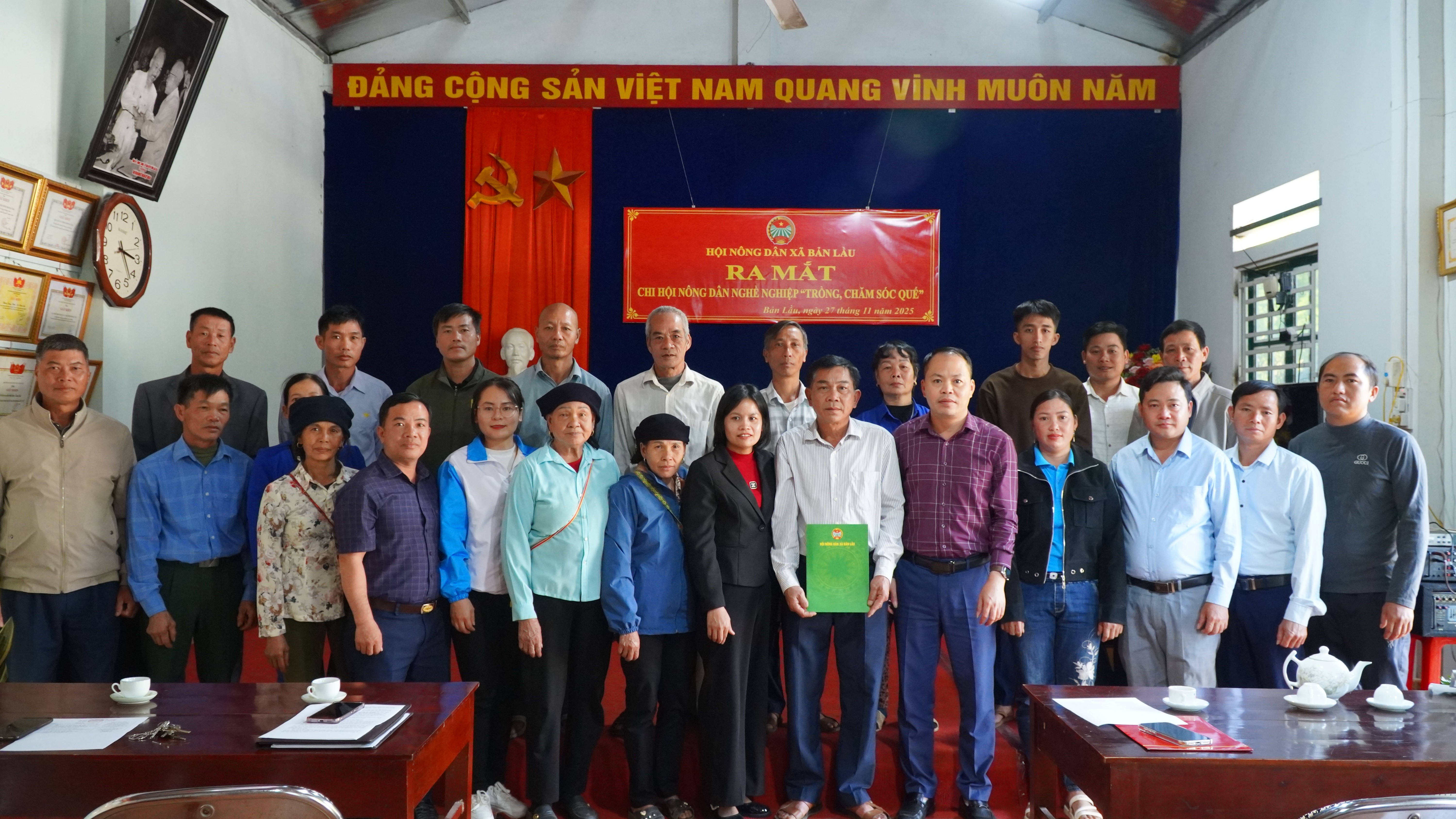
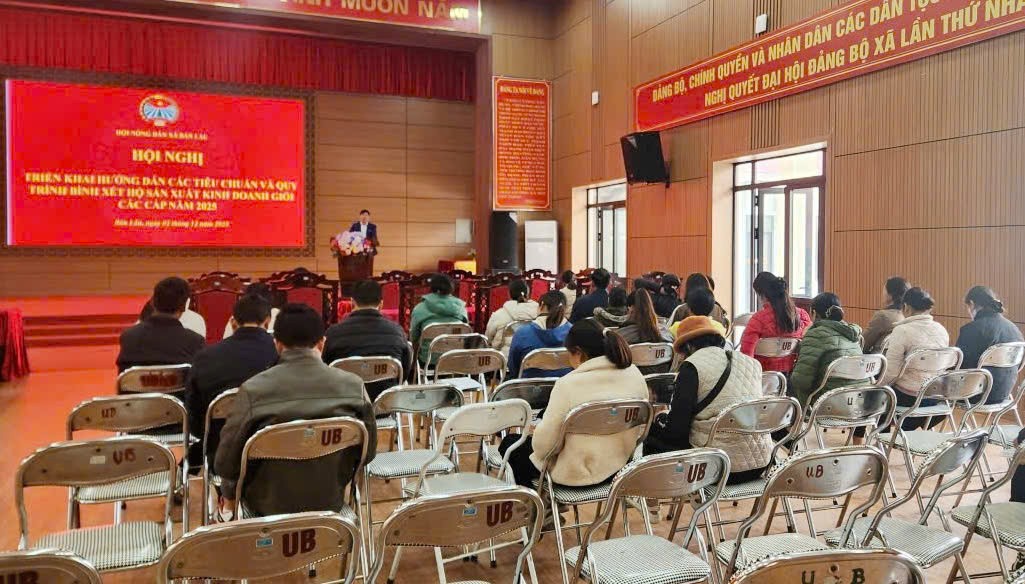
In parallel, the Farmers' Association of the commune regularly organizes training courses on tea cultivation and care techniques according to food safety standards, as well as training on collective economics and agricultural value chains. Thanks to this knowledge enhancement, the members' level of awareness has improved; the spirit of responsibility and democracy in group activities has been promoted; and the meetings are held regularly and are becoming increasingly high-quality.
In addition to receiving financial and technical support, members of the group regularly exchange information on weather, prices, agricultural supplies, pest control methods, and share production and business experiences. Many members who were previously shy and reserved now confidently participate, proactively proposing new production directions. The bonds between households are strengthened, and the spirit of mutual support in daily life has become a beautiful tradition of the community.
Mr. Duong Van Thuong, head of the Tea Growing Professional Association in Tao Giang village, said: After 3 years of establishment, 100% of households in the association have accessed scientific and technical advancements and are producing tea in a commercial direction. By 2025, each household is expected to harvest an average of over 10 tons of tea per year, generating nearly 100 million VND in income per household, significantly contributing to improving living standards and creating a solid foundation for poverty reduction and sustainable development.
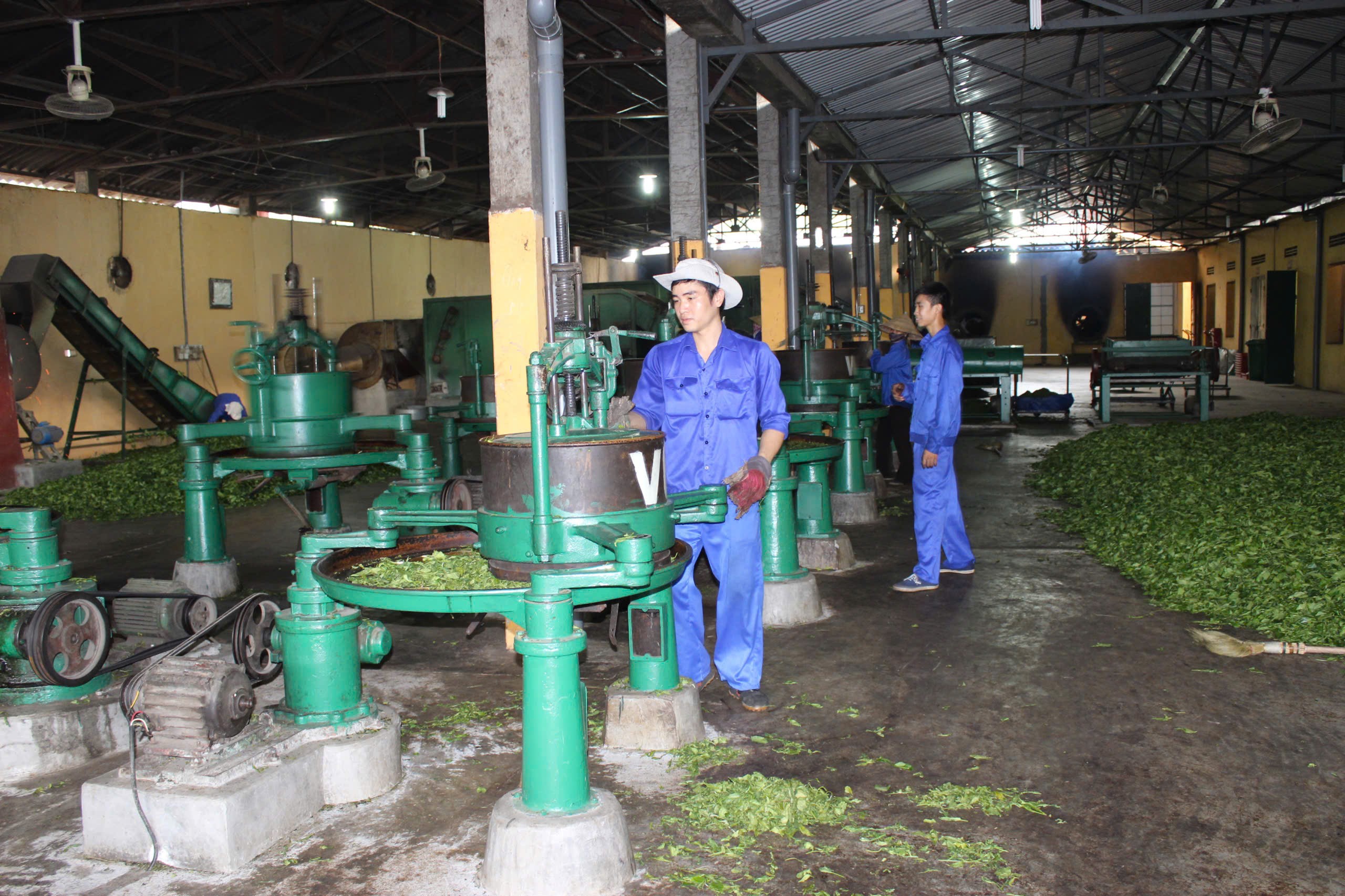
Based on initial successes, the association proposed that Ban Lau commune and the agricultural sector continue to focus on promoting and guiding people to produce tea according to high-quality standards, moving towards organic tea; implement policies to support intensive farming to increase productivity; and call on cooperatives and processing facilities to maintain stable purchase prices to harmonize the interests of businesses and farmers. This is an important foundation for the continued replication of professional association models like Tao Giang.
The achievements of Tao Giang village have made a positive contribution to the overall development of Ban Lau commune. The commune currently has over 3,436 farming households, accounting for 85% of the total households. Ms. Trinh Thi Huong, Chairwoman of the Ban Lau Commune Farmers' Association, stated: "As a central force in local economic development, in recent years, Ban Lau farmers have continuously innovated their thinking, boldly participating in cooperatives and production linkages, and proactively adopting scientific and technological advancements in farming and livestock raising. From boldly changing crop structures and applying safe farming practices to accessing economic models along the value chain, the income of households has gradually increased, and their lives have become more stable and prosperous. The farmers' spirit of overcoming difficulties and daring to think and act has created a crucial impetus for Ban Lau to accelerate sustainable poverty reduction and build a modern commodity-based agricultural sector."
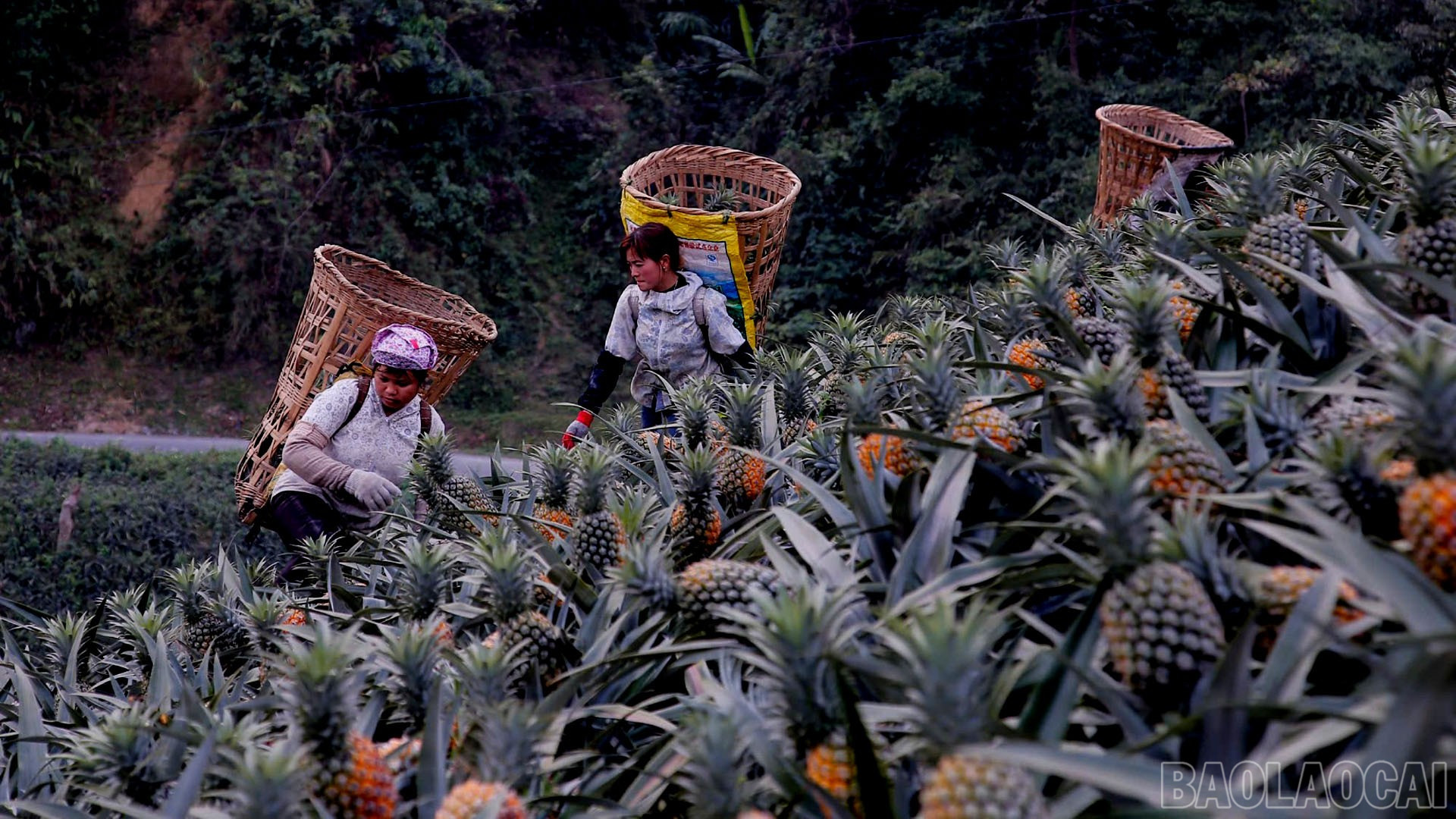
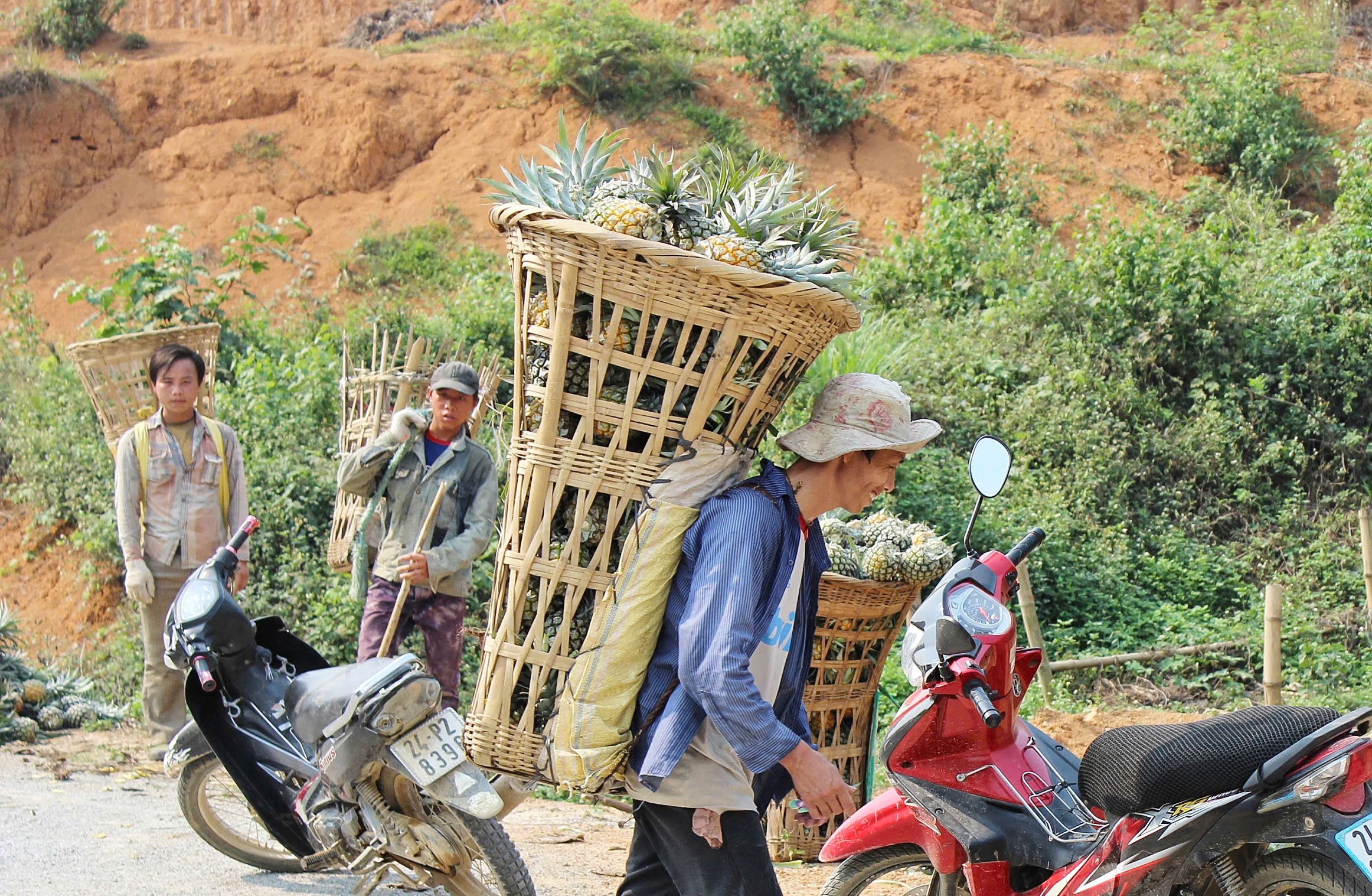
Typically, Ban Lau commune continues to innovate agricultural production towards a commodity-based approach, leveraging its favorable climate and soil conditions to form concentrated commodity production areas and value-linked production chains, such as banana and pineapple growing areas, and tea cultivation. The area of key, potential crops is 5,418.3 hectares; production value reaches 100 million VND/hectare; total food production reaches 5,507 tons/year; the commune has 10 products that meet OCOP 3-star standards.
In addition, the commune encourages people to build OCOP value chains and brands; and to bring agricultural products to e-commerce platforms to expand markets. Over the past three years, the commune has organized training for 360 farmer members, guided over 2,000 members in using social media, and helped more than 500 people install the "Vietnamese Farmers" digital platform, contributing to the modernization of agricultural production and consumption methods.
In 2025, the poverty rate in Ban Lau commune is expected to be 6.62%, with a poverty reduction rate of 5.69%, achieving 100% of the assigned plan. Mobilization of resources to achieve poverty reduction goals has been strengthened; poverty reduction policies have been implemented promptly and synchronously, with many villages adopting innovative and effective approaches. Poor and near-poor households have received support for production development, job creation, income generation, and access to basic social services to ensure a better life through a multi-dimensional approach.
Thanks to significant progress in poverty reduction and economic development, Ban Lau commune is gradually affirming its correct direction in building new rural areas and developing sustainable agriculture. With the determination of the Party committee and government, and the unity of the people, Ban Lau is opening up many new opportunities to improve the material and spiritual lives of its people, aiming for sustainable poverty reduction and comprehensive development in the coming years.
Source: https://baolaocai.vn/ban-lau-chuyen-minh-manh-me-trong-cong-tac-giam-ngheo-post888707.html

![[Photo] Closing Ceremony of the 10th Session of the 15th National Assembly](/_next/image?url=https%3A%2F%2Fvphoto.vietnam.vn%2Fthumb%2F1200x675%2Fvietnam%2Fresource%2FIMAGE%2F2025%2F12%2F11%2F1765448959967_image-1437-jpg.webp&w=3840&q=75)


![[Photo] Prime Minister Pham Minh Chinh holds a phone call with the CEO of Russia's Rosatom Corporation.](/_next/image?url=https%3A%2F%2Fvphoto.vietnam.vn%2Fthumb%2F1200x675%2Fvietnam%2Fresource%2FIMAGE%2F2025%2F12%2F11%2F1765464552365_dsc-5295-jpg.webp&w=3840&q=75)









































![[OFFICIAL] MISA GROUP ANNOUNCES ITS PIONEERING BRAND POSITIONING IN BUILDING AGENTIC AI FOR BUSINESSES, HOUSEHOLDS, AND THE GOVERNMENT](https://vphoto.vietnam.vn/thumb/402x226/vietnam/resource/IMAGE/2025/12/11/1765444754256_agentic-ai_postfb-scaled.png)












































Comment (0)