

Dr. Tran Thi Ngoc Anh, a specialist in Endocrinology at Nguyen Tri Phuong Hospital, stated that diabetes is a medical condition heavily influenced by diet, especially sugary foods. Many methods exist to help patients adjust their diets. Below are two main approaches to help patients estimate portion sizes, thereby contributing to blood sugar control.
Plate method
Use a plate with a diameter of about one handspan (approximately 20 cm). For a meal, half the plate should consist of non-starchy vegetables such as cabbage, watercress, asparagus, lettuce, radishes, eggplant, broccoli, Chinese cabbage, kohlrabi, okra, cucumber, spinach, Brussels sprouts, and green beans. A quarter of the plate should be protein-rich foods such as chicken, eggs, fish, beef, pork, or legumes and tofu. The remaining quarter should be starchy foods such as potatoes, rice, noodles, fruit, or a glass of milk. Drink water after the meal.
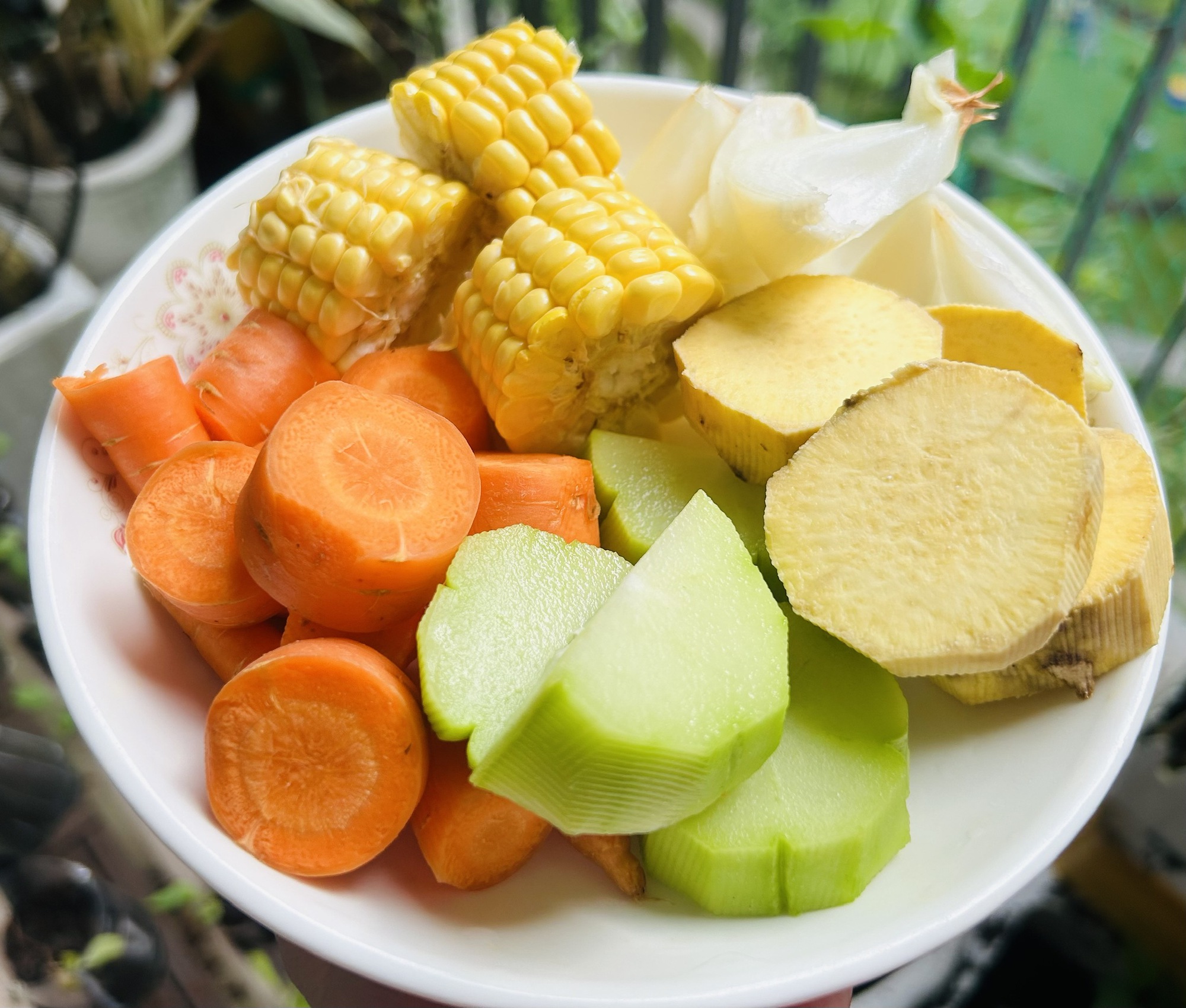
Using forks helps measure the amount of food from different food groups.
Hand method
This method helps estimate portion sizes simply using the palm of your hand. Accordingly, for a meal, the amount of fiber (such as vegetables) would fill about two palms. The amount of carbohydrates or fruit would fill about one handful. Protein (meat, fish, eggs) would fill about one palm. Fats such as butter, fish oil, seed oils, etc., would be about the size of a thumb. In addition, add 200 ml of unsweetened milk.
The doctor also noted that it's better to choose fats rich in long-chain fatty acids, such as fish oil and seed oils, rather than animal fats. Salt intake should be limited to less than 2.3 grams per day.
Soft drinks, sweets, and other sugary foods should be avoided. Focus on three main meals a day and avoid snacking, especially for patients using insulin injections.
Source link
![[Image] Close-up of the newly discovered "sacred road" at My Son Sanctuary](/_next/image?url=https%3A%2F%2Fvphoto.vietnam.vn%2Fthumb%2F1200x675%2Fvietnam%2Fresource%2FIMAGE%2F2025%2F12%2F13%2F1765587881240_ndo_br_ms5-jpg.webp&w=3840&q=75)





















































































Comment (0)