

Minister of Agriculture and Environment Do Duc Duy urged citizens and businesses to report instances of businesses engaging in price manipulation or fire sales that negatively impact the rice export market, so that corrective measures can be taken.
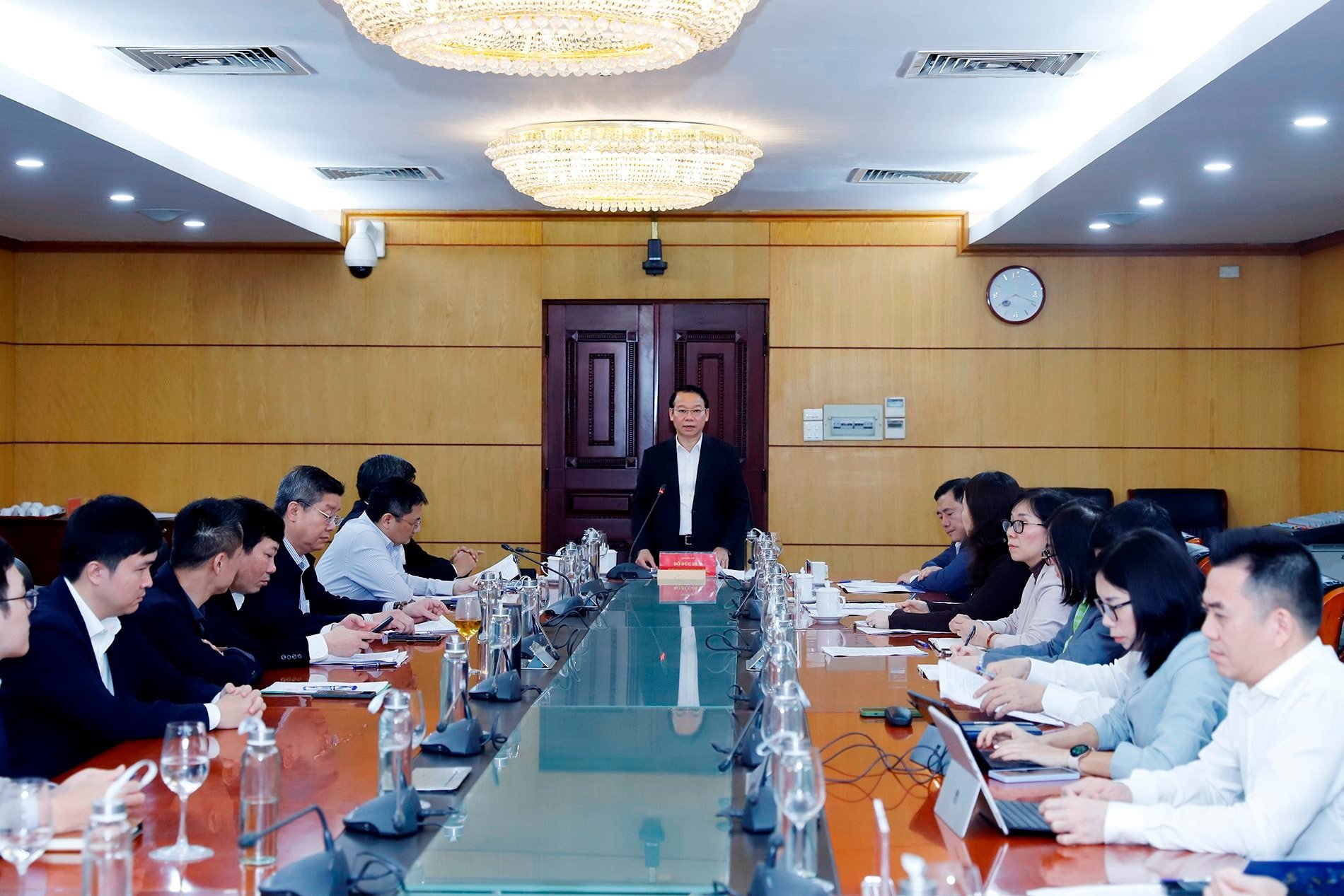
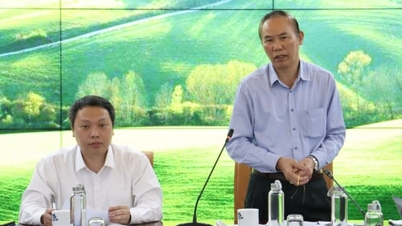
Minister Do Duc Duy chaired a meeting with the Ministry of Industry and Trade , the State Bank of Vietnam, localities in the Mekong Delta, and associations and businesses exporting rice - Photo: K.TRUNG
Minister of Agriculture and Environment Do Duc Duy emphasized this point when concluding a meeting on the production and consumption of rice in the Mekong Delta region, organized by the ministry on March 4th.
Vietnamese rice prices have fallen sharply; are export businesses resorting to panic selling?
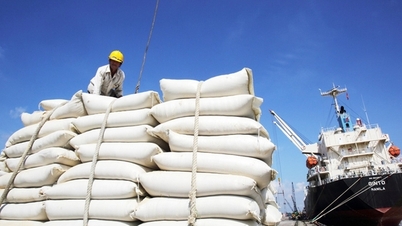
According to Mr. Duy, rice exports have faced difficulties in both quantity and price recently due to increased supply, especially from India, while demand has not increased significantly.
However, Mr. Duy argued that the problem lies in the fact that, while all countries are facing common difficulties, Vietnam has experienced the deepest decline in export prices.
"This is an issue, and we need to look at it frankly and objectively. Besides the difficulties caused by reduced imports from other countries, could there be problems stemming from our partners?"
Within industry associations, is there unhealthy competition among businesses? Is there a phenomenon of panic selling when the market declines?
I believe there's a problem with our transactions going through so many intermediaries, which means traders buy rice at low prices, reducing profits and impacting the morale of farmers.
"Local authorities also need to be frank. I am very concerned that while rice export prices in other countries have decreased, why has ours fallen so sharply? Therefore, we must have the right and effective solutions for this," Mr. Duy said.
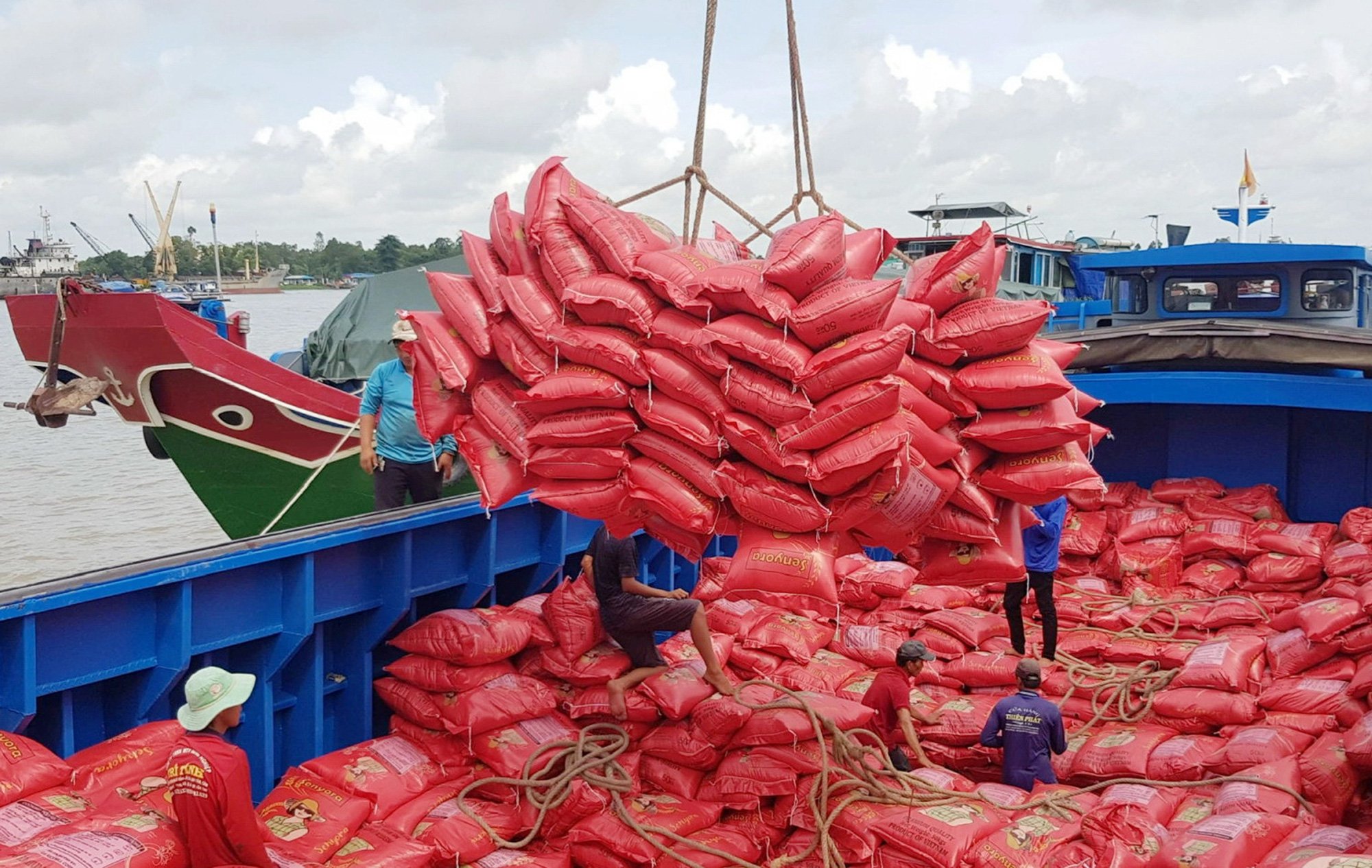
In the first two months of 2025, exports reached 1.1 million tons and $613 million, an increase of 5.9% in volume but a decrease of 13.6% in value compared to the same period in 2024 - Photo: BUU DAU
Establish a team to inspect rice exporting businesses.
Given the challenging export market conditions and the fact that the Mekong Delta is entering its main winter-spring harvest season with a large yield, Mr. Duy suggested that units under the Ministry of Agriculture and Environment closely monitor developments in the global rice market, especially policy adjustments in major rice-exporting countries such as India and Thailand.
At the same time, we need to understand the import demand for rice in large markets with significant potential, such as the US, Japan, Africa, and the Middle East, in order to make timely adjustments to production and export plans in line with market developments.
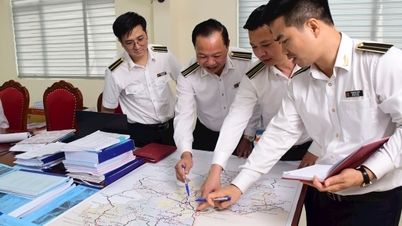
Regarding the Ministry of Industry and Trade, Mr. Duy suggested that inter-agency inspection teams be established soon to inspect and evaluate the implementation of Decree 107/2018 on rice export business, including issues related to mandatory reserve requirements and the conditions for businesses to meet them.
"This inspection is necessary to help us identify any issues where businesses are not complying well, so we can rectify them and create a healthy competitive environment among businesses," Mr. Duy said.
Mr. Duy suggested that the State Bank of Vietnam take the lead in researching and calculating the allocation of credit resources for capable enterprises with logistics warehousing systems to borrow for purchasing rice for temporary storage during periods of market volatility.
At the same time, commercial banks are directed to facilitate access to credit at reasonable interest rates for people and businesses, in order to meet the credit needs for purchasing rice for export, especially for purchasing commercial rice in this winter-spring crop and subsequent crops.
"Local authorities are stepping up production based on orders from businesses. We produce to sell what the market needs, not what we have. When we do this, it naturally creates a sustainable supply chain," Mr. Duy said.
Mr. Duy also suggested that rice exporting businesses proactively seek markets, especially traditional trading partners, and strengthen production, processing, and consumption linkages to overcome the situation of farmers being forced to accept low rice prices and minimize intermediaries.
"We urge businesses that operate properly to promptly report any cases of unethical practices, price gouging, or fire sales that negatively impact the market, so that corrective measures can be taken," Mr. Duy emphasized.
Proposal to introduce a floor price regulation for rice exports.
At the meeting, Do Ha Nam, Vice President of the Vietnam Food Association, proposed that the Ministry of Industry and Trade establish a floor price for rice exports in accordance with Decree 107/2018, with the Vietnam Food Association proposing a price of 500 USD/ton (FOB price).
At the same time, strengthen inspections of rice exporting businesses, especially those that only purchase rice without participating in processing, or those that only engage in trading without participating in the export market.
Deputy Minister of Industry and Trade Nguyen Sinh Nhat Tan said the ministry is studying this issue. However, the Ministry of Industry and Trade is also considering activating reserves to ensure price stabilization.
Source: https://tuoitre.vn/bo-truong-do-duc-duy-chan-chinh-doanh-nghiep-xuat-khau-gao-ma-ep-gia-ban-thao-20250304164624409.htm

![[Photo] Prime Minister Pham Minh Chinh holds a phone call with the CEO of Russia's Rosatom Corporation.](/_next/image?url=https%3A%2F%2Fvphoto.vietnam.vn%2Fthumb%2F1200x675%2Fvietnam%2Fresource%2FIMAGE%2F2025%2F12%2F11%2F1765464552365_dsc-5295-jpg.webp&w=3840&q=75)






































































Comment (0)