

Hue, the former imperial capital, is a land where culinary art bears its own unique mark, characterized by elegance, sophistication, and diversity, from royal to folk cuisine. Hue women play a crucial role in preserving Hue's culinary traditions, having inherited cooking secrets from their mothers and grandmothers through family traditions. Generation after generation, they are like artisans preserving the beauty of Hue's cuisine through daily meals in their homes.
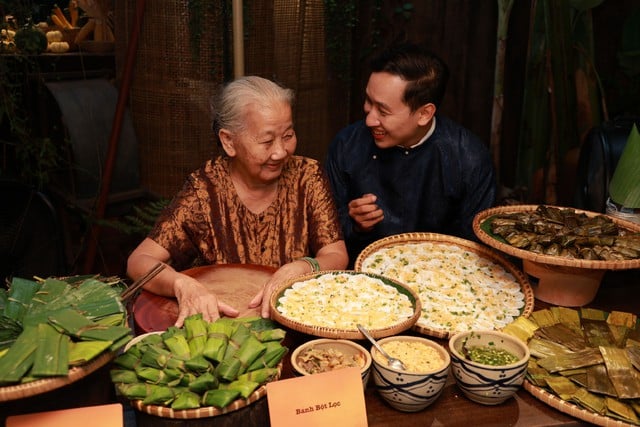
No matter where they go or what they do, people from Hue can never forget the familiar scent of their mother's kitchen.
Ma Thuong moved from Hue to Nha Trang more than 50 years ago, but whether in Nha Trang or elsewhere, she always carries with her the flavors of Hue cuisine. Like a mother and wife, she cooks daily as a simple, natural part of her life, preparing meals for her husband and children. She believes that the more she cooks, the better and more authentic the flavors become. Despite her age, she still enjoys making Hue dishes for her grandchildren to enjoy. For dishes like banh nam, banh bot loc, or banh canh tom, she usually goes to the market herself to buy the flour, banana leaves, and other ingredients, then kneads the dough, cuts the dough, makes the filling, meticulously preparing each step to create delicious meals for her family.
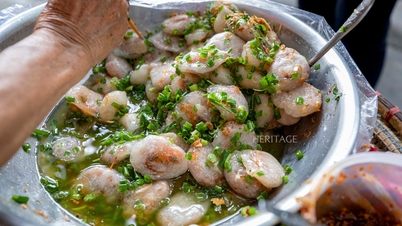
Banh bot loc (tapioca dumplings)
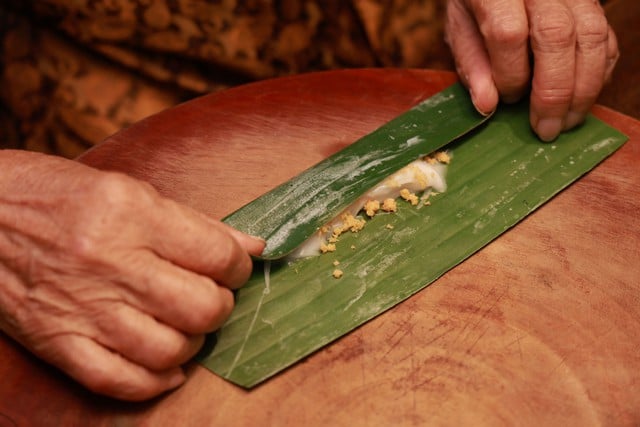
Starting with the tapioca dumpling, Ms. Thuong shared the story of a Hue woman who nurtured her love for her family through traditional dishes.
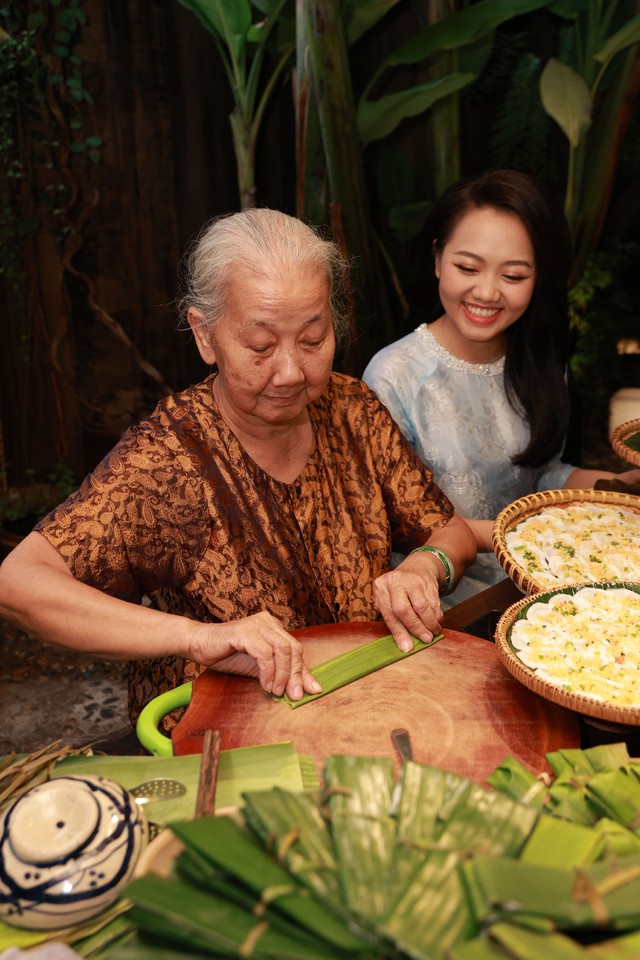
Ma Thuong wraps cakes at the Hue event - Remembering our mother of yesteryear.
Hue-style tapioca dumplings are a simple, easy-to-eat, and easy-to-make local delicacy. Along with banh nam and banh it, tapioca dumplings have created a unique characteristic of Hue cuisine.
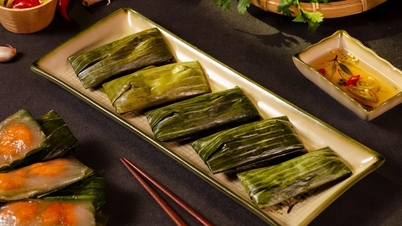
Banh nam
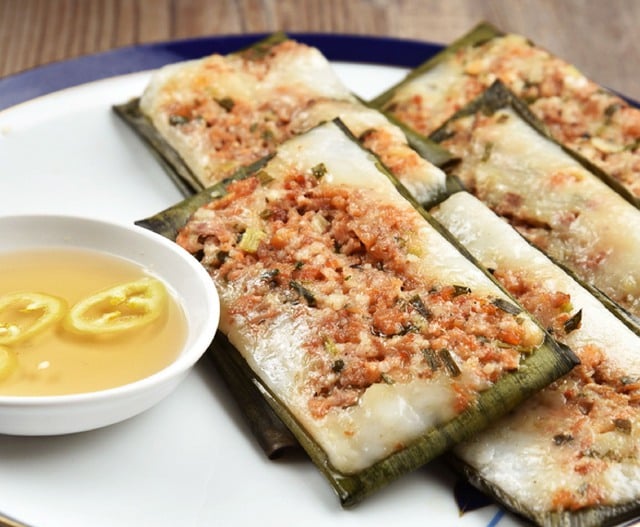
Hue-style banh nam is a rustic dish with a delicious, soft, and subtly shrimpy flavor. It's a dish that can satisfy the taste buds of any visitor to the ancient capital who wants to enjoy this local specialty.
Shrimp noodle soup
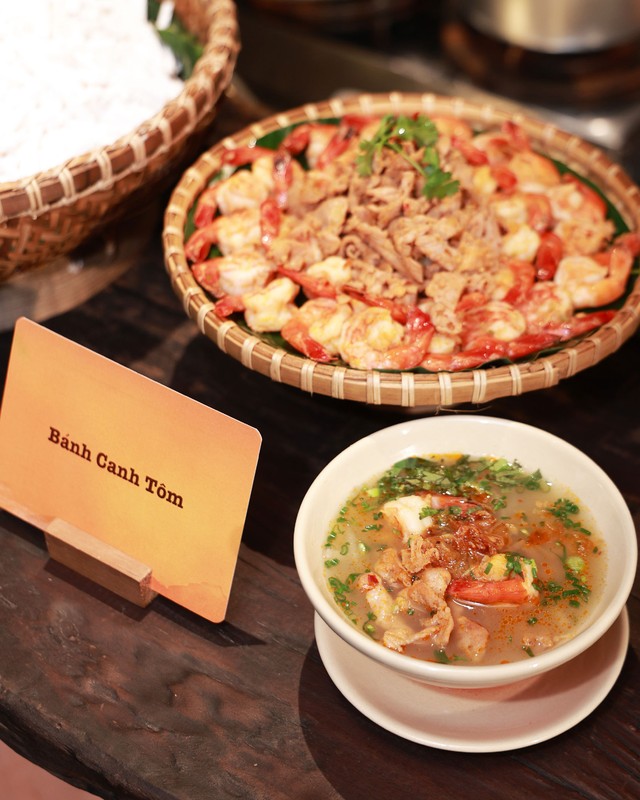
Shrimp noodle soup is also a Hue dish loved by many diners, with its chewy noodles and rich, sweet broth from the shrimp.
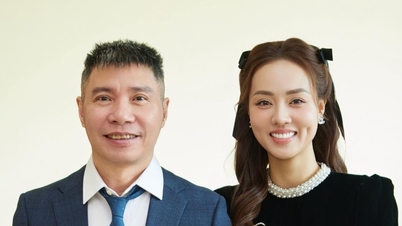
While Mrs. Thuong's story is that of a Hue woman preserving the flavors of her homeland in her home, Dao Huu Quy – a TikToker living and working in Hue – wants to share the story in the way of a young person preserving and spreading the beauty of Hue culture in the modern era.
Rice noodles with vinegar sauce
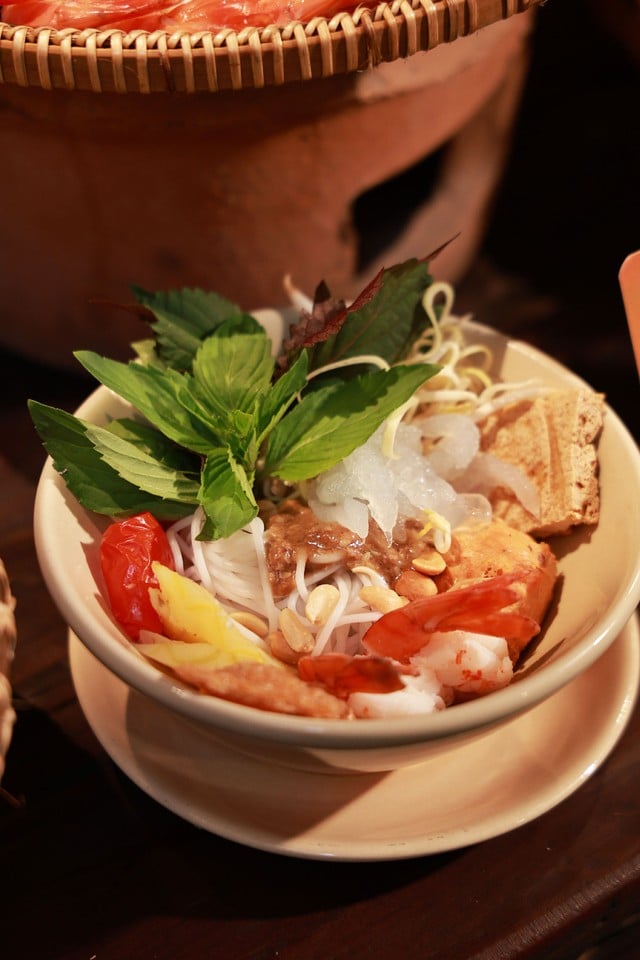
Huu Quy shared that bun giam nuoc (rice noodles with vinegar and fish sauce) is considered a precious delicacy, a dish once reserved for the aristocracy in Hue.
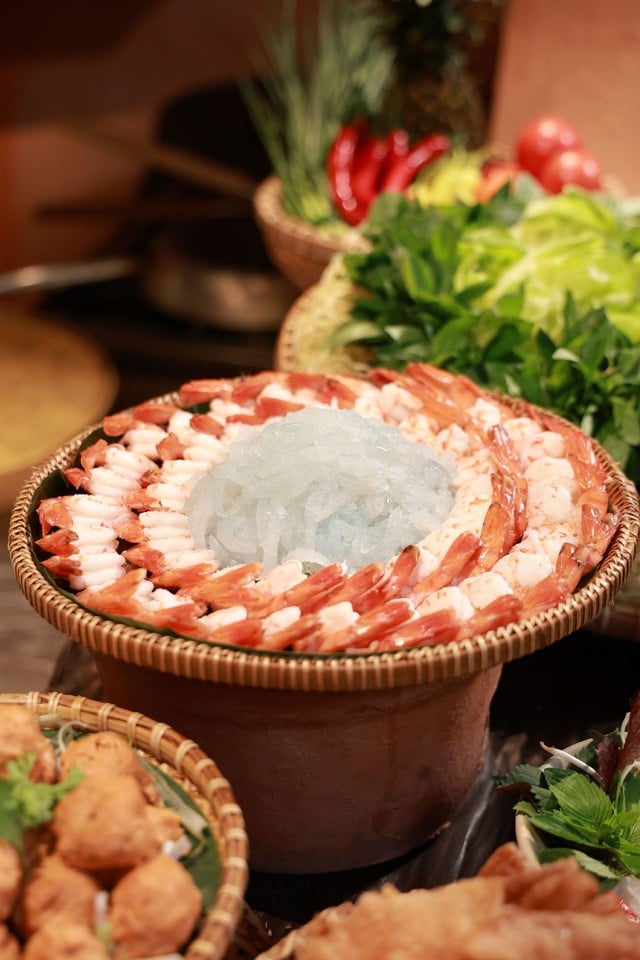
To make a truly flavorful and delicious bowl of vermicelli with sea snails, you can't do without striped shrimp and chewy, crispy sea snails.
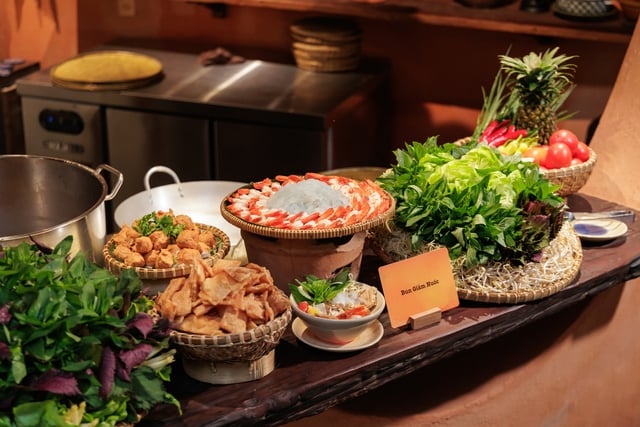
The original Bun Giam Nuoc (rice noodles with fermented shrimp paste) is known as a summer dish because the mudskipper only appears once a year during the summer in the brackish waters of Hue.
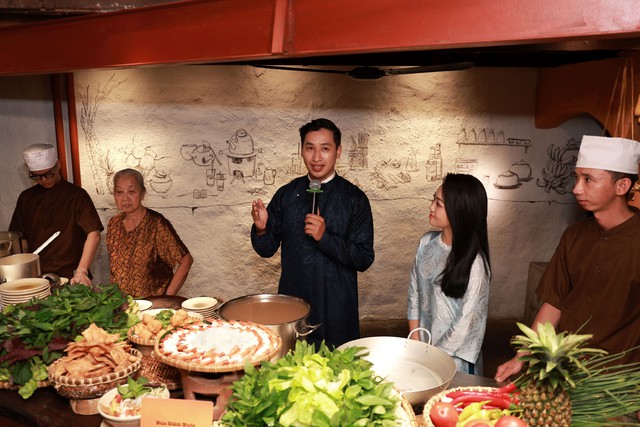
Dao Huu Quy introduces and guides you on how to make vermicelli with vinegar and fish sauce.
However, nowadays, jellyfish can be used as a substitute for the sea cucumber to make this dish more popular. The unique and elaborate aspect of the dish lies in the preparation of two types of broth: one made from liver combined with fermented soybean paste, peanuts, and sesame seeds; and another from goby fish caught in the Perfume River. The sweet and savory flavors, when combined with rice noodles and ingredients like sea cucumber, hand-ground crab cakes, shrimp, a little rice paper, fresh vegetables, and the characteristic spicy chili sauce of Hue, create an unforgettable culinary experience. Sea cucumber noodle soup is considered cooling, so it's often eaten after lunch.
Jam-filled cake
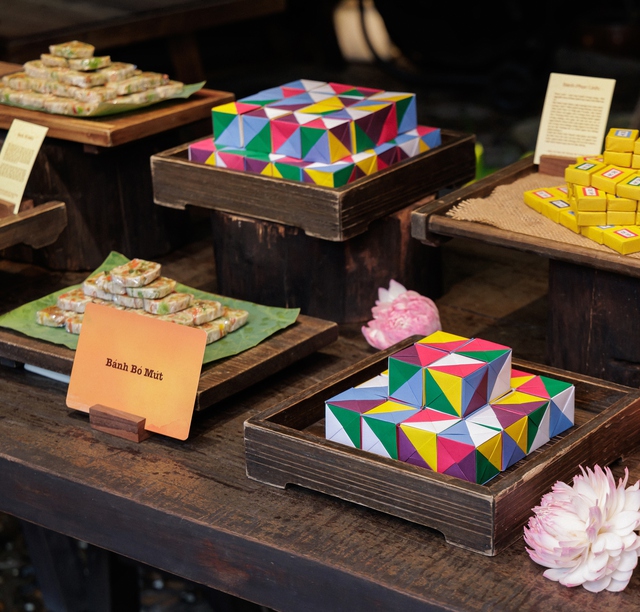
When talking about Hue cuisine, one cannot fail to mention the rich variety of pastries and desserts.
Bánh bó mứt, a traditional folk cake, is often made for family gatherings, ancestral commemorations, or simply when there's an abundance of ripe fruit in the gardens of Hue families and they feel it's a waste not to eat it all, so they'll use the leftover fruit to make cakes. Or, at the end of the year, when making jam for Tet (Lunar New Year), leftover jam scraps will also be used to make bánh bó mứt.
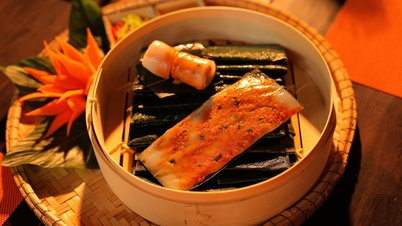
Rice cake
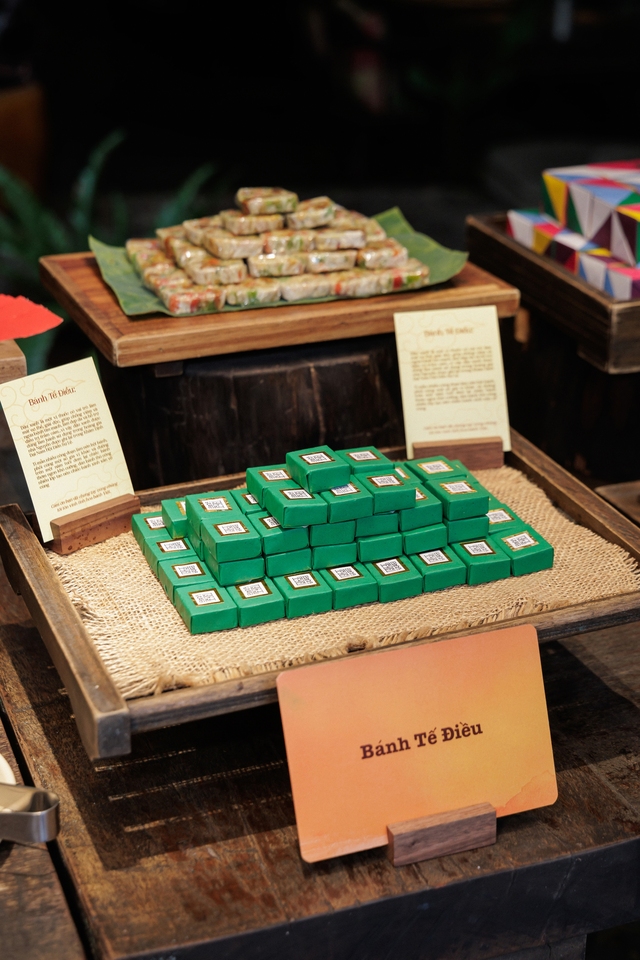
In the memories of some people from Hue who are descendants of the royal family, whenever there was a family anniversary or memorial service, the grandmother, mother, and aunts would all make various cakes and Hue dishes to offer to their ancestors. Some of these cakes still exist today, such as the "tế điều" cake.
There are two types of sticky rice cakes. The first type, also known as the "seven-fire" cake, is made primarily from mung beans and requires seven rather elaborate steps: soaking the mung beans in hot water, rinsing off the husks, roasting them, grinding them into a fine powder, sprinkling them with dew, simmering them in sugar syrup, smoothing them with flour, and shaping them using a mold. Next, bamboo strips are trimmed, bent, and the cakes are grilled over charcoal until golden and crispy. The second type of sticky rice cake is made with dried lotus seed powder.
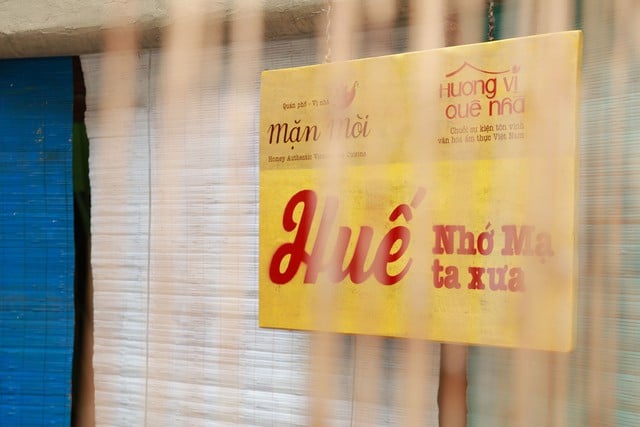
The taste of home - Remembering my mother of yesteryear
The "Flavors of the Homeland" series of events, organized by Mặn Mòi restaurant, is a collaboration with reputable Vietnamese culinary experts, cultural researchers, and local culinary artisans. The event includes cultural seminars, cooking demonstrations, and food tastings to honor and promote signature dishes from all 63 regions of Vietnam, showcasing the beauty of local culture through cuisine across the country.
Photo: FB Mặn Mòi
Source: https://thanhnien.vn/thoi-trang-tre/bun-giam-nuoc-banh-te-dieu-nhung-mon-ngon-kho-tim-cua-am-thuc-hue-185240626101354517.htm

![[Photo] Closing Ceremony of the 10th Session of the 15th National Assembly](/_next/image?url=https%3A%2F%2Fvphoto.vietnam.vn%2Fthumb%2F1200x675%2Fvietnam%2Fresource%2FIMAGE%2F2025%2F12%2F11%2F1765448959967_image-1437-jpg.webp&w=3840&q=75)


![[Photo] Prime Minister Pham Minh Chinh holds a phone call with the CEO of Russia's Rosatom Corporation.](/_next/image?url=https%3A%2F%2Fvphoto.vietnam.vn%2Fthumb%2F1200x675%2Fvietnam%2Fresource%2FIMAGE%2F2025%2F12%2F11%2F1765464552365_dsc-5295-jpg.webp&w=3840&q=75)
































![[OFFICIAL] MISA GROUP ANNOUNCES ITS PIONEERING BRAND POSITIONING IN BUILDING AGENTIC AI FOR BUSINESSES, HOUSEHOLDS, AND THE GOVERNMENT](https://vphoto.vietnam.vn/thumb/402x226/vietnam/resource/IMAGE/2025/12/11/1765444754256_agentic-ai_postfb-scaled.png)






























Comment (0)