

Expanding the creative space for traditional craft villages.
Sharing information about the Bat Trang pottery village, Deputy Chairman of the Bat Trang Commune People's Committee, Do Thanh Thuan, said that after implementing the two-tiered local government model (from July 1, 2025), Bat Trang commune has three pottery villages: Bat Trang, Giang Cao, and Kim Lan, with approximately over 6,000 households developing the craft. The commune has 173 artisans in the field of fine art pottery who have been awarded titles by the State. Bat Trang currently has 49 products with valid OCOP certification, many of which have achieved 5-star or potential 5-star ratings. The development of the pottery craft has helped the average per capita income in the commune reach over 87 million VND/person/year. In 2025, Bat Trang is expected to continue evaluating and classifying an additional 16 OCOP products and propose that the city appraise and recognize 15 artisans. The commune will also continue to refine and implement the project to develop the craft village in conjunction with experiential tourism .
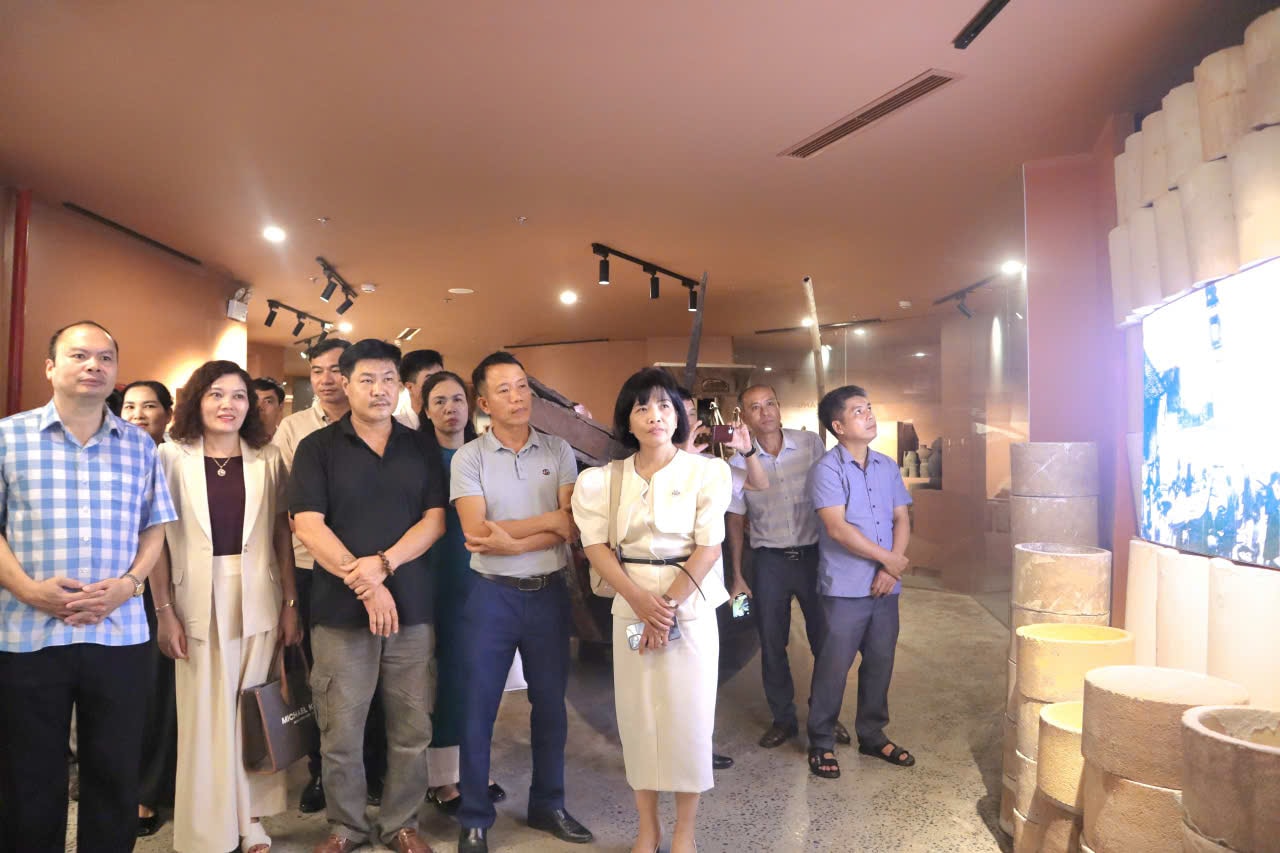
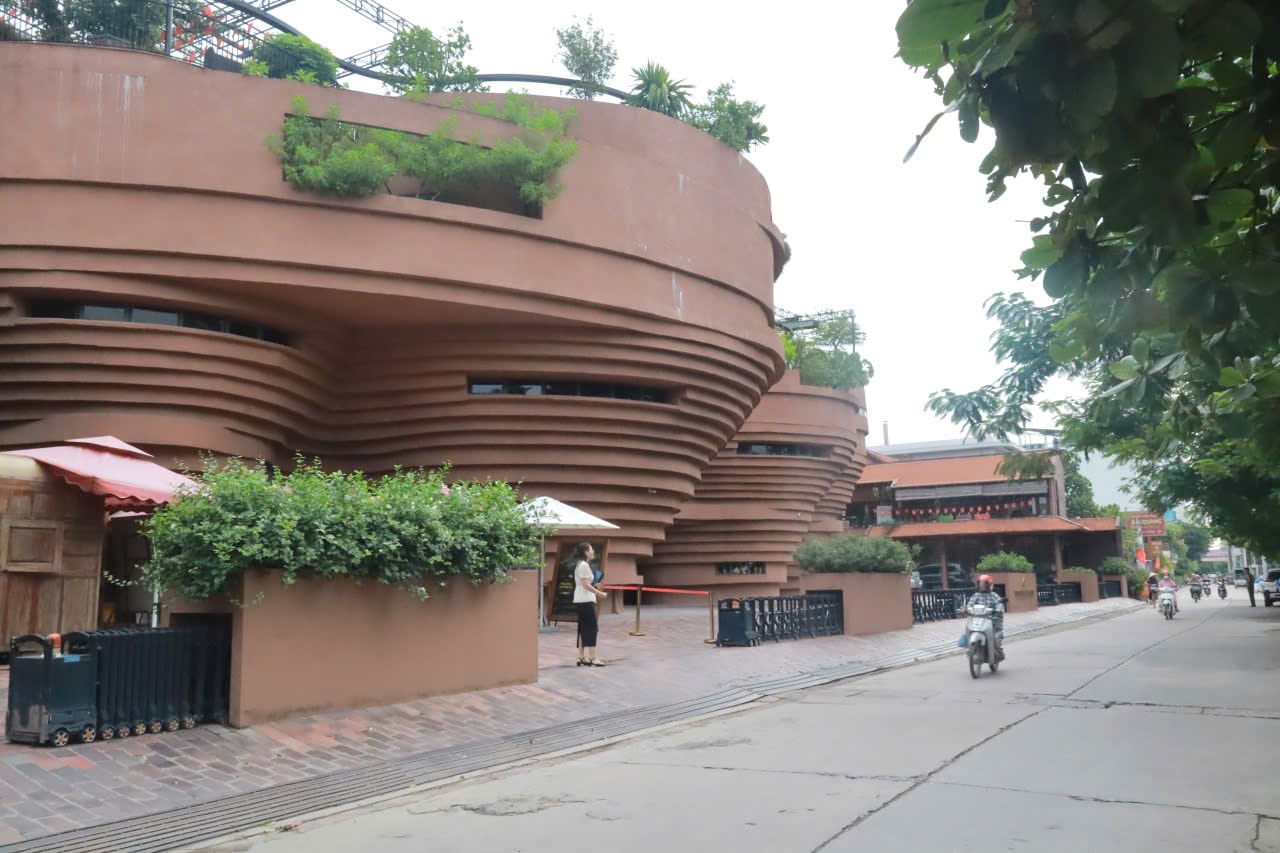
Ms. Ha Thi Vinh, Vice President of the Vietnam Craft Village Association, President of the Hanoi Handicraft and Craft Village Association, and also an experienced artisan and entrepreneur in the development of Bat Trang pottery, stated that with its long history and unique characteristics, Bat Trang has become a symbol of Vietnamese pottery and an attractive tourist destination. Pottery production facilities in Bat Trang have been renovated and upgraded, creating spaces for visitors to explore and experience. Here, visitors can participate in the pottery production process to create handcrafted products. In particular, at the Center for the Quintessence of Vietnamese Craft Villages (Bat Trang Pottery Museum), visitors can admire unique architecture, beautiful works of art, and learn about the history and development of Bat Trang pottery village, as well as the convergence of many other art forms, such as light sculpture, conical hat making, rattan and bamboo weaving, etc., combined with artisans from all regions.
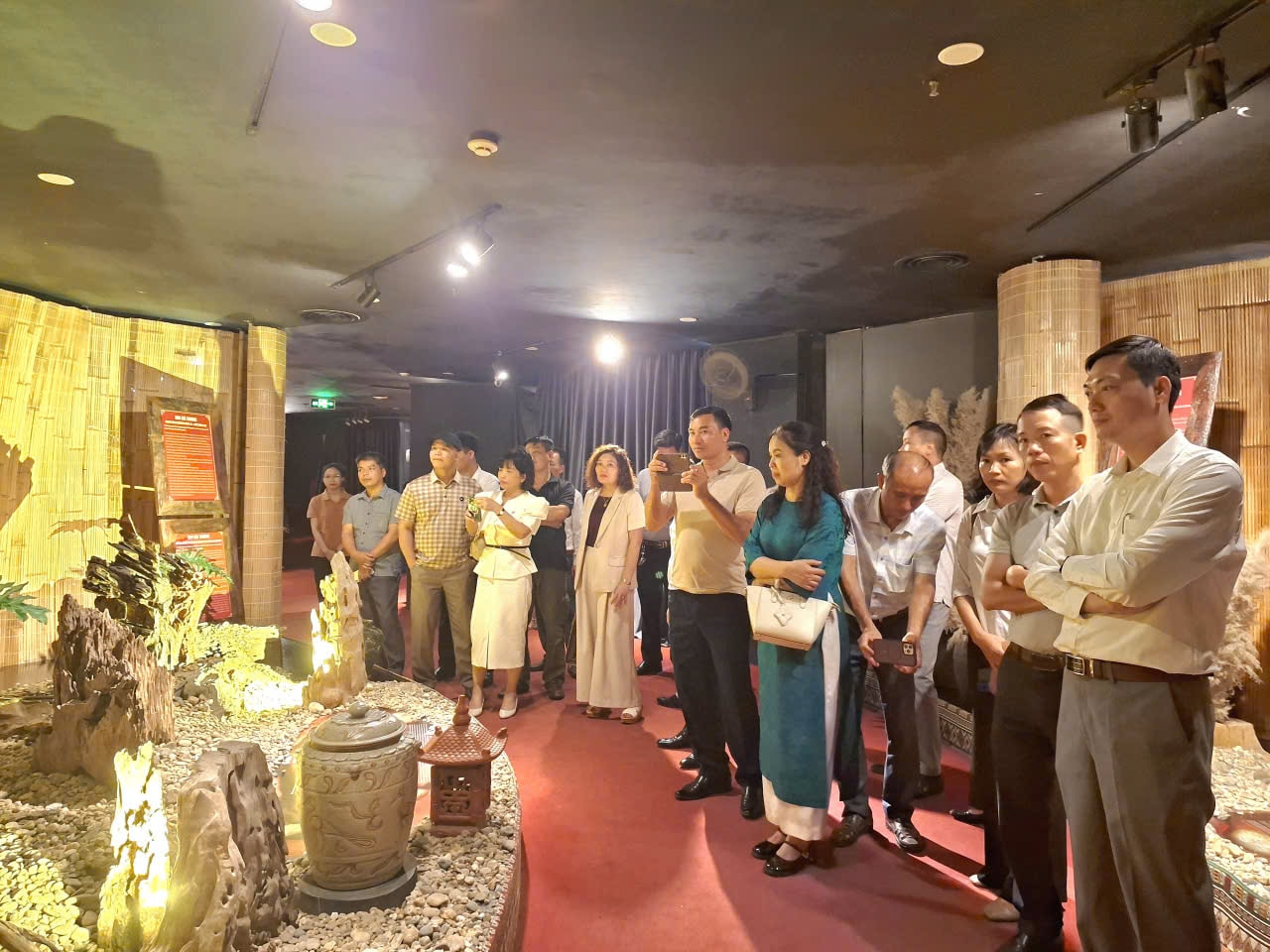
According to Ms. Ha Thi Vinh, being recognized by the World Craft Council as a member of the World Creative Cities Network requires thorough preparation. The Hanoi Department of Agriculture and Environment has provided significant support to "nurture" the craft and businesses in the craft villages, helping them confidently step out into the world. In addition, the collective efforts of the entire community in the village are crucial. Each family and clan in Bat Trang is the owner of a "ceramics museum," telling the story of their village to tourists. The production-tourism model in Bat Trang has been highly praised by the World Craft Council.
Regarding the Son Dong lacquerware and statue carving village, it is currently striving to become a member of the World Creative Cities Network by 2025. According to Mr. Cao Van Tam, Vice Chairman of the Son Dong Commune People's Committee, the village is famous for its traditional carving and sculpting techniques, making religious artifacts, and its exquisite lacquer and gold leafing techniques, which are highly appreciated by customers both domestically and internationally. The skillful hands of Son Dong artisans have left their mark on many cultural landmarks in Hanoi, such as: the Temple of Literature - National University, Khue Van Cac, Ngoc Son Temple, The Huc Bridge, One Pillar Pagoda, etc.
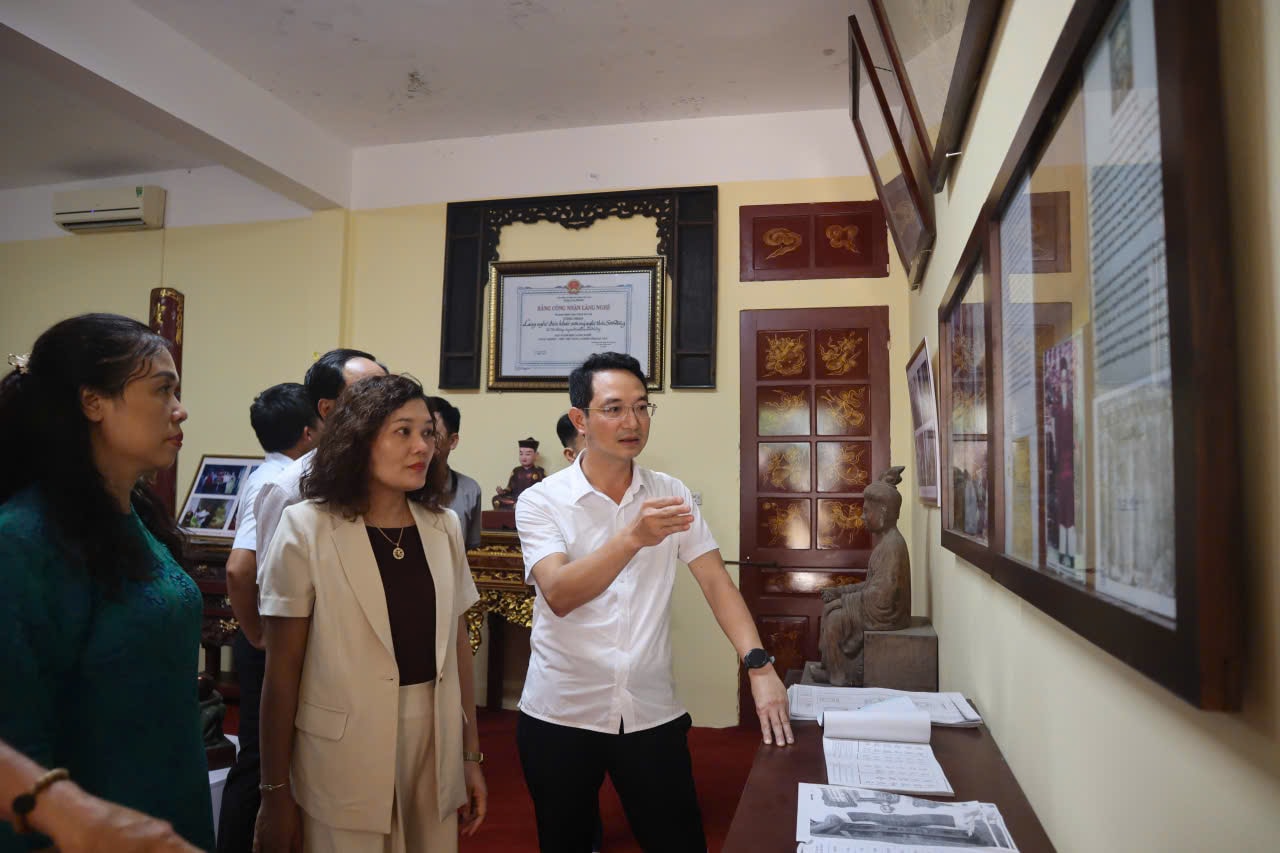
In recent years, many young people from the craft village have opened workshops and shops showcasing their sculptures and handicrafts in major cities. To meet the criteria for recognition in 2025, Son Dong is implementing many initiatives, including allocating space for the construction of a Creative Design Center to introduce and promote OCOP products and local handicrafts.
Accelerate the completion of criteria.
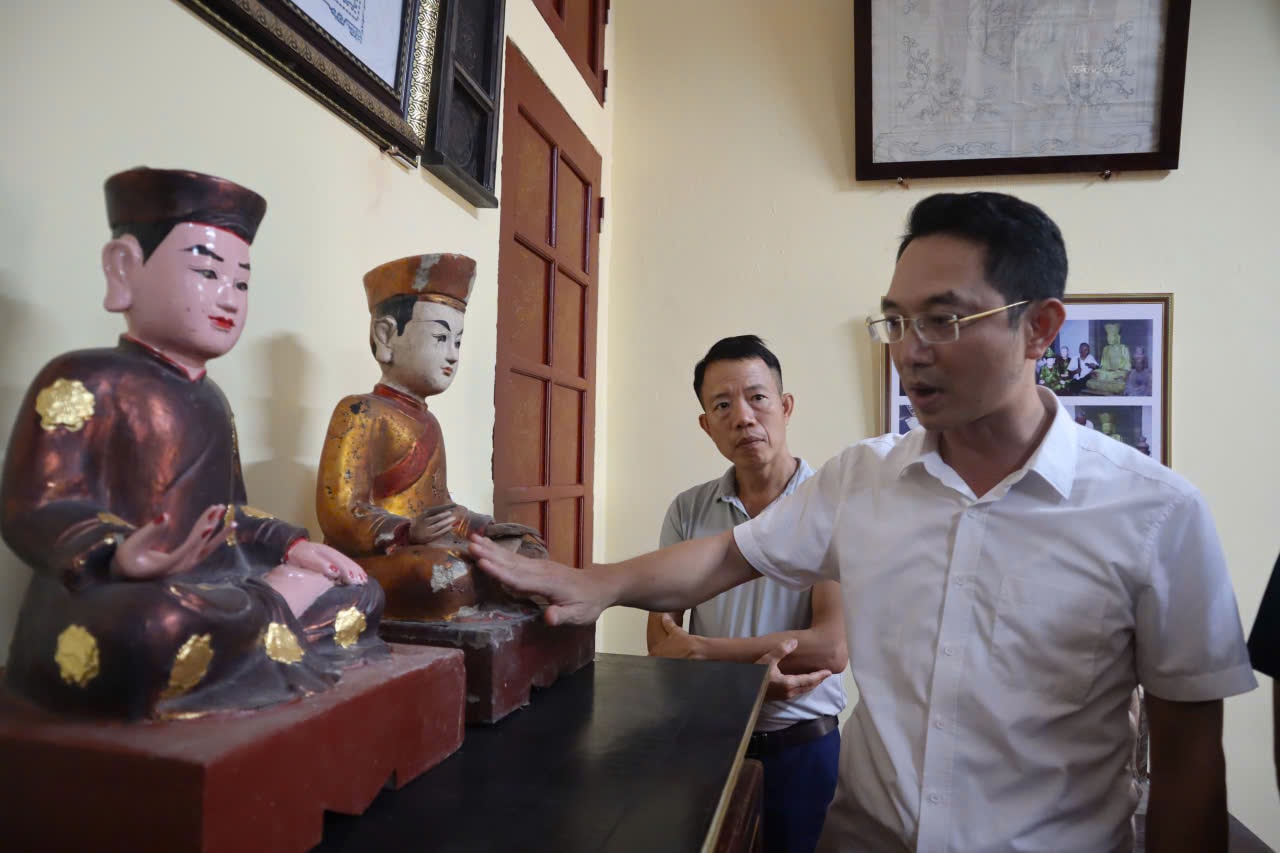
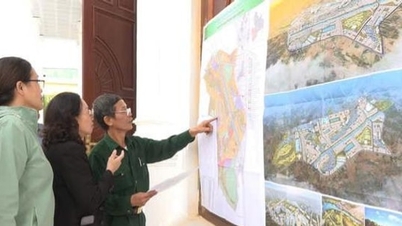
During a field visit, Mr. Nguyen Huu Chi, Chairman of the People's Committee of Chuyen My commune, stated that to fulfill the criteria for recognizing Chuyen My mother-of-pearl inlay and lacquerware village as a member of the World Creative Cities Network in 2025, the People's Committee of the commune has focused on implementing the guidelines of specialized agencies at the city and central levels. Regarding the construction of the traditional exhibition room, the commune has collected artifacts and photographs of artisans according to each stage of the village's development; royal decrees recognizing the traditional craft; drawings of inlay patterns by artisans and households engaged in the craft; and arranged display tables to preserve raw materials and products.
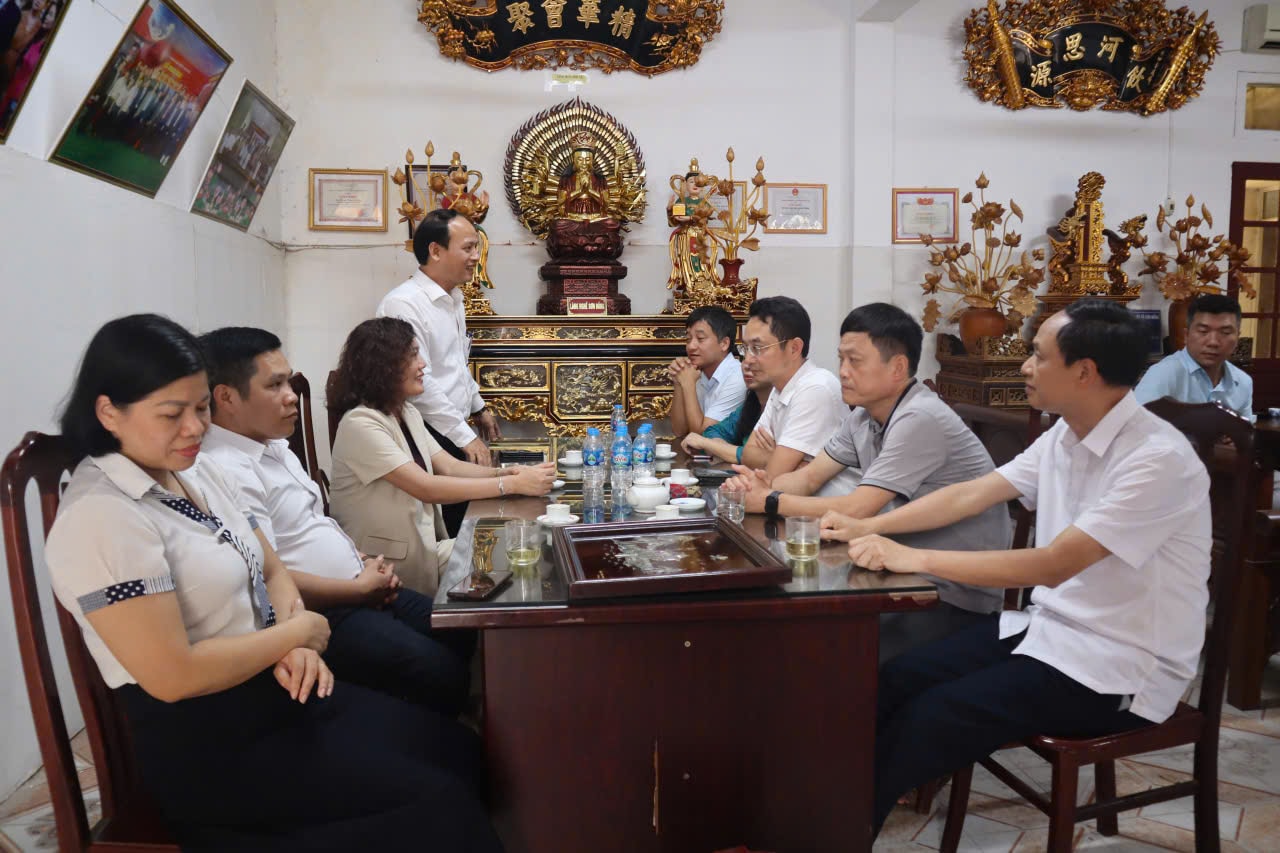
Chuyen My commune has also completed the creation of a photo album showcasing traditional craft products throughout different periods; designed a multilingual website, promotional videos promoting products and the history of the craft village; and printed leaflets introducing traditional mother-of-pearl inlay and lacquerware products. The commune has decorated and displayed the Certificate of Recognition for the craft village, the royal decree, and the Third-Class Medal of the Lacquerware Cooperative; and arranged an exhibition area for artifacts, paintings, and raw materials of the mother-of-pearl inlay and lacquerware crafts from different stages. In addition, the commune has collaborated on creating a video introducing the history of the mother-of-pearl inlay craft village.
"Through visiting and learning from the practical experiences in Bat Trang and Son Dong, Chuyen My commune hopes to develop its local craft village and soon become a member of the World Creative Cities Network," Mr. Nguyen Huu Chi expressed his wish.

According to Hoang Thi Hoa, Head of the Rural Development Department (Hanoi Department of Agriculture and Environment), Hanoi aims to restore at least 5 traditional craft villages at risk of disappearing or being lost during the 2025-2030 period; strive to recognize at least 10 new crafts and 25 craft villages and traditional craft villages; and develop 10 existing craft villages into traditional craft villages. Hanoi also plans to invest in the synchronous development of infrastructure and the preservation and restoration of the cultural space of craft villages, aiming to develop at least 3 craft villages associated with tourism; and create 10 craft village tourism tours and experiential routes to attract visitors...

According to Ms. Hoang Thi Hoa, learning from the experiences of other localities in developing craft villages in conjunction with tourism is essential. She also hopes that, with the experience gained from being recognized by the World Craft Council as a member of the Creative Cities Network at the end of 2024, Bat Trang craft village and artisan Ha Thi Vinh will continue to support other craft villages in the city to meet the criteria for joining the Creative Cities Network, elevating Vietnamese craft villages on the world map.
Source: https://hanoimoi.vn/chia-se-kinh-nghiem-dua-chuyen-my-tro-thanh-vien-cac-thanh-pho-thu-cong-sang-tao-the-gioi-715894.html



![[Image] Vietnam's colorful journey of innovation](/_next/image?url=https%3A%2F%2Fvphoto.vietnam.vn%2Fthumb%2F1200x675%2Fvietnam%2Fresource%2FIMAGE%2F2025%2F12%2F14%2F1765703036409_image-1.jpeg&w=3840&q=75)


























































![[Image] Vietnam's colorful journey of innovation](https://vphoto.vietnam.vn/thumb/402x226/vietnam/resource/IMAGE/2025/12/14/1765703036409_image-1.jpeg)
































Comment (0)