

Smart tourism trends
According to the Department of Culture, Sports and Tourism, Da Nang is one of the pioneering localities in applying digital transformation to the tourism industry to improve tourist experience and optimize management efficiency.
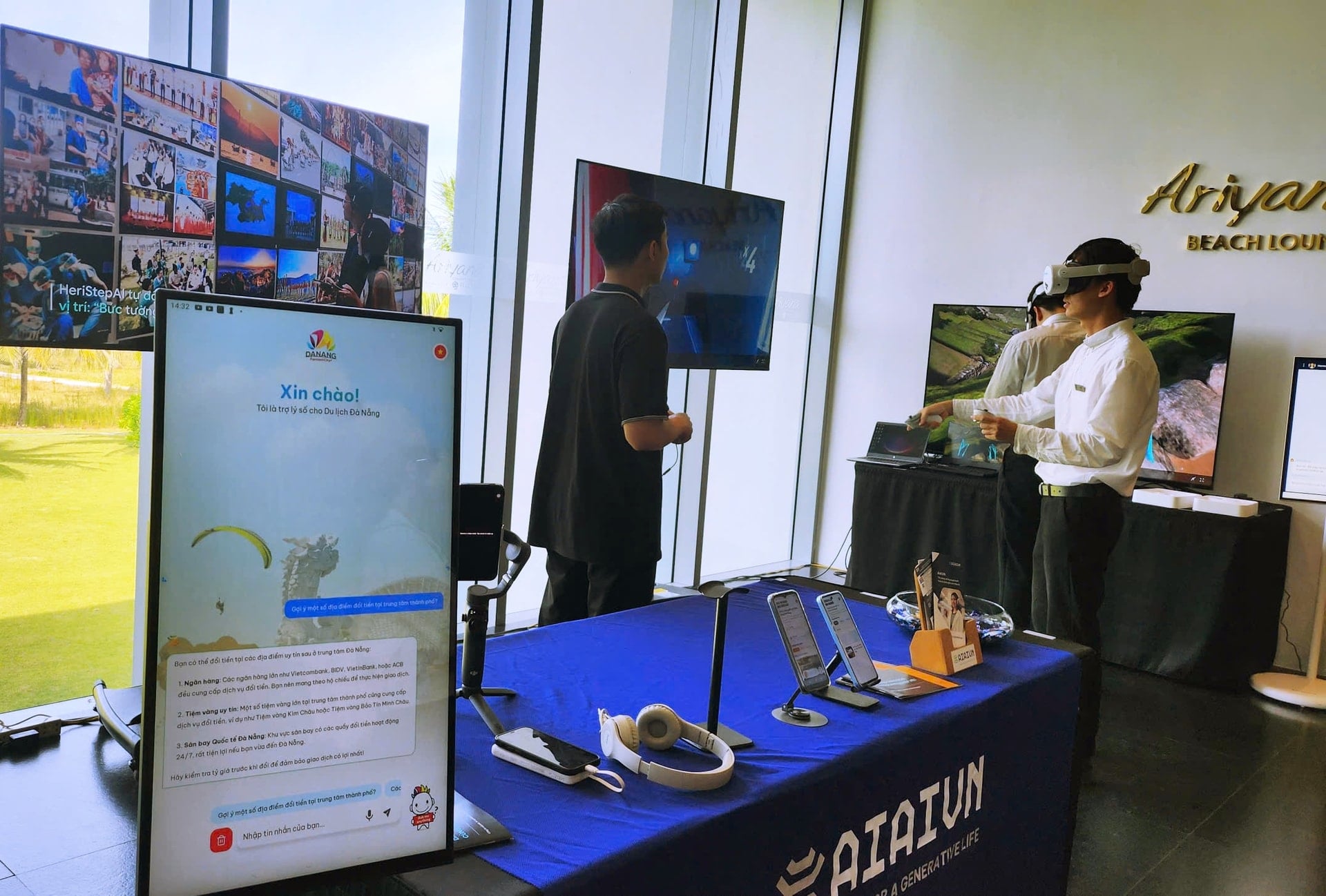
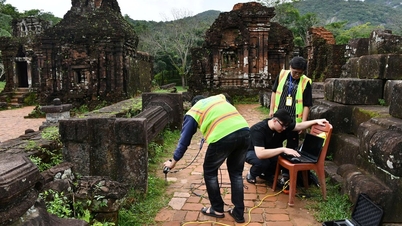
The city has invested heavily in building social networking platforms, tourism websites, online communication campaigns; developing VR360 technology applications - "One touch to Da Nang "; deploying 3D scanning at the Cham Sculpture Museum, building a shared database system (big data) to share information between the government and businesses.
The business community is making efforts to transform digitally by using hotel booking platforms and online ticket purchasing platforms to help tourists easily access and choose services remotely; applying virtual reality (VR) and augmented reality (AR) at tourist destinations; participating in tourism e-commerce platforms, etc.
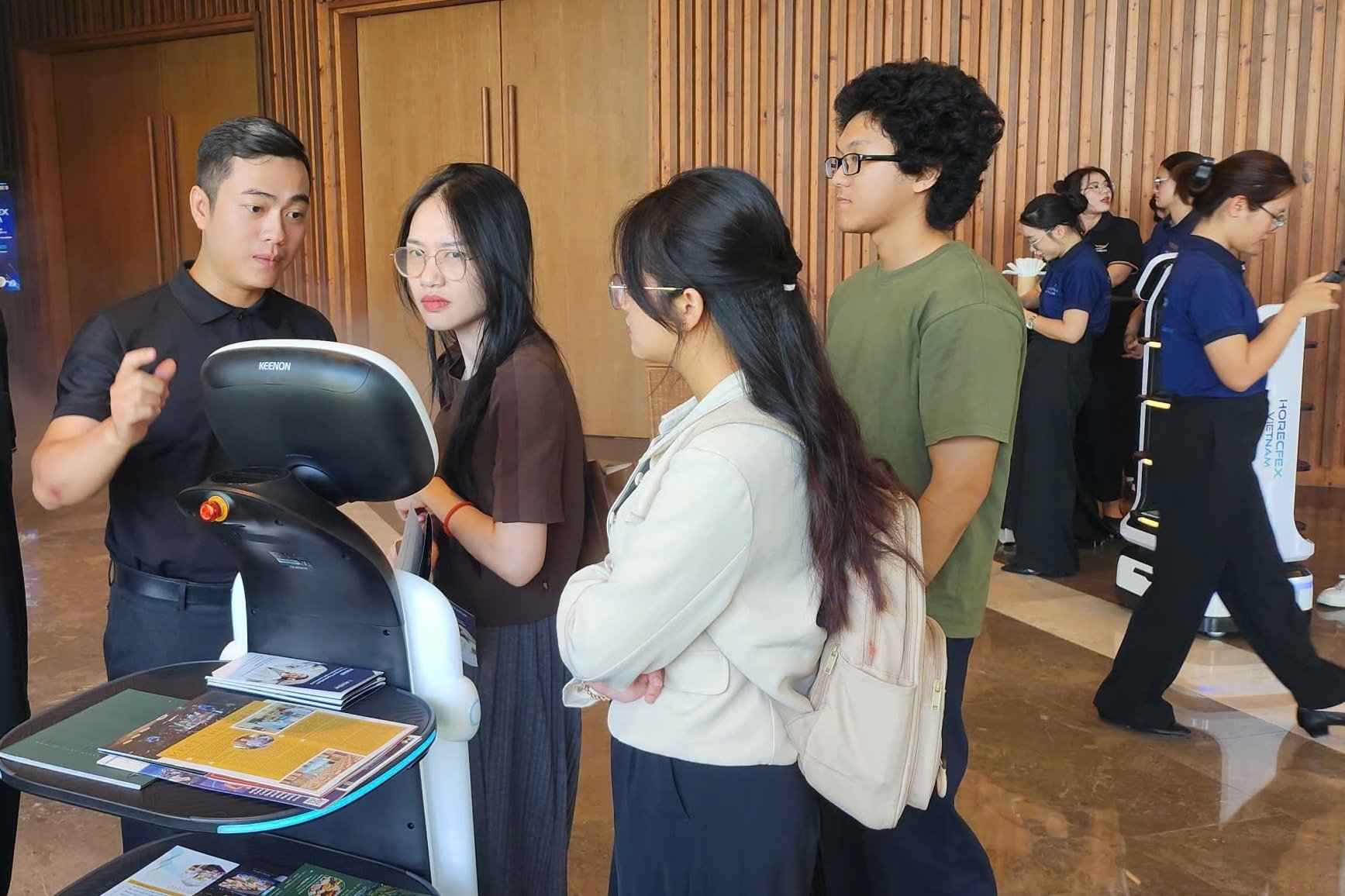
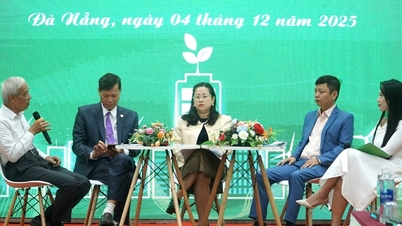
However, according to Mr. Tan Van Vuong, Deputy Director of the Department of Culture, Sports and Tourism, in the context of strong digital transformation, especially the increasingly advanced artificial intelligence (AI), the entire tourism industry is facing a new era of tourism, where technology, experience and sustainable values become the center; the trend of smart tourism and data-driven marketing, personalized experiences and behaviorally targeted promotion will develop...
“The strong development of science and technology, innovation, and artificial intelligence continues to bring great opportunities for tourism development when Da Nang is one of the localities with human resources and infrastructure to meet the needs. The tourism industry will continue to change strongly, focusing on transforming the promotion model - from event communication to digital experience communication; applying AI, Big Data, AR/VR in introducing destinations; developing a synchronous digital promotion platform for the entire Da Nang tourism industry. At the same time, training professional international tourism communication and marketing human resources with creative thinking and data,” said Mr. Vuong.
Turn data into “operational assets”
Closely monitoring market developments through search data on internet channels, Mr. Pham Ngoc Loi, Director of Digital Transformation of Phu Long Resort Hotel Group (under SOVICO Group) said that the number of searches from the Japanese market about Vietnam tourism has increased by 7% compared to the same period in 2024. These numbers are a "gold mine" if you know how to exploit them.
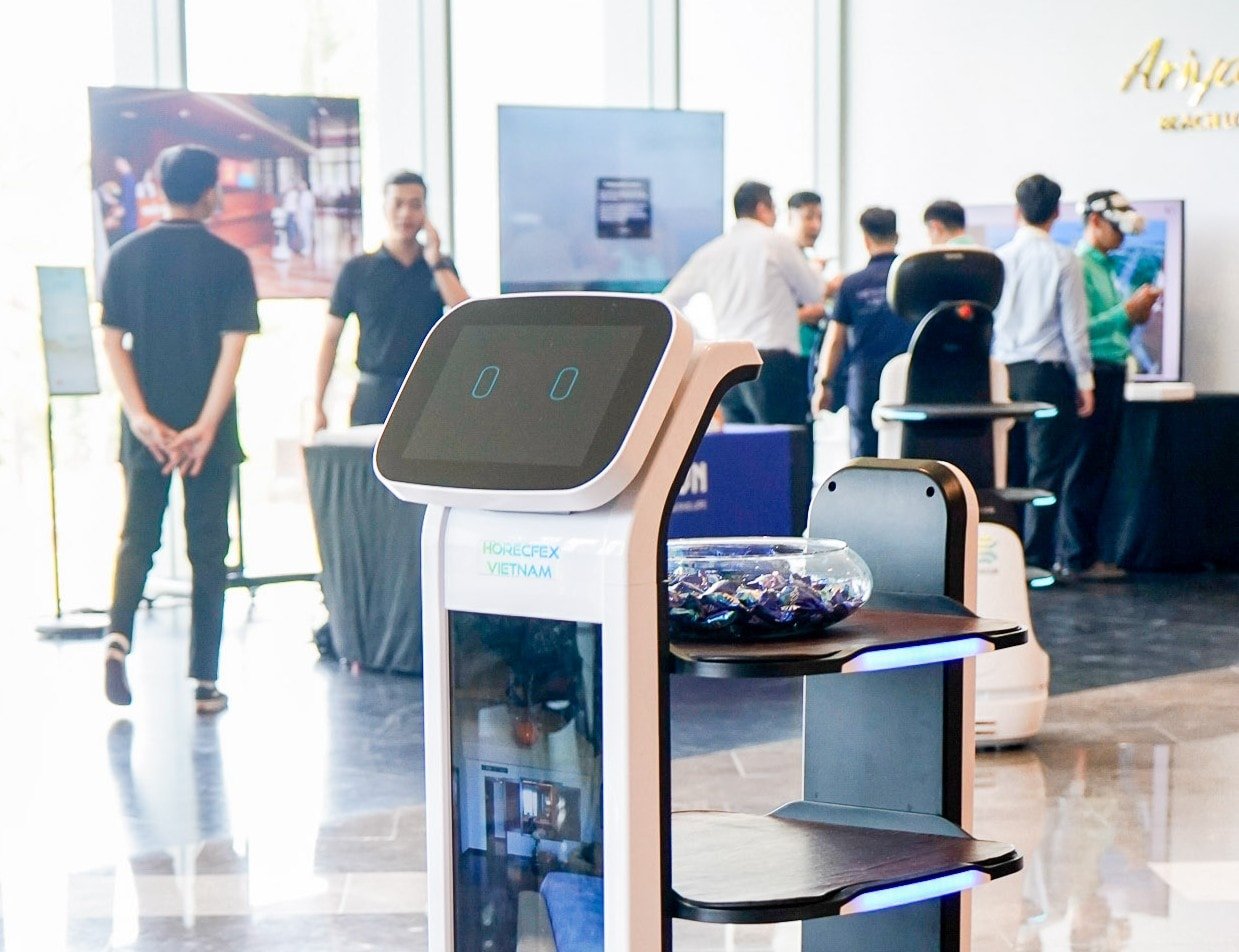
However, Mr. Loi pointed out the fact that most accommodation establishments in Vietnam still manage data in a traditional, decentralized way. “Hotels can completely grasp which markets and channels guests come from, but they may not know how to take advantage of that information. How to transform data and trends into specific business decisions is still an open problem,” Mr. Loi commented.
To address this, the hospitality industry needs to view data as an “operational asset” and AI as the tool to turn that asset into competitive advantage.
For example, the AI Hotel Strategist (AIHS) platform not only tracks price fluctuations or bookings, but also comprehensively analyzes flight search data, travel behavior and trends on major platforms (Google, OTA, social networks).
Through predictive modeling, AI helps identify early changes in seasonal or segmented travel demand, helping managers proactively adjust prices, staffing, and marketing budgets. As a result, businesses move from a passive position to proactively positioning and leading demand.
Master Le Vu, Director of the Center for Learning Resources and Communication, University of Technical Education (University of Danang) believes that in the context of tourists increasingly prioritizing autonomy, changing travel methods, personalization and experience, tourism promotion needs a revolution in thinking: shifting from broad promotion to in-depth approach through digital transformation and AI.
To solve the current problem of fragmented tourism services, Mr. Le Vu suggested that Da Nang should refer to the application model of "TAGTHAi" in Thailand (sponsored by the Tourism Authority of Thailand) or the "Stan" system in Singapore.
These platforms do not simply sell tours but connect a series of agencies, restaurants, and spas into a seamless experience stream, allowing travelers to design their own “City Pass”.
“Da Nang’s strategy needs to focus on building a “tourism AI Hub”. The focus is on a smart “virtual assistant” that can advise on personalized itineraries based on real-time data instead of stereotypical suggestions,” Mr. Vu suggested.
Source: https://baodanang.vn/chuyen-doi-so-du-lich-tu-don-bay-tri-tue-nhan-tao-3312260.html

![[Photo] Cat Ba - Green island paradise](/_next/image?url=https%3A%2F%2Fvphoto.vietnam.vn%2Fthumb%2F1200x675%2Fvietnam%2Fresource%2FIMAGE%2F2025%2F12%2F04%2F1764821844074_ndo_br_1-dcbthienduongxanh638-jpg.webp&w=3840&q=75)






























![[VIMC 40 days of lightning speed] Da Nang Port: Unity - Lightning speed - Breakthrough to the finish line](https://vphoto.vietnam.vn/thumb/402x226/vietnam/resource/IMAGE/2025/12/04/1764833540882_cdn_4-12-25.jpeg)



































Comment (0)