

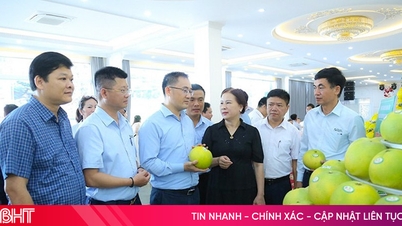
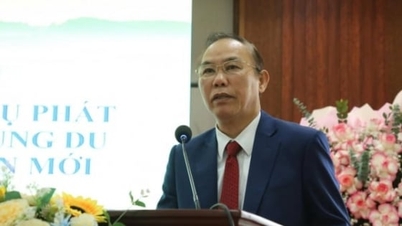
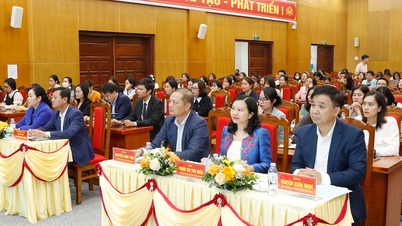
The conference was attended by representatives from several departments, agencies, and units; local authorities; and 33 households both within and outside the model.
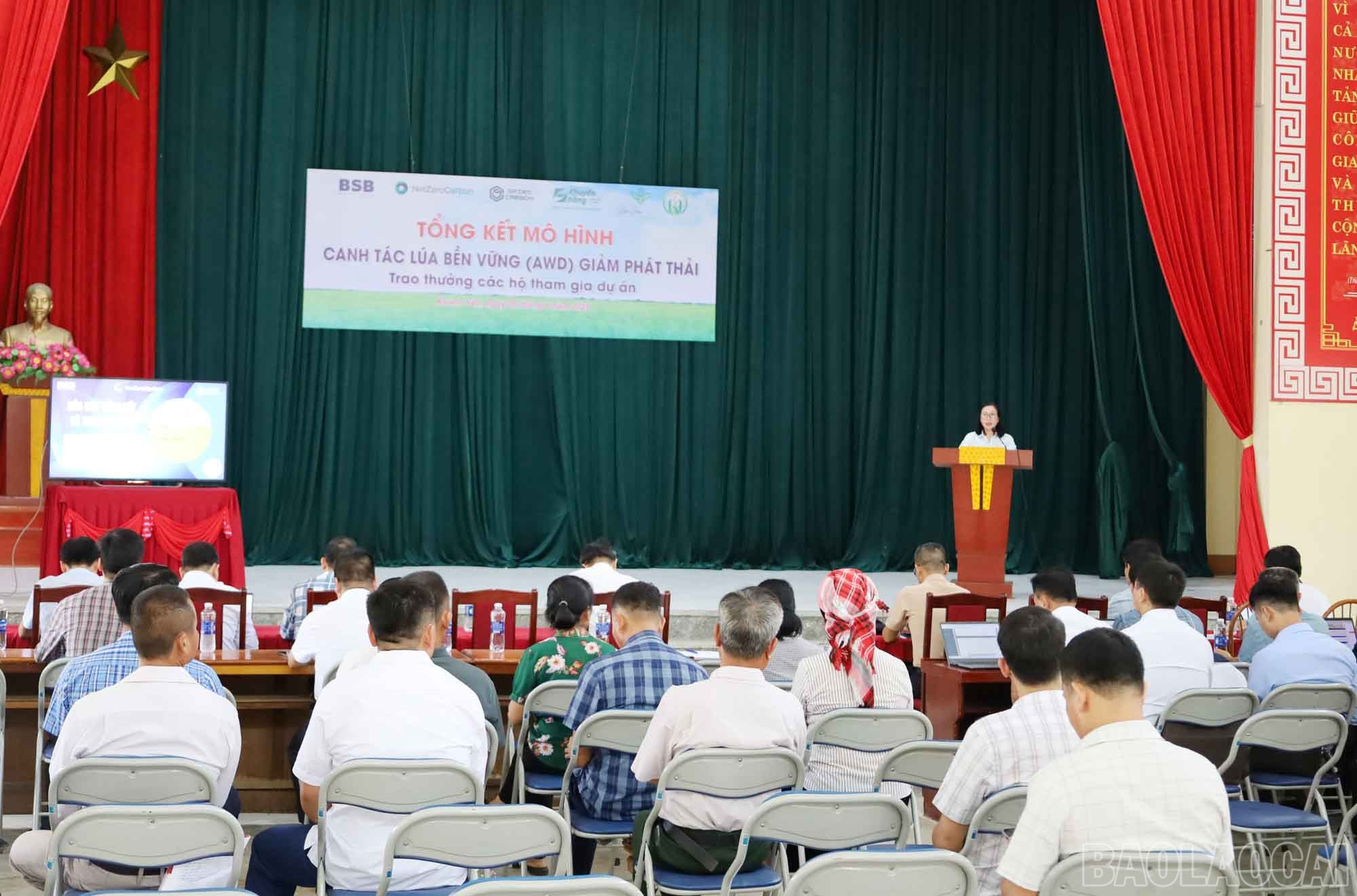
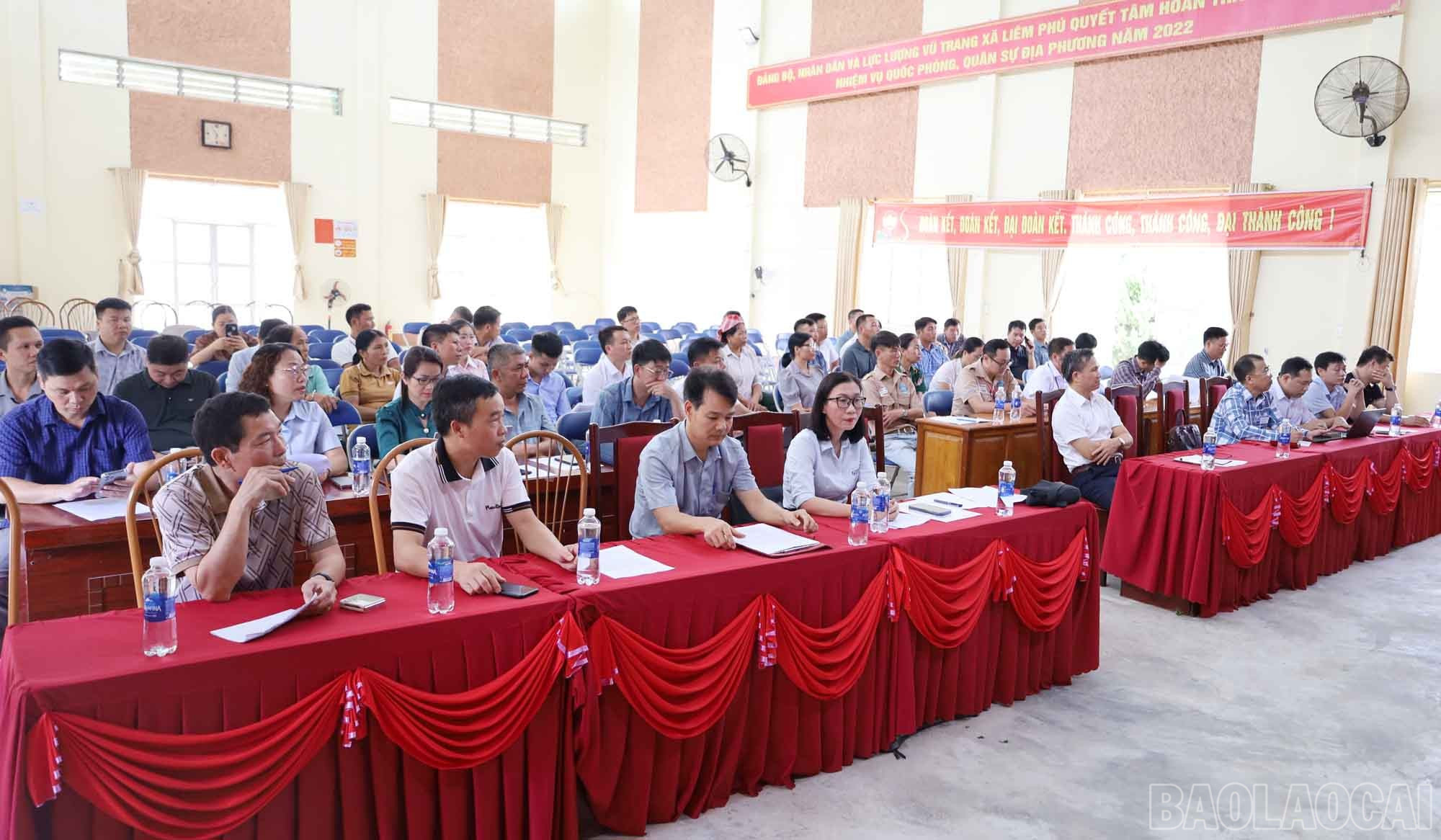
The smart rice farming model, aimed at reducing greenhouse gas emissions, is being piloted by the Lao Cai Provincial Agricultural Extension and Services Center in collaboration with Huy Hung Investment Construction Trading Service Co., Ltd. and Netzero Carbon Vietnam Joint Stock Company in the spring crop of 2025 in three communes: Khanh Yen, Duong Quy, and Bao Ha, covering an area of 199 hectares and involving 549 households.
The model utilizes high-quality rice varieties (Thien Uu 8, BC15, TBR225), applies the improved SRI intensive farming process, and employs concentrated, synchronized production on single-variety fields, with convenient irrigation and transportation systems.
The results showed that farmers reduced production costs by 2–2.5 million VND/ha, rice yield increased by about 8 quintals/ha compared to traditional farming; and income from rice cultivation increased by 12–15 million VND/ha/season.
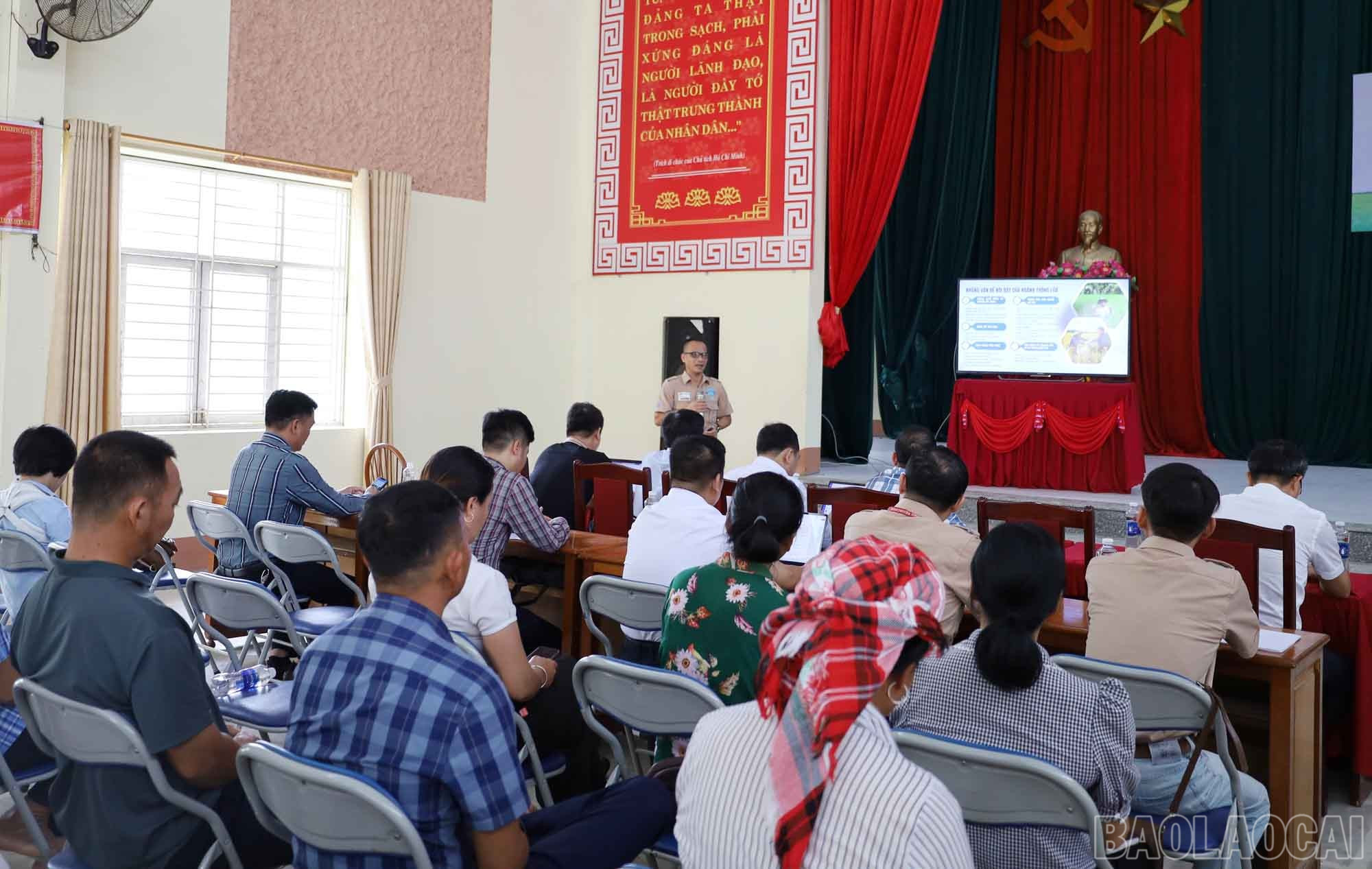
The new farming method helps reduce input costs by approximately 20%, increase profit margins by 15-20%, and reduce greenhouse gas emissions by about 10%. In particular, upon achieving international certification, farmers can sell carbon credits at a price of 15-20 USD/ton of CO₂; this increases farmers' income from selling carbon credits (emission reduction bonuses) from rice production by an average of 975,000 VND/ha (3.1 carbon credits/ha), resulting in an additional profit of approximately 8-10 million VND/ha.
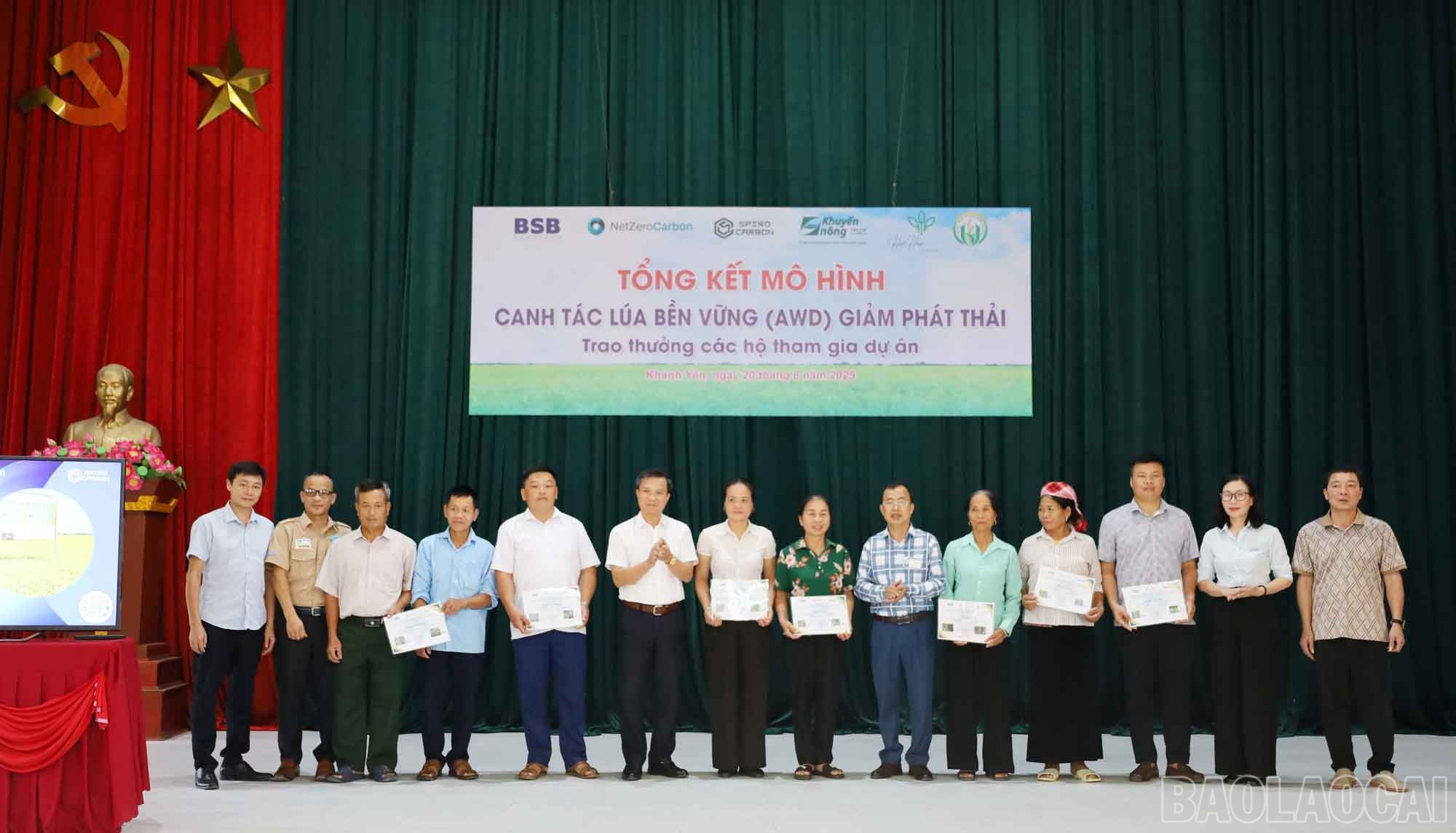
At the conference, representatives from NetzeroCarbon Vietnam Joint Stock Company (the carbon credit purchasing unit) presented Certificates of Greenhouse Gas Emission Reduction Reports to households participating in the model. Based on the number of carbon credits determined, households will receive a corresponding bonus paid by the company.
In addition to economic benefits, the model also helps change production practices, overcoming the problem of planting multiple rice varieties in the same field and the overuse of fertilizers and pesticides. Farmers are guided to collect and compost rice straw using biological preparations, creating organic fertilizer and contributing to improving the rural environment.
Following the success of the spring crop, the area applying the new techniques will be expanded to approximately 400 hectares in neighboring localities in 2025, opening up a direction for sustainable agricultural development linked to the carbon credit market in Lao Cai.
Source: https://baolaocai.vn/danh-gia-mo-hinh-canh-tac-lua-thong-minh-giam-phat-thai-khi-nha-kinh-post880093.html









































































Comment (0)