

On the morning of October 28th, the National Assembly discussed in the plenary session the Report of the Supervisory Delegation and the draft Resolution of the National Assembly on the results of the thematic supervision "Implementation of policies and laws on environmental protection since the Law on Environmental Protection of 2020 came into effect".
Many delegates argued that, despite policy improvements, the sorting and processing of household waste remains a "bottleneck" in environmental protection efforts.
"Those who litter more pay more."
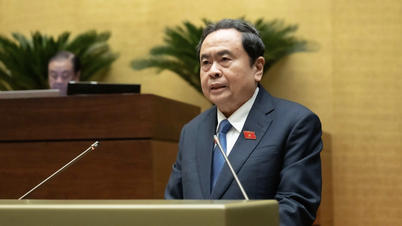
Representative Tran Nhat Minh ( Nghe An ) argued that the "polluter pays" principle is an important new point of the 2020 Environmental Protection Law, but its implementation is slow and lacks coordination.
"Many residents had started sorting their waste, but when they saw the garbage trucks collecting everything together, they lost faith and reverted to their old habits," he said.
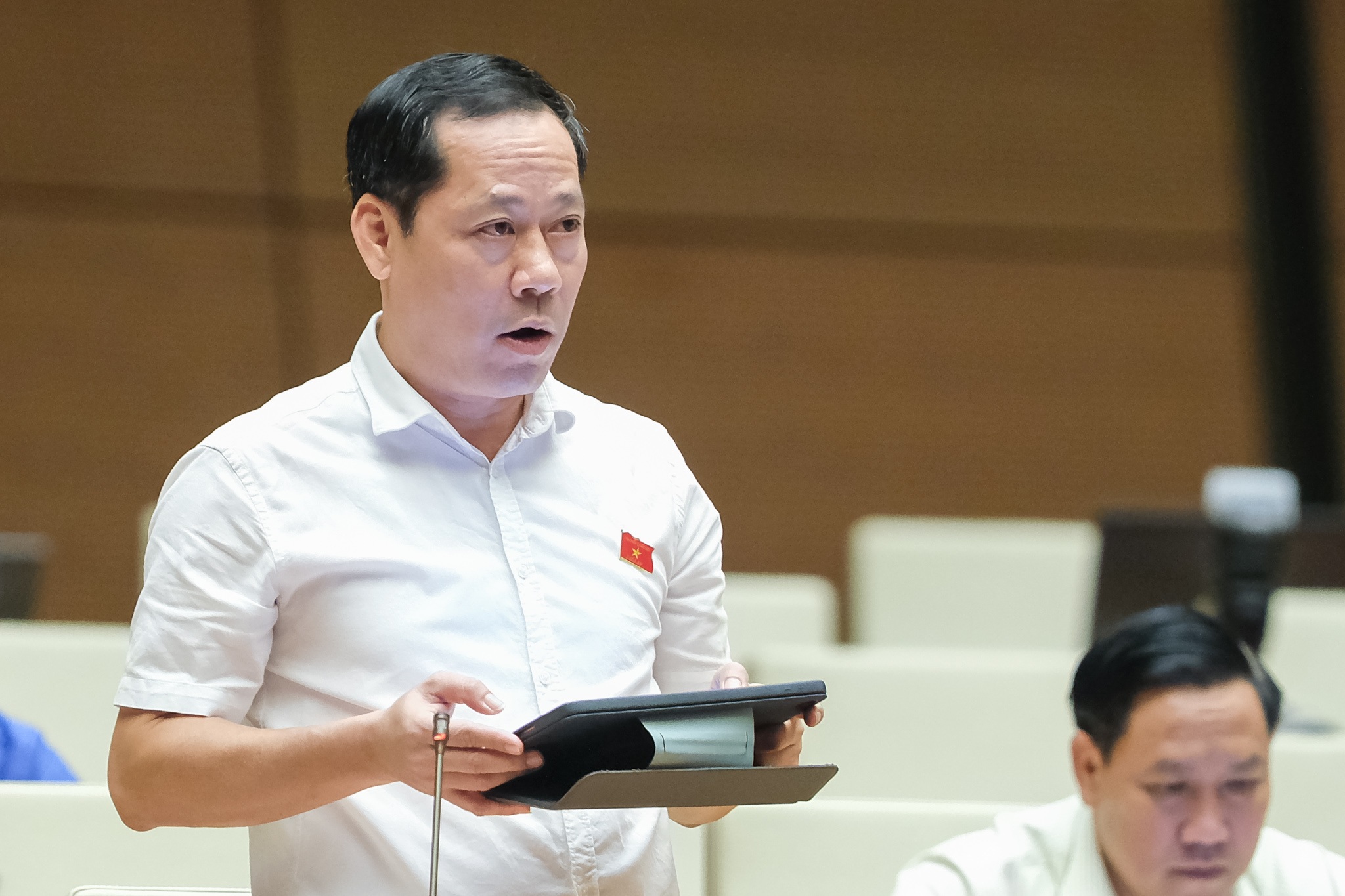
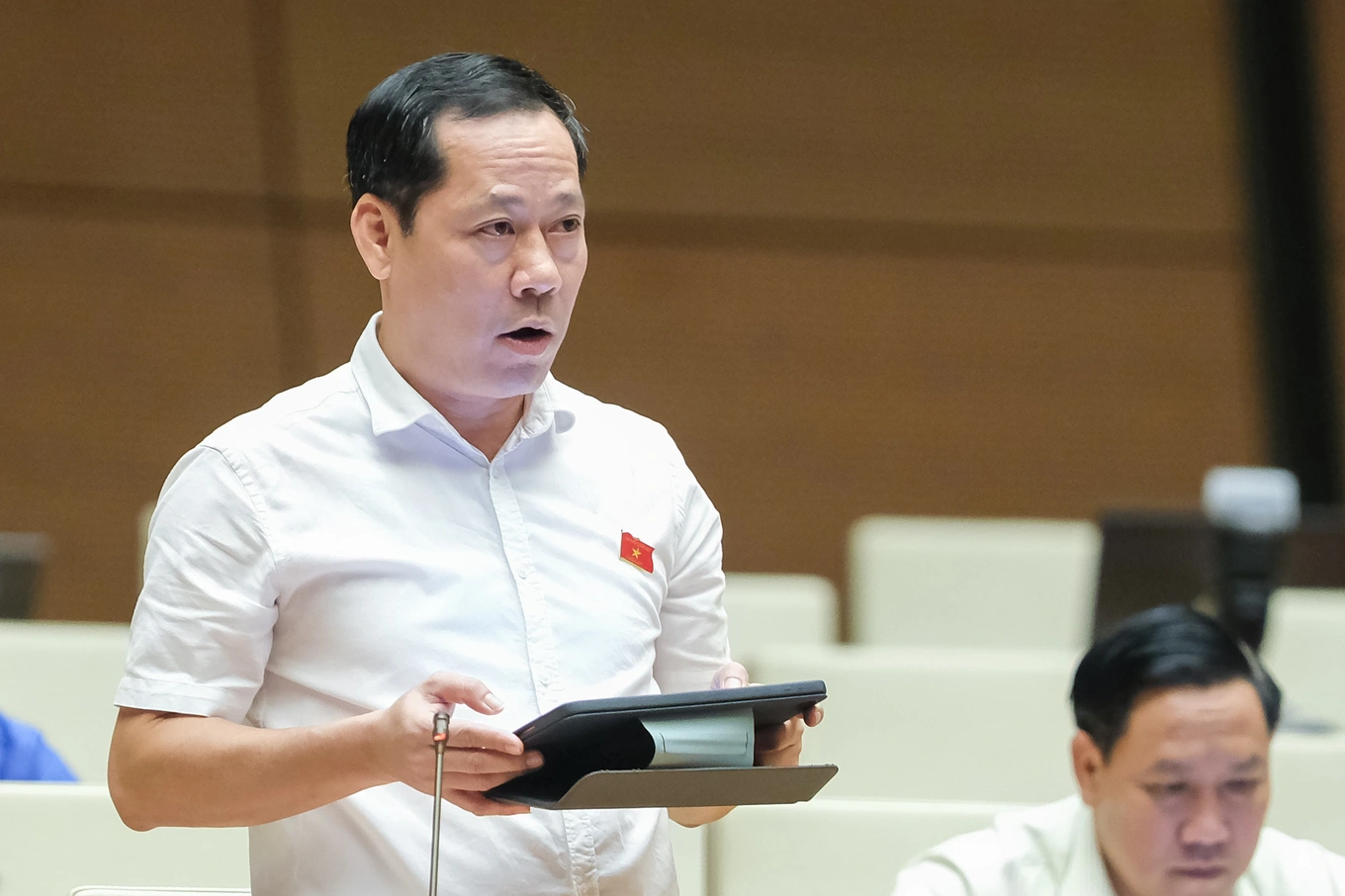
National Assembly representative Tran Nhat Minh (Photo: National Assembly).
According to the delegates, the policy of sorting waste at source - effective nationwide from January 1st - is a correct step towards building a circular economy , reducing the pressure on waste treatment, and protecting the environment sustainably.
However, progress remains slow: only 34 out of 63 localities have implemented the program, mostly on a small scale; 59 localities have not yet issued economic and technical norms, and 58 localities have not yet issued service prices for the collection, transportation, and treatment of household waste.
In addition, Mr. Minh emphasized the need to change the method of collecting waste disposal fees, not collecting them uniformly from household to household, but based on the amount of waste generated.
"If people generate more waste, they have to pay more; those who generate less pay less. It's impossible to collect equally. Then everyone will have the motivation to reduce, recycle, and sort waste at the source," Mr. Minh said.
Sharing the same view, delegate Hoang Quoc Khanh (Lai Chau) also stated that the results of waste sorting at source have only been modest.
"When household waste is already sorted but is still collected together, it discourages people from doing so," he said, noting that law enforcement is inconsistent, incentive policies are few, and supervision and penalties are not strict enough, resulting in many places where "implementation is merely superficial."
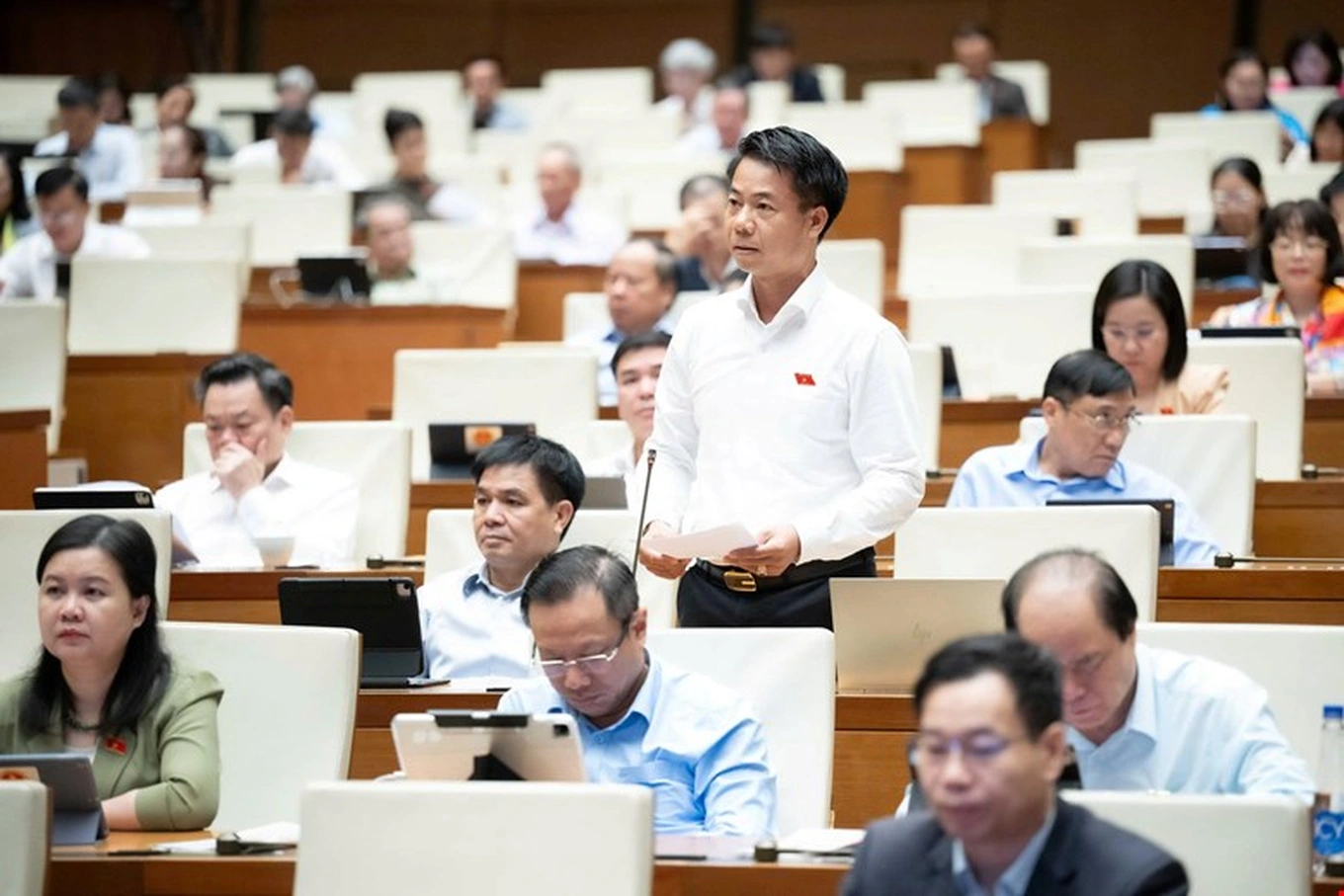 National Assembly representative Hoang Quoc Khanh (Photo: National Assembly).
Weak infrastructure and lack of funding.
Representative Ly Anh Thu (An Giang) observed that, in recent years, the 2020 Environmental Protection Law has brought about changes in the awareness and actions of all levels and sectors, but the environmental technical infrastructure system remains inconsistent, fragmented, and has not received adequate investment.
"Many localities still lack wastewater treatment plants and centralized waste treatment facilities. Environmental projects are often relegated to the back of other socio-economic infrastructure projects such as transportation, schools, and hospitals. Small, fragmented investment capital, prolonged timelines, and outdated technology lead to many projects operating inefficiently, or even ceasing operation," she stated.
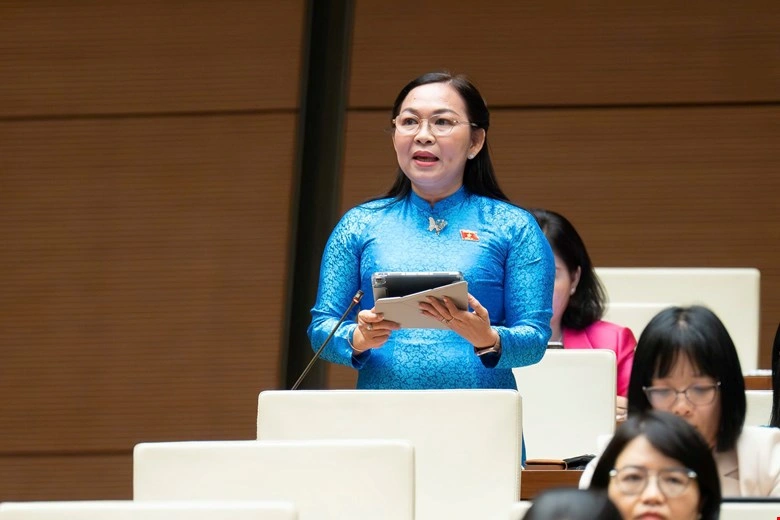
Representative Ly Anh Thu (Photo: National Assembly).
Delegates suggested that investment in environmental protection infrastructure should be considered essential infrastructure, on par with socio-economic infrastructure, and prioritized in the medium-term public investment plan. At the same time, a special mechanism is needed to attract social resources and encourage the private sector to participate in the management and operation of waste and wastewater treatment systems.
The delegates agreed that to address the root cause of the waste problem, it is necessary to simultaneously upgrade infrastructure, increase supervision, and change management thinking. Waste sorting at source must be linked to planning and investment in separate collection, transportation, and processing systems; if waste is still collected together, all the efforts of the people will become meaningless.
"Protecting the environment is not only the responsibility of the natural resources and environment sector, but also the responsibility of the entire society. Investing in the environment should be considered an investment in sustainable development," emphasized delegate Ly Anh Thu.
Dantri.com.vn
Source: https://dantri.com.vn/thoi-su/dbqh-can-thu-phi-rac-theo-luong-xa-thai-khong-thu-dong-deu-20251028102929536.htm











































































Comment (0)