

| Numerous trade defense challenges surround Vietnam's steel and aluminum industry. Increasing export turnover: Strengthening trade defense capabilities for businesses. |
There is a high risk of goods being subject to trade defense investigations.
In the context of the implementation of the Vietnam-UK Free Trade Agreement (UKVFTA) and the UK's official membership in the Comprehensive and Progressive Trans- Pacific Partnership (CPTPP), Vietnamese goods have a great opportunity to conquer this market. The UK market is quite large (approximately 68 million people), including a community of over 5.5 million people of Asian origin with diverse consumer needs... expanding export opportunities for Vietnamese goods.
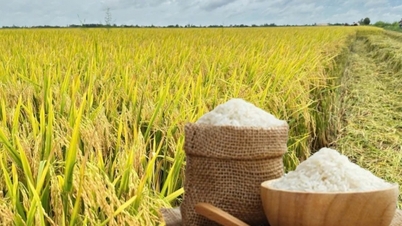
Ms. Hoang Le Hang – First Secretary of the Vietnamese Trade Office in the UK (also covering Ireland) – said that Vietnamese businesses currently have opportunities to increase exports of items such as: rubber, electrical wires and cables; telephones and components, coffee, confectionery, cereals, ceramics, fruits and vegetables, rice, leather shoes, garments, seafood, wood products, steel products, etc.
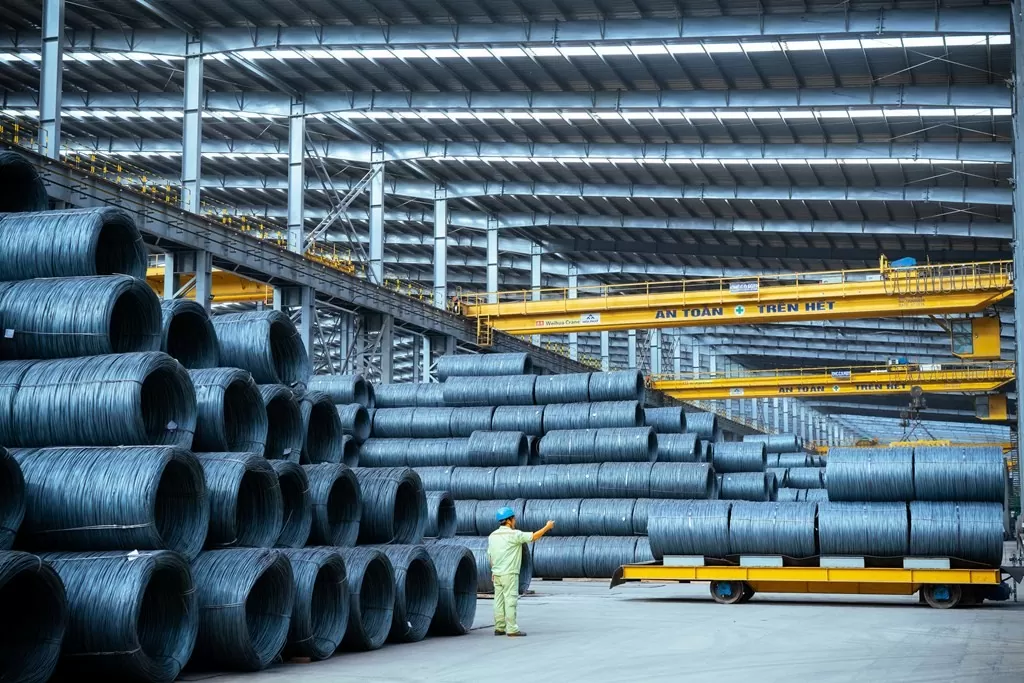 |
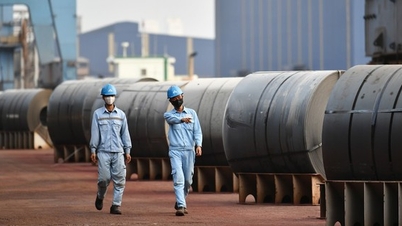
| Steel is one of the commodities facing the highest risk of trade defense investigations. Photo: VNA |
However, exporting goods to the UK market will also face many difficulties and challenges. Ms. Hoang Le Hang pointed out that the UK market demands high product quality and competitive prices. In addition, the trend of products catering to dietary needs, such as vegan, gluten-free, sugar-free, and salt-free options, is becoming more popular, making the production and supply of agricultural products more specialized and complex. Laws on preventing deforestation and forest degradation will also affect the export of products such as wood, coffee, rubber, vegetable oil, soybeans, and leather.
In particular, because the UKVFTA agreement includes deep tariff reductions, the competitive pressure on businesses will be higher, and consequently, the need for trade defense tools will increase to protect each country's domestic industries. This will put Vietnamese export goods at greater risk in accessing this potentially lucrative market.
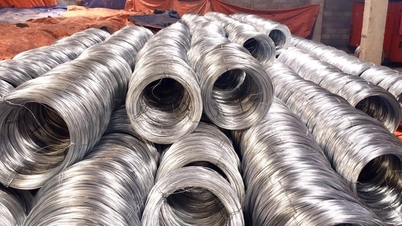
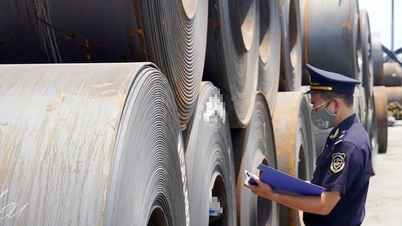
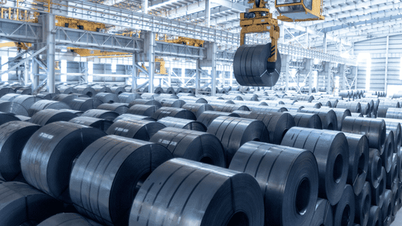
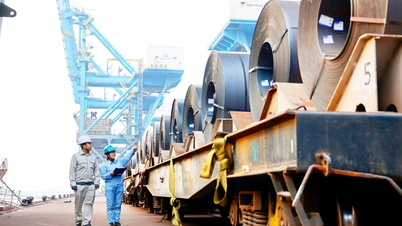
According to Mr. Nguyen Canh Cuong, former Vietnamese trade attaché in the United Kingdom, with strong export growth, some Vietnamese products are at high risk of anti-dumping investigations in the UK, especially steel and extruded aluminum, ceramic tiles, and textiles. In particular, with the global steel surplus, Vietnamese steel exported to the UK is at high risk of being investigated for dumping. Aluminum and extruded aluminum are also at risk of investigation, especially since aluminum from other countries has been targeted by similar investigations in the UK.
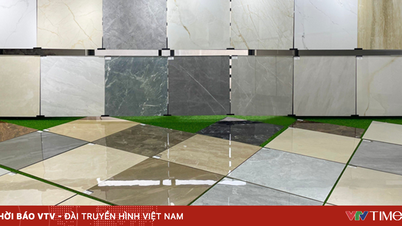
The risk of anti-dumping investigations into ceramic tiles and porcelain products is quite low, unless there are exceptional factors that increase competitive pressure from imports. While Vietnam's textile and garment industry has seen export growth to the UK, its small scale and lack of significant importance to the UK economy limit the risk of anti-dumping investigations. However, this industry might only be investigated if unusual factors arise, such as a sudden surge in imports at highly competitive prices.
Closely monitor market policy changes.
After leaving the European Union (EU), the United Kingdom established its own trade defense mechanism to protect domestic industries from unfair competition from abroad. According to Mr. Nguyen Canh Cuong, the UK's trade defense policy continues to play an important role in protecting domestic industries from international competition.
For Vietnam, although exports to the UK are growing, Mr. Nguyen Canh Cuong advised that businesses need to be cautious in managing prices and cooperate closely with partners to avoid anti-dumping investigations from the UK, especially in strategic sectors such as steel and aluminum. Sectors such as ceramic tiles and textiles have a lower risk, but also need close monitoring to ensure they are not unexpectedly affected by trade defense measures.
Furthermore, facing the risk of anti-dumping investigations in the UK, Vietnamese businesses need to proactively adjust their export strategies to minimize risks. Specifically, they need to closely monitor the market by continuously updating themselves on changes in UK trade policy and implementing measures to ensure their goods are not considered to be dumped.
At the same time, according to Mr. Nguyen Canh Cuong, ensuring compliance with international regulations is extremely important. Businesses need to ensure that the price and quality of their products meet international standards and UK regulations, avoiding unwarranted accusations. Along with that, they should strengthen cooperation with trading partners in the UK to better understand the market and jointly find ways to minimize the risk of trade defense investigations. Maintaining fair and transparent competitive pricing is crucial, avoiding dumping practices that harm the importing country's industry.
The Trade Remedies Department of the Ministry of Industry and Trade also recommends that trade defense measures from importing markets such as the United Kingdom pose a significant challenge for Vietnamese export businesses. Therefore, to respond to investigations and minimize the negative impact of trade defense measures, businesses and industry associations need to monitor warnings from the Ministry of Industry and Trade and adjust their export business plans accordingly, reducing negative impacts when measures are applied; as well as collaborate with businesses exporting similar goods to develop joint programs and plans to deal with potential lawsuits.
The UK's trade defense policy focuses on three main measures: Anti-dumping, applied when imported goods into the UK are sold below their normal value, harming domestic industries; anti-subsidy, applied to combat subsidies from foreign governments that create unfair competition; and safeguard measures, used when there is a sudden increase in imports that is likely to harm domestic producers. The UK's Trade Remedies Authority (TRA) is currently responsible for investigating complaints and making decisions regarding trade safeguard measures. These measures aim to combat dumping, unfair subsidies, and sudden increases in imports, thereby protecting domestic businesses. |
Source: https://congthuong.vn/doanh-nghiep-lam-gi-de-giam-thieu-rui-ro-dieu-tra-phong-ve-thuong-mai-tu-thi-truong-anh-351341.html

![[Photo] Prime Minister Pham Minh Chinh holds a phone call with the CEO of Russia's Rosatom Corporation.](/_next/image?url=https%3A%2F%2Fvphoto.vietnam.vn%2Fthumb%2F1200x675%2Fvietnam%2Fresource%2FIMAGE%2F2025%2F12%2F11%2F1765464552365_dsc-5295-jpg.webp&w=3840&q=75)


![[Photo] Closing Ceremony of the 10th Session of the 15th National Assembly](/_next/image?url=https%3A%2F%2Fvphoto.vietnam.vn%2Fthumb%2F1200x675%2Fvietnam%2Fresource%2FIMAGE%2F2025%2F12%2F11%2F1765448959967_image-1437-jpg.webp&w=3840&q=75)









































































Comment (0)