

CHANGING MINDSETS ON DEVELOPMENT RESOURCES
The resources for development in the traditional societies of ethnic minorities in western Nghe An mainly consist of forest land, cultivated fields, rice paddies, and generally all resources closely linked to their lives.
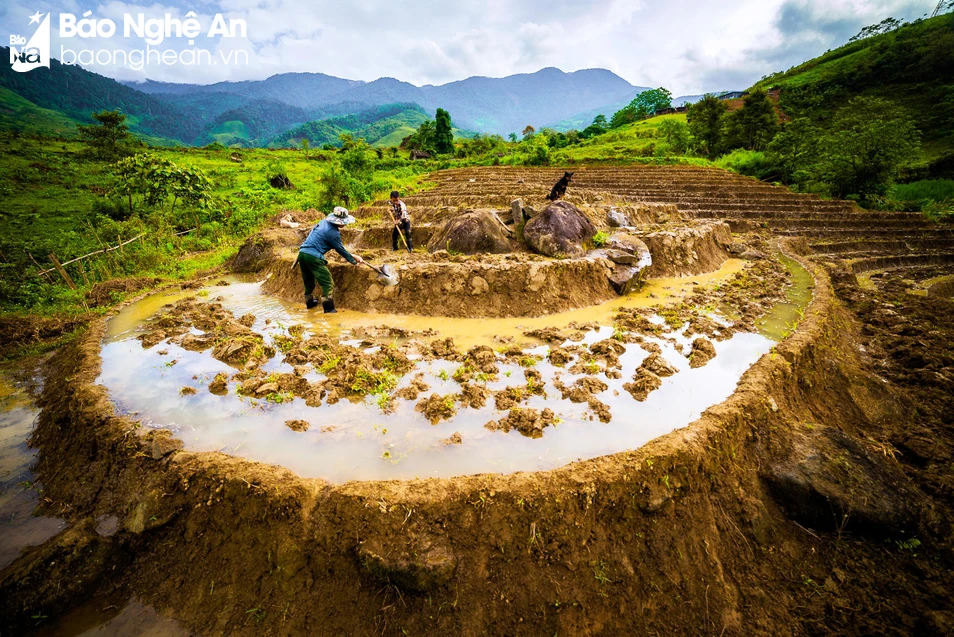
In a market economy, new resources are needed, such as social relationships, social networks, folk knowledge, market information, geographical location, professional skills, cultural knowledge, qualifications, and social status. However, not everyone recognizes and utilizes these resources. Families participating in community tourism, compared to those less involved in such activities, may see the challenges of utilizing these resources more clearly due to differences in market experience.
Those involved in community-based tourism know how to build social networks through various channels. First and foremost are their relationships with local authorities. From the very beginning of community-based tourism development projects and visits to model sites, these individuals have learned to forge necessary relationships with guides, community tourism organizers, and even with people in the places they visit to exchange information. Later, when their first groups of tourists arrive, they know how to maintain these relationships. In particular, they know how to create and expand relationships with tourism companies and tour guides, viewing these relationships as crucial sources of customers.
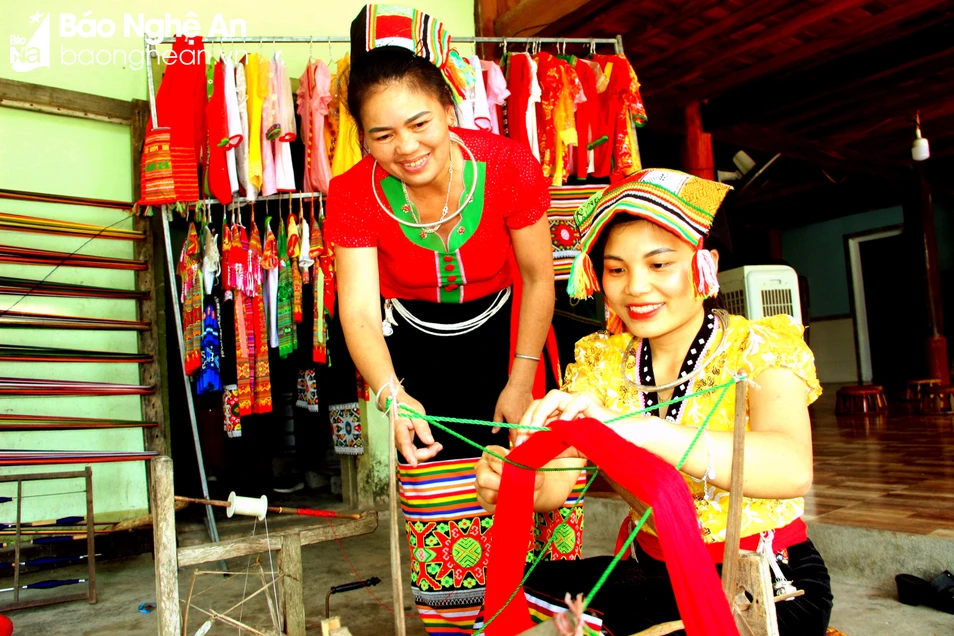
Not only are they skilled at building external social relationships, but those involved in community tourism also demonstrate agility and the ability to mobilize others within their communities to participate in these activities. They focus on training everyone in cooking, organizing guest receptions, and planning activities to serve tourists. When divided into groups/clubs such as folk music clubs, culinary groups, and experiential groups, community tourism workers act as a bridge between these groups. They receive information about tourists, inform and organize related activities, and negotiate prices and profit sharing among themselves.
Thus, through community tourism, participants have become clearly aware that social relationships and organizational capacity are resources for economic development. They also understand that ethnic cultural identity is an important asset that can be applied to the development process.
CHANGING THE MINDSET ABOUT ECONOMIC PLANNING
Community tourism itself is an economic process comprising many different, interrelated steps and activities. Therefore, developing community tourism also requires an economic planning strategy. First and foremost is a financial investment strategy.
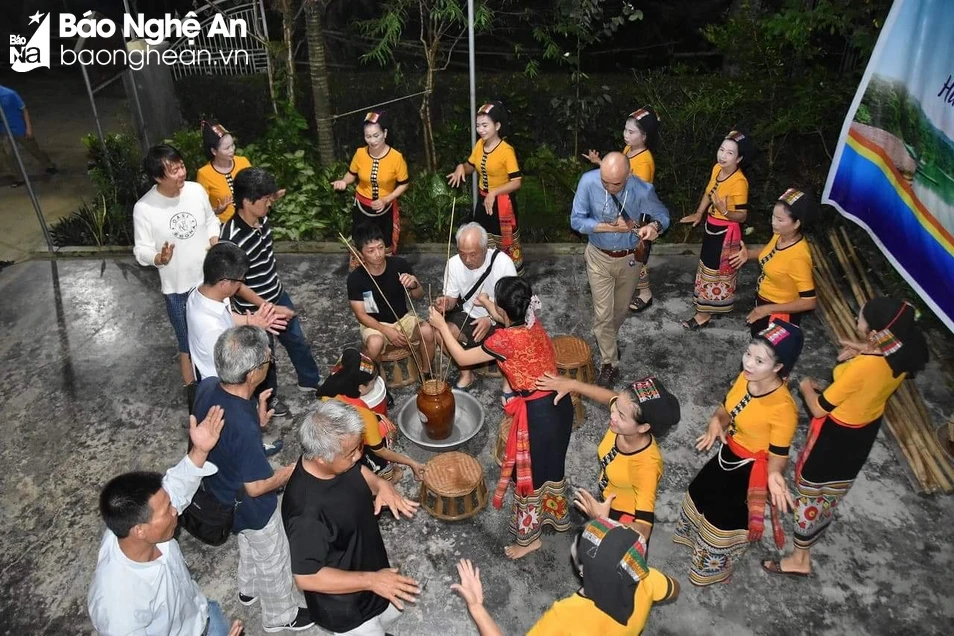
Developing community-based tourism requires significant financial resources and a sound investment strategy. Raising substantial capital through selling cattle and pigs, borrowing from relatives, or even taking out bank loans is no easy feat for people in mountainous regions. Therefore, pursuing this path demands careful planning and investment. Those involved in community-based tourism demonstrate boldness in their business ventures and are very calculating in their investments in this new field. However, they don't pour all their resources into this activity, maintaining other production activities to ensure their family's livelihood remains secure even if those don't yield the expected results.
CHANGING MINDSETS REGARDING CULTURAL VALUE SYSTEMS
The value system reflects ethnic identity. However, these are all abstract concepts and change over time. The value system is shaped in different periods and changes depending on circumstances, but it still retains its basic characteristics.
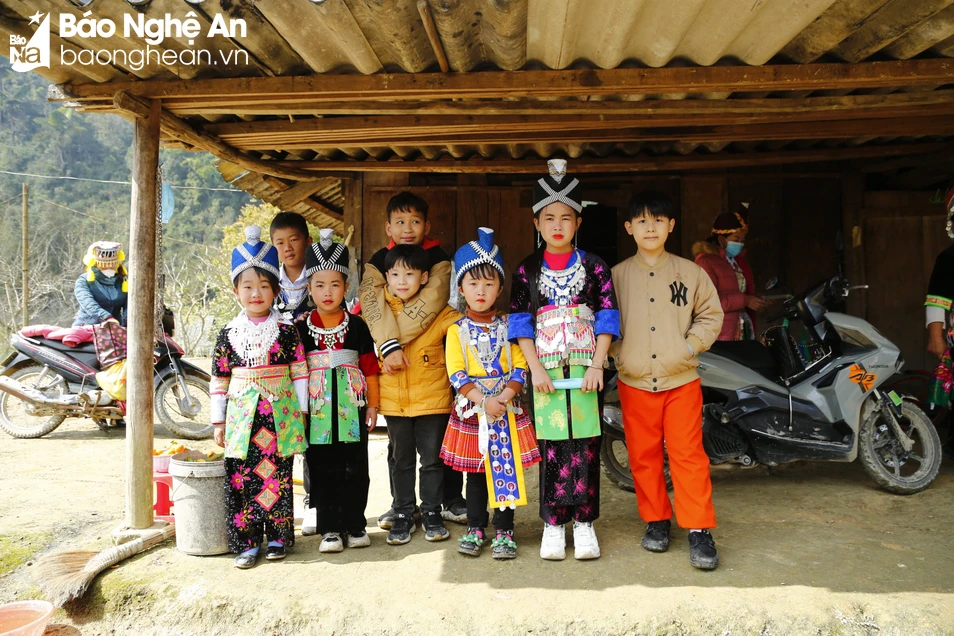
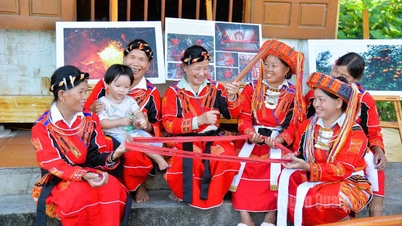
In the past, most ethnic minority communities in western Nghe An province held a fundamentally introverted value system. These creative and productive communities focused on serving themselves, their families, and their communities. For example, a beautiful traditional costume was a tribute to the woman who produced it. These are examples of introverted cultural values. However, with the development of community-based tourism, this value system has also changed.
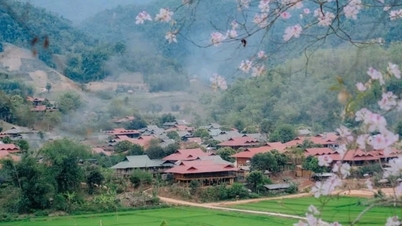
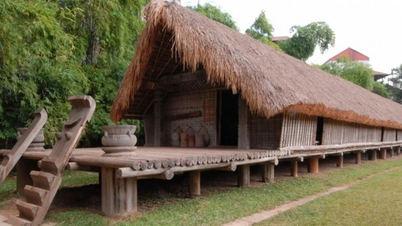
To develop tourism, locals have even modernized cultural elements to serve visitors; they renovate their houses, add corrugated iron roofs, and raise the pillars to use the ground floor as a reception and dining space. They purchase modern equipment such as refrigerators, rice cookers, hot and cold showers, and flush toilets. Many dishes have also been modified to better suit the tastes of tourists. Many new services have emerged, such as cafes, pubs, clothing shops, and souvenir shops.
Moreover, the costumes are often modernized, and the songs and dances are adapted to be more appropriate, lively, and magnificent. This demonstrates that community tourism has changed the value system of those involved in community tourism from an inward-looking to an outward-looking, customer-serving perspective.
Source


















![[Photo] Prime Minister Pham Minh Chinh holds a phone call with the CEO of Russia's Rosatom Corporation.](/_next/image?url=https%3A%2F%2Fvphoto.vietnam.vn%2Fthumb%2F1200x675%2Fvietnam%2Fresource%2FIMAGE%2F2025%2F12%2F11%2F1765464552365_dsc-5295-jpg.webp&w=3840&q=75)











































Comment (0)