

Despite being equipped with two R-73 air-to-air missiles, the Ukrainian USV was still destroyed by a Russian helicopter.
Friday, May 10, 2024, 3:19 PM (GMT+7)
Ukraine fitted two R-73 anti-aircraft missiles to the suicide boat, but this did not help it escape pursuit by Russian helicopters.
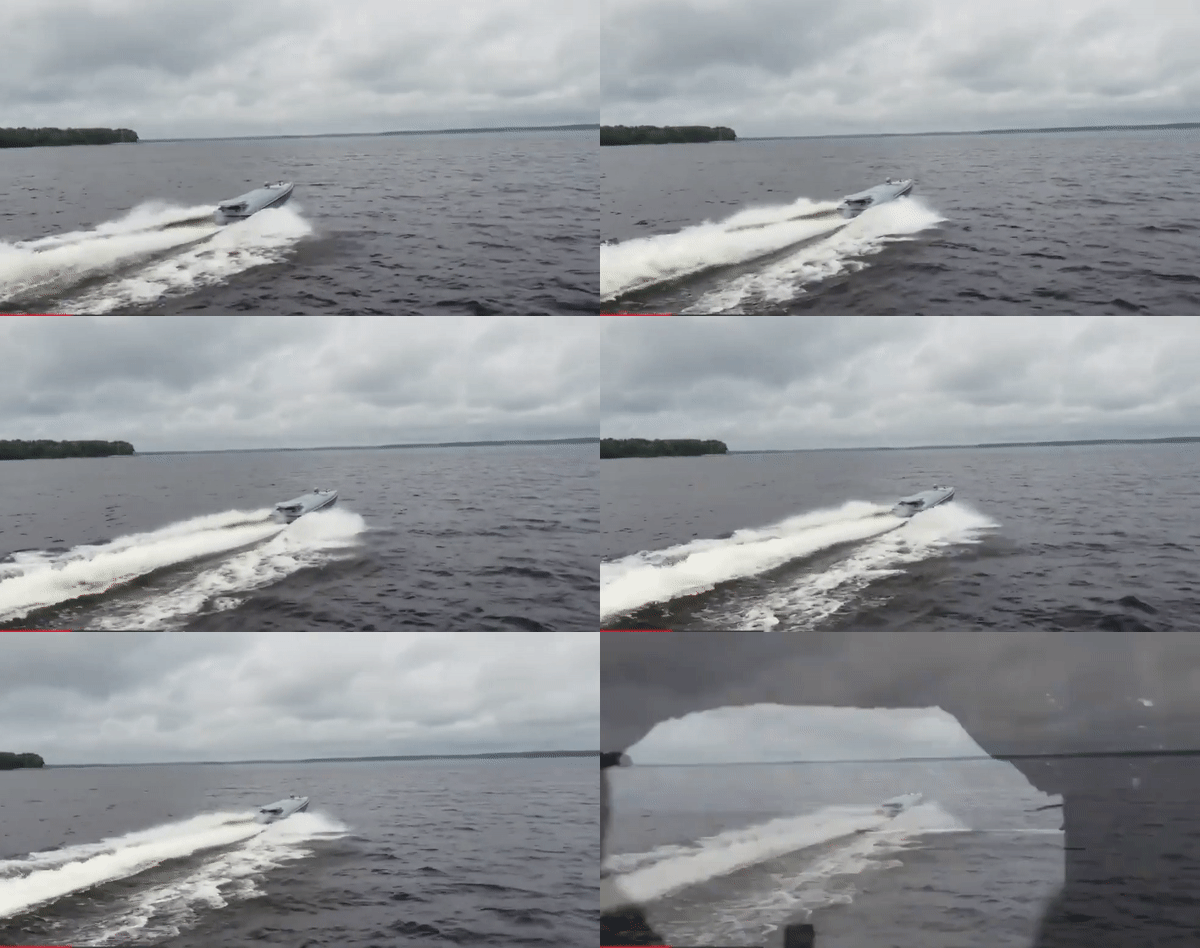
Recently, Ukraine has deployed suicide boats (USVs) to attack warships of the Black Sea Fleet. Therefore, Russia has sought ways to counter these boats from the air. (According to AFP, Reuters, and Forbes)
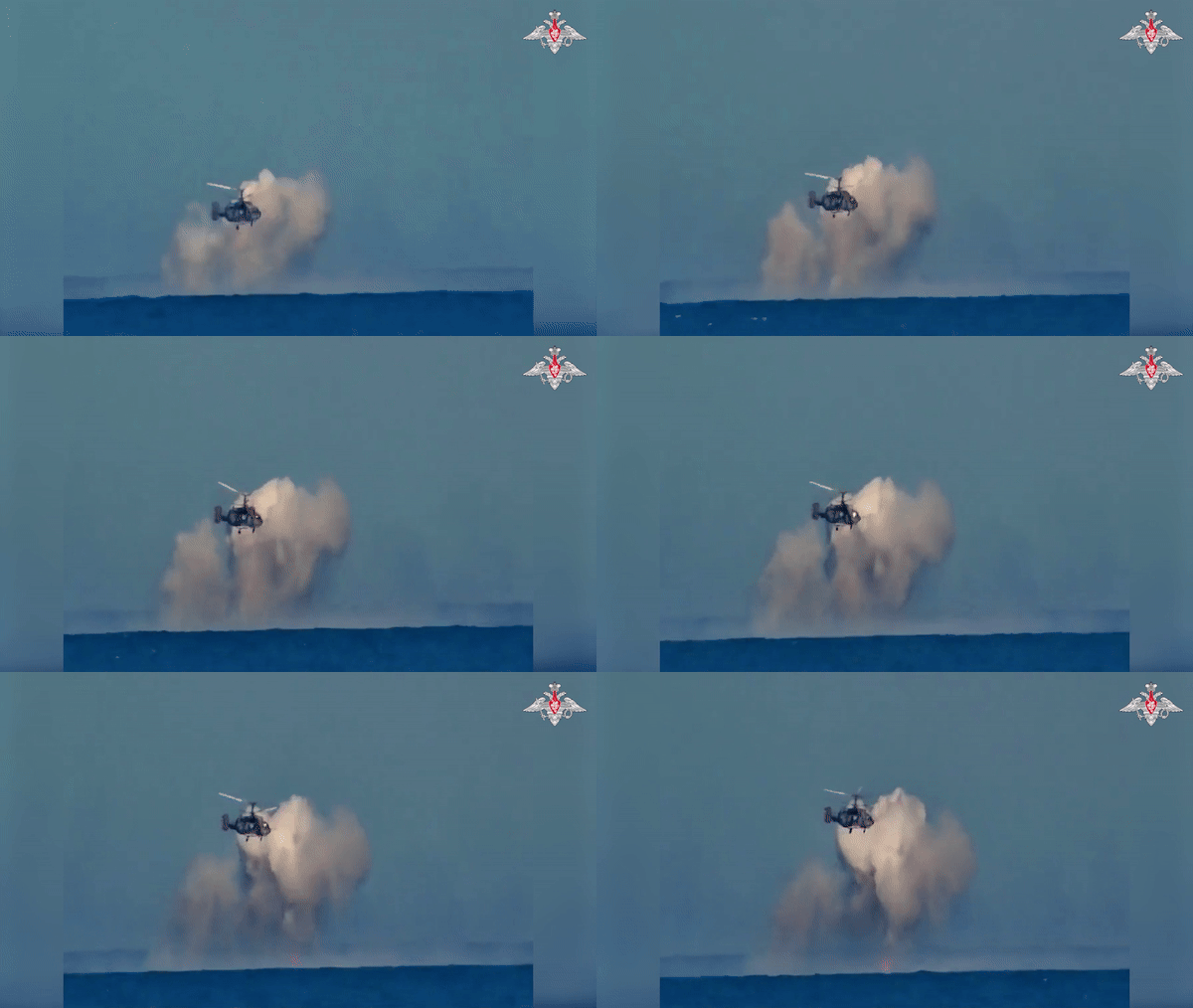
Russia deployed fighter jets, bombers, and helicopters to patrol the Black Sea, searching for suicide boats to destroy with artillery fire. (According to AFP, Reuters, and Forbes.)

To counter Russian weapons, Ukraine is equipping its suicide boats with anti-aircraft missiles, ready to shoot down Russian aircraft. (According to AFP, Reuters, and Forbes.)
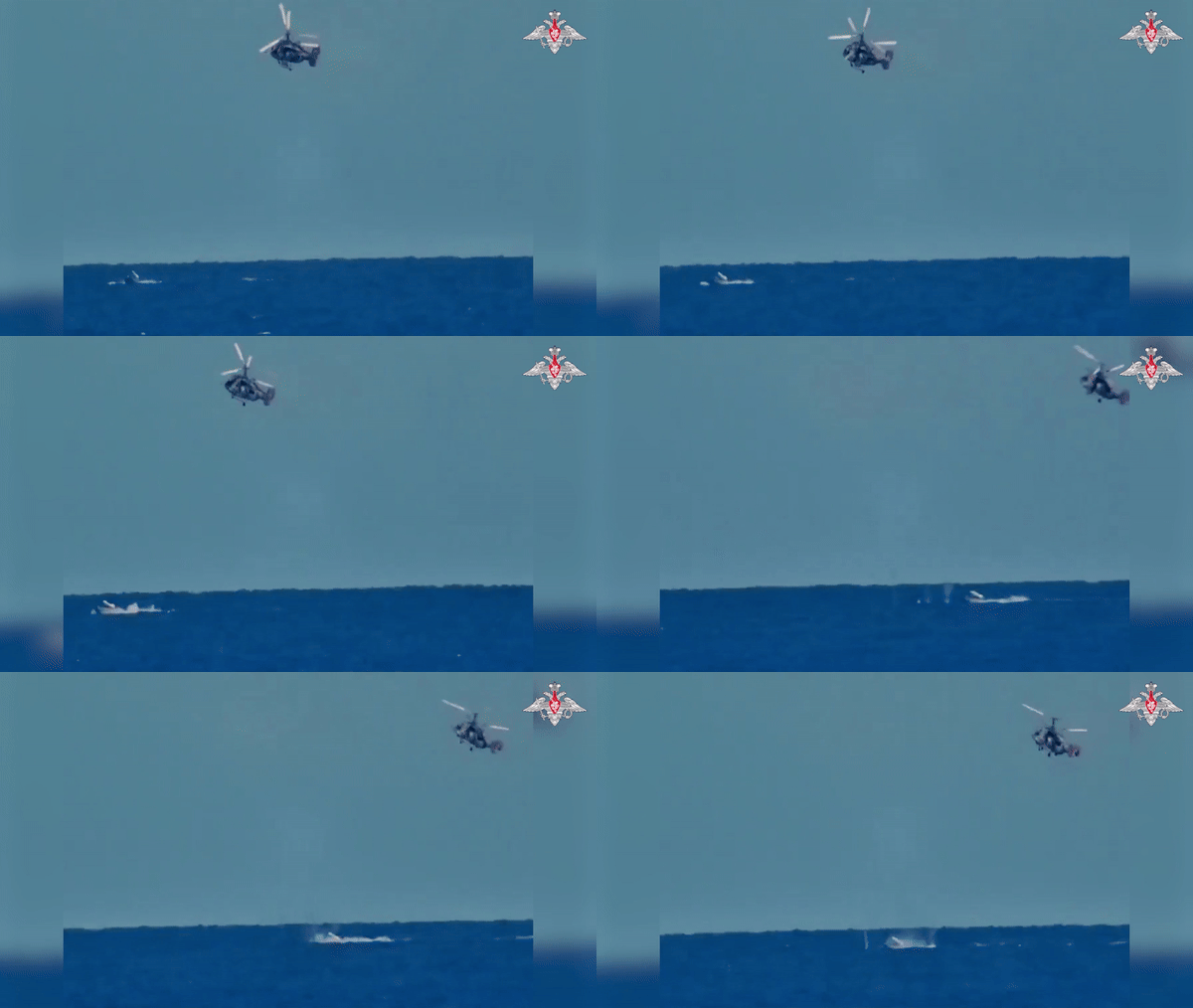
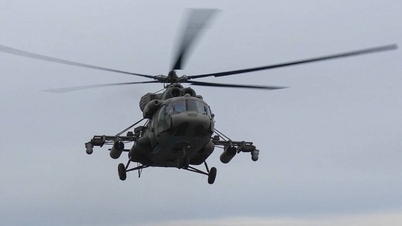
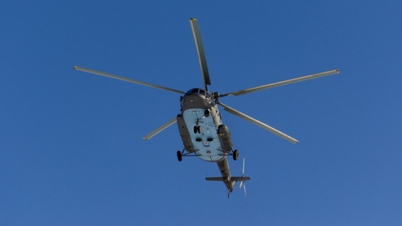
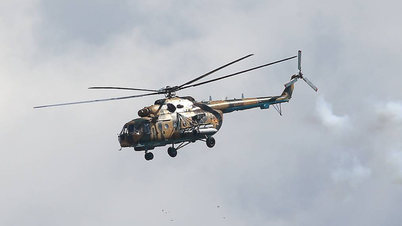
Video from the scene shows a Kamov Ka-29 helicopter circling the Ukrainian Sea Baby suicide boat before firing at its target. (According to AFP, Reuters, Forbes)
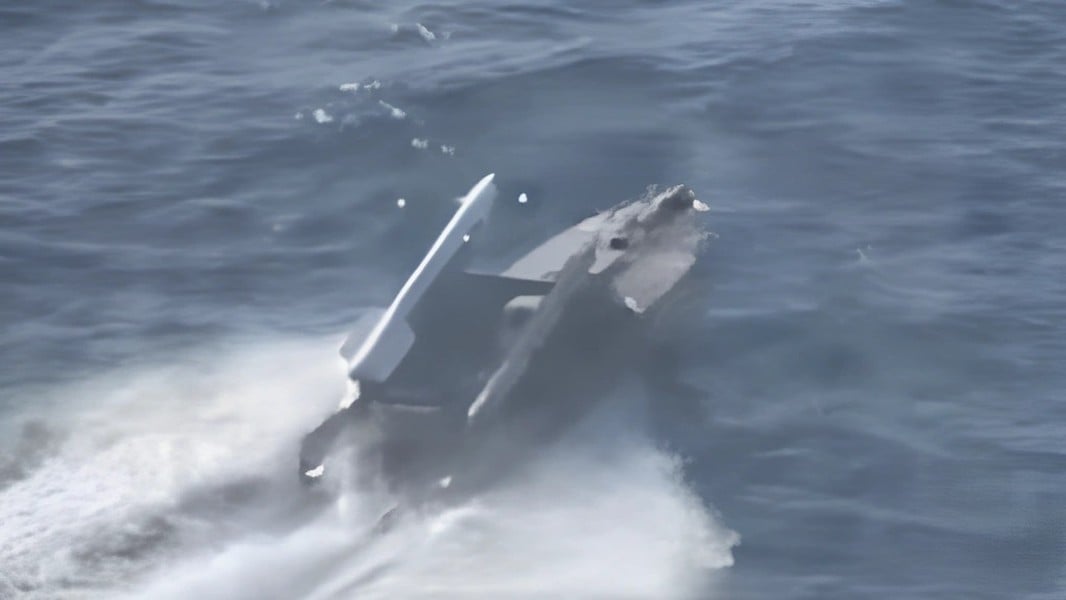
It is clear that Ukraine has attached two additional missiles to the USV. (According to AFP, Reuters, and Forbes.)
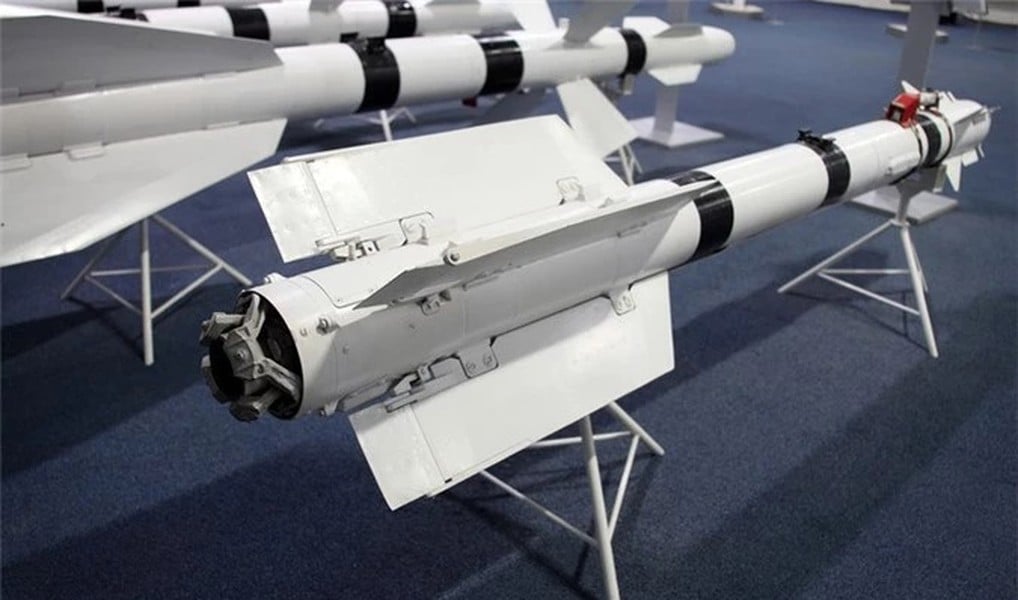
This is the R-73 infrared-guided missile. (According to AFP, Reuters, Forbes.)
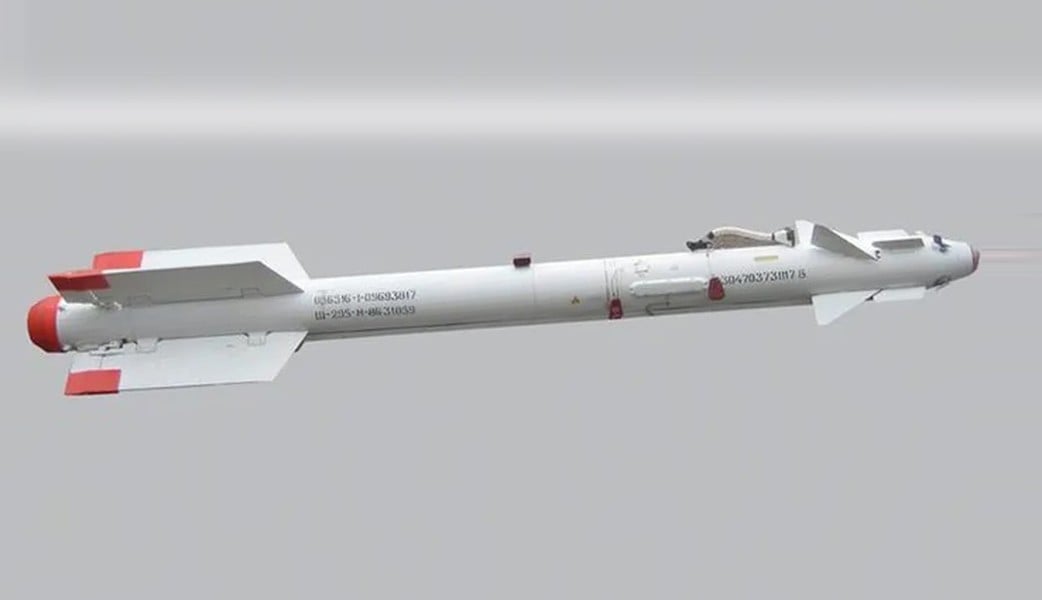
The R-73's seeker is highly sensitive to heat sources such as aircraft engines, but Ukraine would need specific technical expertise to be able to launch the R-73 from a distance. (According to AFP, Reuters, Forbes.)
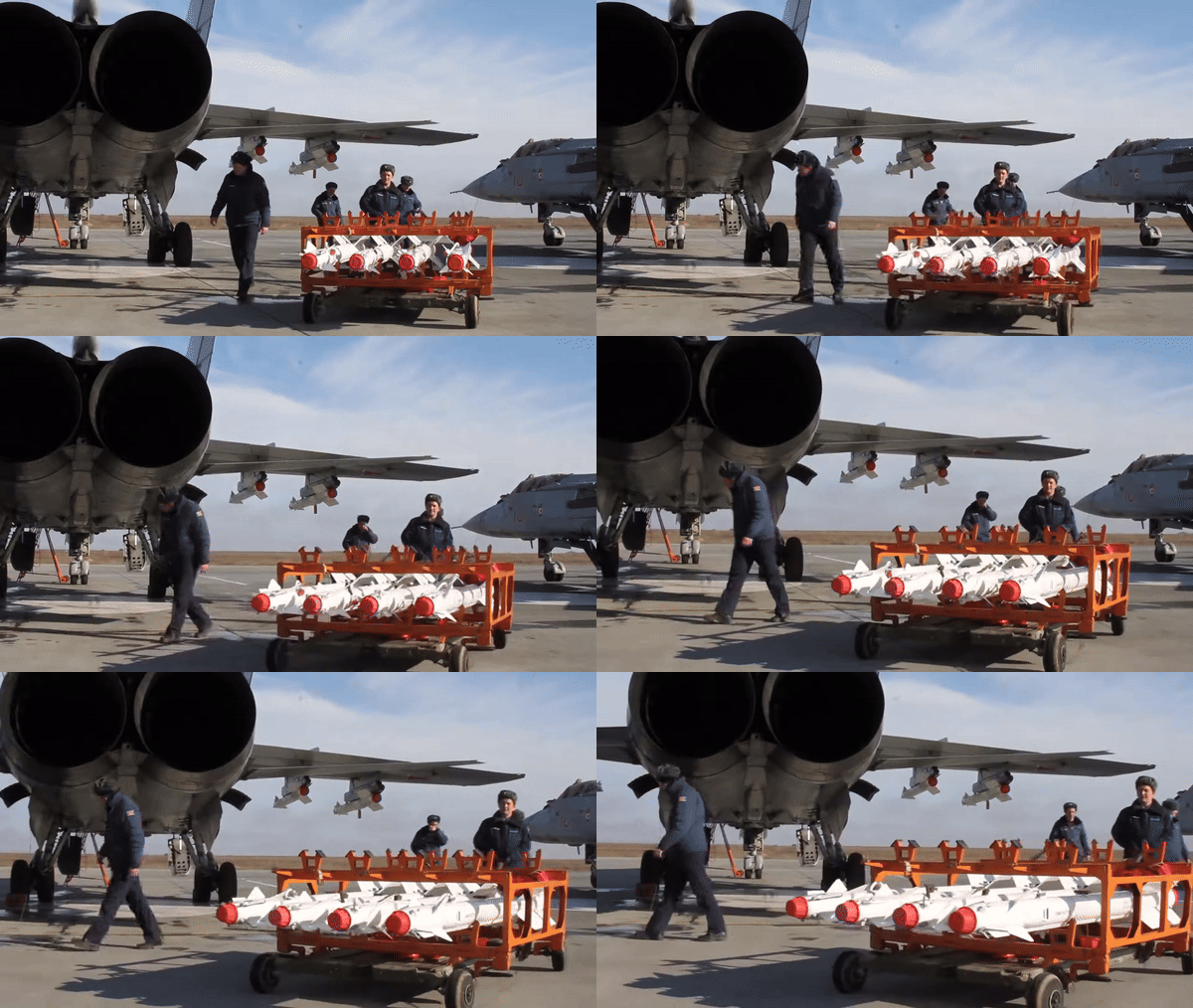
The R-73 is a standard short-range air-to-air missile developed by the Vympel design bureau of the Soviet Union, entering service in 1984. (According to AFP, Reuters, Forbes.)
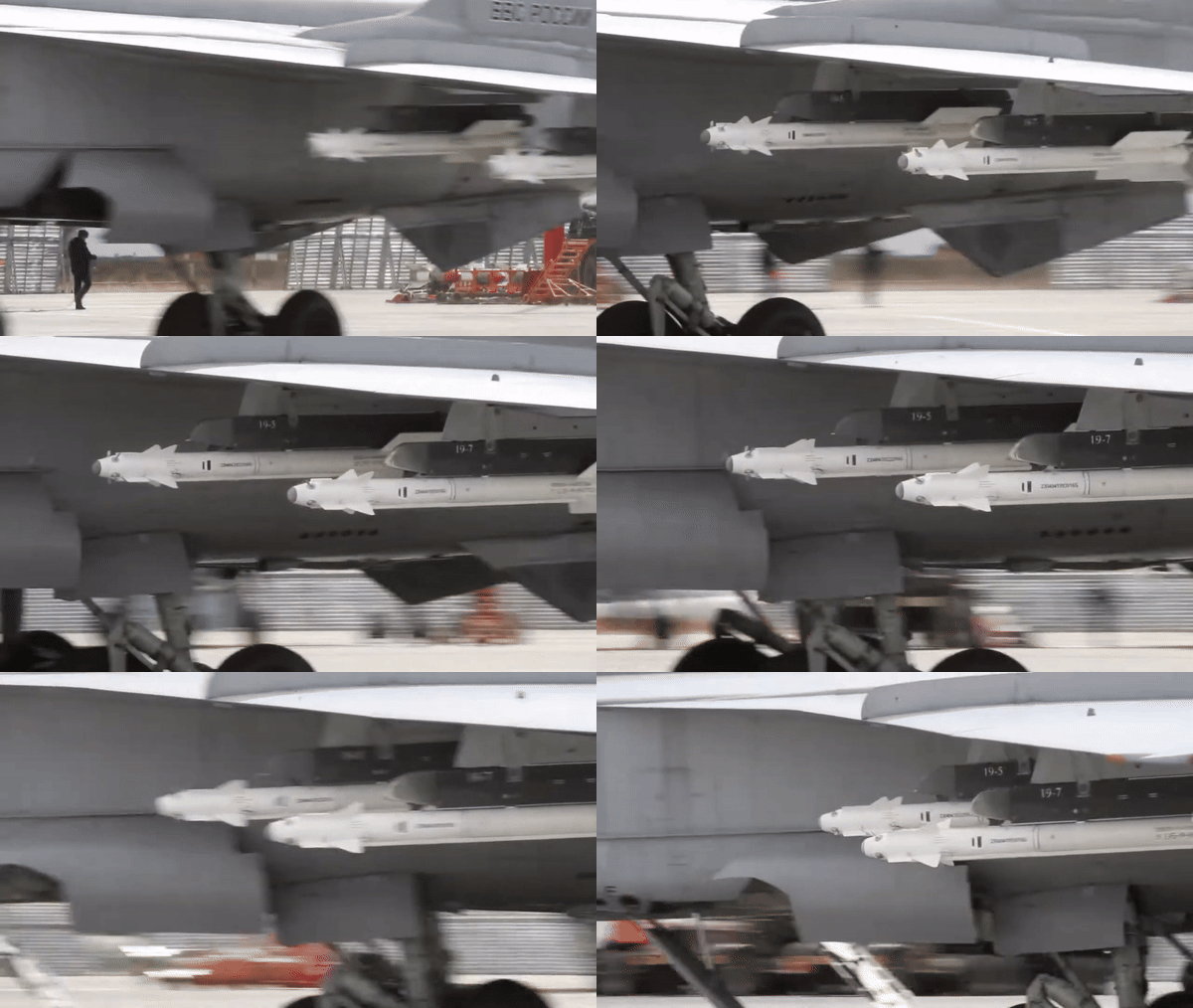
The R-73 is part of the arsenal of MiG-23MLD, MiG-29, MiG-31, and Su-27, Su-30, Su-35 fighter jets, as well as Mi-24, Mi-28, Ka-50, and Ka-52 helicopters. The R-73 missile can also be used on aircraft that lack sophisticated targeting systems. (According to AFP, Reuters, and Forbes)
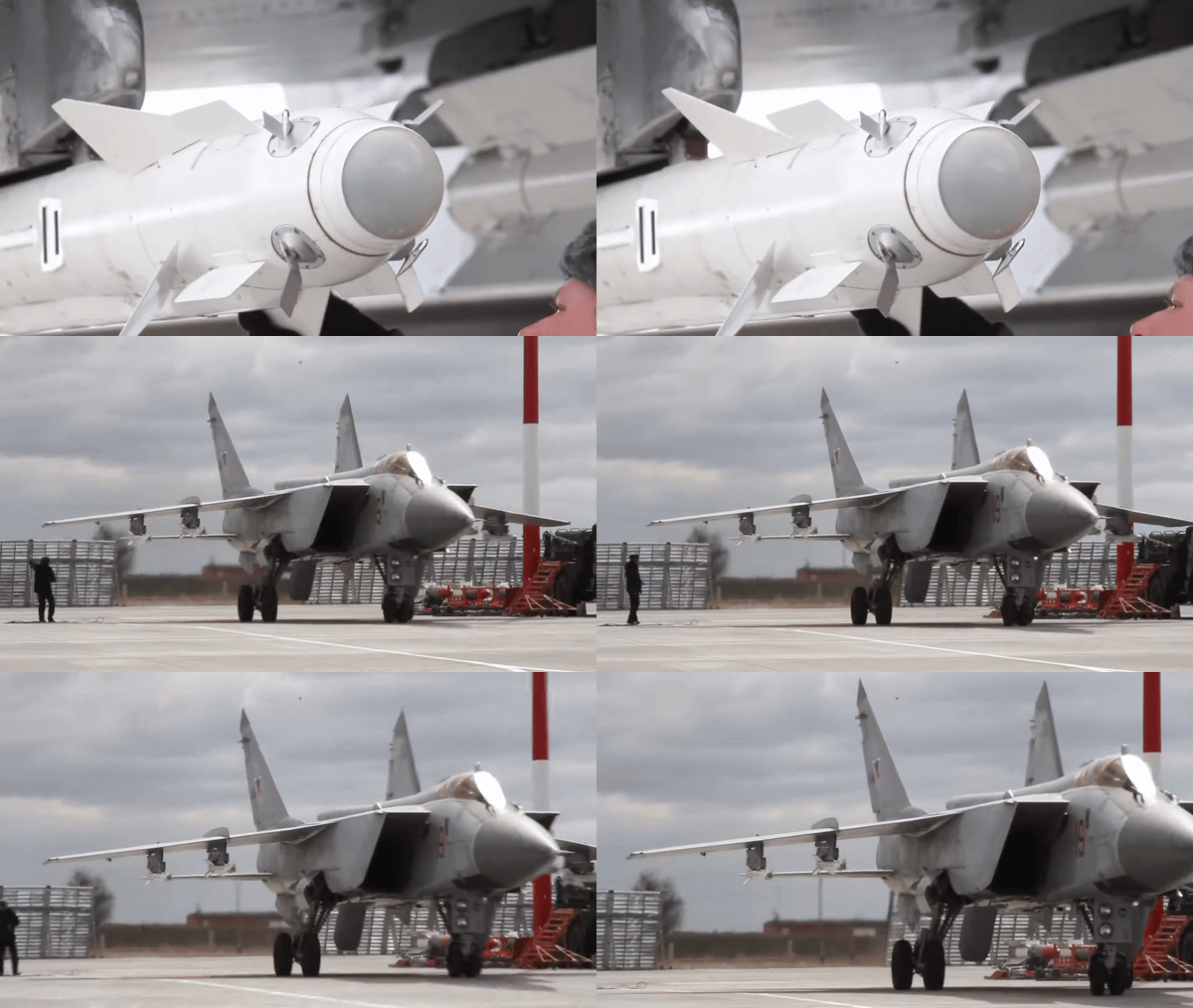
Currently, the R-73 remains the most modern short-range air-to-air missile in the arsenals of former Soviet Union member states, as well as several other countries. In addition to its excellent maneuverability, the R-73 can also be directly linked to the pilot's helmet, allowing it to attack targets at the sides of the aircraft—something impossible with missiles using conventional targeting and guidance methods. (According to AFP, Reuters, Forbes)
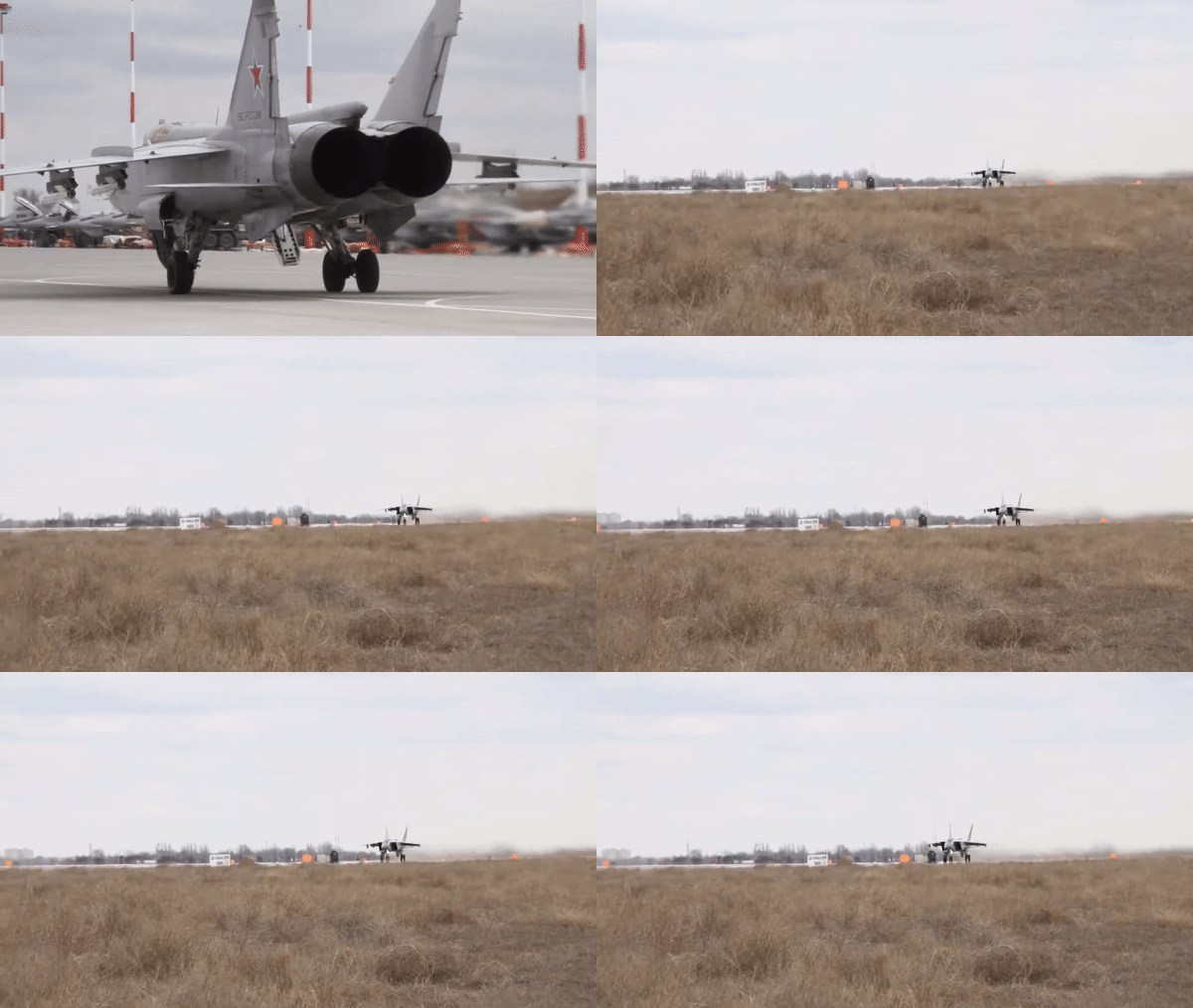
At the time of its introduction, the MiG-29 fighter jet, equipped with R-73 missiles controlled via the pilot's helmet, demonstrated superior close-range air combat capabilities compared to Western aircraft. (According to AFP, Reuters, Forbes)
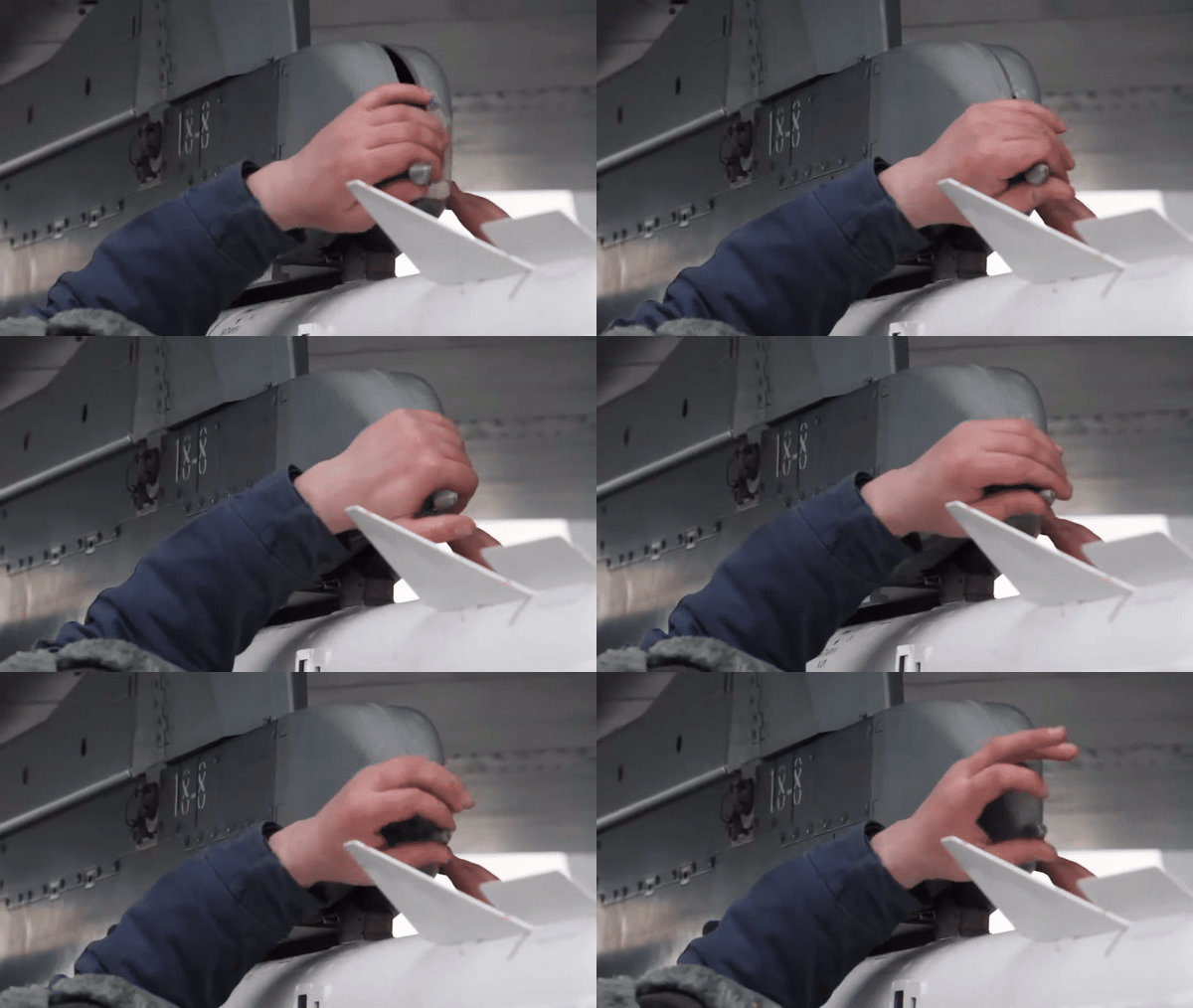
The older R-73A version has a range of 30 km, while the latest R-73M version can destroy targets at a distance of up to 40 km. (According to AFP, Reuters, Forbes)
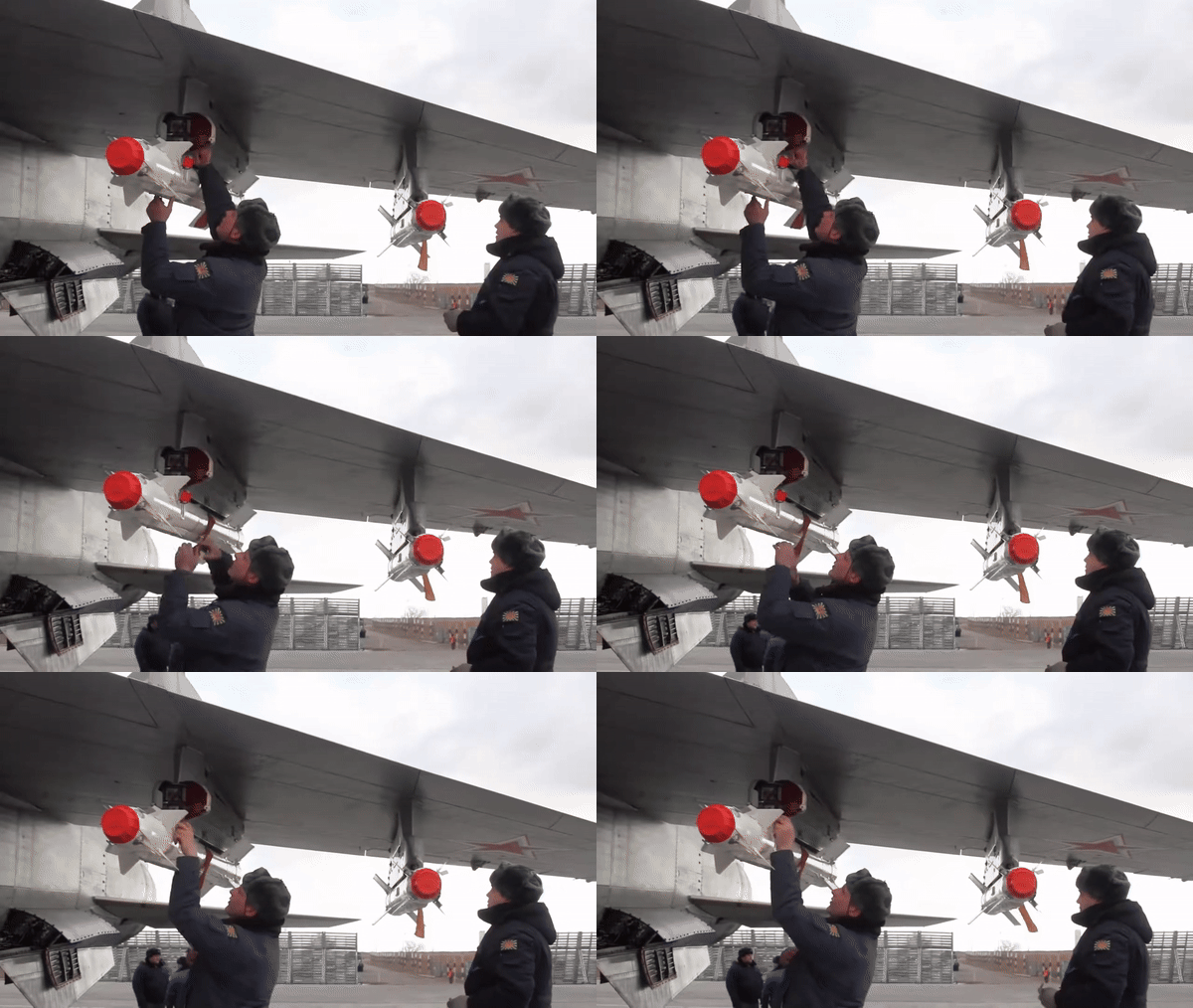
On the surface, the R-73 appears to be simply a larger version of the R-60, designed to accommodate a more effective seeker, a larger warhead, and a more powerful engine. (According to AFP, Reuters, Forbes)
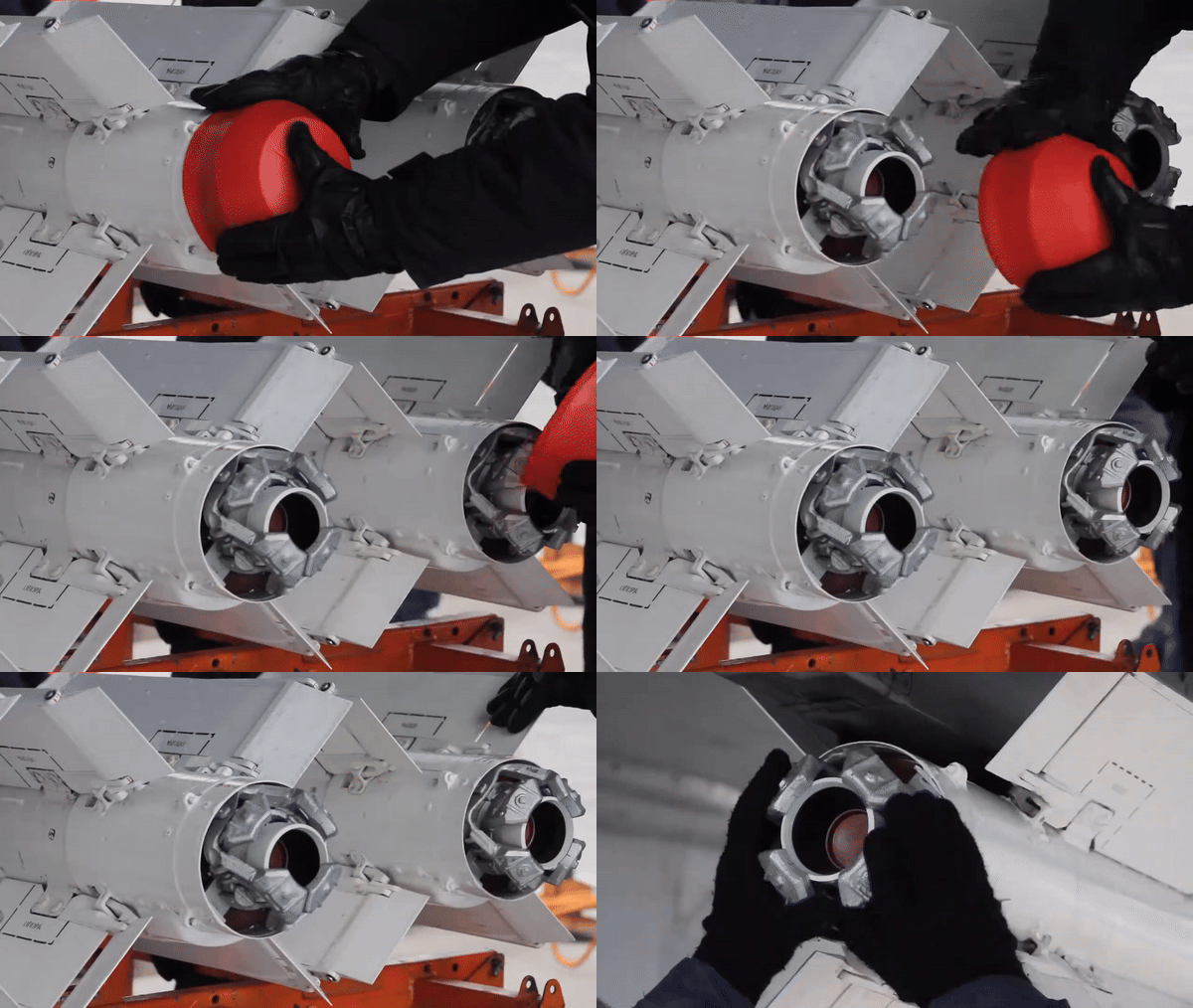
The R-73 missile's design features aerodynamic fins at the nose, and the missile body includes components such as a heat-seeking seeker, a surface aerodynamic steering system, flight control equipment, a fuse, and a high-explosive warhead. (According to AFP, Reuters, Forbes.)
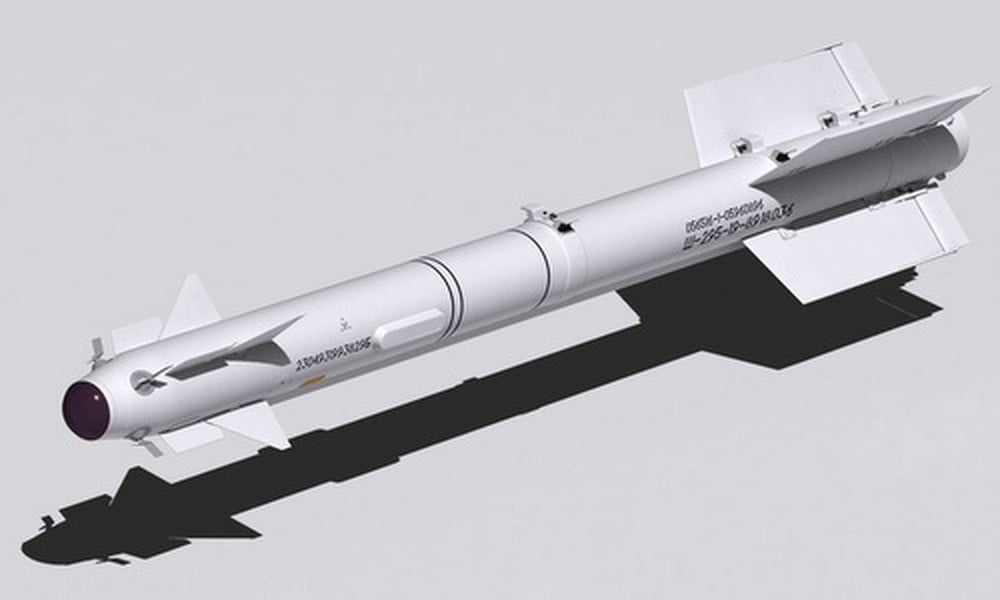
The rocket engine, aerodynamic control system, and steering gears for the auxiliary wings. This combination of aerodynamic elements gives the R-73 high maneuverability and exceptional agility. (According to AFP, Reuters, Forbes)
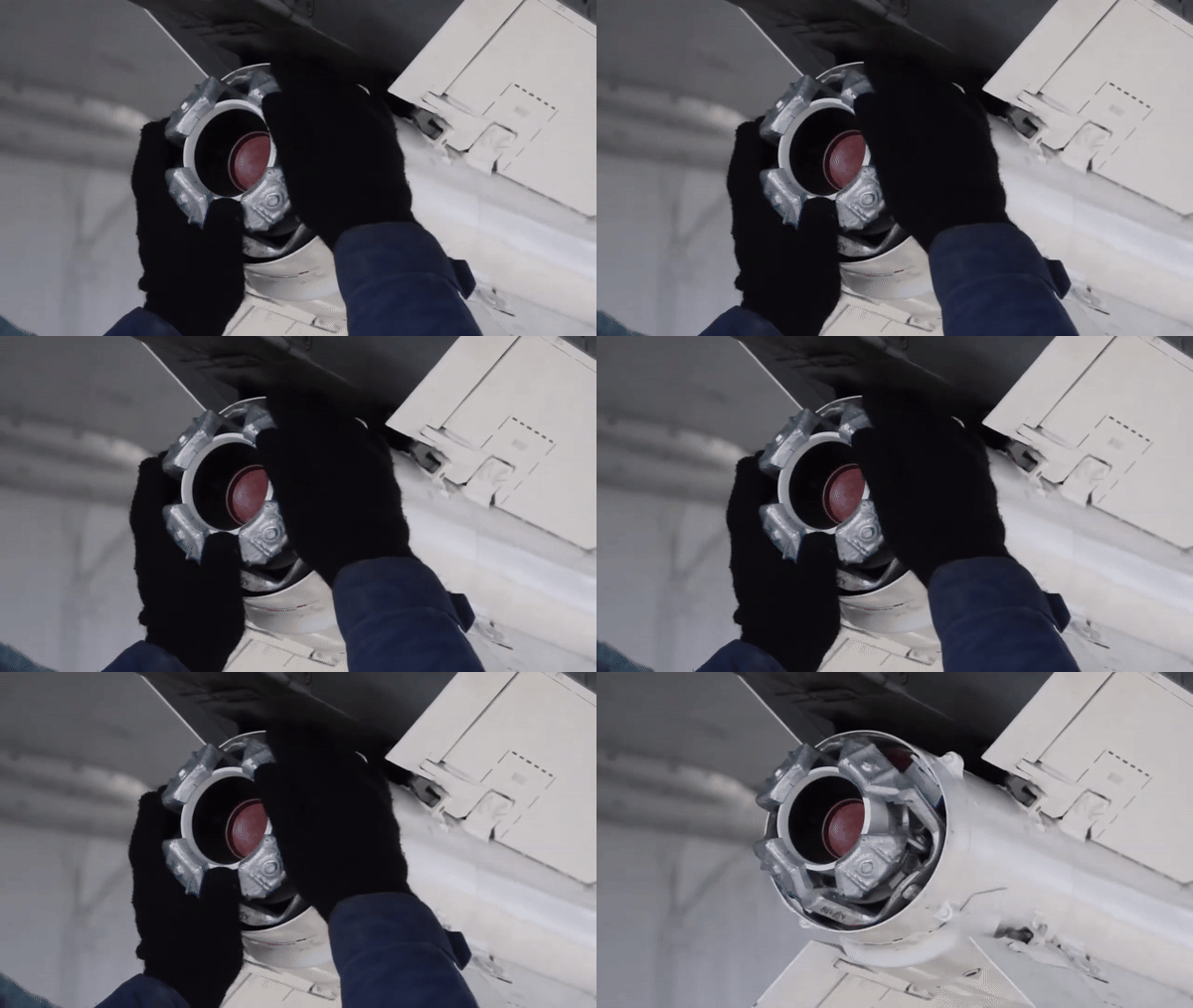
Passive thermal imaging seekers assist in target locking before missile launch, guiding the missile to a predicted position programmed by a special algorithm. This truly makes it a fire-and-forget weapon, as the missile will pursue the target without pilot intervention. (According to AFP, Reuters, Forbes)
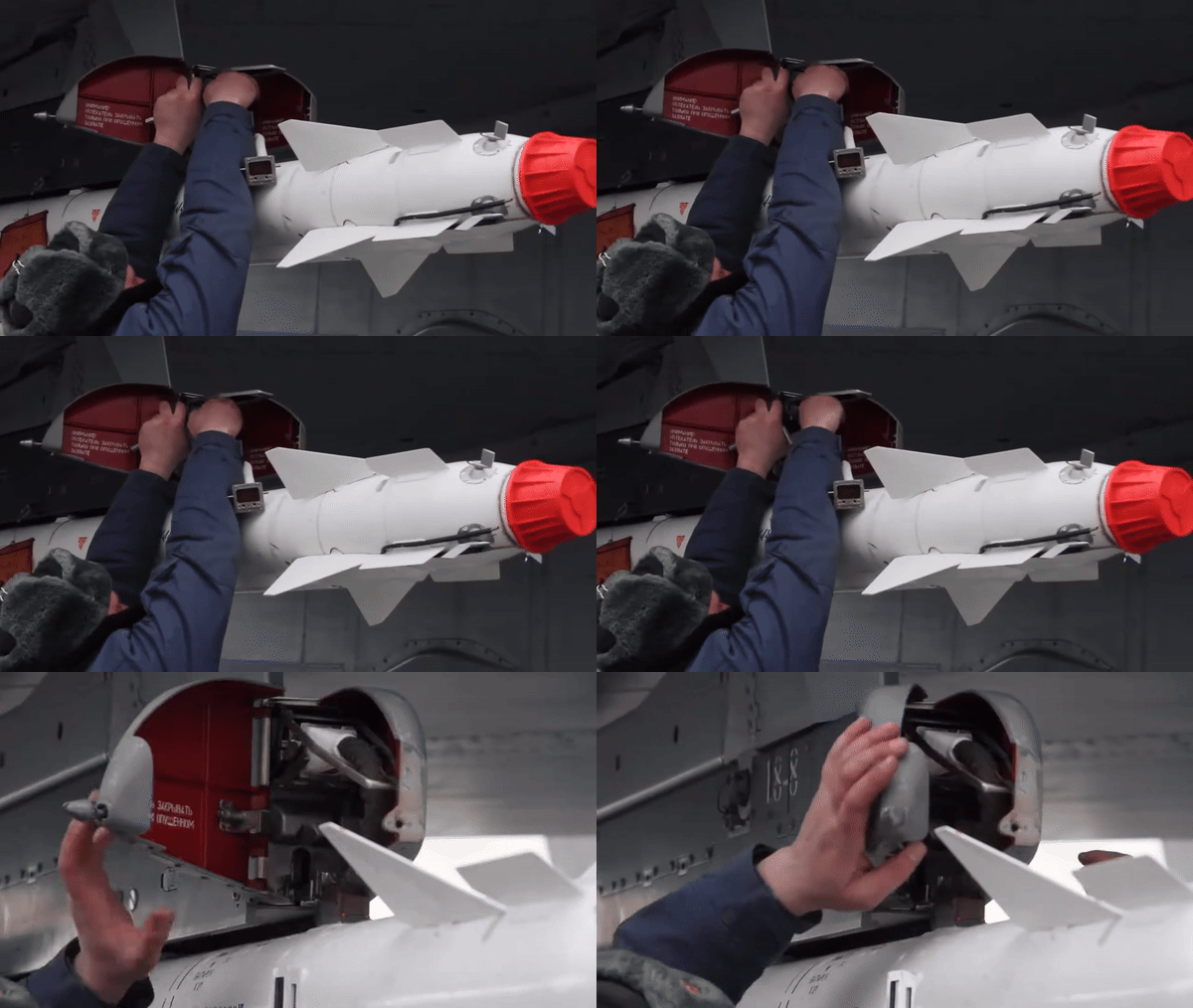
The missile's warhead components include a radar- or laser-activated active fuse and a contact fuse, followed by an 8 kg warhead. The R-73 has a maximum range of approximately 30-40 km in its latest version, while its minimum range is 300 m, making it extremely useful in dogfights. (According to AFP, Reuters, Forbes)
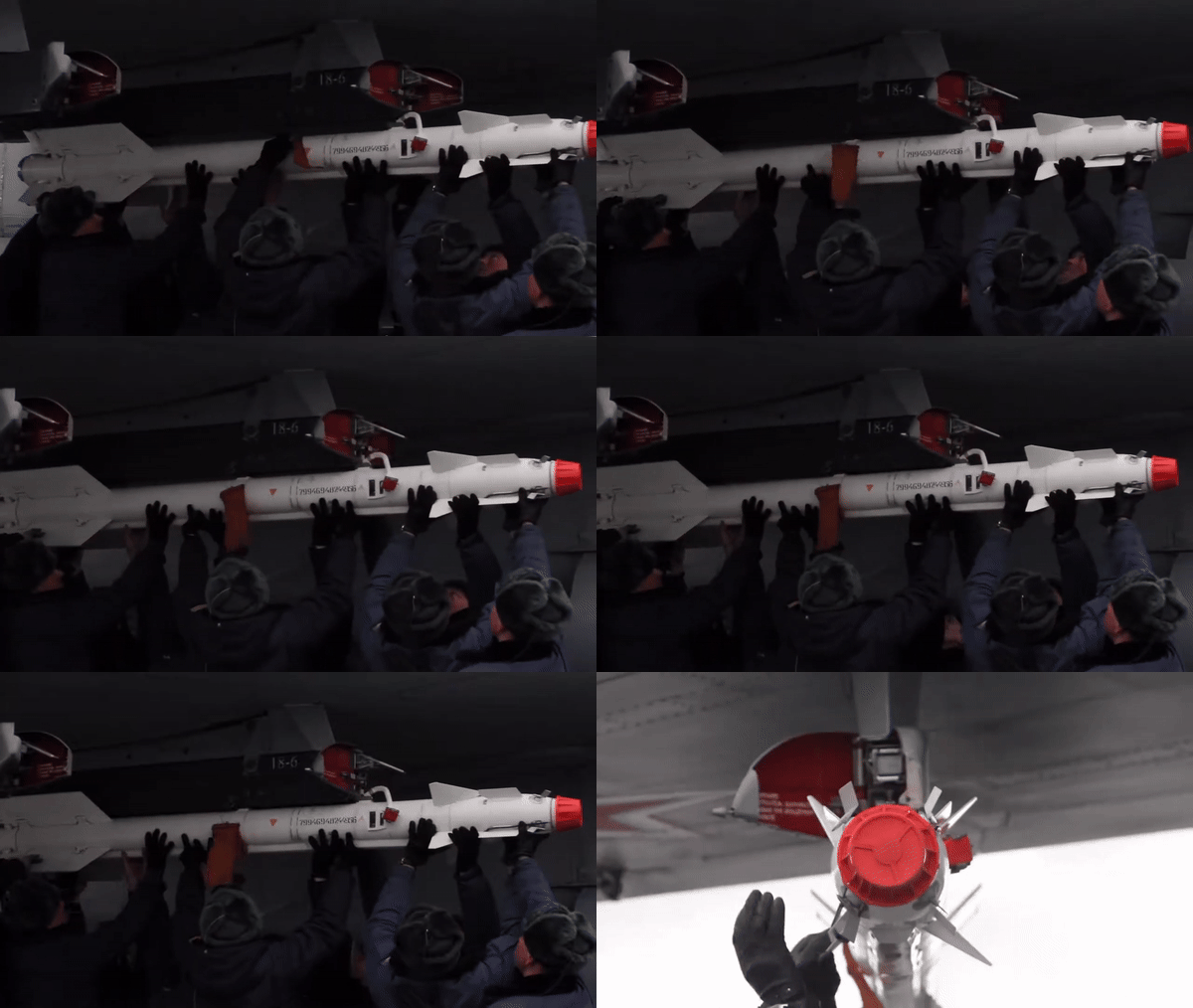
Currently, in addition to newer aircraft models such as the Su-27, Su-30, Su-34, and Su-35, older, upgraded aircraft such as the MiG-21, MiG-23, and Su-25 can also use the R-73 missile. (According to AFP, Reuters, and Forbes)
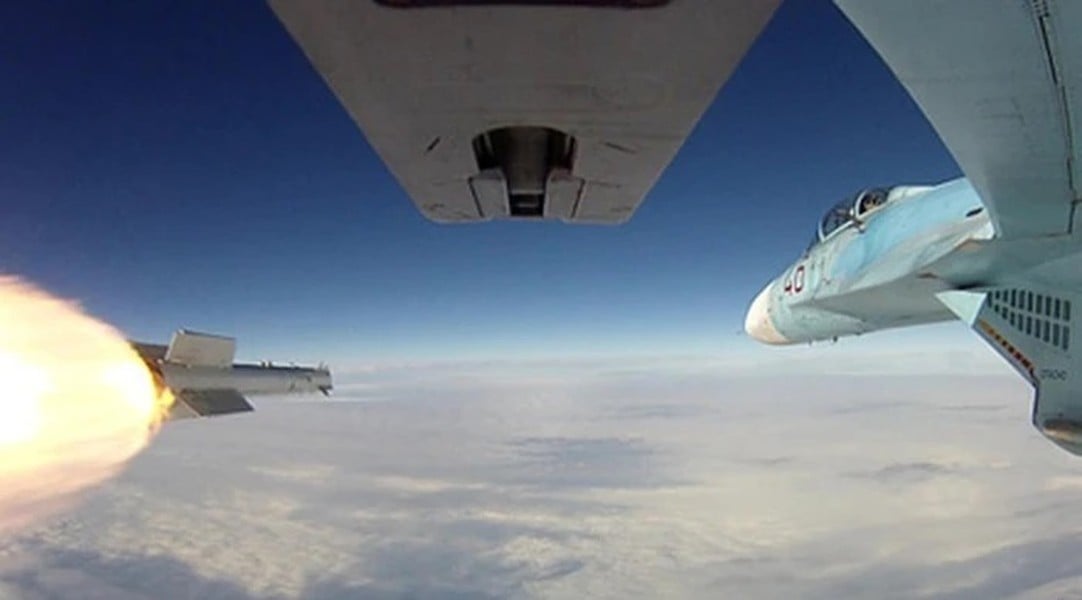
In many cases, the R-73 missile is also mounted alongside the R-60 on the wingspan of fighter aircraft. (According to AFP, Reuters, Forbes.)
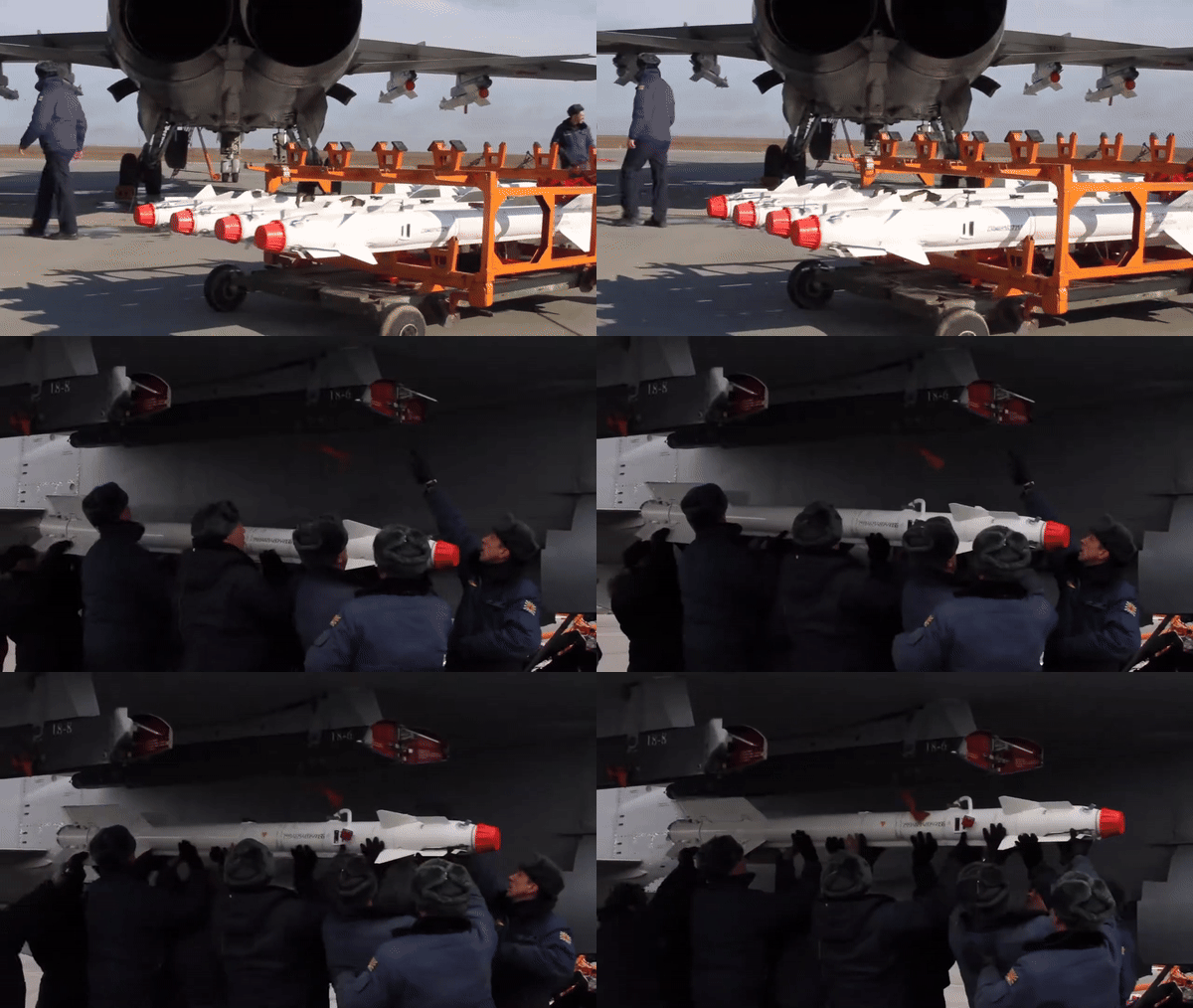
It can be said that engineers from the Vympel design bureau created a versatile air-to-air weapon that is easy to install and use on many types of aircraft, enabling them to effectively engage in air combat with enemy fighters. The use of new technology with a powerful engine, sophisticated navigation system, and flexible maneuverability allowed the R-73 to be as small as possible while still ensuring formidable effectiveness. (According to AFP, Reuters, Forbes)
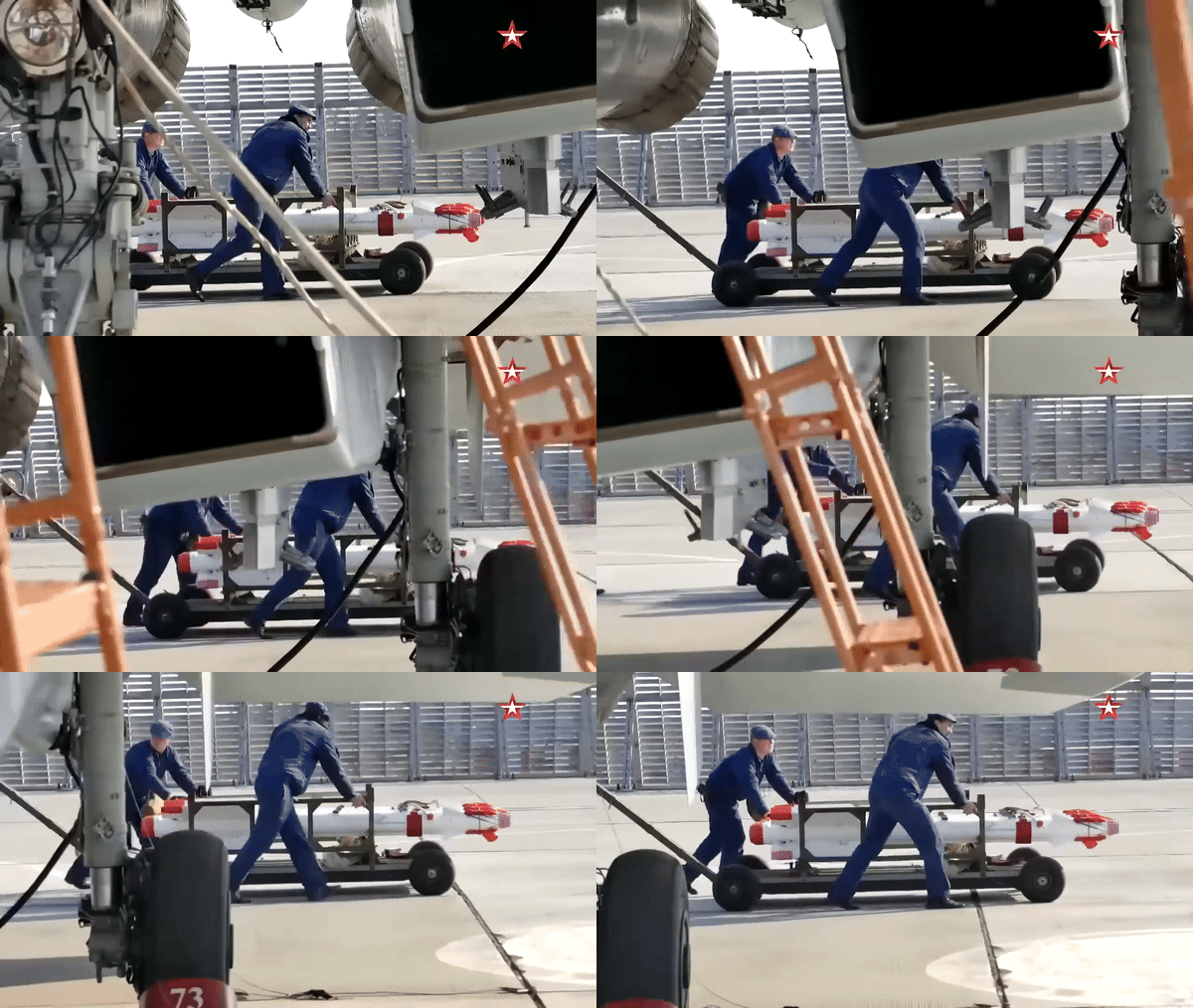
The R-73 missile is now equipped on fighter jets for use in close-range air combat alongside other modern radar-guided missiles. (According to AFP, Reuters, Forbes.)
PV (According to ANTĐ)
Source: https://danviet.vn/du-gan-hai-ten-lua-doi-khong-r-73-usv-ukraine-van-bi-truc-thang-nga-tieu-diet-20240510151631976.htm

























![[Photo] Prime Minister Pham Minh Chinh holds a phone call with the CEO of Russia's Rosatom Corporation.](/_next/image?url=https%3A%2F%2Fvphoto.vietnam.vn%2Fthumb%2F1200x675%2Fvietnam%2Fresource%2FIMAGE%2F2025%2F12%2F11%2F1765464552365_dsc-5295-jpg.webp&w=3840&q=75)












































Comment (0)