

According to new regulations from the European Union (EU), products such as coffee, cocoa, wood, and rubber originating from areas with deforestation or degradation will not be allowed to be exported to the EU market. Vietnam, being a major exporter of agricultural products to the EU, anticipates that many of its goods will be affected.
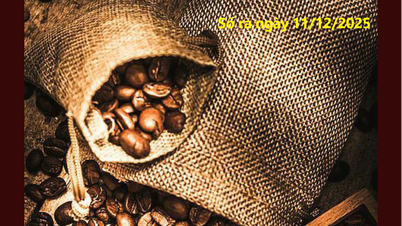
Sharing his views on the impact on the coffee and cocoa industry, Mr. Nguyen Nam Hai, Chairman of the Vietnam Coffee and Cocoa Association, said that Europe (EU) currently accounts for about 45% of Vietnam's total coffee exports of around 1.6-1.7 million tons each year. Therefore, the Vietnamese coffee industry will have to comply with the regulations on preventing deforestation and forest degradation that have been approved by the European Council.
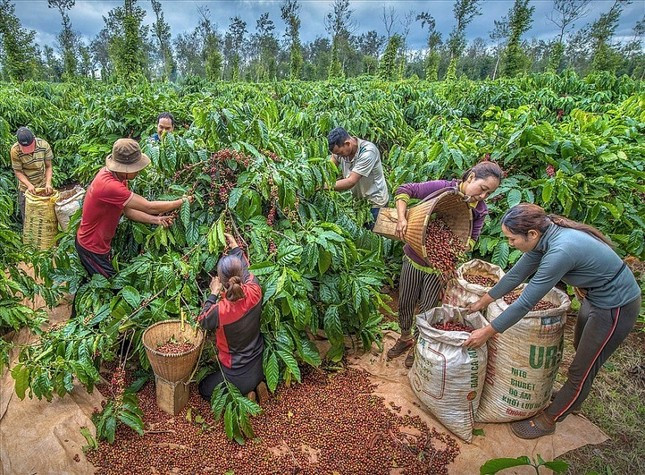
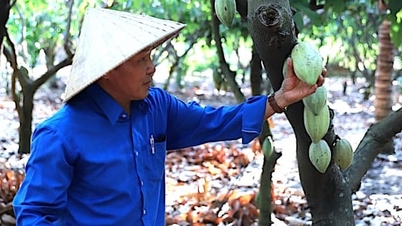
According to Mr. Hai, for many years, the area of coffee cultivation in Vietnam has remained stable at 650,000 - 700,000 hectares. Of this, Vietnam has approximately 1.3 million coffee-growing households, with the majority having only 0.5 hectares or less.
This land is actually cultivated legally, not on land that has been cleared of forests or suffered forest degradation. However, proving its origin according to regulations is not easy.
"In the event of stricter regulations, the Proof of origin of land used for coffee cultivation "This will have a significant impact. However, it is also an opportunity for the Vietnamese coffee industry to affirm its reputation and build its brand," Mr. Hai said, suggesting that the Ministry of Agriculture and Rural Development (MARD) and related units should intensify the dissemination of regulations and warnings to the public and businesses so that they can prepare, as time is running out as these regulations will be applied by the EU at the end of 2024.
Mr. Nguyen Minh Hoa, Vice President of the Vietnam Cashew Association, believes that the Vietnamese cashew industry is unlikely to be significantly affected by this regulation because the cashew growing area has remained stable for many years, with no new area created by deforestation.
However, the problem is... Vietnam imports raw cashew nuts from Cambodia. And there are quite a lot of cashew nuts in Africa. Therefore, if these countries also face "anti-deforestation" regulations, Vietnam's cashew exports to Europe will be affected to some extent.
"After Europe, it's possible that the US, Japan, South Korea... and even China will apply this regulation in a stricter way. Therefore, Vietnam is obligated to comply with the regulations of other countries; we must act soon and cannot stand aside," Mr. Hoa said.
The Vietnam Wood and Forest Products Association announced that it has informed businesses about the new EU regulations. Accordingly, the association assesses that interior and exterior furniture, industrial wood panels, and other products are subject to these regulations.
However, Vietnam no longer has any illegal conversion of natural forest land. Cases of illegal conversion do not result in the export of timber products to the EU. The new regulations will not pose significant difficulties for timber businesses.
However, the Wood and Forest Products Association also noted that this new regulation will create more work for businesses in the wood industry. Businesses will have to strengthen their accountability and trace the wood materials they use.
Minister of Agriculture and Rural Development Le Minh Hoan believes that EU regulations on combating deforestation and forest degradation in agricultural production, including coffee, present both challenges and opportunities for Vietnam to restructure its agricultural sectors for sustainable development. The requirement for traceability and transparency of agricultural product origins is an essential demand from the market.
Mr. Hoan requested the Department of International Cooperation - Ministry of Agriculture and Rural Development to promptly submit an action framework for implementing the regulations. The action framework should include intensified communication efforts to ensure that relevant agencies and farmers understand the EU regulations on combating deforestation and forest degradation in agricultural production. In particular, the content must clearly define the responsibilities of the Ministry of Agriculture and Rural Development, local governments, and the people.
Source













































































Comment (0)