

| Discussing solutions to protect the brand of Da Lat agricultural products (Longform) | 'Greening' products, affirming agricultural product brands in the market. |
Brand building is essential.
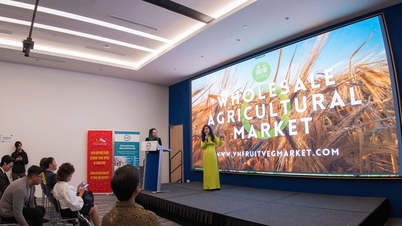
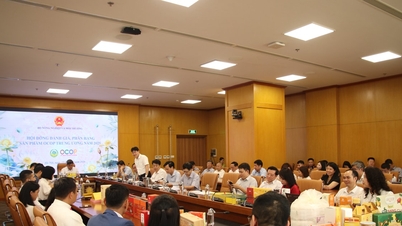
The story mentioned above, shared by Ms. Vo Thi Tam Dan - Director of Golden Dragon Tea Joint Stock Company - at a seminar on "Building a national brand for Vietnamese agricultural products," demonstrates the necessity of building and developing brands for agricultural products.
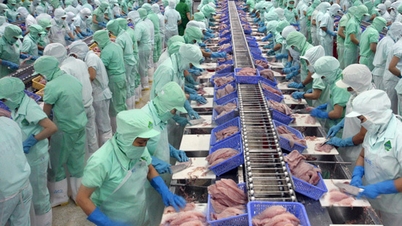
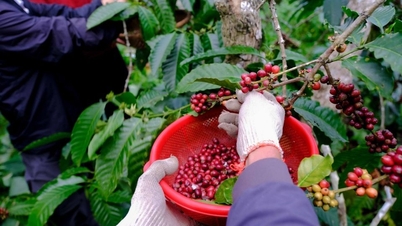
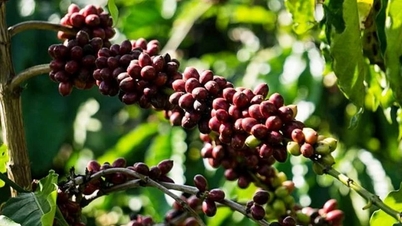
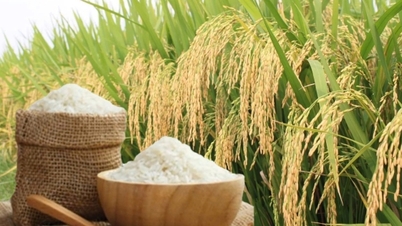
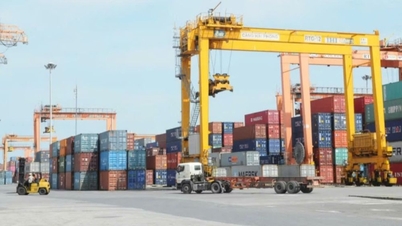
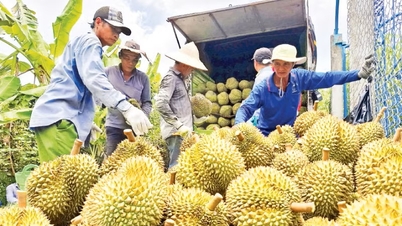
Vietnam is a leading exporter of agricultural products worldwide , including rice, coffee, pepper, cashew nuts, fruits, vegetables, and seafood. Almost every locality has famous specialties associated with its region. However, very few agricultural products are currently registered for trademark protection. Many Vietnamese agricultural exports lack their own logos and labels, and have not fully integrated into global value chains. This is what keeps the value of these products low.
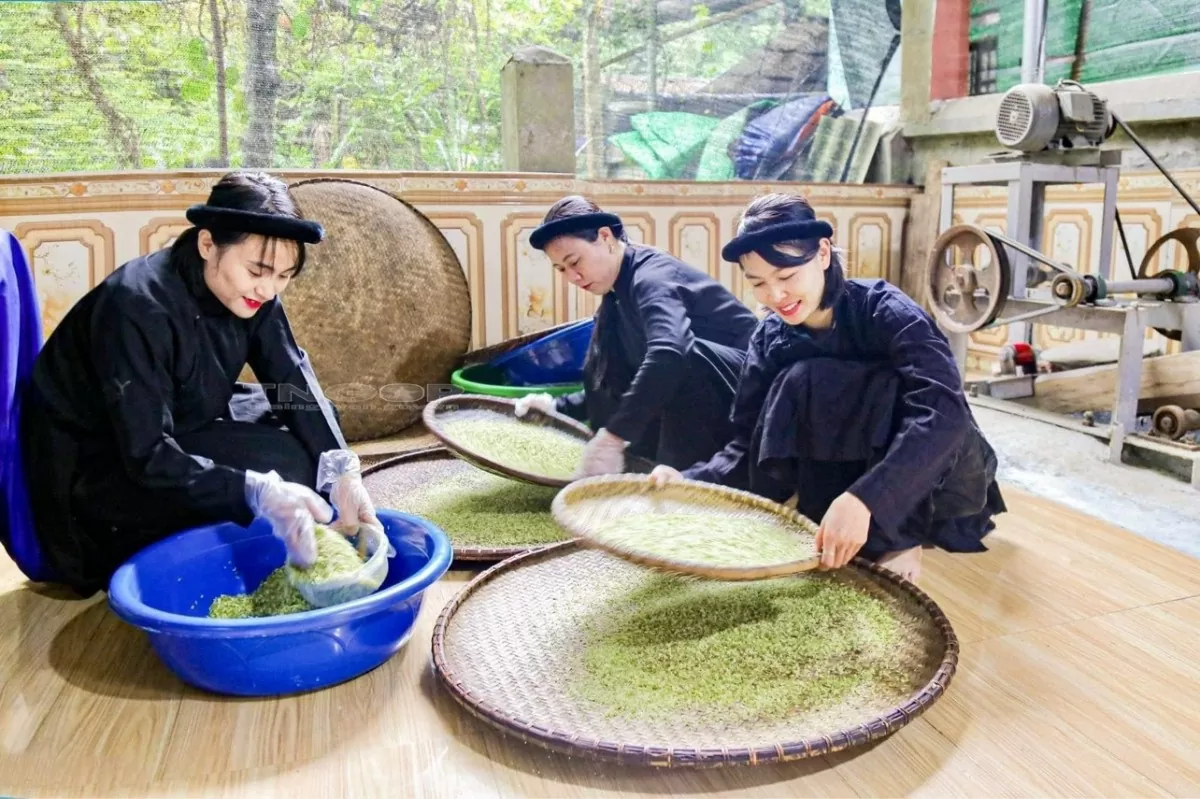 |
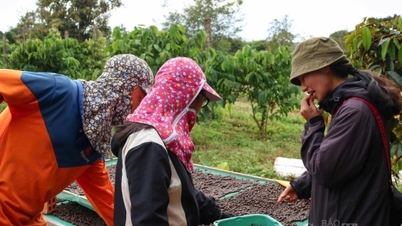
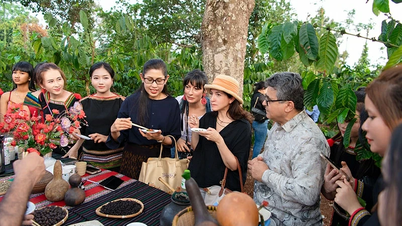
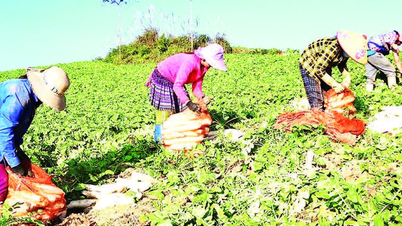
| It is essential to build brands for Vietnamese agricultural products. Photo: Thanh Thúy |
Discussing this issue, Mr. Pham Ngoc Anh Tung, founder of Foodmap, recalled that six years ago, Vietnamese oolong tea only sold for $9/kg, while Taiwan exported the same type to the US for up to $100/kg. Mr. Tung emphasized that most Vietnamese agricultural products are primarily exported in raw form. If we know how to increase product value, build brands, and improve quality, we can absolutely double or even triple export value.
Numerous studies have shown that branding for agricultural products is essential due to its crucial role in agricultural and rural development, contributing to the preservation of traditional cultural values, biodiversity conservation, and promoting the development of production and trade activities, as well as increasing the added value of Vietnamese agricultural products.
Clearly, building and developing brands for agricultural products would bring high value, but why is it that up to 80% of Vietnam's exported agricultural products have not yet built their own brands, logos, or labels...?
An economic expert analyzed that this shows Vietnam has only participated in the least value-creating stage of the global agricultural value chain. The reasons stem from all three parties (the State, businesses, and farmers). For example, the promotion of Vietnamese agricultural brands is not strong enough. Meanwhile, businesses lack sufficient land area, so they mainly rely on middlemen for exports. Farmers are also reluctant to "break up" their fields to participate in large-scale production. If these difficulties are resolved, building agricultural brands will be easier.
Positive signs
The story of developing beekeeping for honey production in Nam Nhun district (Lai Chau province) in conjunction with building OCOP (One Commune One Product) products is a positive sign. Utilizing over 79,500 hectares of forest land, Nam Nhun district has seen many successful beekeeping models for honey production, benefiting households and cooperatives.
To date, Nam Nhun has received support in the form of 1,249 beehives for 2 cooperatives and 18 households, with a total cost of over 874 million VND. Beekeeping households focus on applying techniques in beekeeping, harvesting, and preserving honey. As a result, they have successfully developed 3 honey products that meet OCOP 3-star standards: Honey from the upper reaches of the Da River; Le Loi macadamia flower honey; and Le Loi forest flower honey. In the future, it is expected that more products will be developed, such as turmeric-infused honey from the upper reaches of the Da River and bee pollen from the upper reaches of the Da River.
With economic value reaching 2-2.5 million VND/barrel/year, many households in Nam Nhun have not only escaped poverty but have also identified it as a new direction for economic development that can lead to wealth.
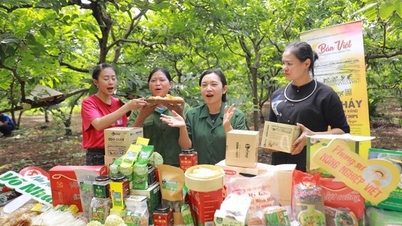
To build a brand for honey products, the specialized agency of Nam Nhun district has advised, supported, and guided businesses registering to participate in the OCOP product evaluation and classification process to invest in machinery and equipment to ensure proper harvesting, processing, and preservation of products; design trademarks, packaging, and register trademarks. Local Party committees and authorities also pay attention to supporting businesses, cooperatives, and households in developing production and business plans, accessing capital, and markets.
In Thanh Hoa province, which has a large agricultural output, the provincial government has identified brand building and development as a "foundation" for the sustainable development of agricultural products, building consumer trust, expanding markets, and increasing people's income.
Accordingly, the agricultural sector and localities in Thanh Hoa have focused on planning planting areas and building specialized farming areas according to VietGAP, GlobalGAP, and Organic standards. At the same time, they have actively attracted investment in the deep processing of fruit products to enhance product value.
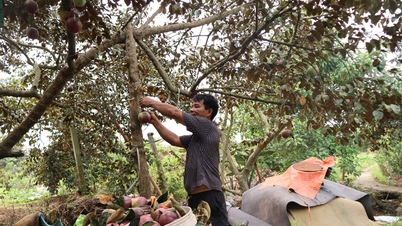
Currently, several products have been granted collective trademarks, such as oranges and guavas from Nhu Xuan; oranges from Van Du (Thach Thanh); watermelons from Mai An Tiem (Nga Son); pomelos from Luan Van (Tho Xuan) and geographical indications... and OCOP products in Tho Xuan, Nhu Xuan, Thach Thanh, and Yen Dinh districts...
According to statistics, Thanh Hoa province has 62 trademark protection certificates for agricultural and handicraft products, and 42 other agricultural, forestry, and aquatic products with certified trademarks.
The local people themselves realize that the aforementioned figures are still quite modest compared to the nearly 200 agricultural products in the province. The reason for this "limitation" in agricultural product branding is that both the people and the agricultural management agencies lack awareness of building brands for their products.
The story of Thanh Hoa province is just one example. This situation exists in many localities across the country. To maximize the value of agricultural products, experts suggest that localities should continue to encourage organizations and individuals to innovate and improve production processes and product quality, increase the application of digital technology in product management and trade; and focus on investing in building agricultural product brands associated with the strengths of each region, thereby expanding the consumer market and aiming for export.
In particular, it's important to recognize that each agricultural product is a "cultural ambassador" of a locality. Each product reflects the traditions, customs, and lifestyles of the people there. Tourists, while visiting and shopping for products, always need to be fully informed about the unique aspects of the product, from the source of raw materials, processing, production, and even its uses...
Therefore, building brands for agricultural products cannot be delayed, as it directly creates economic value and contributes to preserving traditional cultural values in the context of deep integration as it is today.
| Despite being among the top 15 agricultural exporting countries in the world, Vietnamese agricultural products are still mainly exported in raw form, with low economic value, and often have to bear foreign brand names. |
Source: https://congthuong.vn/xay-dung-va-phat-trien-thuong-hieu-nong-san-gia-tang-gia-tri-san-pham-353268.html






































































Comment (0)