

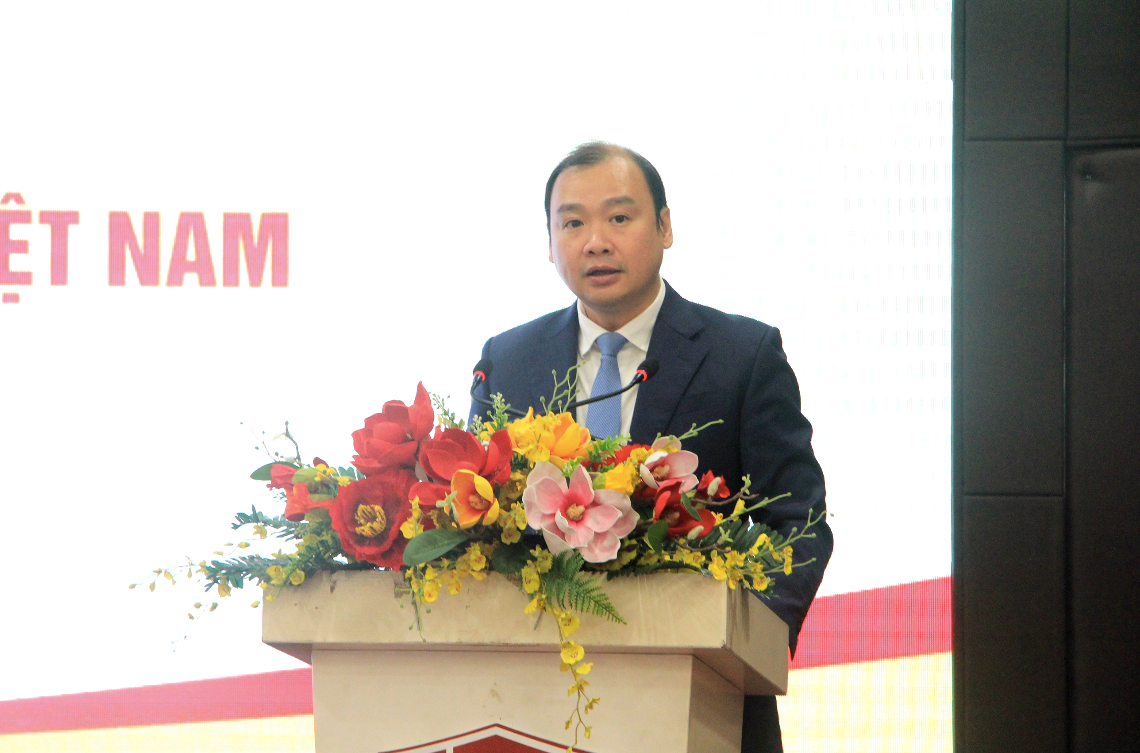
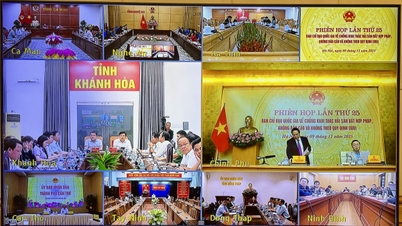
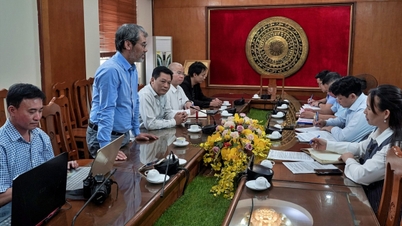
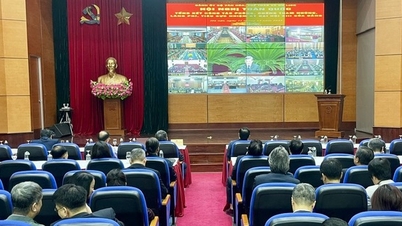
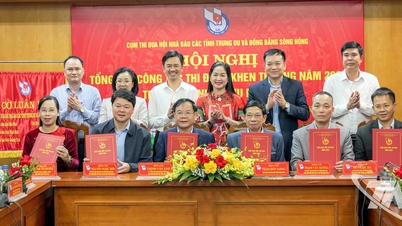
Attending the scientific conference were Assoc. Prof. Dr. Le Hai Binh – Alternate Member of the Central Committee of the Communist Party of Vietnam, Deputy Head of the Central Propaganda Department; Assoc. Prof. Dr. Nguyen Truc Le, Chairman of the University Council of the University of Economics , Vietnam National University, Hanoi; Assoc. Prof. Dr. Pham Bao Son, Deputy Director of Vietnam National University, Hanoi; Mr. Nguyen Que Lam, Deputy Head of the Central Steering Committee for External Information Work, Director of the Department of External Information and International Cooperation, Central Propaganda Department; along with representatives from the leadership of ministries, departments, agencies, and localities related to maritime and island affairs, as well as representatives from several educational institutions, research institutes, and experts and scientists in the field of maritime and island affairs.
In his opening remarks at the workshop, Associate Professor Dr. Le Hai Binh – Alternate Member of the Central Committee of the Communist Party of Vietnam, Deputy Head of the Central Propaganda Department – emphasized that, according to Resolution No. 36-NQ/TW, dated October 22, 2018, of the 8th Plenum of the 12th Central Committee "On the Strategy for Sustainable Development of Vietnam's Marine Economy to 2030, Vision 2045," the viewpoints, objectives, major policies, and key solutions in marine economic development have been clearly defined, so that by 2045, Vietnam will become a strong, sustainably developed, prosperous, secure, and safe maritime nation.
After 5 years of implementing Resolution 36, the marine economy has made significant progress, creating development momentum for each locality and for the whole country. At the same time, it outlines the content and methods of promoting awareness about the sea and islands nationwide in 2024 and the following years.
Therefore, in order to build and develop the maritime economy to contribute to the national economy and address international issues, it is necessary to unify thinking and understanding regarding the position, role, and special importance of the sea to the cause of national construction and defense; encourage scientists to promote scientific research on the sea and islands; and at the same time, contribute to refuting the activities and arguments of hostile forces that exploit issues related to the sea and islands to harm our country.
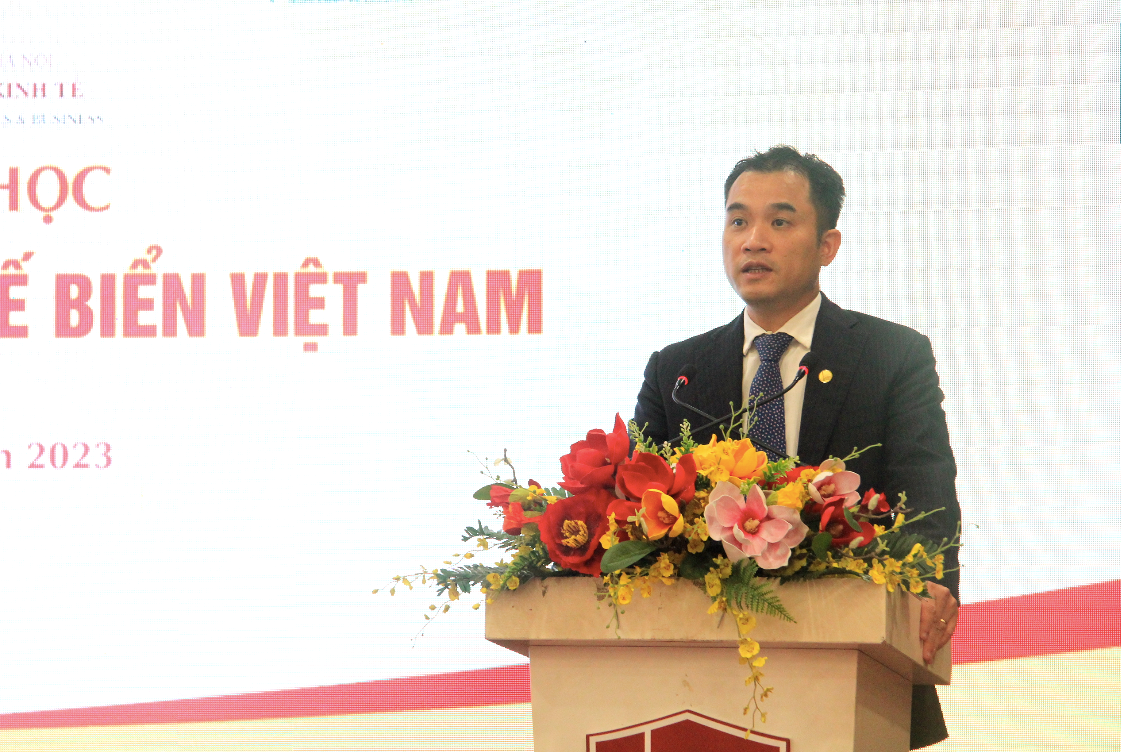
Associate Professor Pham Bao Son – Vice Director of Vietnam National University, Hanoi, stated that Vietnam is a maritime nation, and its islands and seas hold a crucial strategic position in terms of national defense, economy, and international cooperation. Therefore, the development of Vietnam's maritime economy must be harmonious and consistent with the goal of ensuring national security and defense. Based on this, the contributions of scientists in researching and developing the maritime economy are increasingly valued. Vietnam National University, Hanoi, with its outstanding advantages in interdisciplinary research, will be a source of numerous studies on islands and seas related to their development history, natural advantages, resources, and models of maritime economic development, etc.
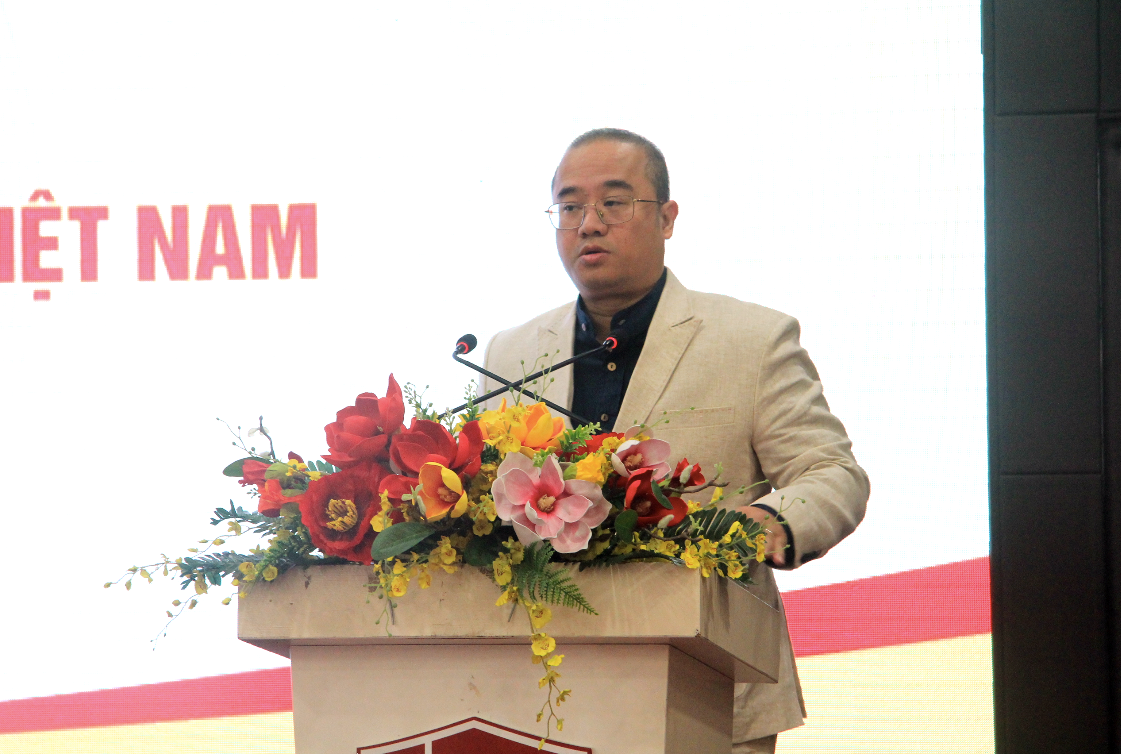
Associate Professor Dr. Nguyen Truc Le - Chairman of the University Council of the School of Economics, Vietnam National University, Hanoi, affirmed that the task of making Vietnam a strong maritime nation and prosperous from the sea requires recognizing the importance of sustainable development of the marine economy. Although significant achievements have been made, some goals and tasks set out in the Party and State's policies on the sea still have limitations and have not fully exploited the advantages and potential of the sea.
The linkages between coastal regions, between coastal regions and inland regions, and between industries and sectors related to the sea are weak and ineffective. Environmental pollution and ecosystem degradation are at risk of increasing in the context of climate change and sea-level rise. Therefore, research to propose effective and sustainable models for marine economic development is an urgent issue.
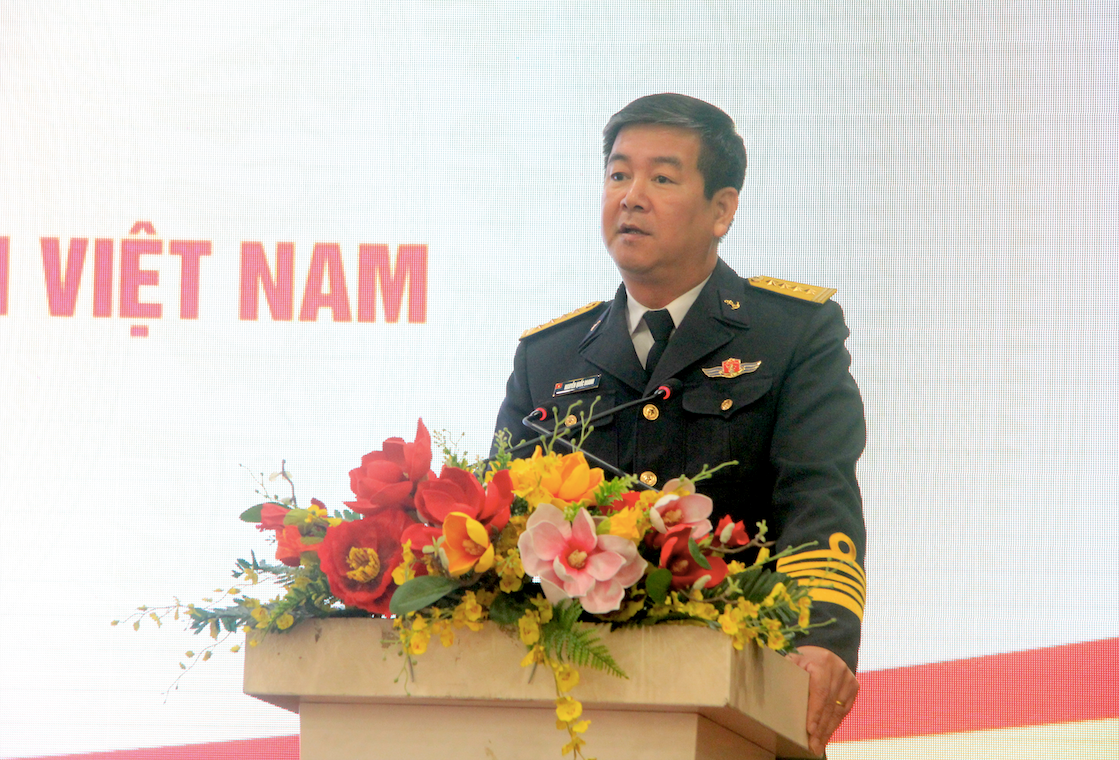
Colonel Nguyen Quoc Doanh – Deputy Chief of Staff of the Navy – Naval Command, presented a paper on the role of the sea and islands in the cause of national construction and defense in the context of the new situation and in connection with national security, defense, and social welfare. He emphasized that, in order to develop the marine economy according to strategies, plans, and programs, it is necessary to closely combine economic, cultural, and social development with consolidating and strengthening national defense and security in the sea and island areas of the Fatherland, especially the northern sea and Gulf of Tonkin, the Truong Sa sea, DK1, and the southwestern sea.
At the same time, we must continue to expand and strengthen international cooperation and defense cooperation. We must build a peaceful and stable environment in the region and in the South China Sea to protect our sovereignty and independence, and to promote national development.
Dr. Du Van Toan, from the Institute of Marine and Island Research, Vietnam Department of Marine and Island Affairs, stated the orientation for using marine space for marine economic sectors and offshore wind power. He highlighted the potential area for near-shore wind power development at 14,330 km2, representing 11% of the total potential area, mainly concentrated in the provinces of Quang Ninh, Hai Phong City, Ha Tinh, Thai Binh, etc., while offshore wind power accounts for the remaining 89% (nearly 116,000 km2).
Therefore, to develop offshore wind power effectively in Vietnam, it is necessary to license wind and sea measurement surveys; develop a national marine spatial plan (2024-2025); create a comprehensive plan for the exploitation of coastal resources; and develop national strategies on climate change and green growth strategies. In addition, a long-term roadmap for the development of renewable energy, offshore wind power, and electricity and energy planning linked to other economies is needed.
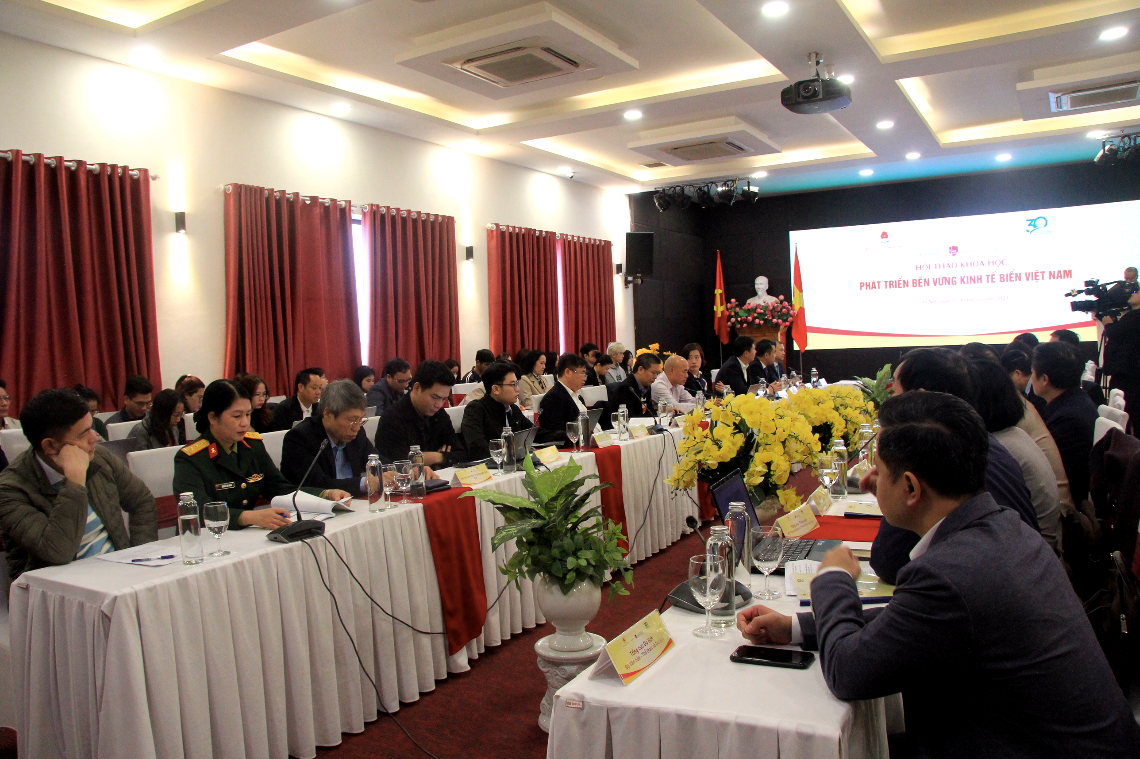
The workshop attracted the participation and contributions of many scientists, policymakers, organizations, businesses, and included presentations from representatives of ministries, departments, localities; educational institutions, research institutes; and experts in the field of sea and islands. The presentations revolved around various topics such as: the Party's guidelines and the State's policies and laws on sustainable marine economic development; the current state of development of Vietnam's marine economic sectors; and foreign affairs, communication, and information dissemination related to the current sea and island issues.
Source



![[Photo] Closing Ceremony of the 10th Session of the 15th National Assembly](/_next/image?url=https%3A%2F%2Fvphoto.vietnam.vn%2Fthumb%2F1200x675%2Fvietnam%2Fresource%2FIMAGE%2F2025%2F12%2F11%2F1765448959967_image-1437-jpg.webp&w=3840&q=75)

![[Photo] Cat Ba - Green island paradise](https://vphoto.vietnam.vn/thumb/402x226/vietnam/resource/IMAGE/2025/12/04/1764821844074_ndo_br_1-dcbthienduongxanh638-jpg.webp)


























![[OFFICIAL] MISA GROUP ANNOUNCES ITS PIONEERING BRAND POSITIONING IN BUILDING AGENTIC AI FOR BUSINESSES, HOUSEHOLDS, AND THE GOVERNMENT](https://vphoto.vietnam.vn/thumb/402x226/vietnam/resource/IMAGE/2025/12/11/1765444754256_agentic-ai_postfb-scaled.png)

































Comment (0)