

- What are blood tests used for?
- When do I need a blood test?
- What factors affect test results?
What are blood tests used for?
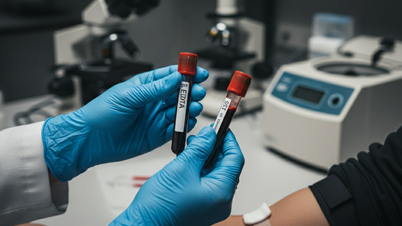
Blood tests are an important method that helps doctors gather comprehensive data about health status, detect diseases, assess the function of organs in the body, and monitor the effectiveness of treatment.
Overall health assessment: Through indicators such as red blood cell count, white blood cell count, platelet count, liver and kidney function, and blood sugar levels, doctors can determine the patient's current health status.
Support for diagnosis and disease monitoring: Results from routine tests help doctors adjust treatment plans if necessary, especially when patients do not respond well.
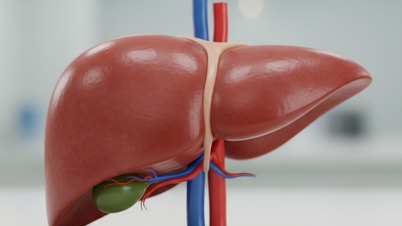
Check liver and kidney function: Specialized tests such as AST, ALT, or creatinine will provide important information about the extent of liver damage and kidney filtration capacity.
Cancer screening: Certain specialized tests, such as tumor marker tests, complete blood counts, or screening for circulating tumor cells, help detect the risk of cancer early.
Blood glucose monitoring: Checking blood glucose levels or HbA1c levels helps in the diagnosis and management of diabetes.
Identifying allergies: Measuring IgE levels in the blood will show whether the body has an allergic reaction to food, pollen, animal dander, or other allergens.

Blood test results play a crucial role in diagnosing and monitoring health.
When do I need a blood test?
Blood tests are an important medical examination, often ordered to aid in disease diagnosis, treatment planning, and preventative advice. These tests are commonly used in the following situations:
- General health check-up: Doctors often recommend blood tests to analyze blood components such as a complete blood count (CBC), basic metabolic panel (BMP), or comprehensive metabolic panel, in order to assess overall health.
- Disease screening: Blood tests are performed before symptoms appear, especially when patients have high risk factors for serious diseases such as cancer.
- When the body exhibits unusual symptoms: If the patient shows signs of fatigue, loss of appetite, or other clinical manifestations, the doctor may order tests to find the cause.
- Checking for genetic abnormalities: In some cases, changes in genes can affect the number of blood cells or platelets; testing helps detect these abnormalities and supports the development of treatment plans.
- Monitoring treatment outcomes: Test results also serve as a basis for doctors to assess disease progress, the effectiveness of the treatment plan, and adjust treatment as needed.
What factors affect test results?
Blood test results play a crucial role in diagnosing and monitoring health. However, many factors can affect the accuracy of test results, potentially leading to readings that do not accurately reflect a patient's actual health status. Below are some common factors:
- Dietary considerations before blood drawing: Eating, especially meals high in fat, sugar, or caffeine, before a blood draw can alter indicators such as blood glucose, blood lipids (cholesterol, triglycerides), or liver enzymes. Therefore, many tests require patients to fast for 8-12 hours before blood drawing.
- Time of day for blood collection: Some biological indicators change according to the circadian rhythm, such as cortisol or glucose. Therefore, the time of day for blood sampling, such as early morning or late evening, can also affect the results.
- Stress and physical activity: Mental or physical stress (for example, after strenuous exercise) can increase the levels of certain hormones and muscle enzymes, such as cortisol or creatine kinase (CK), affecting test results.
- Medications currently being used: Many medications, including over-the-counter or herbal remedies, can affect blood tests. For example, diuretics can alter electrolyte levels; cholesterol-lowering medications can affect liver enzymes.
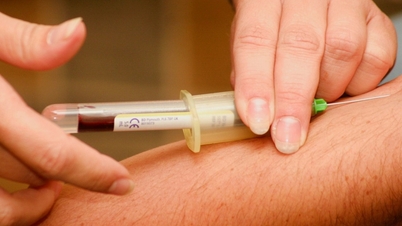
- Position and blood sampling technique: Patient position (lying or sitting) or the duration of tourniquet application can also alter certain test parameters, such as protein concentration or hematocrit.
- Physiological and pathological factors: Age, gender, menstrual cycle, pregnancy, or underlying conditions such as diabetes, hepatitis, kidney disease, etc., can all affect test results.
To ensure accurate and diagnostically valid blood test results, patients should strictly follow the instructions of healthcare professionals before having their blood drawn.
In summary: Understanding how to correctly interpret blood test results not only helps you be more proactive in your health care but also contributes to the early detection of abnormalities, allowing you to promptly consult a doctor for appropriate advice and treatment.
Blood tests are important check-ups, often performed periodically to monitor health or as a prerequisite for certain medical procedures. When preparing to have your blood drawn, please keep the following in mind: The best time to have your blood drawn is usually in the morning; Some tests require you to fast for about 8–12 hours, avoiding milk, soft drinks, alcohol, etc. You should ask your doctor for advice on what you need to prepare; You may experience mild pain or a small bruise during the blood draw, which usually disappears on its own. The area where the blood is drawn may be slightly swollen; If you feel dizzy, lightheaded, or faint, immediately inform the medical staff.
Source: https://suckhoedoisong.vn/khi-nao-can-lam-xet-nghiem-mau-yeu-to-anh-huong-den-ket-qua-xetnghiem-16925120916431647.htm






















![[Photo] Prime Minister Pham Minh Chinh holds a phone call with the CEO of Russia's Rosatom Corporation.](/_next/image?url=https%3A%2F%2Fvphoto.vietnam.vn%2Fthumb%2F1200x675%2Fvietnam%2Fresource%2FIMAGE%2F2025%2F12%2F11%2F1765464552365_dsc-5295-jpg.webp&w=3840&q=75)

















































Comment (0)