

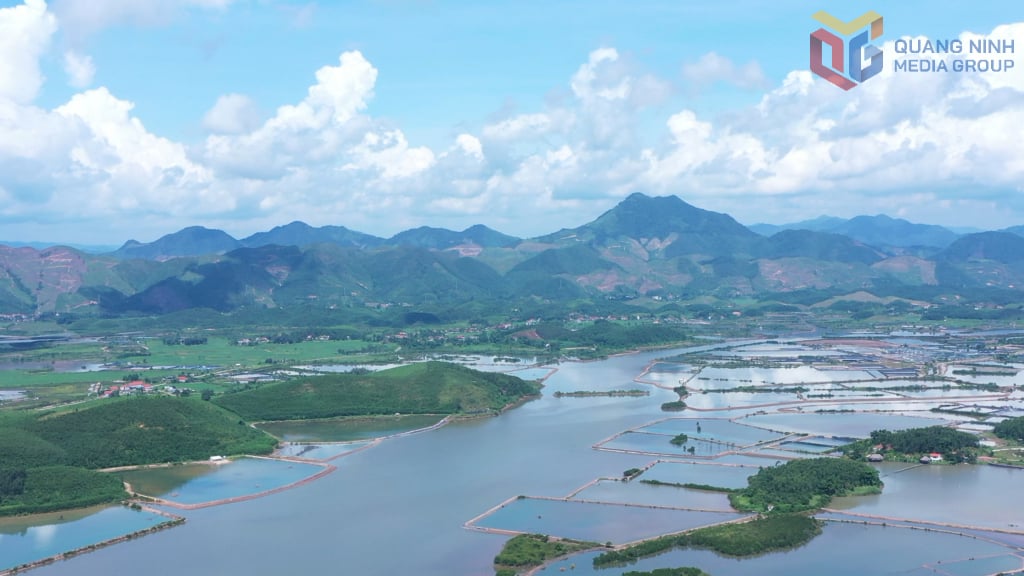
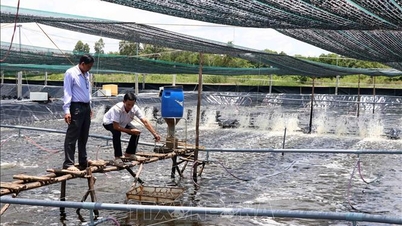
With a commercial shrimp farming pond covering an area of 1,000m2, the Cam Pha High-Tech Shrimp Farming Cooperative harvested nearly 10 tons of shrimp in almost 3 months. Notably, the application of a 3-stage farming process, carried out in a closed system within a 2-hectare greenhouse, helped the cooperative increase productivity by 30-50% compared to other traditional farming methods thanks to strict management of environmental factors and optimization of the farming process.
Ms. Duong Thi Lieu, a technical officer at the Cam Pha High-Tech Shrimp Farming Cooperative, said: "We apply a three-stage shrimp farming technique and staggered farming, so we harvest every month. On average, the cooperative harvests about 30 tons of shrimp per month. Currently, we are raising shrimp indoors, so the temperature is maintained, the shrimp are not affected by adverse weather conditions, and environmental factors are controlled. Shrimp farming depends heavily on environmental factors, so a good environment leads to efficient shrimp farming."
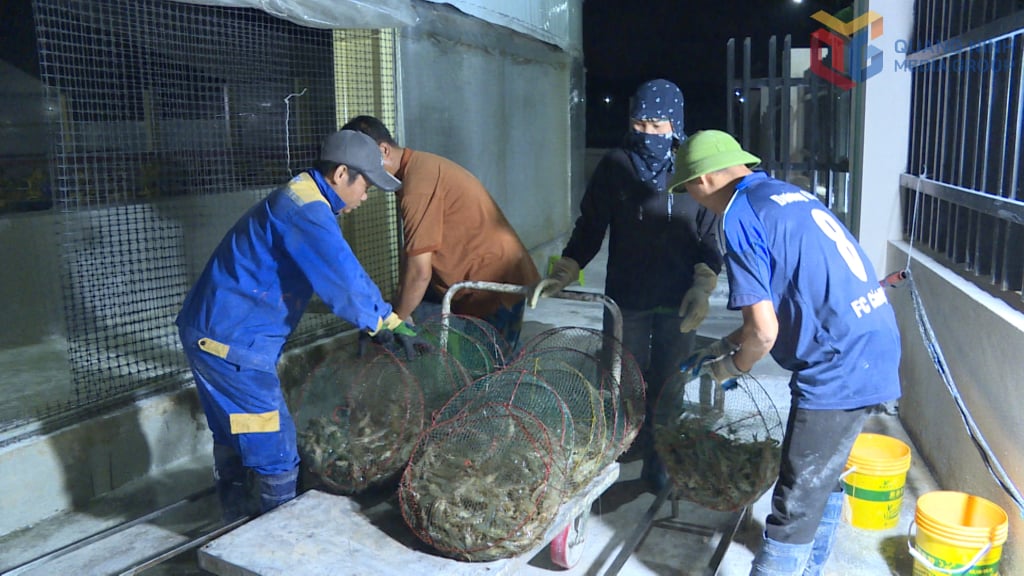
This year, Quang Ninh province maintained a stable shrimp farming area of over 7,500 hectares with 2,250 establishments, mainly concentrated in the eastern areas and the Ha An and Uong Bi areas in the western region. The most outstanding result is the effective implementation of disease control. According to monitoring results up to November 27, 2025, the total area of shrimp farms infected with disease was only 35.57 hectares, a sharp decrease of 50.23 hectares compared to 2024, equivalent to only 41.47% of the same period. To achieve this result, the Provincial Department of Livestock and Veterinary Medicine implemented proactive disease surveillance, collecting 1,110 aquatic animal samples (including 900 shrimp samples and 100 water mud samples). Based on the results of environmental monitoring and disease surveillance, specialized agencies have promptly issued warnings and guidance on handling issues, helping producers proactively implement prevention and control measures to minimize losses.
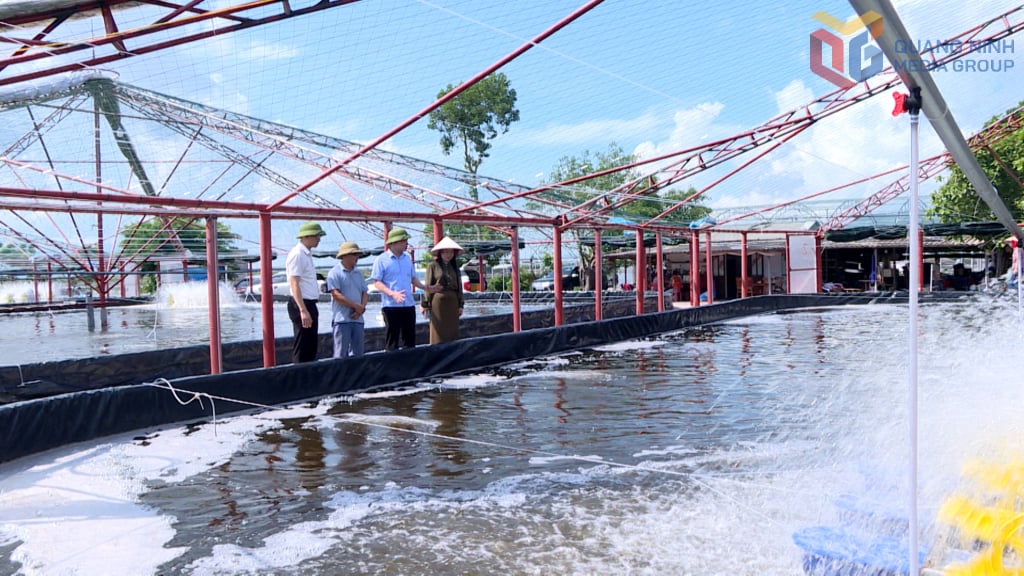
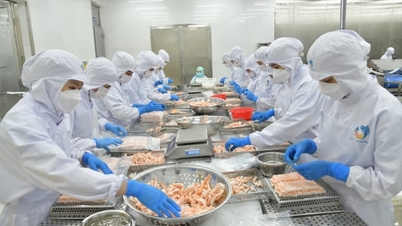
Along with effective state management, the efforts of businesses and households in applying science and technology are key to success. Improving farming conditions, increasing productivity, and minimizing risks through technology application have helped the entire province achieve a shrimp production of 27,000 tons after 11 months, officially completing 100% of the 2025 plan.
The shrimp seed segment, identified as a key priority in the closed-loop shrimp industry value chain, has made a breakthrough. Viet Uc Quang Ninh Co., Ltd. has pioneered investment in research and application of new technologies to create shrimp seeds that are better adapted to the natural conditions in Quang Ninh and neighboring provinces.
Mr. Do Van Cuong, Director of Viet Uc Quang Ninh Co., Ltd., emphasized: "The shrimp seed segment is a priority segment, contributing to increasing the success rate and profitability for farmers." Viet Uc's success stems from its exclusive cooperation with CSIRO (Australia's National Scientific and Technological Research Institute) since 2010. After many years of genetic engineering and breeding, the Group was granted permission by the Ministry of Agriculture and Environment to commercialize whiteleg shrimp broodstock, marking a new breakthrough for the entire Vietnamese shrimp industry.
Viet Uc's technological key lies in the application of electronic communication technology, allowing for the implantation of chips into each shrimp. This enables the shrimp to be isolated, tracked, and screened individually, preventing inbreeding and ensuring clear traceability. Taking it a step further, Viet Uc is also a pioneer in applying modern research in the field of biotechnology, such as gene technology, molecular genetics, and quantitative genetics. As a result, by 2025, the company aims to produce over 850 million high-quality, healthy shrimp larvae that are negative for dangerous diseases such as EHP, AHPND, and white spot disease.
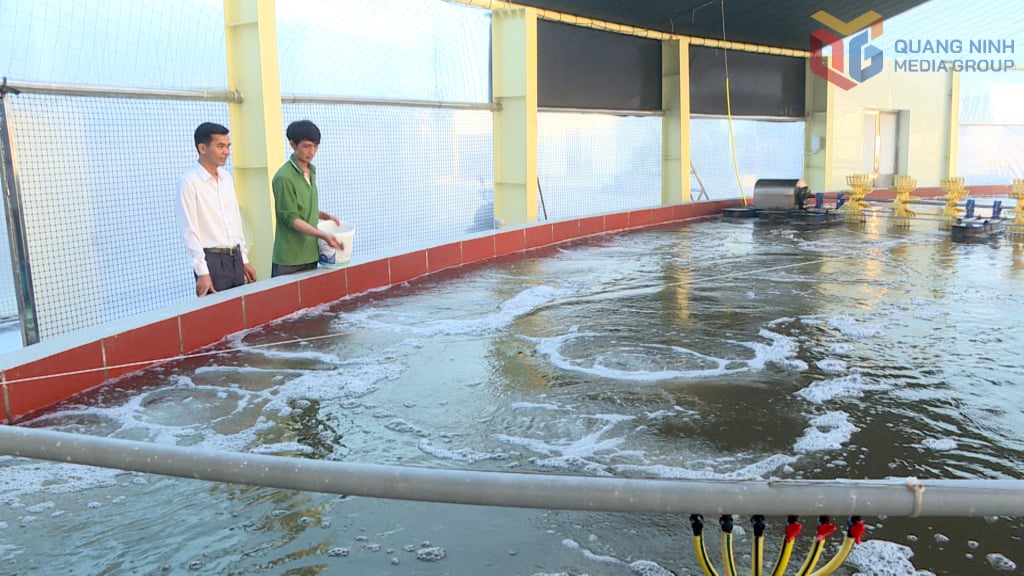
The superior value and yield of shrimp have made a significant contribution to the province's aquaculture sector. Mr. Do Dinh Minh, Head of the Department of Marine, Islands, Fisheries and Fisheries Inspection of Quang Ninh province, noted that while the shrimp production reached 27,000 tons in just 11 months, accounting for only about 25-27% of the total industry output, its contribution is substantial. Currently, shrimp prices on the market range from 230,000 to 280,000 VND/kg, depending on size, which is a key factor boosting the overall value of the fisheries sector.
With this strong growth momentum, it is expected that by the end of 2025, the total aquatic product output of the province will reach 180,000 tons (of which farmed shrimp alone is expected to reach 30,000 tons), further affirming its strength by contributing 50% of the total value of the entire agricultural sector. Currently, the Sub-Department is focusing on guiding farmers to strengthen the winter farming season to meet the demand for the Lunar New Year and effectively transition to the first quarter of 2026.
Source: https://baoquangninh.vn/kiem-soat-dich-benh-hieu-qua-gia-tri-con-tom-tang-cao-3387929.html
































































































Comment (0)