

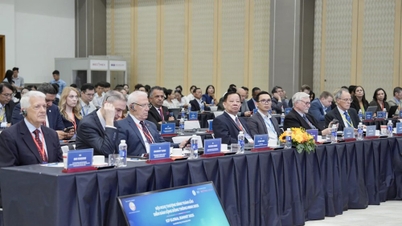
This information was presented at the workshop "Applying and Maximizing the Effectiveness of the Science and Technology Innovation Portal" organized by the NAFOSTED Foundation, held on December 11, 2025, in Ho Chi Minh City, aiming to promote the deployment and expansion of the Innovation Portal ecosystem nationwide.
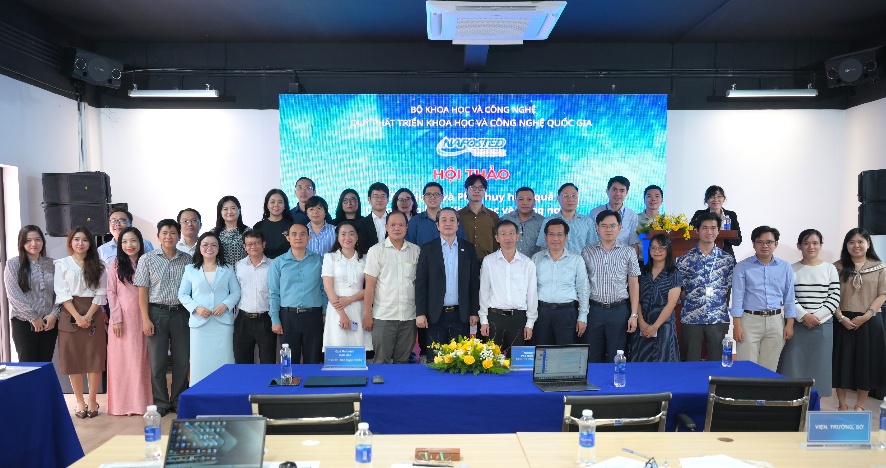
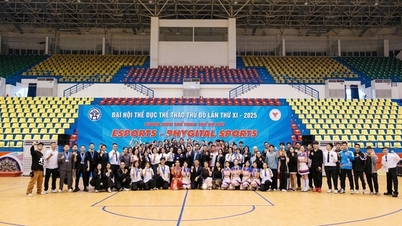
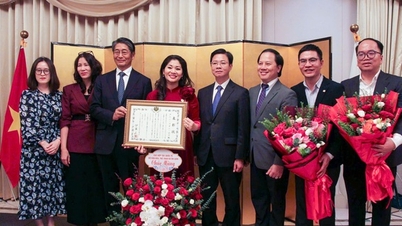
Delegates pose for a commemorative photo at the workshop.
The mindset of "openness - connectivity - globalization of intellectual resources"
In his opening remarks at the workshop, Assoc. Prof. Dr. Dao Ngoc Chien, Director of NAFOSTED, emphasized that Resolution 57 and the Law on Science, Technology & Innovation have opened a new phase, in which innovation has become the central driving force of national development. One of the key requirements is the formation of a national digital platform capable of mobilizing social intelligence, connecting resources, and disseminating knowledge widely. "The National Science and Technology Innovation Portal is one of the important core elements in realizing that spirit," Mr. Dao Ngoc Chien affirmed.
According to Mr. Dao Ngoc Chien, the Innovation Portal embodies three core values: an open environment where every citizen can share their innovations and creativity and have them recognized; a tool to standardize and make transparent the entire process of receiving, evaluating, recognizing, and exploiting innovations; and a platform for receiving innovations, connecting them with experts, businesses, and practical needs, ensuring that innovations do not remain on paper but become tangible value.
Alongside the development of the Innovation Portal, NAFOSTED is deploying a global network of Vietnamese AI experts, a strategically important component.
Currently, Vietnam has over 500 AI experts working at leading research centers worldwide . When effectively connected, this will create a "super knowledge team," supporting innovation, training, research, and technology transfer. This step reflects the interconnected, open, and globalized mindset of intellectual resource allocation outlined in Resolution 57, with the perspective that "Vietnamese people anywhere can contribute to national innovation."
Mr. Dao Ngoc Chien emphasized that universities can use the Portal as a tool to support lecturers and students in proposing ideas, conducting research, and innovating; localities can use the Portal to find solutions for socio- economic development and digital transformation; and businesses can access a rich repository of innovations, strong research groups, and a network of AI experts.
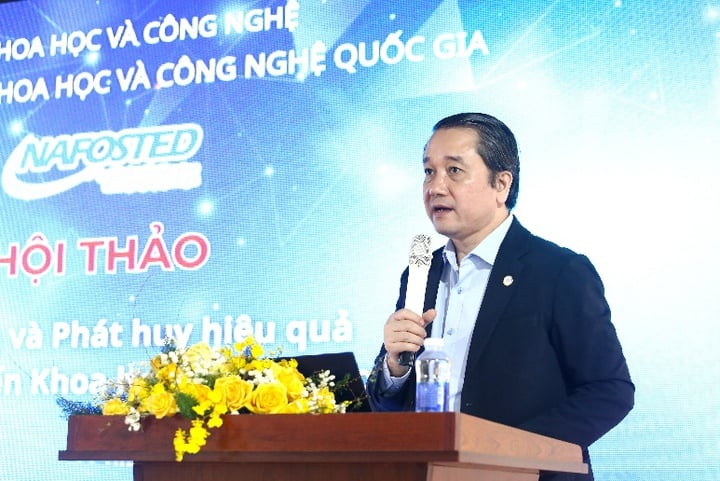
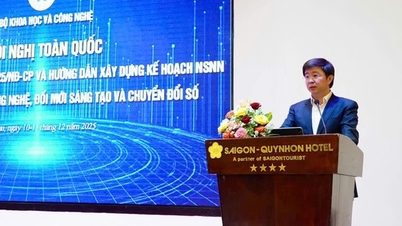
Assoc. Prof. Dr. Dao Ngoc Chien, Director of NAFOSTED, delivered the opening remarks at the workshop.
As the lead agency managing and developing the system, NAFOSTED aims to develop the Innovation Portal into a professional, transparent, and modern national digital platform connecting innovations with funding programs, research support, and commercialization. The Fund will also continue to build a global network of Vietnamese AI experts as a national intellectual asset and form an innovation ecosystem where ideas are discovered early, properly nurtured, and widely disseminated.
Mr. Dao Ngoc Chien hopes that universities, the Department of Science and Technology, businesses, and experts will continue to collaborate, share feedback, and propose effective implementation models so that the Innovation Portal truly becomes a national common knowledge infrastructure, contributing to creating a strong impetus for innovation and sustainable development.
An open system connects intelligence, ensures transparency, and standardizes the innovation management process.
Introducing the National Science and Technology Innovation Portal, Mr. Vu Van Phan, Deputy Head of the Digital Transformation Department (NAFOSTED), said that the portal is designed as an open system, allowing many entities to participate, including leaders of ministries, sectors, and localities; evaluation councils; agencies receiving innovations; organizations, individuals, and the internet community.
The system receives and processes a diverse range of content categories: breakthrough initiatives; strategic product and technology proposals; innovation recognition applications; and applications for support and funding. To date, the portal has received 907 funding and support proposals, of which 309 have been funded. In addition, the portal provides services related to consulting and support on science and technology legal matters, intellectual property, technology research, equipment and solution searching from the technology exchange platform, and international cooperation needs.
The entire process, from submission, acceptance, review, to evaluation of initiatives, is conducted online. AI technology quickly categorizes and synthesizes content, after which the dossiers are transferred to an online evaluation panel, ensuring transparency and shortening processing time. The results are publicly available on the proposer's account and synchronized with the Central Steering Committee's monitoring system.
Along with the initiative platform, Mr. Vu Van Phan also introduced the Global Vietnamese AI Expert Network - a tool to support the connection of experts, organizations, universities, and businesses, allowing them to submit requests for consultation, invite lecturers, and collaborate on research, thereby expanding Vietnam's AI knowledge space in the context of this technology strongly influencing the development of all industries.
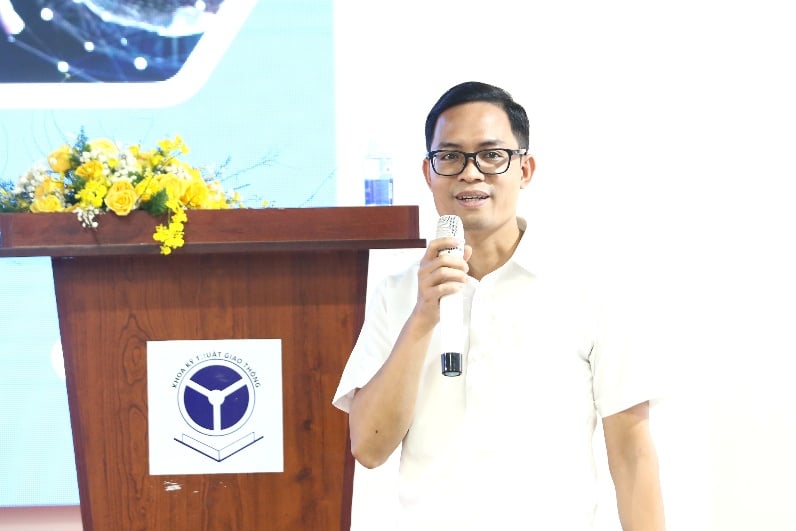
Mr. Vu Van Phan, Deputy Head of the Digital Transformation Department (NAFOSTED), delivered a speech at the workshop.
From the perspective of educational institutions, Associate Professor Dr. Huynh Thi Thu Suong from the University of Finance and Marketing believes that the Innovation Portal helps overcome the problems of fragmented research management, manual processes, and a lack of data interconnection in universities. The system digitizes the process of submitting, reviewing, and monitoring research projects; connects funding sources; supports commercialization; and provides intellectual property services. In particular, the Portal has connected a community of 8,571 experts across 11 strategic fields, supporting the establishment of review boards, inviting reviewers, and building interdisciplinary research groups. The innovation registration process is standardized with 3 stages and 11 steps, ensuring transparency and scientific rigor.
Proposing a model for integrating the Innovation Portal into science and technology governance at universities, Associate Professor Dr. Huynh Thi Thu Suong emphasized the need to establish an internal intellectual property management module, grant data access at multiple levels (public, semi-public, restricted, confidential), protect innovations before, during, and after publication, and provide dedicated accounts for science and technology officers at training institutions.
To effectively utilize the platform, Associate Professor Dr. Huynh Thi Thu Suong proposed that the Ministry of Science and Technology develop a data communication standard (API) for universities; complete the legal framework on security and intellectual property in the digital environment; provide funding for data interoperability; and expand AI capabilities to serve strategic research analysis. For universities, it is necessary to quickly establish a science and technology data center, standardize the process of registering innovations and protecting intellectual property, encourage lecturers to submit innovations early to receive priority, and strengthen training on digital transformation and the use of Portal 57. For lecturers and researchers, proactively registering innovations, protecting intellectual property, finding experts, partners, and sponsors through the Portal, along with enhancing scientific integrity and data security, are key factors.
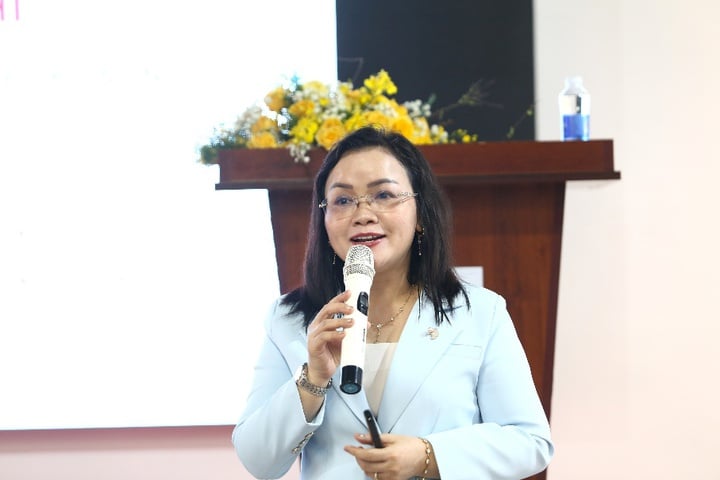
Associate Professor Dr. Huynh Thi Thu Suong, from the University of Finance - Marketing, delivered a speech at the conference.
According to a representative from the Department of Science and Technology of Dong Thap province, receiving 1,000-1,300 provincial-level initiatives annually, Dong Thap faces a large volume of applications and increasing processing pressure. Recognizing digital transformation as a key solution, the province has developed an Initiative Management Software, operational since December 2024, which digitizes the entire process from application submission to results announcement. Citizens can track progress in real time, reducing administrative procedures and increasing transparency. The province has also built a Provincial Digital Data Warehouse, creating a centralized data source to support the sharing and replication of initiatives.
During the period 2015–2025, Dong Thap province recorded 8,301 recognized initiatives at the grassroots level; from 2023 to the present, 310 initiatives have been recognized at the provincial level. Dong Thap proposes to continue effectively implementing resolutions on initiatives and inventions, strengthening commercialization and intellectual property protection, and simultaneously suggests that the Ministry of Science and Technology consider expanding the Initiative Management Software into a standardized national platform to form a national initiative database.
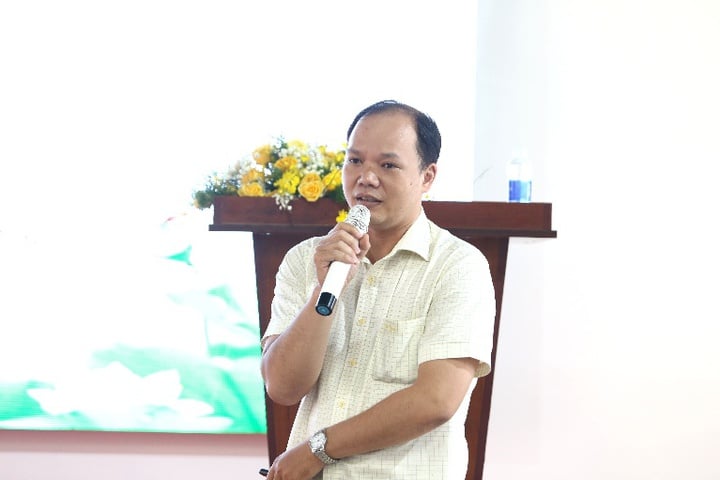
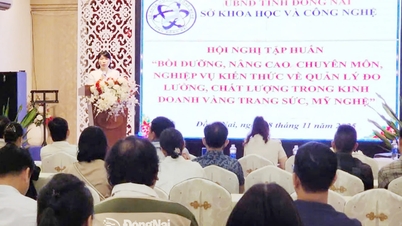
A representative from the Department of Science and Technology of Dong Thap province delivered a speech at the workshop.
From the perspective of AI human resource training, Assoc. Prof. Dr. Pham Tran Vu, Ho Chi Minh City University of Technology (HCMUT), emphasized HCMUT's role as a "hub" for AI and semiconductor technology in the South, as assigned by the Ministry of Education and Training within the Network of Centers for Excellence and Talent in Technology 4.0. The university aims to attract approximately 100 AI and semiconductor experts, especially from the Vietnamese community abroad, leveraging the breakthrough mechanisms from Decree 249 / 2025/ND-CP. HCMUT is implementing a visiting professor model, international cooperation, and developing training programs according to international standards, developing key laboratories, and a "Train the Trainers" model to enhance faculty capacity.
According to Associate Professor Pham Tran Vu, to effectively implement the hub model, it is necessary to strengthen university autonomy, accelerate investment in shared laboratories, establish mentoring mechanisms between universities, and promote the commercialization of research products to create sustainable funding sources. If successful, this model will serve as a model for replication in many other cutting-edge technology fields, contributing to making Vietnam a center of innovation in the region.
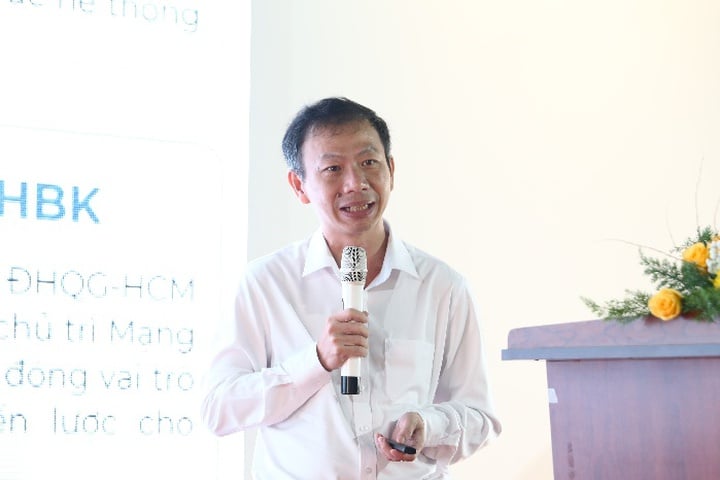
Assoc. Prof. Dr. Pham Tran Vu, Ho Chi Minh City University of Technology, Vietnam National University Ho Chi Minh City (HCMUT), delivered a speech at the conference.
At the workshop, delegates shared the view that the Science and Technology Innovation Portal is not just a management tool, but is becoming the nation's "digital knowledge infrastructure" – a place where ideas are unlocked, knowledge is connected, and resources are amplified. When operated in conjunction with a global network of AI experts, digital transformation at the local level, and key training centers, the Portal will create a broad and sustainable innovation ecosystem, making science and technology a true new growth engine for Vietnam in the digital age.
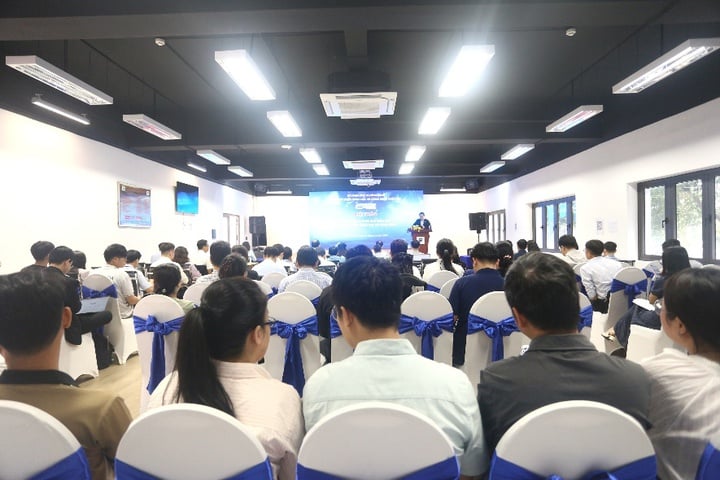
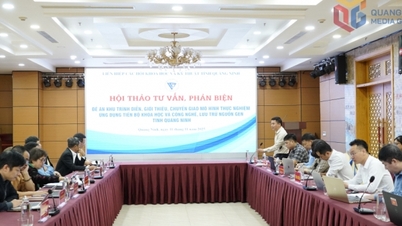
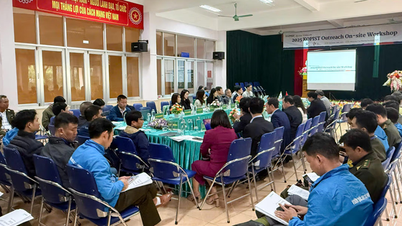
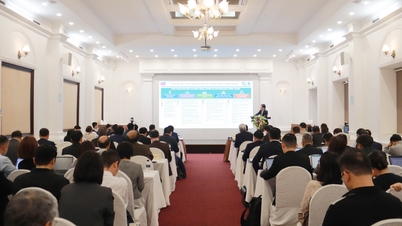
Overview of the Workshop.
Source: https://mst.gov.vn/ung-dung-hieu-qua-cong-sang-kien-khcn-hat-nhan-so-trong-he-sinh-thai-doi-moi-sang-tao-viet-nam-197251211111309849.htm


















































































Comment (0)