


Over the years, thanks to the decisive and proactive efforts of Party committees and authorities at all levels, and the unity and consensus of all strata of people in Lam Dong province, national target programs such as National Target Program 1719, Program 30a (Government Resolution 30a/2008/NQ-CP), and Program 135 have provided fairly comprehensive support in education , health, housing, clean water, and food assistance for poor ethnic minority households.
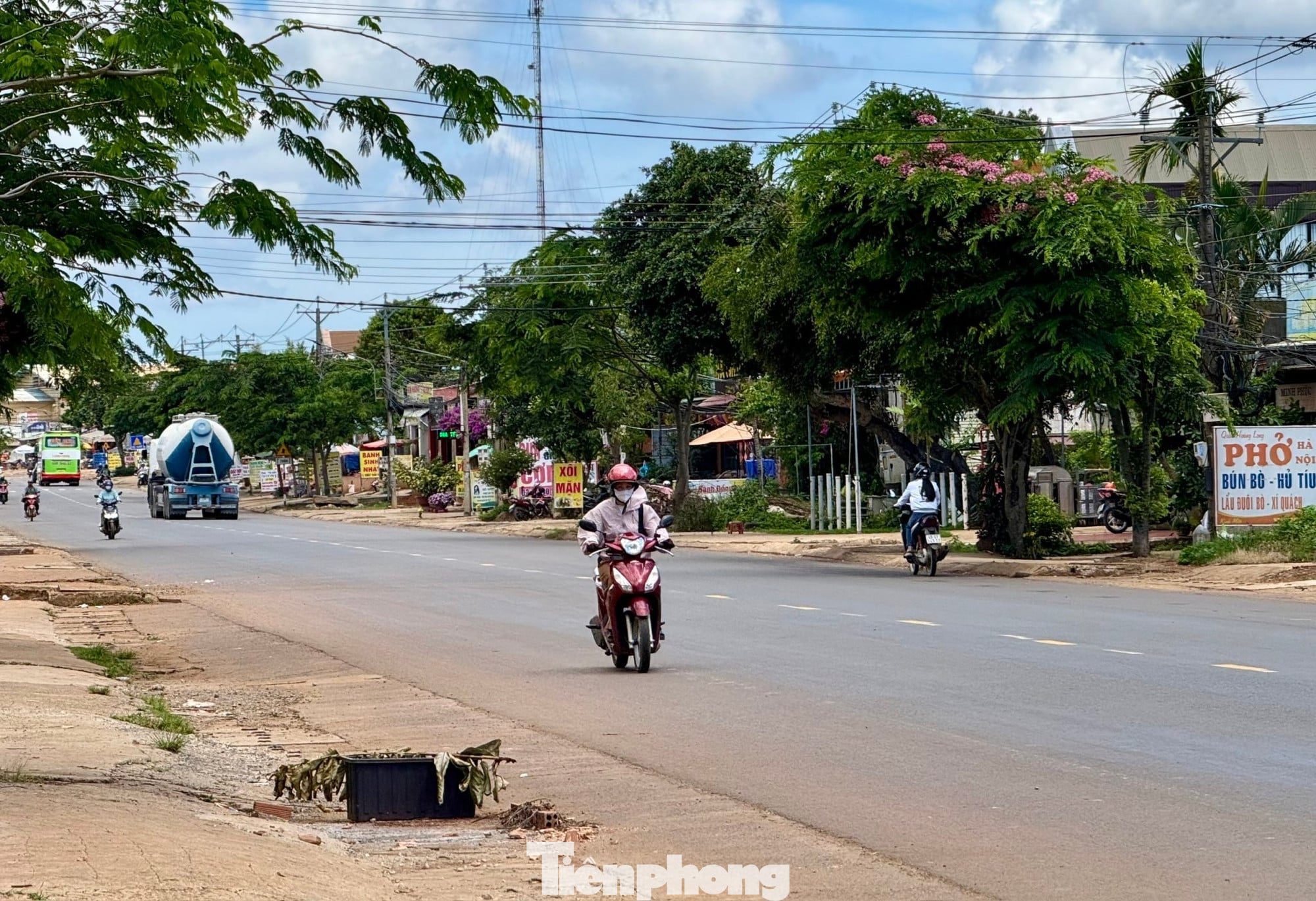
Lam Dong province currently has 80 out of 103 communes that meet the standards for new rural areas.
According to a report by the Lam Dong Provincial People's Committee, from 2021 to the present, Lam Dong has consistently implemented a multidimensional poverty standard, measured not only by income but also by access to healthcare , education, housing, clean water, and information. It is estimated that by the end of 2025, the multidimensional poverty rate across the province will decrease to 3.33% (29,094 households), with the poverty rate among ethnic minority households decreasing to 9.18% (14,473 households).
As a result, the multidimensional poverty rate for the entire province at the beginning of the 2021-2025 period was 9.33% (corresponding to 78,066 households), decreasing to 4.06% by the end of 2024, and is estimated to be 3.33% by the end of 2025. Notably, the multidimensional poverty rate among ethnic minority households has shown significant progress: from 26.96% (corresponding to 40,505 households) in 2021 to 9.18% (corresponding to 14,473 households) by the end of 2024.

Presenting health insurance cards to impoverished households in Lam Dong province.
Specifically, by the end of 2024, 100% of communes in ethnic minority areas will have paved or concrete roads leading to their centers, the rate of households using clean water will reach 97%, and 99.8% of households will have access to the national power grid. In addition, indicators related to health, education, etc., in ethnic minority areas will all meet or exceed the plan.
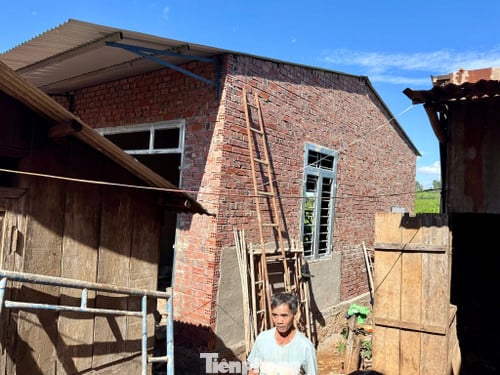
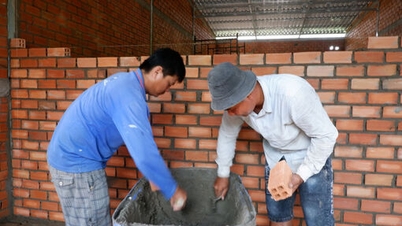
These decent houses were built thanks to support from the program to eliminate temporary and dilapidated housing.
As of the end of September 2025, the entire province had completed 5,691 out of 5,691 houses, achieving 100% of the plan. This included 4,328 new houses and 1,363 houses renovated, with a total cost of over 324 billion VND. Notably, the program to eliminate temporary and dilapidated houses, launched by the Prime Minister, has provided over 3,800 new houses for poor and near-poor households in Lam Dong.
In addition, from national target programs, Lam Dong province built and renovated more than 2,200 houses; from the project to support people with meritorious services and relatives of martyrs, over 400 houses were completed, with a budget of nearly 27 billion VND. Besides that, many other programs contributed to the construction of over 280 houses, nearly 17 billion VND.
Furthermore, the people are not standing idly by in the fight against poverty. From village meetings to livelihood models, ethnic minority communities participate from planning to monitoring implementation, transforming policies into practical actions. This proactive involvement not only helps improve efficiency and transparency but also gradually eliminates the mindset of "waiting and relying on others." In particular, women, especially ethnic minority women, are asserting their leading role in economic development. Many production models are run by women, who serve as leaders of cooperatives, excelling in economic activities while also enhancing their status within the community.
According to the Department of Agriculture and Environment of Lam Dong province, the goal for the 2026-2030 period is to reduce the multidimensional poverty rate by 1-1.5% per year. This requires a strategic, long-term approach with innovative thinking. Specifically, the 2026-2035 period should integrate the two national target programs on sustainable poverty reduction and new rural development into a single program. This is an urgent requirement, appropriate to the practical situation, and avoids duplication of content and target groups. The total estimated budget is nearly 1,312 billion VND.

One notable turning point is the effort to bring clean water to the remote and severely deprived areas of Lam Dong province. For example, in Bao Thuan commune, the targets for addressing the deficiencies in basic social services have been met and supported. Specifically regarding the lack of clean water and sanitation, 100% of poor and near-poor households in the commune now have access to safe drinking water.
At the small house of Ms. K'Hes's family (Bao Thuan commune, Lam Dong province), the water supply infrastructure has marked a turning point. According to Ms. K'Hes, although they had owned a well for a long time, only in the past year, when the government implemented the project to bring piped water to the village, her family switched to using piped water as their main source of daily life.
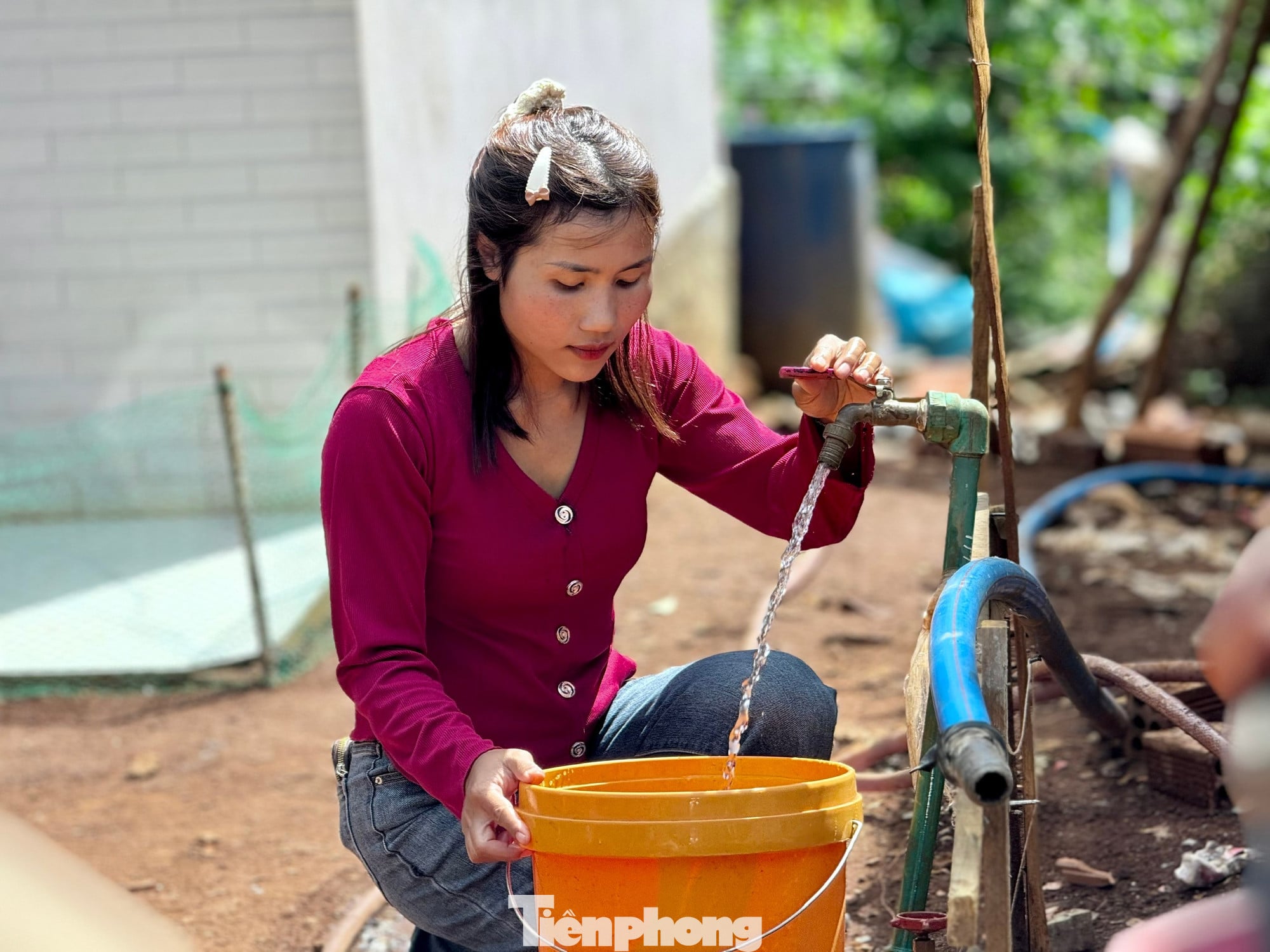
K'Hes's family has been using tap water for over a year.
"My family has had a well since way back, but for over a year now, since the government brought in piped water and rural clean water, my family has mainly switched to using tap water. Using well water used to cost a lot in electricity bills every month. My family is small, so using tap water is more economical and much more convenient," shared Ms. K'Hes.
Ms. K'Hes's family is a near-poor household and received support to obtain land use rights certificates to replace their temporary house, a crucial step in their journey towards stable housing and livelihood. Having stable housing, combined with access to clean water, is helping many families like hers to feel more confident on their path to escaping poverty.
Another major turning point was the implementation of the communication infrastructure investment project according to Decision No. 861/QD-TTg of the Prime Minister on approving the list of communes in Zone III belonging to ethnic minority areas. After receiving the decision, through surveys and assessments, Lam Dong province selected Lieng Sronh commune (now Dam Rong 2 commune) as the pilot location for this project.
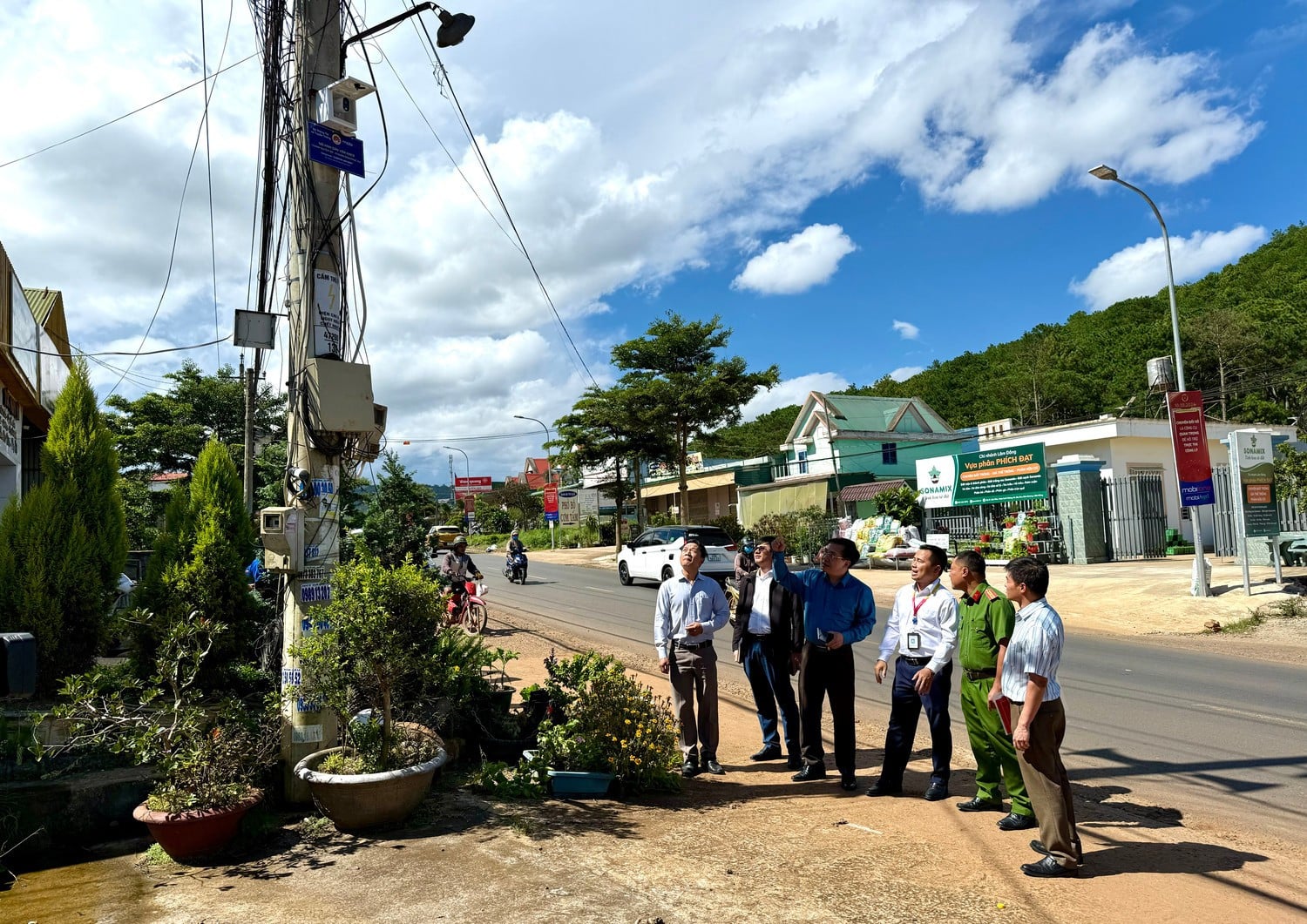
The model of effective mass mobilization "Digital Transformation - Serving the People" has been implemented in many communes throughout the province.
In Liêng Srônh commune, the province has deployed 9 loudspeaker clusters using information and telecommunication technology to serve the information needs of villages and hamlets, helping people easily access information about the Party and State's poverty reduction policies and support programs. In addition, communes in Zone III of Lam Dong province have also been equipped with broadcasting systems using information and telecommunication technology.
After many tireless efforts, at the end of February 2025, Liêng Srônh commune was recognized by Lam Dong province as having achieved the new rural standard in 2024. This is also the last commune of the former Dam Rong district - which was once a poor district (classified as a 30A district) of Lam Dong - to achieve the new rural standard.
According to a report from the Social Policy Bank branch in Lam Dong province, as of August 31, 2025, the total policy credit capital of the branch reached VND 17,460 billion, an increase of more than VND 1,268 billion compared to the beginning of the year. Of this, entrusted investment capital from the locality reached over VND 2,016 billion, accounting for 11.5% of the total capital and achieving 176.3% of the assigned plan. The total outstanding loans for policy credit programs reached over VND 17,515 billion, supporting 287,329 households. This policy capital has helped 11,855 poor, near-poor, and newly-escaped-poverty households access capital.

Over the years, Lam Dong province has not only "given fishing rods" but also "taught how to fish" to the poor. During the 2021-2025 poverty reduction period, the Lam Dong provincial government implemented hundreds of short-term vocational training courses for ethnic minorities and people in remote areas; thousands of poor and near-poor households received health insurance cards, tuition fee exemptions, etc.
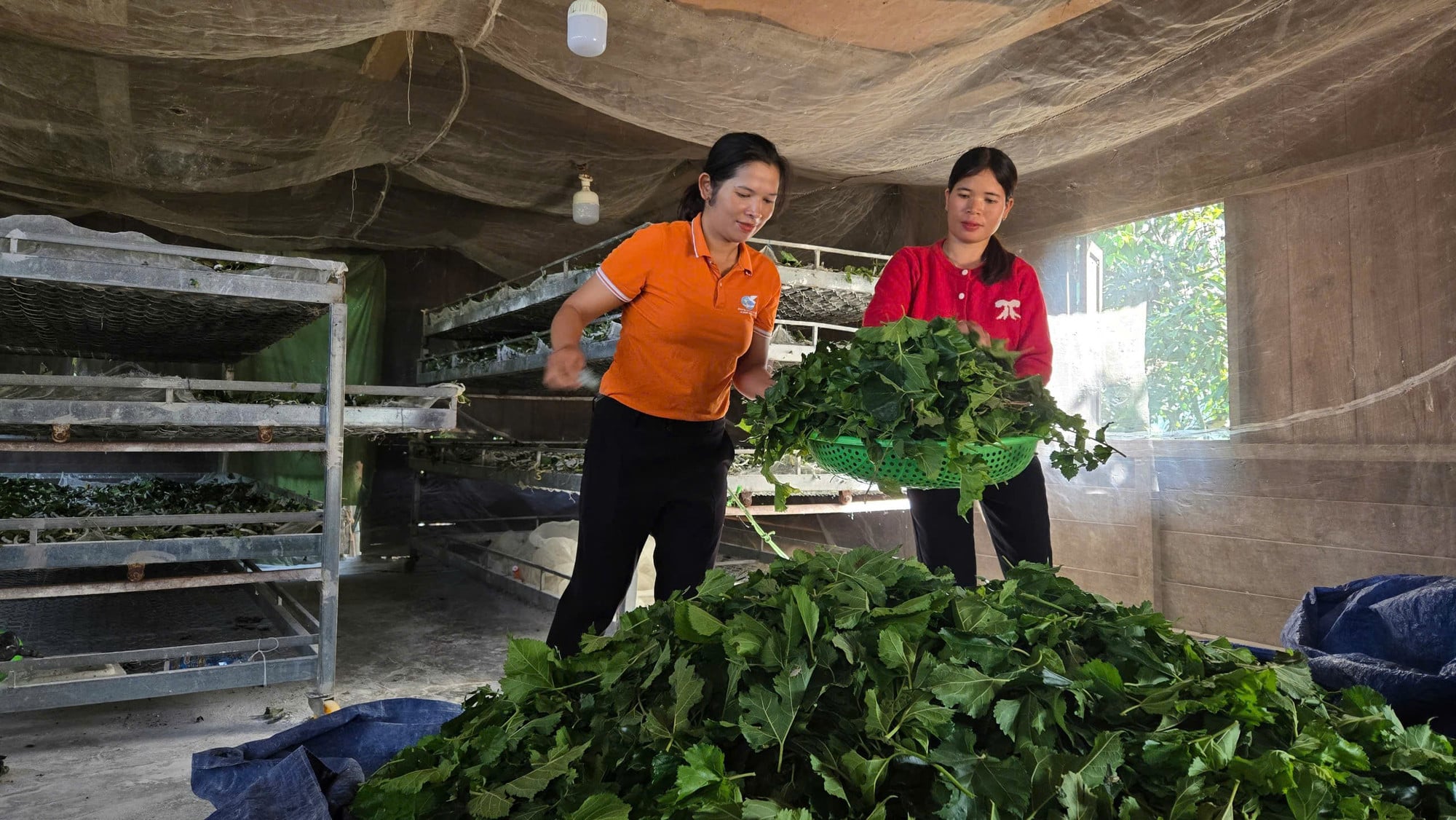
The mulberry cultivation and silkworm rearing model is helping ethnic minority people in Lam Dong Province rise out of poverty.
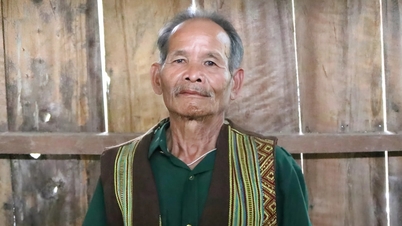
In Dam Rong commune, rain or shine, the Ma Ruong ethnic woman never rests. As the Chairwoman of the Da M'rong Mulberry and Silkworm Cooperative, Ms. Ma Ruong acts as a bridge between farmers and cultivation techniques, between the small silkworm and the community's dream of prosperity. "In previous years, people mainly relied on farming, with unstable incomes depending on the weather. Since switching to mulberry cultivation and silkworm farming, life has changed dramatically. Seeing the effectiveness, I encouraged everyone to join in and develop the economy together," Ms. Ma Ruong shared.
From a small, scattered cooperative, the Da M'rong Mulberry Cooperative now has 9 core members and dozens of households participating in the linkage. Thanks to the cool climate and suitable soil, mulberry trees thrive, and the price of silkworm cocoons fluctuates at a high level (180,000 - 200,000 VND/kg), creating conditions for many households to overcome poverty.
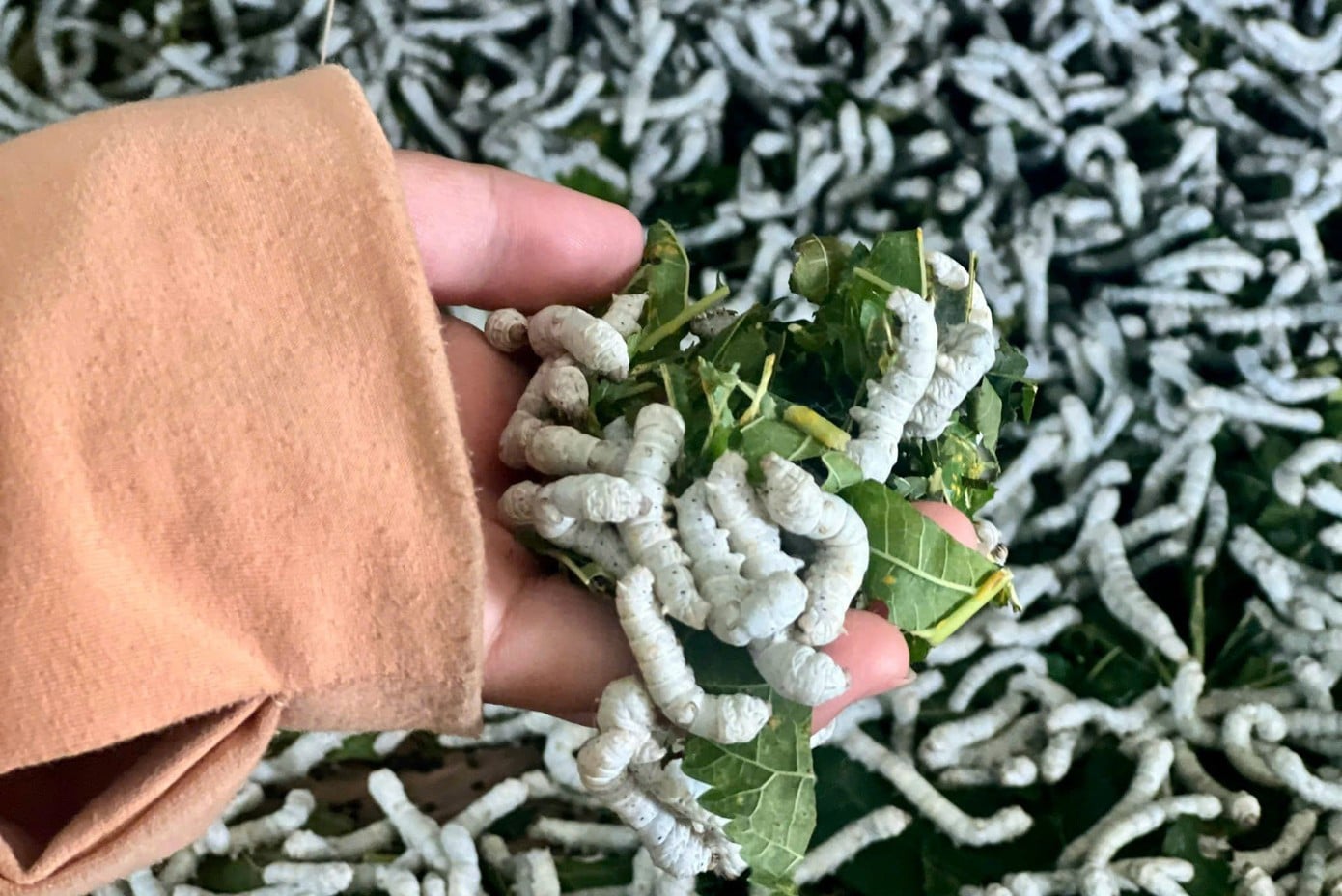
Each silkworm cycle takes only about 15-16 days but yields an income of over 10 million VND.
According to Ms. Ma Ruong, mulberry cultivation and silkworm rearing is not too strenuous, easy to learn, and suitable for women, the elderly, and children. "The women in the cooperative always support each other with techniques, from mulberry cultivation to silkworm care. Every year, we organize free training sessions to 'guide' newcomers step-by-step," Ms. Ma Ruong said.
Previously, the family of Ms. Liêng Jrang K Brao in Da Te village (Dam Rong 3 commune) was classified as a poor household, mainly relying on growing corn on a few acres of land, with income insufficient to cover expenses. Since joining the cooperative and starting the mulberry cultivation and silkworm farming business, her family's life has taken a new turn. "Each silkworm cycle only takes about 15-16 days but brings in more than 10 million VND. Compared to working in the fields, this job is much less strenuous. Even elderly people can do it. Now the family has escaped poverty and has money saved to buy household items," Ms. Liêng Jrang happily recounted.
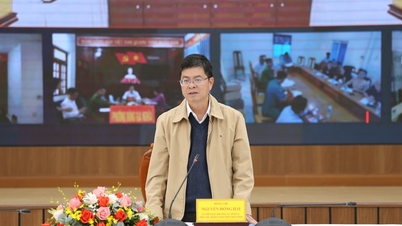
"We strive to ensure that by the end of this term, there will be no more temporary housing in Lam Dong province. We will mobilize social resources and integrate poverty reduction programs and projects into other programs with similar goals to achieve high and sustainable effectiveness. We aim to have no poor households in the entire province by the end of 2030," shared Mr. Ho Van Muoi, Chairman of the People's Committee of Lam Dong province.
Mr. Ho Van Muoi, Chairman of the Lam Dong Provincial People's Committee, stated: Thanks to the attention of the Party and the State, the material and spiritual lives of ethnic minority people in the province have seen many positive changes. Infrastructure such as roads, schools, and health stations have received significant investment, contributing to improved living and learning conditions. The poverty rate has decreased, and many households have risen out of poverty sustainably thanks to livelihood support and production development programs. Cultural, health, and educational fields in ethnic minority areas have received attention and guidance, and continue to show many positive changes.
The Chairman of the People's Committee of Lam Dong province stated that, in addition to implementing poverty reduction policies issued by the Government, the grassroots political system has been strengthened, and the local cadre is increasingly mature, meeting the requirements of the tasks in the new situation. However, the Chairman of the People's Committee of Lam Dong province acknowledged that, alongside the achievements, the lives of a segment of the population still face many difficulties, the economy is slow to develop, the poverty rate remains high, especially among ethnic minorities and in particularly difficult areas; the gap between rich and poor between regions and population groups has not been narrowed, especially in rural and urban areas.
Furthermore, the activities of various types of crime, social vices, drug trafficking, illegal lending, high-tech fraud, etc., still occur, posing many potential threats to political security and social order and safety in ethnic minority areas in particular and throughout the province in general.

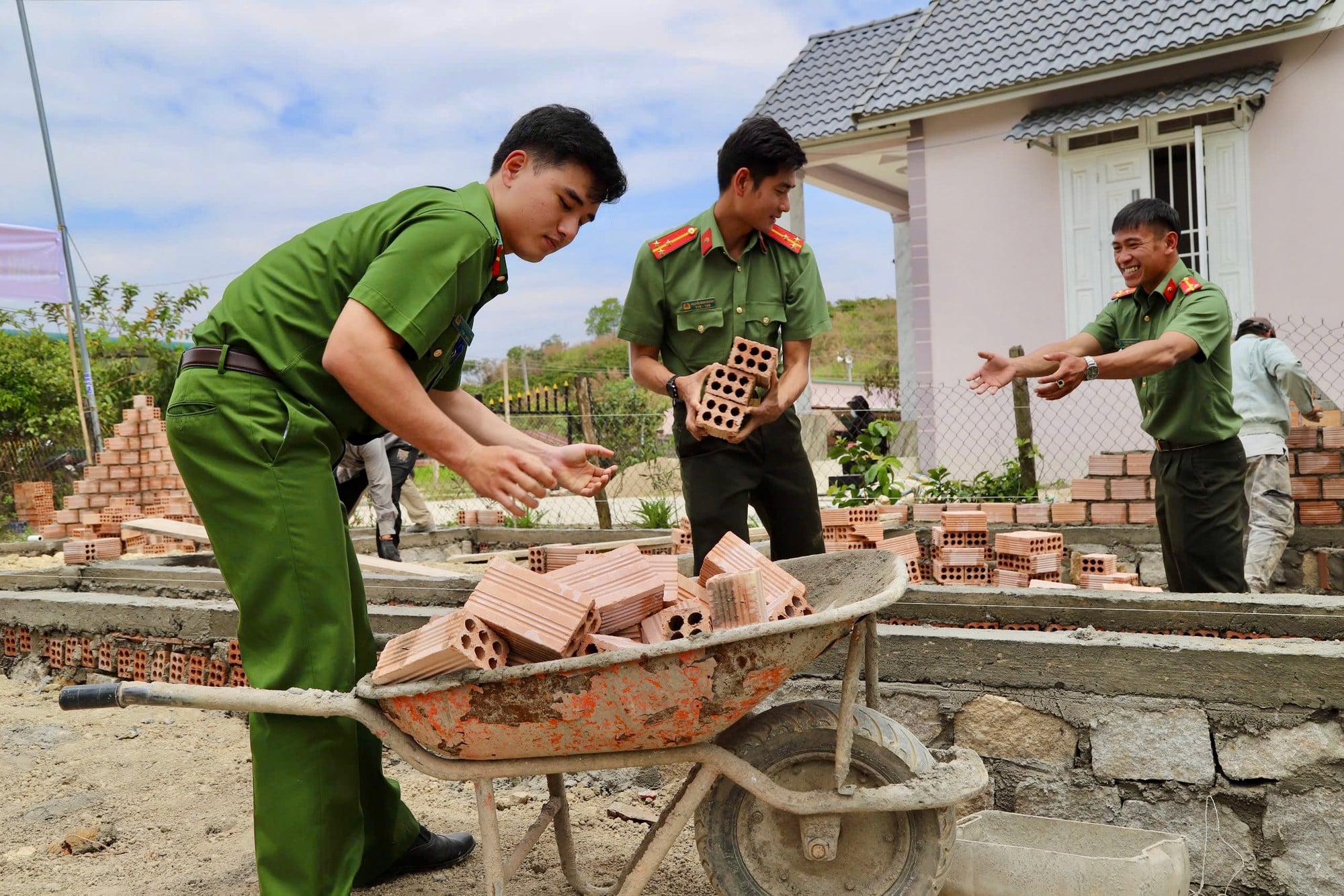
Many forces are working together to help eliminate temporary and dilapidated houses in Lam Dong province.
"Lam Dong province is determined to unleash the potential of the poor by decisively implementing National Target Program 1719, considering it a top political priority. The province focuses on effectively integrating poverty reduction programs with new rural development and socio-economic development. Simultaneously, it is promoting awareness and enhancing the self-reliance of ethnic minority communities, and leveraging the role of officials and influential figures in the community," Mr. Ho Van Muoi emphasized.
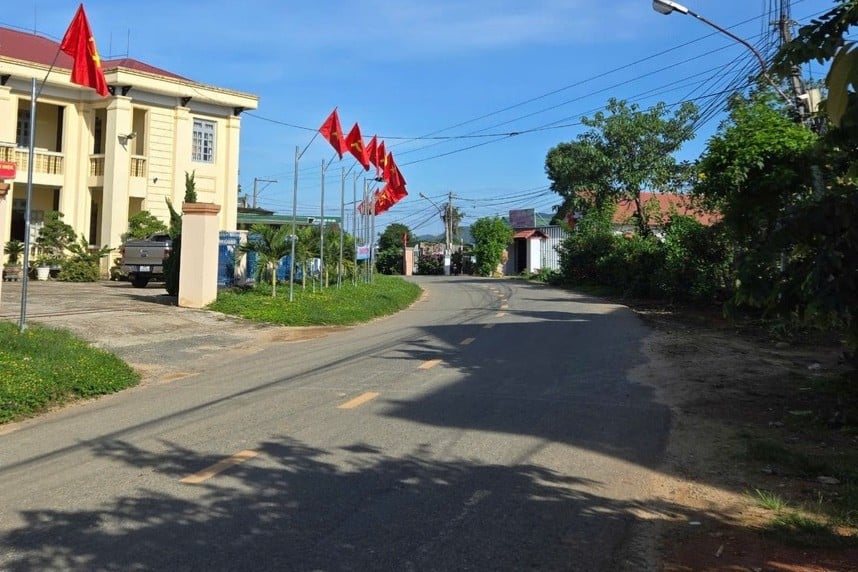
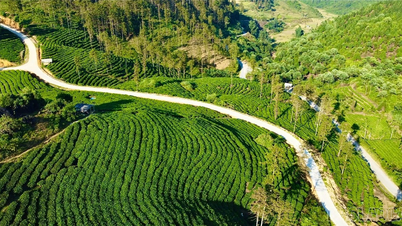
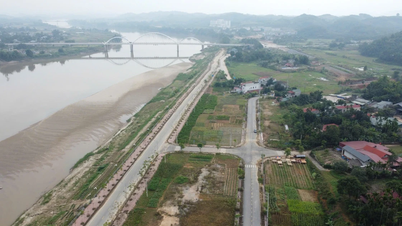
The roads in Dam Rong 3 commune are wide, clean, and beautiful.
Source: https://tienphong.vn/lam-dong-no-luc-xoa-doi-giam-ngheo-ben-vung-post1769112.tpo


![[Photo] Prime Minister Pham Minh Chinh attends the Conference summarizing and implementing tasks of the judicial sector.](/_next/image?url=https%3A%2F%2Fvphoto.vietnam.vn%2Fthumb%2F1200x675%2Fvietnam%2Fresource%2FIMAGE%2F2025%2F12%2F13%2F1765616082148_dsc-5565-jpg.webp&w=3840&q=75)









![Looking back at the peak month of combating IUU: [Part 3] Synchronizing fisheries infrastructure](https://vphoto.vietnam.vn/thumb/402x226/vietnam/resource/IMAGE/2025/12/13/1765608279533_2109-b32-133759_237.jpeg)






































































Comment (0)