

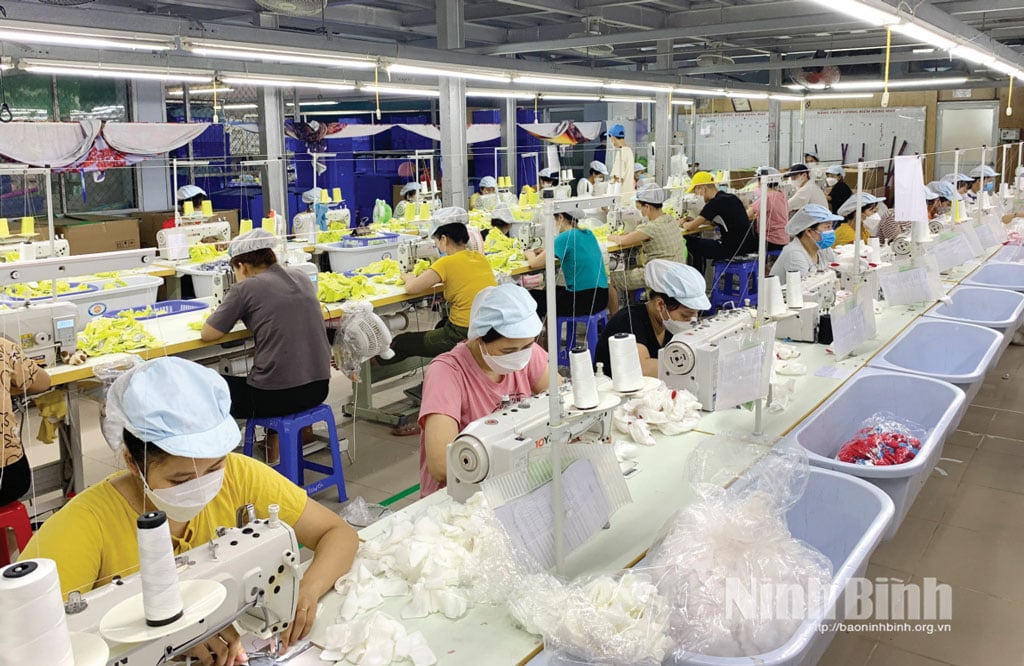
Synchronizing infrastructure to attract investment
According to the Industrial Park Development Plan in the Provincial Planning for the period 2021-2030, with a vision to 2050 approved by the Prime Minister, currently in Ninh Binh province there are 117 Industrial Parks with an area of 5,583 hectares, of which 80 Industrial Parks have been established/expanded with a total area of 3,367 hectares. Currently, 43 Industrial Parks have officially come into operation with an area of 1,258 hectares, attracting 1,138 secondary projects.
This scale reflects the attractiveness of the industrial park system, especially when the total land lease area of the projects reaches 735 hectares and the total registered investment capital reaches 40,647 billion VND. The average occupancy rate of 90.1% in operating industrial parks is an impressive figure, showing that businesses highly appreciate the conditions for accessing infrastructure and the investment environment in the locality.
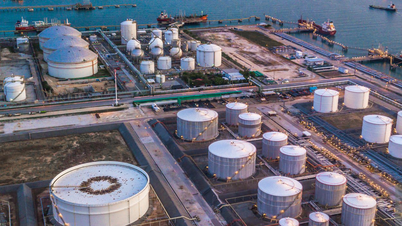
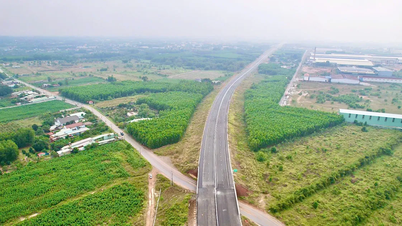
Up to now, the industrial parks have basically invested in shared infrastructure including: roads, electricity, water supply, lighting, trees, etc., creating a relatively complete ground for production activities, meeting the requirements of secondary investors. The whole province has 15 industrial parks with centralized wastewater treatment systems with a total capacity of 19,550 m3/day and night, including the industrial parks: Gia Van, Gia Phu, Gia Lap, Khanh Thuong, Cau Yen, Van Phong, Dong Huong, Ninh Van fine art stone, Xuan Tien, Yen Duong, An Xa, Binh Luc, Le Ho, Cau Giat and Co Le town. This is an important condition to attract clean, high-tech and supporting industries - areas that the province is prioritizing.
However, the development of the industrial park system is still uneven, especially in industrial parks established before 2009. Most of these do not have adequate shared technical infrastructure, forcing secondary enterprises to make additional investments to ensure production activities, increasing input costs and reducing competitiveness. These shortcomings create a large gap between industrial parks that have been systematically invested in according to the model of enterprise-owned investors and industrial parks managed by the State in the previous period.
The biggest bottleneck in the current process of implementing industrial parks is land clearance. Of the 37 industrial parks that have been established but not yet in operation, 10 are stuck with land clearance issues with a total area of over 530 hectares. Many projects, though nearly completed, have to be extended because they have not yet reached consensus with the people, such as the case of Yen Lenh industrial park.
Along with that is the delay in completing investment, land, environment and fire prevention and fighting procedures at 16 industrial parks that are in the process of completing documents; 11 industrial parks have started infrastructure construction but have not yet completed as required. These shortcomings show the need to strongly improve coordination between infrastructure investors, localities and functional agencies.
Improve planning and improve management efficiency
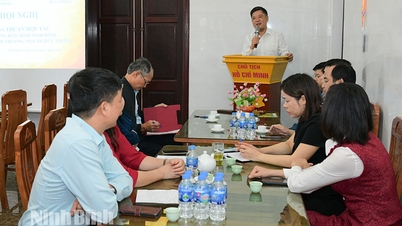
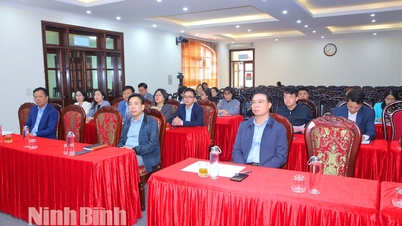
According to Mr. Pham Hong Son, Director of the Department of Industry and Trade: Currently, the province has conducted a comprehensive review and proposed adjustments to the industrial park development plan in the Provincial Planning for the period 2021-2030, with a vision to 2050. According to the review results, the total number of industrial parks is expected to increase to 146 with a total area of 8,189 hectares, an increase of 29 industrial parks and 2,606 hectares compared to the previous planning. This adjustment is not aimed at expanding in a spread-out direction, but towards optimizing industrial space, ensuring suitability with the characteristics of each locality, while creating conditions to attract high-tech industries, supporting industries and green production.
The review process also pointed out the need to downsize in places that no longer meet the criteria of Decree No. 32/2024/ND-CP dated March 15, 2024 of the Government on the management and development of industrial clusters, or are no longer suitable for the orientation of urban development, tourism or cultural preservation. The proposal to remove 19 industrial clusters from the planning shows boldness in arranging and restructuring economic space, avoiding spreading resources and limiting risks in actual implementation.
Along with the planning, the organization and management of industrial parks has also been innovated in the direction of strong decentralization at the grassroots level. According to Decree No. 139/2025/ND-CP of the Government: Regulations on the division of authority of local authorities at 2 levels in the field of state management of the Ministry of Industry and Trade , the authority to manage industrial parks has been assigned to the commune and ward levels. The province is implementing the transfer of 6 industrial parks from the Center for Industrial Promotion and Trade Promotion to the local authorities, and at the same time, transferring An Xa industrial park from a public service unit under the Management Board of Economic Zones and Industrial Parks of the province to the ward level. The construction of a unified management regulation for the whole province is being urgently completed, in order to ensure consistency in implementation and clarity of responsibilities of each level and unit.
This approach demonstrates a flexible management perspective, bringing the responsibility of monitoring and problem solving closer to the grassroots, where conditions are available to closely monitor the situation. However, for this model to be most effective, it is necessary to improve the capacity of local authorities, especially in the fields of land, construction, environment, fire prevention and fighting, and business operation supervision. In addition, departments and branches still play an important role in guiding investment procedures, promptly removing difficulties, and unifying management according to specialized standards.
Another indispensable requirement is to ensure transparency and choose the right investors. In the coming period, the province aims to strongly attract clean industries, supporting industries and high technology. This requires synchronous and modern investment in industrial park infrastructure from the beginning; administrative procedures need to be shortened; and the selection of infrastructure investors must be based on financial capacity, implementation experience and commitment to progress.
It can be seen that the industrial park system is becoming an important component in the economic development strategy of Ninh Binh. This is not only an open space for industrial production, but also a foundation for the province to transform its growth model towards green, modern and sustainable direction.
In order for the industrial zones to become a driving force for development in the coming period, the key requirements are to synchronize infrastructure, perfect management mechanisms, accelerate compensation and site clearance work and improve the quality of investment attraction. When these requirements are implemented consistently, the industrial zones will continue to make important contributions to GRDP growth, economic restructuring and improving the province's competitiveness in the new context.
Source: https://baoninhbinh.org.vn/nang-cao-vai-tro-cum-cong-nghiep-trong-phat-trien-cong-nghiep-theo-chieu-sau-251205085346553.html
![[Photo] Cat Ba - Green island paradise](/_next/image?url=https%3A%2F%2Fvphoto.vietnam.vn%2Fthumb%2F1200x675%2Fvietnam%2Fresource%2FIMAGE%2F2025%2F12%2F04%2F1764821844074_ndo_br_1-dcbthienduongxanh638-jpg.webp&w=3840&q=75)















































































Comment (0)