

 |
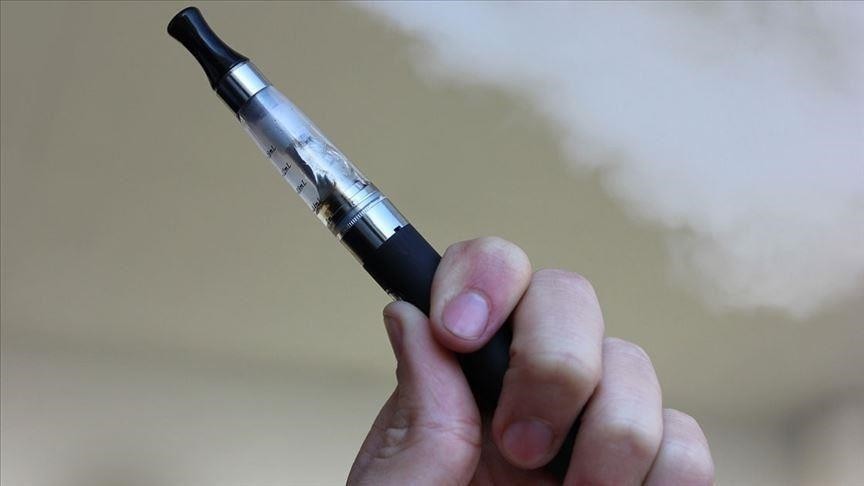
| New Zealand says "no" to disposable e-cigarettes as the country moves toward a near-total ban on tobacco sales. (Source: Anadolu) |
Banning disposable e-cigarettes is New Zealand's latest move in its efforts to combat smoking, moving toward a near-total ban on the sale of tobacco products.
New Zealand Health Minister Ayesha Verrall stated that disposable e-cigarettes will be banned from August. Under the new regulations, all e-cigarette devices sold in the country will have to have removable or replaceable batteries.
To protect children, the government also banned the opening of new e-cigarette shops within 300 meters of schools and marae – meeting places of the indigenous Maori people.
"Too many young people are using e-cigarettes, which is why we are taking steps to prevent that from happening," emphasized Ayesha Verrall.
New Zealand's smoking rate has halved compared to 10 years ago, with the number of smokers decreasing by 56,000 in the past year. The number of adult smokers is now relatively low – at just 8%.
However, Prime Minister Chris Hipkins stressed the need to restrict e-cigarette use among young people.
Six months ago, New Zealand announced it would take steps toward permanently eliminating tobacco access for those currently under the age of 14, raising the annual smoking age until the entire population is smoke-free.
In neighboring Australia, last month, Health Minister Mark Butler announced that Canberra would also ban disposable e-cigarettes.
Asserting that e-cigarettes are not "children's products," Butler said the government will increase tobacco taxes by 5% over the next nine years, starting in September.
| E-cigarettes contain nicotine, a highly addictive substance that causes heart and lung diseases, among others. Besides nicotine, e-cigarettes also contain other chemicals and approximately 20,000 types of flavorings, many of which have not been fully assessed for their harmful effects on health. In addition to the same harmful effects as regular cigarettes, e-cigarettes and heated tobacco products also pose a risk of contributing to social problems, especially drug use and other addictive substances. |
Source






























































































Comment (0)