

Interest rates remain unchanged amid uncertainty.
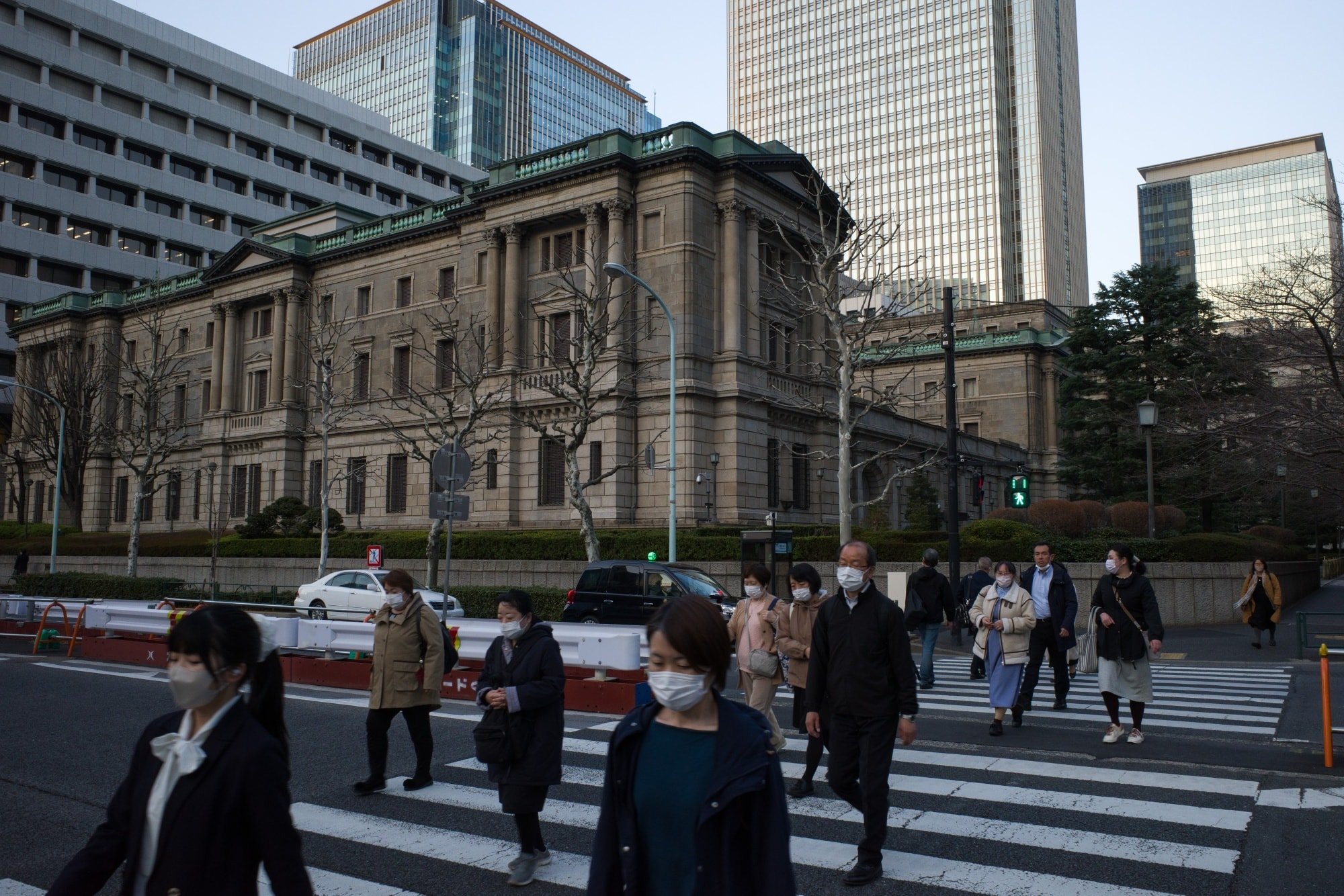
The Bank of Japan (BOJ) is expected to keep interest rates unchanged at its meeting ending Friday. Policymakers want more time to assess whether the economy can withstand the tariffs imposed by U.S. President Donald Trump, as well as the increasingly evident signs of weakness in the U.S. economy.
This move comes after the US Federal Reserve (Fed) recently cut interest rates and signaled it may lower them further in the near future to prevent a weakening labor market.
Slowing US growth has dimmed the prospect of a BOJ interest rate hike, especially as Japanese exports have begun to be affected by new tariff measures.
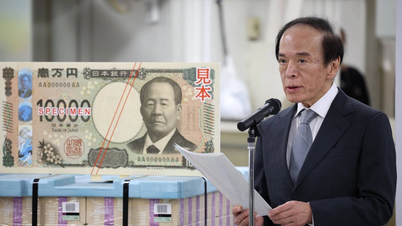
Investors are paying particular attention to Governor Kazuo Ueda's press conference following the meeting for clues about the possibility of the Bank of Japan resuming its interest rate hike cycle, which has been paused since January.
The scenario for the coming months
Some experts, including Kei Fujimoto from SuMi TRUST, predict the BOJ may raise interest rates early next year, but it's difficult to be certain whether the decision will be made as early as October. Officials will carefully consider the impact of tariffs on corporate profits and the ability of companies to continue raising wages.
A Reuters survey shows that a majority of economists predict the BOJ will raise interest rates by another 0.25 percentage points by the end of the year, although the timing remains debated, focusing on either October or January.
Pressure from inflation and the job market.
Despite having several reasons to slow down its interest rate hike trajectory, the BOJ remains under pressure from high food prices and a tight labor market.
Newly released data shows core consumer prices in August rose 2.7% year-on-year, slowing for the third consecutive month but still above the 2% target. Some hardline members of the council warned that maintaining negative real interest rates for too long could pose risks to the economy.
Political impact and policy direction
The BOJ's monetary policy landscape is further complicated by the domestic political situation. Japan's ruling party will hold a leadership election on October 4th, following Prime Minister Shigeru Ishiba's resignation.
Leading candidate Sanae Takaichi, a strong opponent of raising interest rates, will unveil his campaign platform on the same day the BOJ holds its press conference.
The Bank of Japan ended its decade-long stimulus program and raised short-term interest rates to 0.5% last January, confident that Japan can maintain its 2% inflation target.
However, Governor Ueda remains committed to taking cautious steps, especially since the impact of U.S. tariff policies on the Japanese economy is still uncertain.
Source: https://baonghean.vn/ngan-hang-nhat-ban-duy-tri-lai-suat-on-dinh-truoc-rui-ro-tu-my-10306719.html



























![[Video] The craft of making Dong Ho folk paintings has been inscribed by UNESCO on the List of Crafts in Need of Urgent Safeguarding.](https://vphoto.vietnam.vn/thumb/402x226/vietnam/resource/IMAGE/2025/12/10/1765350246533_tranh-dong-ho-734-jpg.webp)
















































Comment (0)