

New livelihoods in the highlands
When the brocade weaving looms and weaving craft that have been associated with the people of Yen Na highland commune ( Nghe An province) for hundreds of years gradually faded away, the local government found a suitable direction for the people. The production of handicrafts from water hyacinth not only creates a stable income but also helps people revive their traditional craft, making people excited to "reconnect the broken craft".

Water hyacinth - a woody aquatic plant with a stem length of 60-90 cm - after being picked up, the leaves and roots are cut off, and dried in the sun for many days. Those golden water hyacinth strands become raw materials for weaving baskets, carpets, trays, vases, etc. for export.
Since childhood, Lo Thi Pen (52 years old, living in Vang Cuom village, Yen Na commune) has been used to making almost all household items by hand. But when plastic and stainless steel products became popular, the weaving profession became sluggish. “For a long time, I only cut a little bamboo to weave for fun. When I heard that the commune had signed a contract to weave water hyacinth for export, I immediately signed up. With the artisans “holding my hand and showing me how to do it”, I learned a few hours and got used to it,” she said.
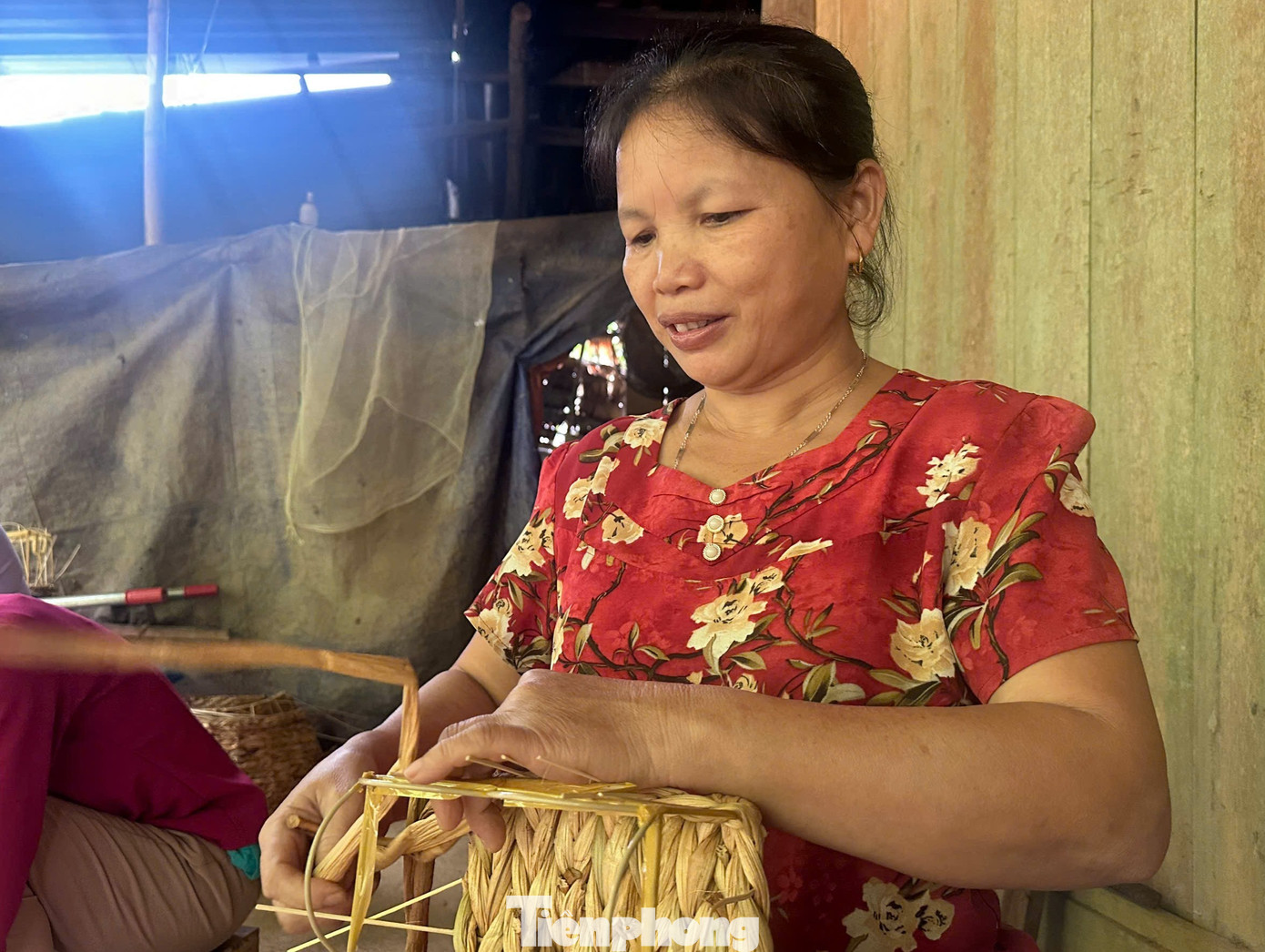
Just a few days after the commune’s announcement, dozens of people in Vang Cuom village signed up to learn the trade. “There is no work here all year round. Young people go to work far away. Old people like us just stay around raising chickens and pigs. Now that we have a new job, we can sit and knit together, work with our hands and chat about the village, it’s so much fun,” said Vi Thi Tim (65 years old), knitting and tidying up the bundle of yarn next to her.
According to Ms. Tim, the most important thing is that the company delivers the raw materials directly to the village, and the products are purchased as soon as they are finished, helping the elderly have work right at home without having to go far.
From dry duckweed to export products
Mr. Tran Thanh Tung – the person who directly connects businesses with the commune and purchases products – is one of the artisans from Ninh Binh who comes to Yen Na commune to guide and teach the profession. He said that products made from natural materials such as water hyacinth and sedge are very popular in the Japanese, American, German, and Danish markets, etc., thanks to their durability, aesthetics, and environmental friendliness.

The first product that people are instructed on is a basket. Once they are familiar with it, the artisans continue to show them how to weave carpets, vases, paper trays, etc. All finished products are brought to the company in Ninh Binh to be dried, painted, and decorated before being exported. From seemingly worthless dried water fern fibers, the highland craftsmen have created products that have been exported all over the world . Because people are proficient in traditional weaving, the transfer of the craft is quick.
“Weaving water hyacinth is simpler than rattan and bamboo. With just one instruction, you can weave it yourself in a few hours. The company provides the raw materials and guarantees the output, so you don’t have to worry about anything. When you are proficient, the company will place regular orders. You can earn 150,000 - 200,000 VND per day. Skilled weavers can earn up to nearly ten million VND per month,” said Mr. Tung.
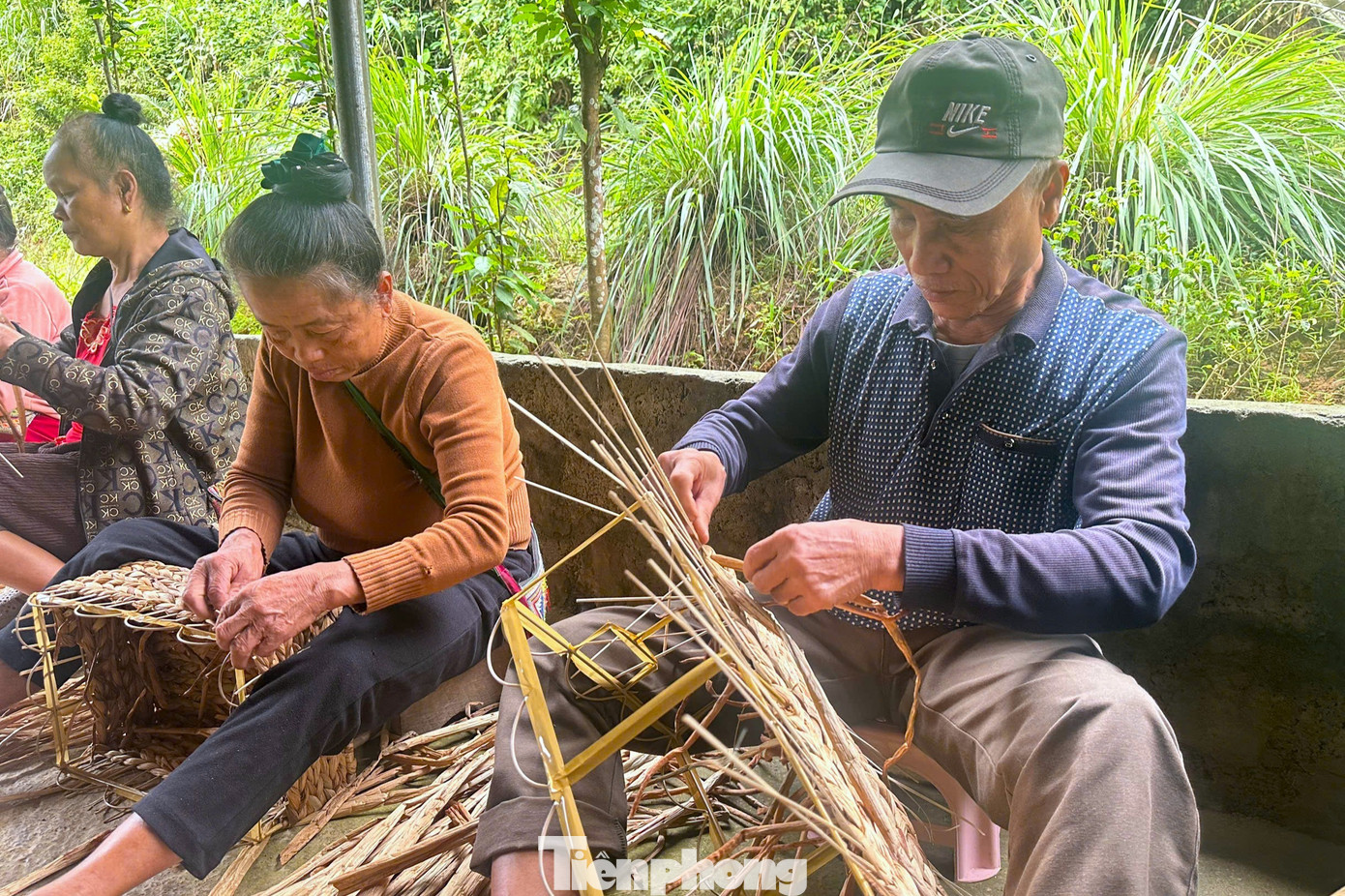
Mr. Nguyen Van Hoe, Vice Chairman of Yen Na Commune People's Committee, said that the income of 3-5 million VND/month from weaving water hyacinth is a great source of support for people in the highlands. Previously, due to lack of jobs, many couples were forced to send their children to their grandparents to work far away, leading to many consequences. Currently, 5 villages in the commune have completed the training course, and Vang Cuom village alone has nearly 15 people over 60 years old registered to learn the trade.
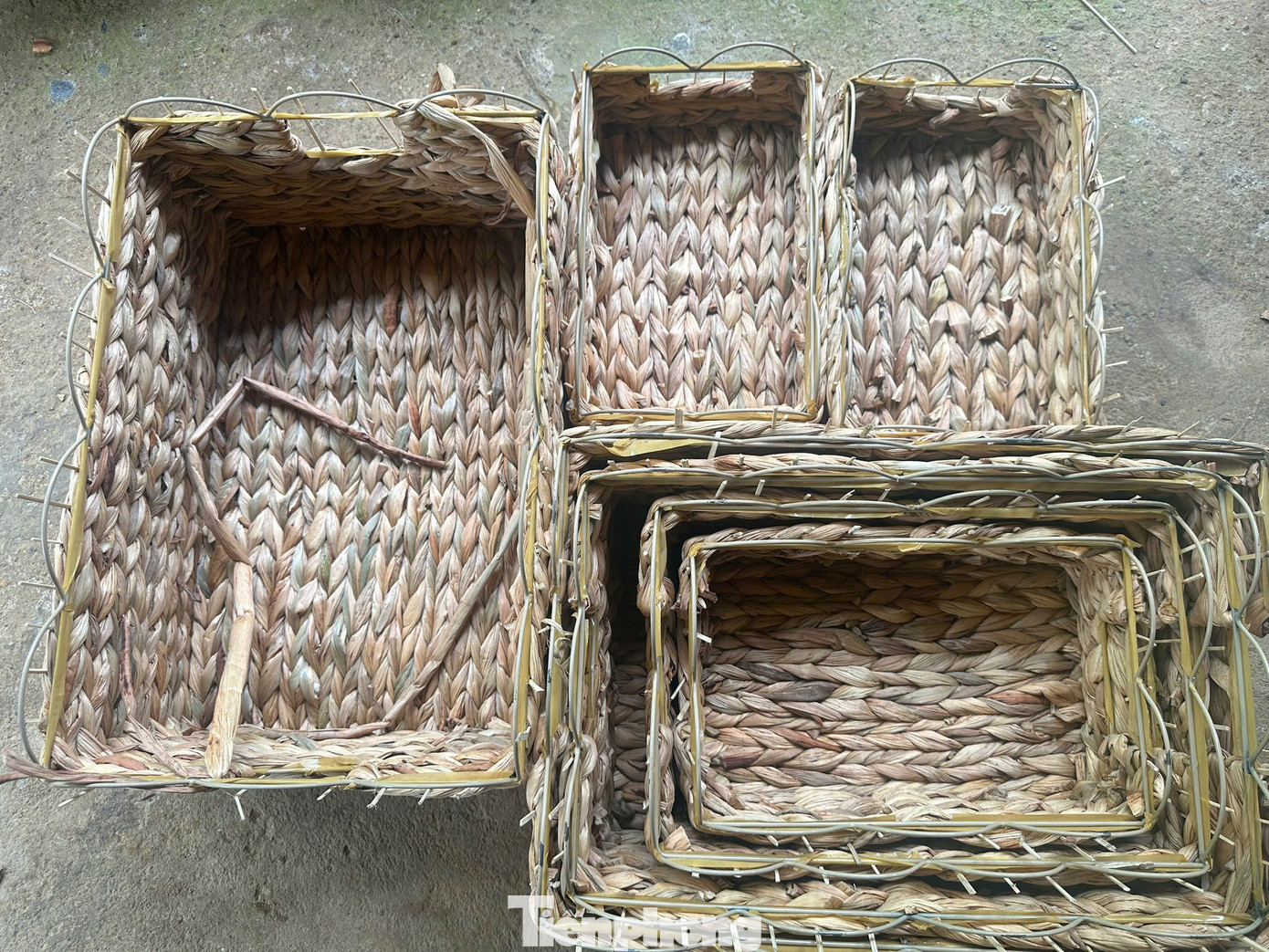
“The locality aims to bring water hyacinth weaving to all 16 villages in the area. With the interest and quick learning ability of the people, this profession is expected to become a long-term economic development direction, helping people escape poverty sustainably. This is a green livelihood model, taking advantage of the strength of traditional weaving and producing environmentally friendly agricultural products for export, contributing to improving the life of the highlands,” said Mr. Hoe.
Source: https://tienphong.vn/nghe-dan-beo-tay-mo-loi-thoat-ngheo-post1798803.tpo


![[Photo] Parade to celebrate the 50th anniversary of Laos' National Day](/_next/image?url=https%3A%2F%2Fvphoto.vietnam.vn%2Fthumb%2F1200x675%2Fvietnam%2Fresource%2FIMAGE%2F2025%2F12%2F02%2F1764691918289_ndo_br_0-jpg.webp&w=3840&q=75)
![[Photo] Worshiping the Tuyet Son statue - a nearly 400-year-old treasure at Keo Pagoda](/_next/image?url=https%3A%2F%2Fvphoto.vietnam.vn%2Fthumb%2F1200x675%2Fvietnam%2Fresource%2FIMAGE%2F2025%2F12%2F02%2F1764679323086_ndo_br_tempimageomw0hi-4884-jpg.webp&w=3840&q=75)









![Varieties Revolution: [Part 1] TBR97 - A New Boost for Tay Ninh Rice](https://vphoto.vietnam.vn/thumb/402x226/vietnam/resource/IMAGE/2025/12/02/1764666416147_dsc06039-110200_534-160503.jpeg)





















































Comment (0)