

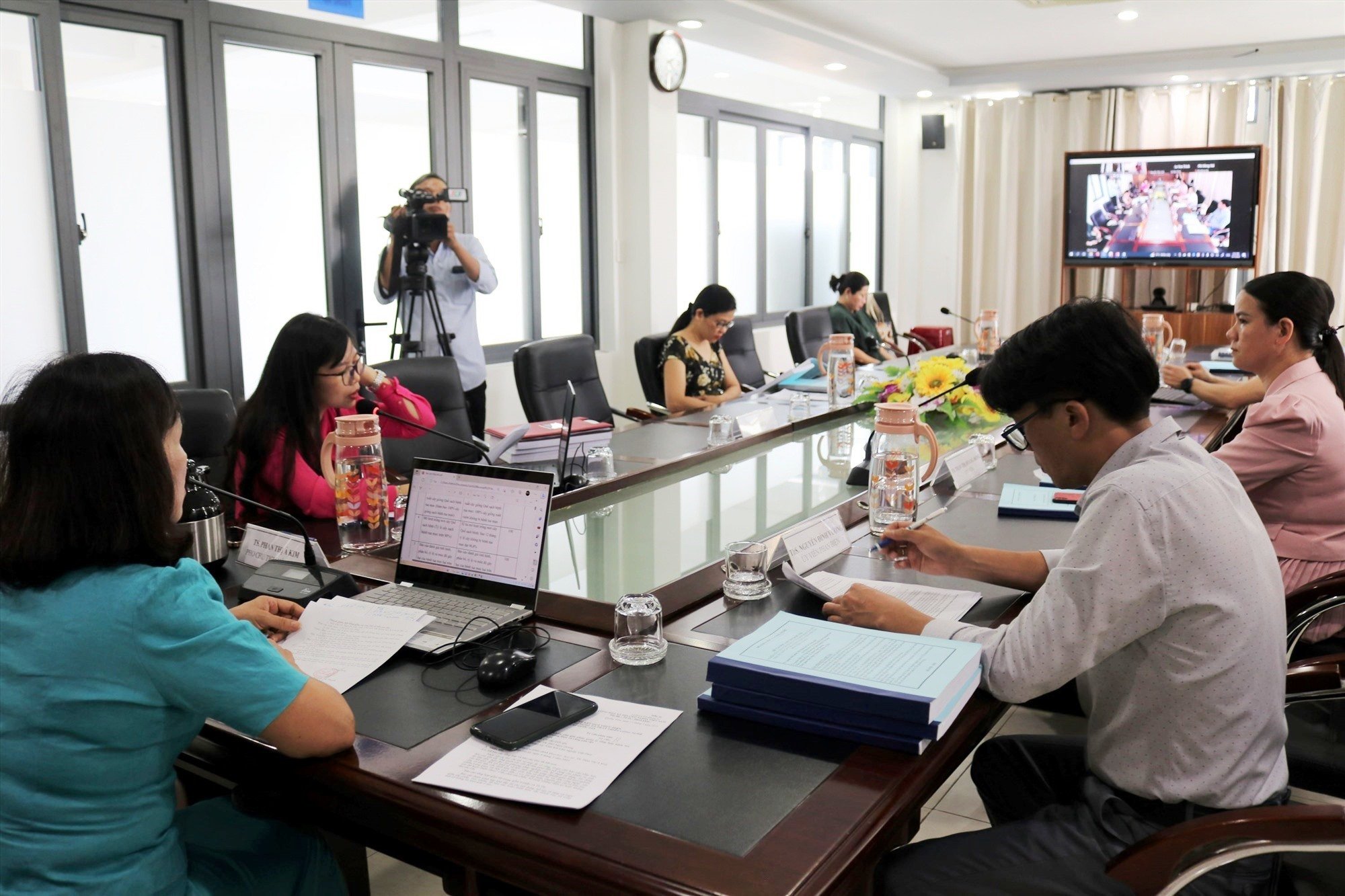
(QNO) - On May 17th, the Quang Nam Department of Science and Technology held an acceptance review for the scientific project "Research on integrated management solutions for cinnamon tree pest disease in Quang Nam province and surrounding areas". The project, implemented from November 2018 to April 2023, was led by Dr. Dao Ngoc Quang, chaired by the Vietnam Forestry Science Institute, with the Ministry of Science and Technology and the Quang Nam Department of Science and Technology as the managing agencies.
During the research process, the authors assessed the damage and distribution of inkweed disease on cinnamon trees in Quang Nam and surrounding areas; they also identified the causative agent, the conditions for its occurrence and development, and the extent of damage caused by inkweed disease on cinnamon trees.
Simultaneously, propose integrated pest management (IPM) solutions for cinnamon tree pest control. Develop pilot models and transfer integrated pest management processes for existing cinnamon plantations; processes for producing cinnamon seedlings free from pest control; and processes for planting, caring for, and integratedly managing new cinnamon trees free from pest control.
Typical symptoms of cinnamon stem blight include the appearance of rough, nodular growths on the trunk, branches, leaf petioles, and veins, followed by the growth of long tendrils or clusters of abnormal shoots. In some cases, both stem blight and abnormal shoot clusters appear on the same tree, even in the same location. Stem blight affects seedlings from 3 months old and occurs sporadically in all localities.
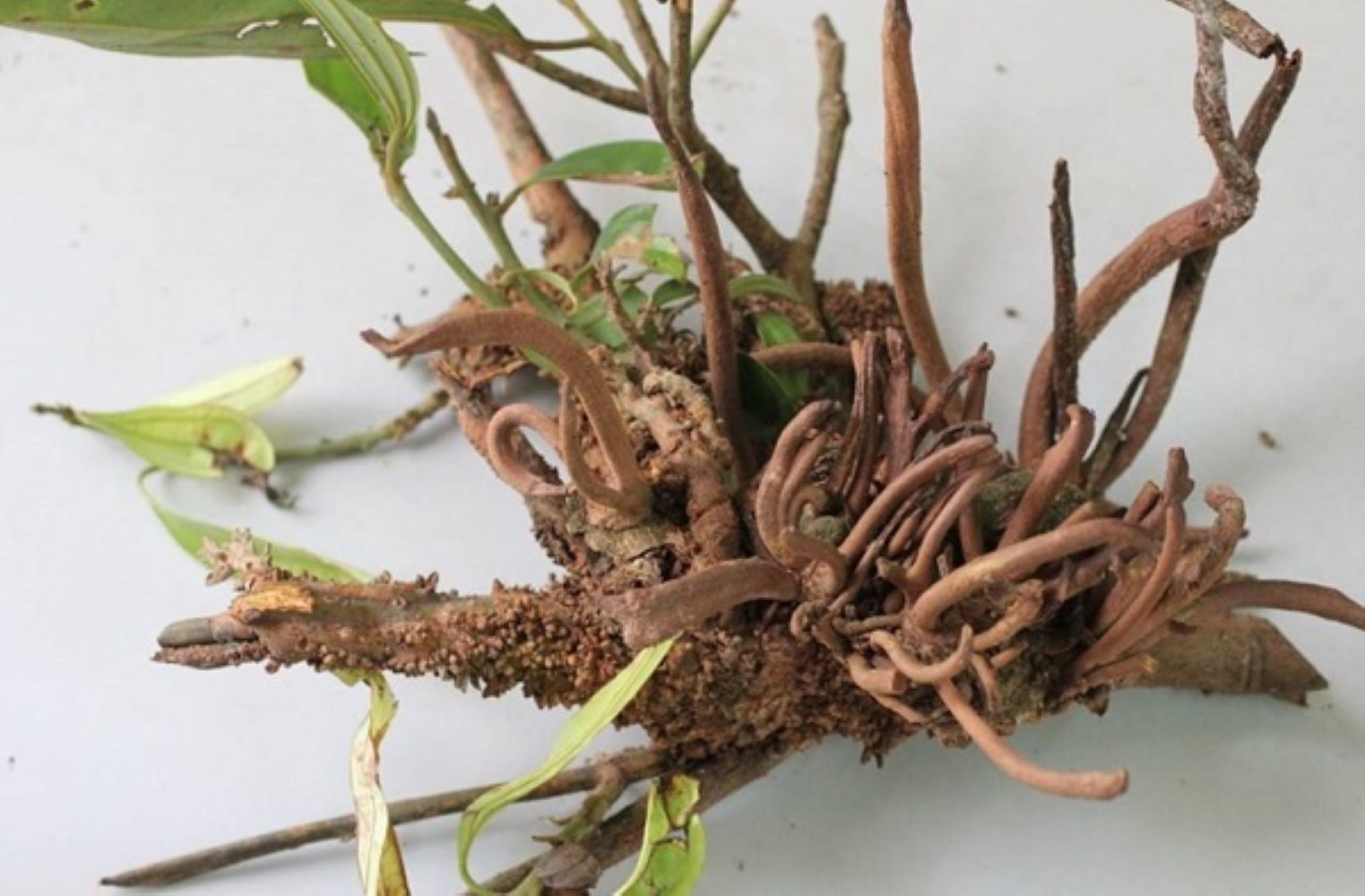
The research team identified the cause of cinnamon broom disease as Cinnamomum cassia witches's broom phytoplasma. Phytoplasma samples from diseased cinnamon trees showed moderate to very strong pathogenicity in one-year-old cinnamon trees.
Three insect species belonging to the sucking group are vectors of diseases affecting cinnamon trees: the mealybug Icerya aegyptiaca, the cottony mealybug Icerya seychellarum, and the scale insect Aulacaspis tubercularis. Based on the research, the authors propose scientific solutions for managing the ink-stain disease affecting cinnamon trees.
The project also organized three training courses (100 people per course) with the participation of officials from the Department of Agriculture and Rural Development, the Forest Protection Department, the Agricultural Technical Center, and cinnamon growers in Nam Tra My, Bac Tra My, and Tra Bong districts (Quang Ngai province) to equip them with knowledge about the current situation and causes of the disease, helping people to effectively manage the outbreak.
In addition, the process of producing disease-free cinnamon seedlings in Tra Mai commune (Nam Tra My district), Tra Bong district, and the new planting process were transferred to officials and local people...
Source




















![[Photo] Prime Minister Pham Minh Chinh holds a phone call with the CEO of Russia's Rosatom Corporation.](/_next/image?url=https%3A%2F%2Fvphoto.vietnam.vn%2Fthumb%2F1200x675%2Fvietnam%2Fresource%2FIMAGE%2F2025%2F12%2F11%2F1765464552365_dsc-5295-jpg.webp&w=3840&q=75)


















































Comment (0)