

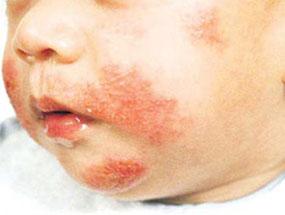
GĐXH - Physical activity can make your heart healthier and your spirit happier. However, if you have atopic dermatitis, you may experience some symptoms of redness and itching. So what should people with atopic dermatitis pay attention to when exercising?
1. The role of exercise for people with atopic dermatitis
Should people with skin conditions such as inflammatory skin conditions (atopic dermatitis, contact dermatitis, eczema...), fungal skin conditions, psoriasis, rashes, allergic urticaria, etc., participate in sports?
In general, when we have any disease, we tend to rest and avoid exercise, especially physical exercise. However, science has proven that appropriate exercise plays an important role in promoting the healing process, improving resistance to prevent disease recurrence.
For the skin, physical exercise improves blood circulation, promotes the body's metabolism, dilates peripheral blood vessels, increases blood flow to the skin, and eliminates waste products through the skin. As a result, inflammatory and allergenic agents can be removed, helping to reduce inflammation and irritation.
Cases of atopic dermatitis can be triggered by stress; appropriate exercise can relieve stress and help improve the condition.
During the acute phase of the disease, patients need prompt medical care and adequate rest. Exercise should only be resumed when the disease has stabilized.
2. What exercises should people with atopic dermatitis do?
According to Dr. Pham Quang Thuan (Vietnam Sports Hospital), there are generally no absolute contraindications to exercise for people with skin conditions such as atopic dermatitis. The only issue is choosing the right type of exercise that suits one's individual characteristics and medical condition.

Patients need to choose the right type of exercise that suits their individual characteristics and medical condition. (Photo: TL)
People with skin diseases (such as atopic dermatitis) can choose gentle forms of exercise that do not require excessive exertion and are easy to perform, such as walking, jogging, cycling, simple yoga exercises, stretching, or any type of physical exercise that the practitioner finds suitable for their health and does not affect their condition.
3. When is the best time for people with atopic dermatitis to exercise?
The location, space, time, and duration of training need to be carefully considered to ensure that adverse effects of climate, weather, temperature, humidity, dust, and pollen in the air are avoided on skin conditions, especially atopic dermatitis and allergies.
Hot, humid environments cause the body to increase sweating, salt in sweat combined with dust in the air sticks to the skin causing an itchy, uncomfortable feeling. Therefore, the location and space for training should be airy, well-ventilated, and the time of training should be adjusted to the cool weather of the day.
4. Things to keep in mind when exercising for people with atopic dermatitis.
Remember to shower thoroughly after exercising or swimming to remove potential skin irritants such as sweat, dirt, and chemicals in pool water.
Injuries, skin contact friction during exercise, excessive sweating or overtraining can all aggravate dermatitis. A small percentage of people may have allergies during exercise, which can even lead to life-threatening anaphylactic shock, especially during exercise or high-intensity physical activity. Therefore, you should stop exercising immediately if you experience hives on your skin, along with other systemic conditions such as chest tightness, difficulty breathing, dizziness, nausea, abdominal pain, diarrhea, etc.
Like all other subjects when participating in physical training, practitioners need to adhere to the principles of training: Systematic training, progressive sequence, exercises from small to large, intensity, volume, training time suitable for each person, avoid overtraining. Ensure proper nutrition, provide enough water for the body during training.
 Can atopic dermatitis be cured?
Source: https://giadinh.suckhoedoisong.vn/nhung-luu-y-when-people-with-atopic-dermatitis-exercise-sports-172241027191721663.htm

![[Photo] Urgently help people soon have a place to live and stabilize their lives](/_next/image?url=https%3A%2F%2Fvphoto.vietnam.vn%2Fthumb%2F1200x675%2Fvietnam%2Fresource%2FIMAGE%2F2025%2F12%2F09%2F1765248230297_c-jpg.webp&w=3840&q=75)







































































![[Photo] General Secretary To Lam works with the Standing Committees of the 14th Party Congress Subcommittees](https://vphoto.vietnam.vn/thumb/402x226/vietnam/resource/IMAGE/2025/12/09/1765265023554_image.jpeg)

































Comment (0)