

Having started taking photographs in 1990 and spent a long time focusing on television work, photographer Nguyen Truong Sinh returned to photography in 2014 with a particular focus on wildlife. He has painstakingly taken hundreds of thousands of photos of the life, survival behaviors, and ecosystems of the rare red-crowned crane – a symbol of love, peace , and hope in Eastern culture.
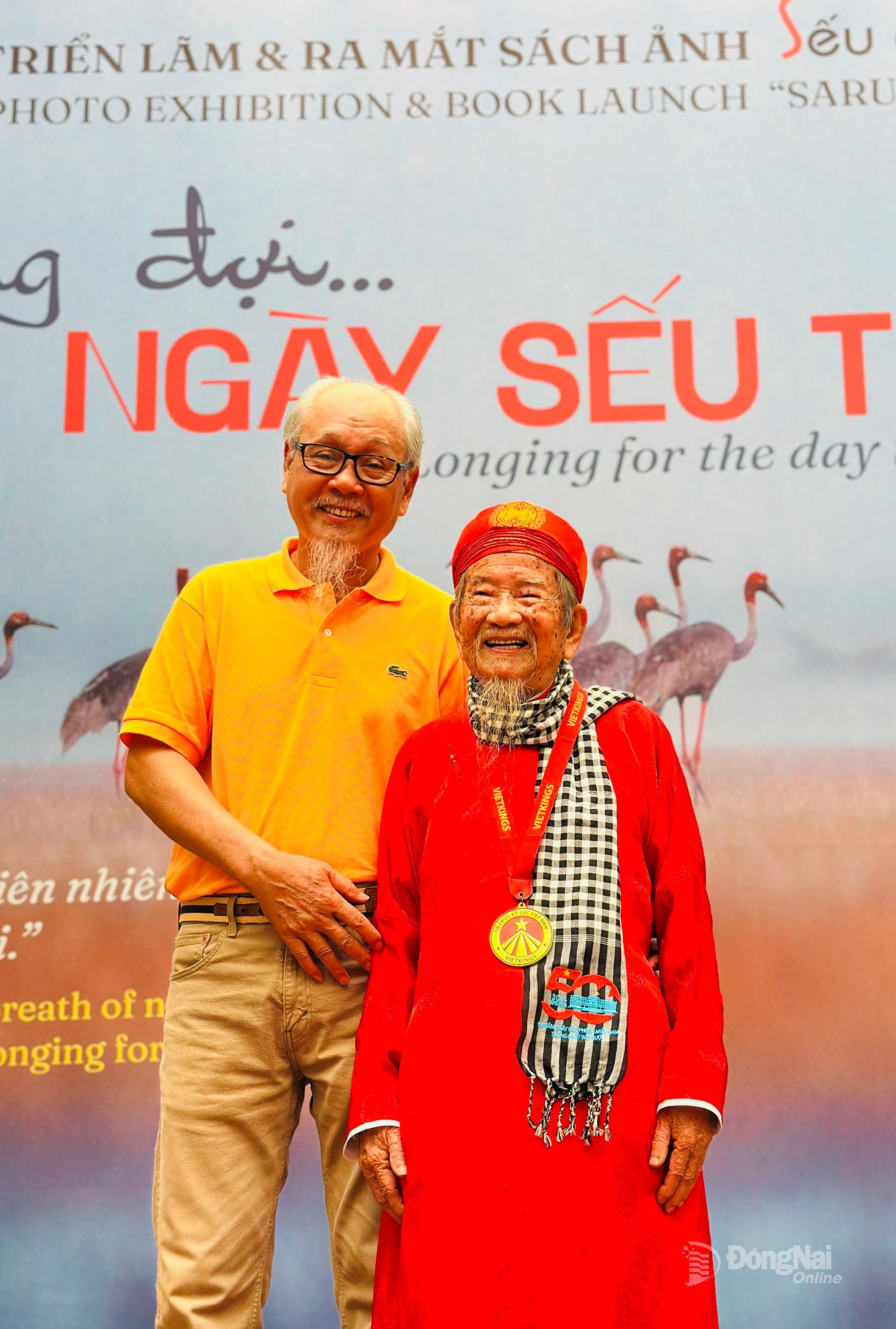 |
| Mr. Nguyen Truong Sinh (left) and researcher Nguyen Dinh Tu at the photo exhibition "Waiting… The Day the Cranes Return" (October 22). |
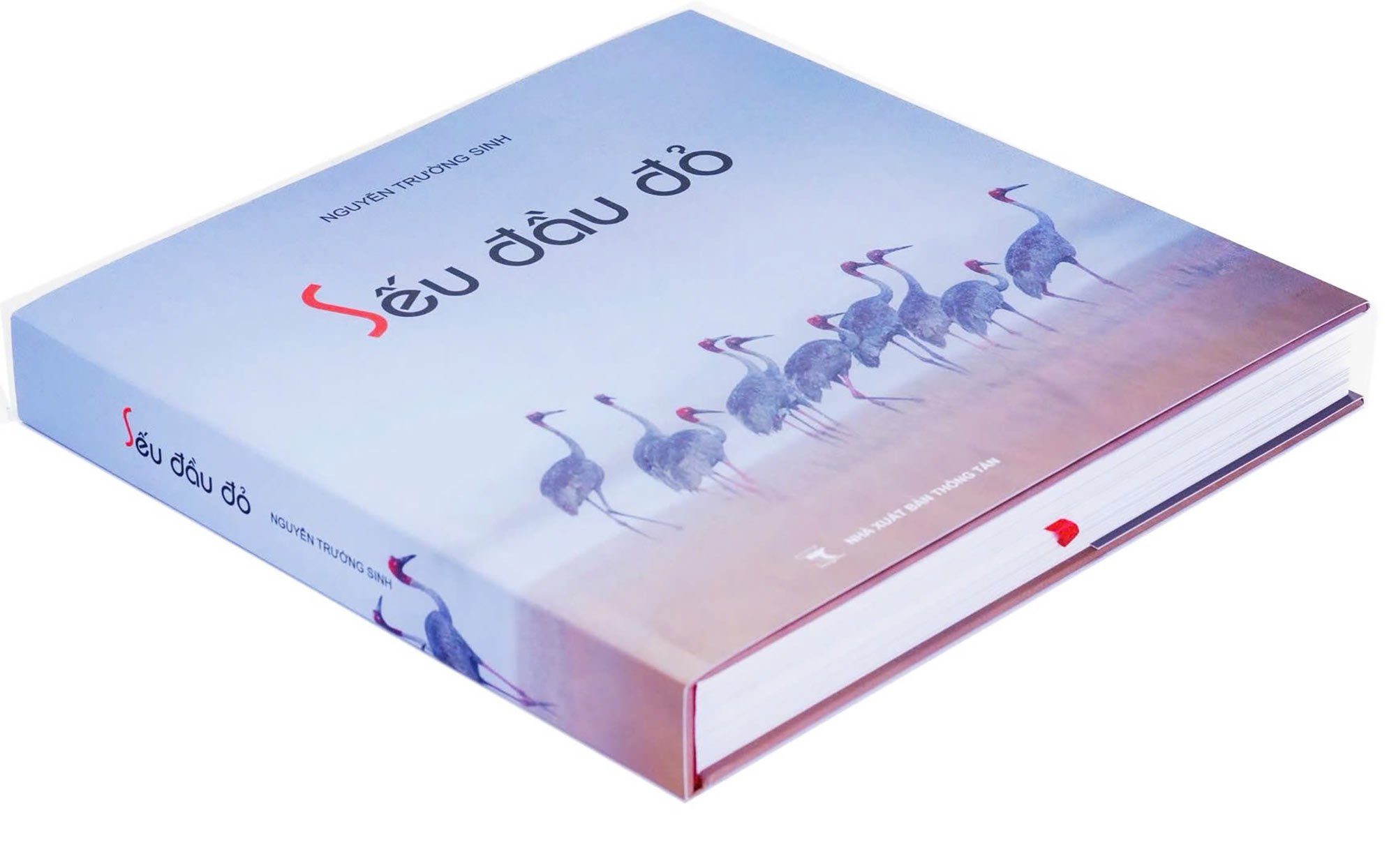
| Photographer Nguyen Truong Sinh founded the Vietnam Nature Photography Club and travels to create photographs in the wild natural landscapes of Vietnam, Cambodia, Myanmar, Australia, and other countries. His photo book, "Red-crowned Crane," is a meticulous and scientific photographic work comprising over 400 photographs, published by the Vietnam News Agency Publishing House in October 2025. |
“I photographed and presented my Red-crowned Crane photography project with gratitude and responsibility towards Vietnam's nature. Through this, I contribute to a call for the community to join hands in caring for and protecting the fragile beauty of the wild environment, preserving the symbiotic relationship between humans and nature, and raising awareness of nature conservation in an era of changing and vulnerable environments,” Mr. Truong Sinh expressed.
Observe nature with your heart.
* After many years of photography, do you think you've become more skilled the more you take pictures, like the old saying goes, "The older the ginger, the spicier it gets"?
- Actually, I don't think I've "improved" in a technical sense, but rather that the longer I shoot, the better I understand myself. Experience comes from many failures: lost beautiful moments, fleeting flashes of light, arduous photo-hunting trips. Through experience, I've learned to adjust, listen to nature, and observe with my heart, not just through the lens.
If you choose a clear path for yourself, persistently cultivate your knowledge, and diligently gain practical experience, the profession will reward you with soulful photographs. But if you only chase after appearances, no matter how many years you take photos, your eye for detail will fade.
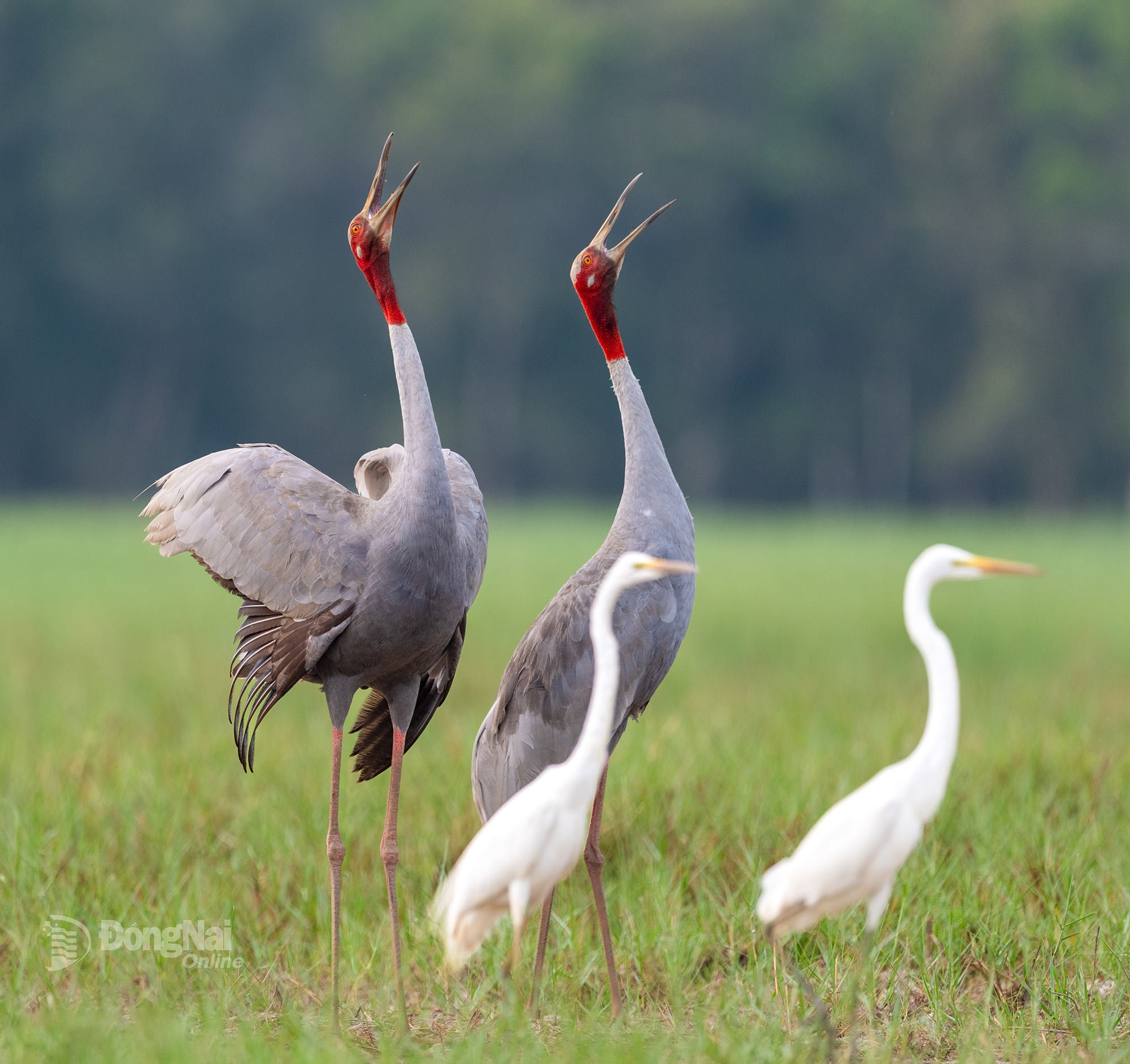 |
| A pair of red-crowned cranes performing together at Tram Chim National Park ( Dong Thap province ) - featured in the publication and photo exhibition on red-crowned cranes in October 2025. Photo: Photographer Nguyen Truong Sinh |
* What changes did he make to avoid becoming "stagnant" or to reinvent himself by exploring and discovering new photographic genres?
- Technically, photography is still about aperture, shutter speed, light, composition… nothing has changed. The biggest change is the photographer – the way we perceive the world. Before, I used to photograph portraits, landscapes, everyday life, all kinds of genres. But then I stopped and asked myself: "Who am I in photography?"
I realized that only when surrounded by nature could I truly be myself. From then on, I chose to pursue wildlife photography – a very difficult genre, but also the most authentic. In it, I can't plan anything; I can only wait, be patient, and be humble.
Currently, there are still many unexplored areas in Vietnamese photography, not because of a lack of photographers, but because no one dares to fully explore their own unique style. Many still shoot according to trends and fads, forgetting that images only truly have value when they speak the voice of the photographer themselves.
 |
Photography helps to open the mind.
* Looking back on your career, is there anything you are proud of or regret?
- I don't think about pride or regret. For me, photography is a journey, not a race to achieve something. I choose to photograph wildlife simply because of love. Photography has helped me broaden my perspective, gain a deeper understanding of life, of people, and of myself.
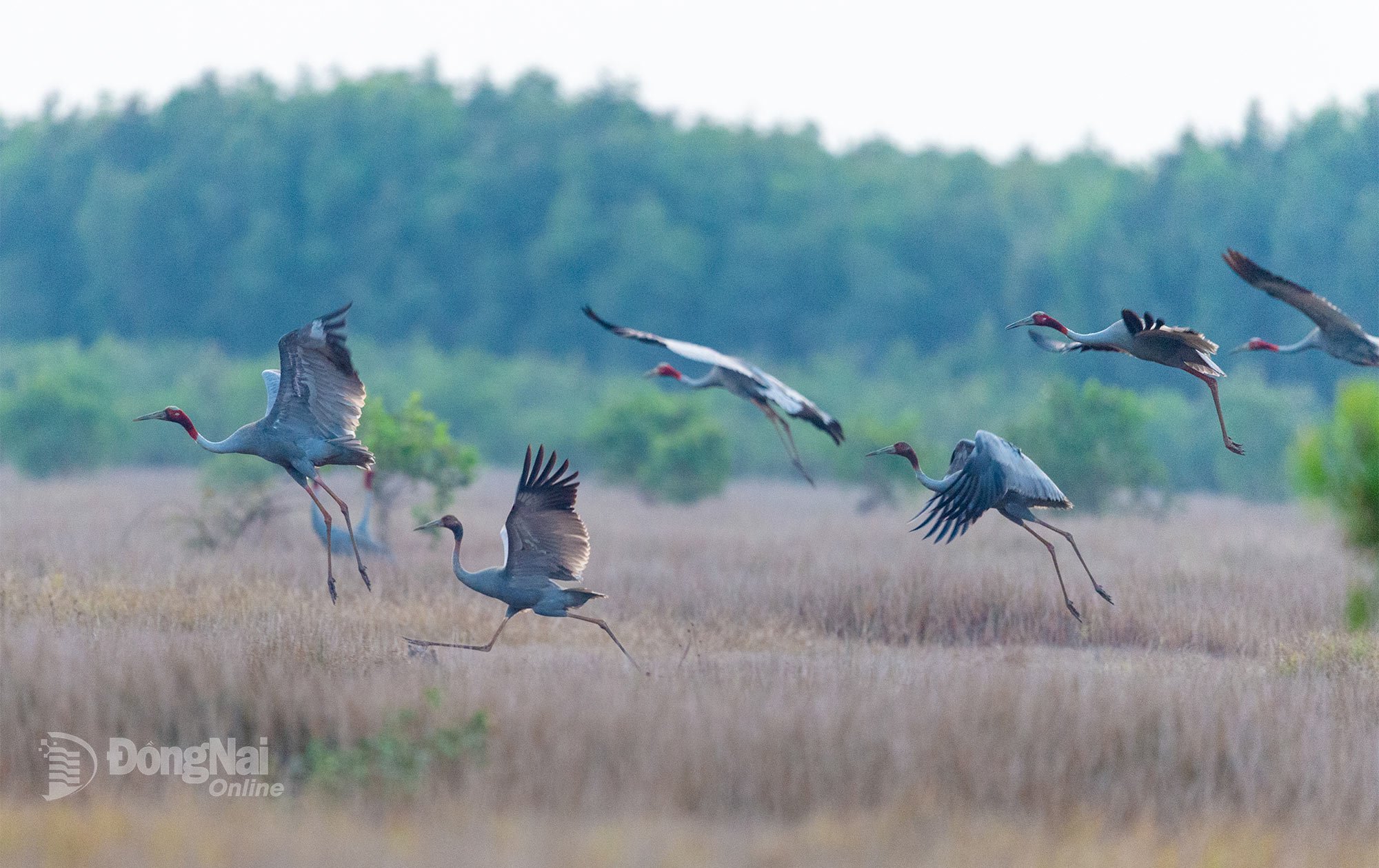
If there's one thing I want to improve on, it's continuing to learn how to befriend nature – not just to take beautiful photos, but to tell a story that benefits life, the community, and conservation. For example, I discovered that planting new melaleuca trees on the traditional feeding grounds of the red-crowned crane has somewhat reduced the crane's habitat area, affecting their natural food sources… which is one of the reasons why the cranes have left and not returned to Tram Chim National Park (Dong Thap).
 |
 |
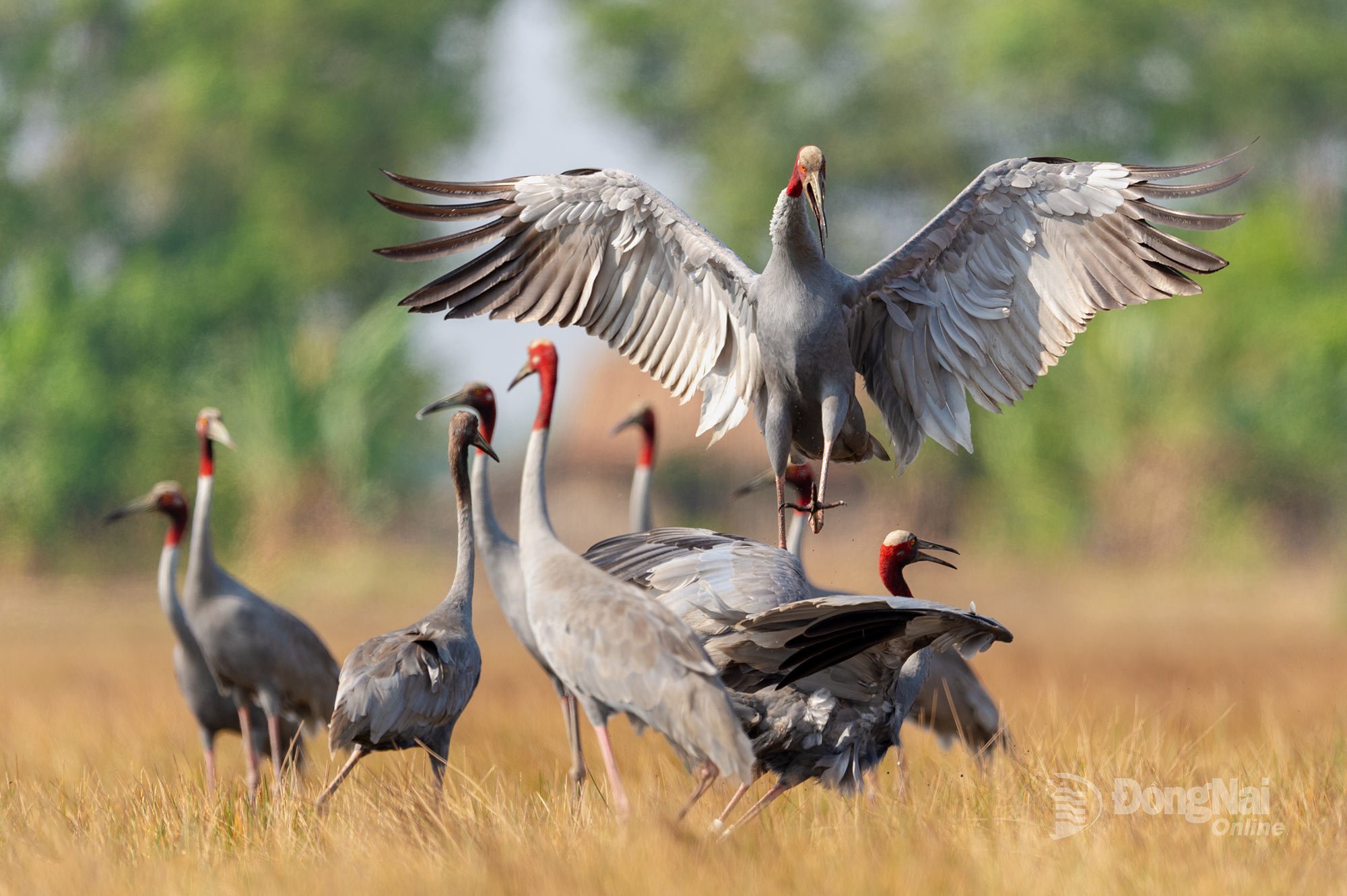 |
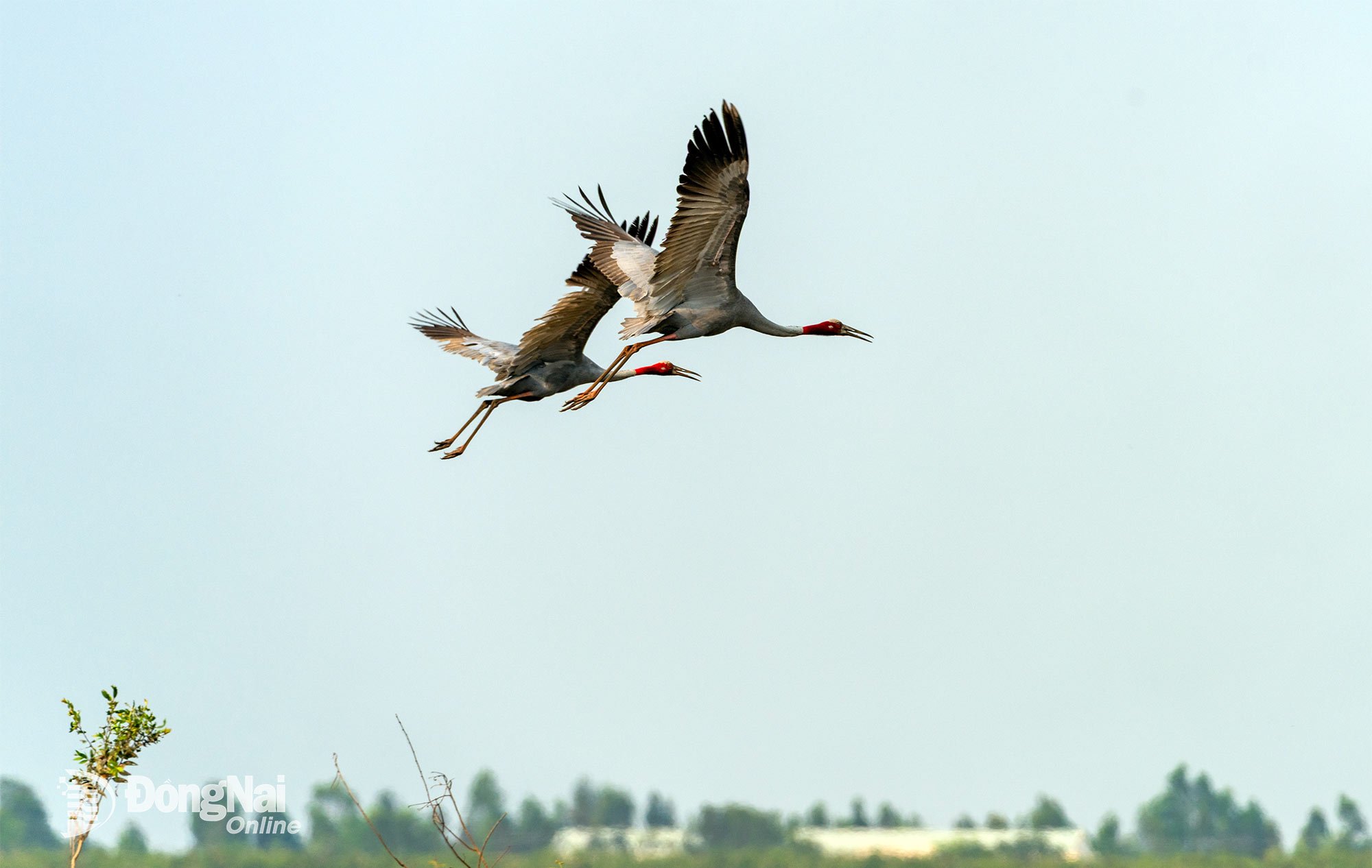
| Red-crowned cranes in the fields of area A4, Tram Chim National Park (Dong Thap province) - a work by photographer Nguyen Truong Sinh. |
* The photography community is thriving these days because everyone has a camera phone. How can young people who want to become professional photographers stand out and be different from the crowd, sir?
This is a big and interesting question, so it's difficult to answer in just a few lines. Nowadays, anyone can take photos with their phone, cameras are readily available, and AI (artificial intelligence) can be used to create beautiful images... but the important question is: why are you taking photos? Photography isn't a race for equipment, but a journey to find light – both externally and internally within the photographer.
To rise above the crowd, young people need more than just skills; they need a solid foundation of knowledge, culture, and a clear artistic ideal. Authentic photography is impossible without a guiding theoretical foundation. Therefore, in Vietnam, I always hope for a modern system of photographic theory that will help photographers break free from ingrained habits and prejudices, enabling them to see, think, and understand images as a language of the soul.
Thank you very much, sir!
Trung Nghia
Source: https://baodongnai.com.vn/dong-nai-cuoi-tuan/202510/nhiep-anh-gia-nguyen-truong-sinh-toi-chup-seu-dau-do-vi-tinh-yeu-25b4121/









































































Comment (0)