


 |
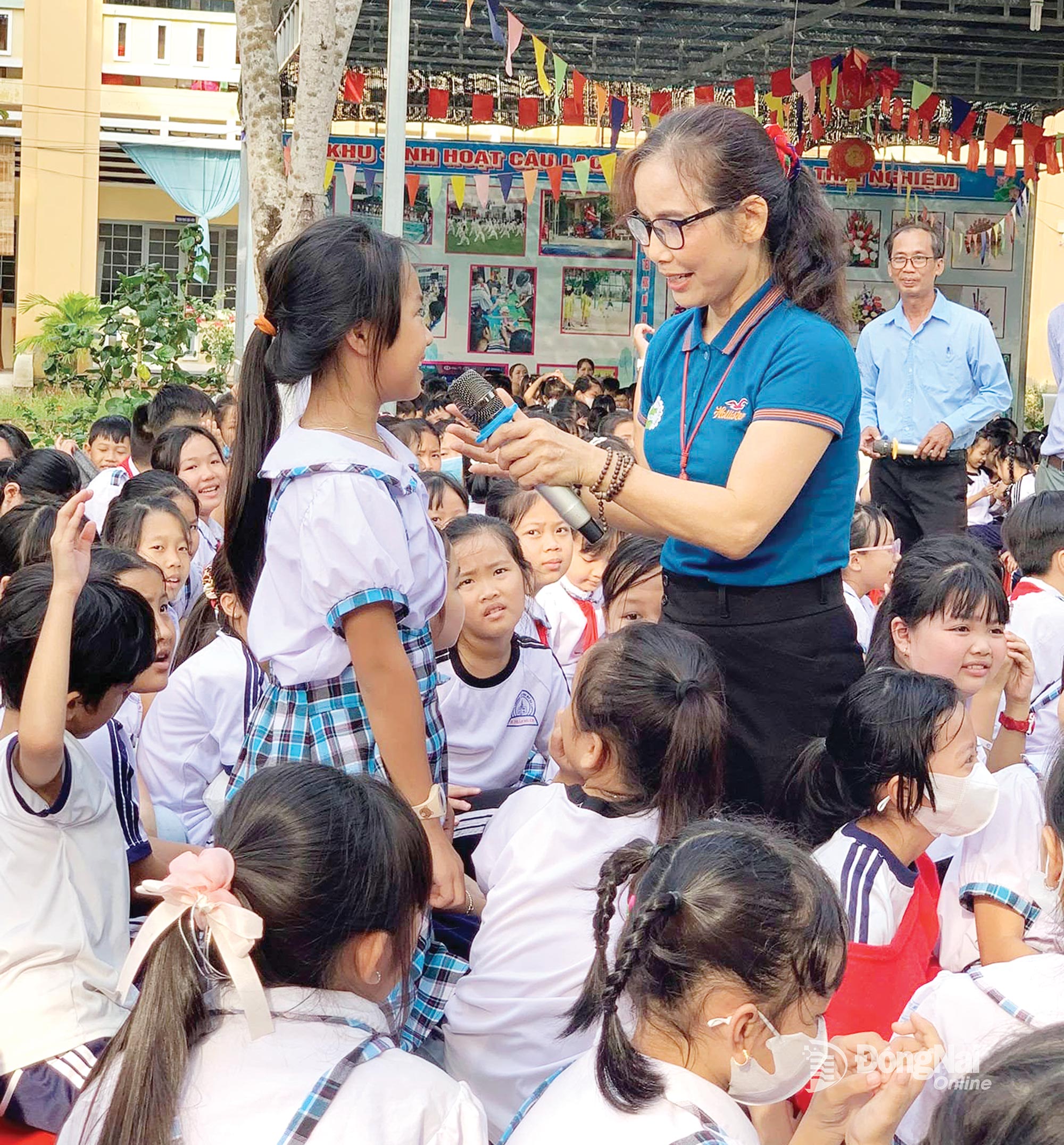
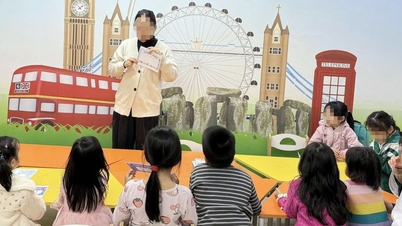
| Ms. Hoang Thi Thu Hien in a program under the "Good Books for Primary School Students" Project. |
On the occasion of the launch of her book "Travel to the Fullest, So That Life Is Not Wasted," which chronicles her past journeys in the "Good Books for Elementary School Students" Project, Ms. Hoang Thi Thu Hien shared her thoughts and concerns with Dong Nai Weekend.
The long journey begins with love.
* Under what circumstances did the "Good Books for Elementary School Students" project come into existence, ma'am?
- We are undertaking this project with the aspiration of igniting students' dreams and preventing the decline of reading culture.
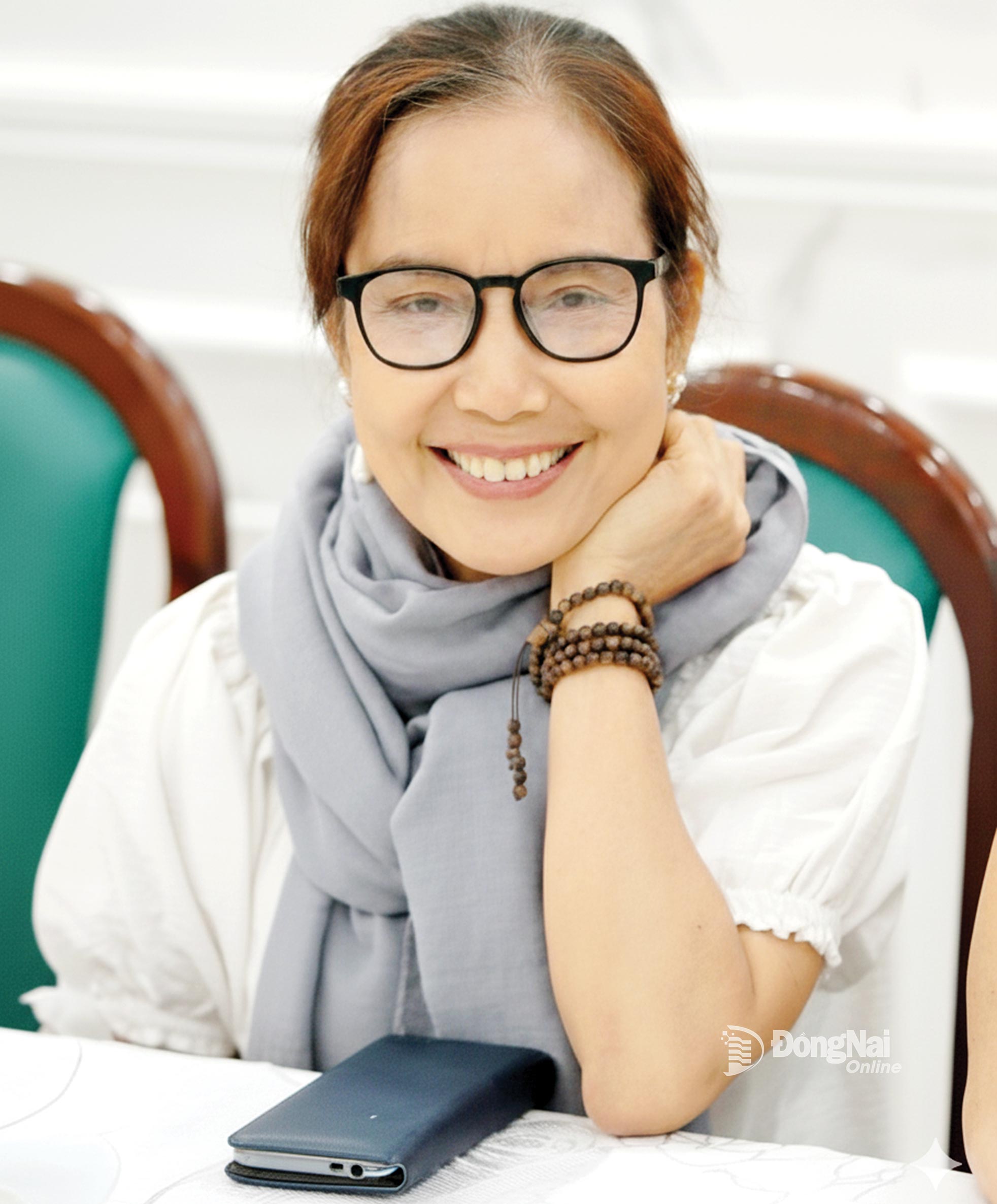 |
Ms. Hoang Thi Thu Hien |
In 2016, when we returned to the former Quang Binh province after the historic floods, besides relief supplies from charitable organizations, books were especially needed for the students at that time. I still remember the image of teachers braving the rain to receive books and returning home amidst the vast expanse of floodwater. It was heartbreaking, but compassion without action is useless; compassion must be transformed into action... And so, we visited many schools one after another. Many people joined hands, contributed their efforts, or offered their hearts to continue the journey of donating books to children in remote areas.
* After many years of implementing the "Good Books for Primary School Students" Project, what is the most memorable and satisfying aspect for you and your colleagues?
- What resonated most deeply with me was the joy in the eyes of children when they held a good book in their hands. It wasn't just a fleeting joy, but a seed sown in their souls, fostering imagination, knowledge, and compassion. For me and my companions, each trip not only brought books to the children but also a treasure trove of emotions – human connection – from these distant lands. What I cherish most is witnessing the quiet but enduring change in the students' reading habits and the support of the teachers after these trips.
* In reality, there are many issues to discuss regarding textbooks for students (beyond the curriculum for each grade level). Through the implementation of this project in schools, what are your concerns, anxieties, and hopes that the State, society, and community will work together to address?
My biggest concern is that school libraries in many places are only aesthetically pleasing but lack the soul of books. Some schools are well-equipped, but their books are meager and unsuitable for the students' age group. Others receive donated books, but mostly old or unappealing books with bland content… I hope the government, the community, and businesses will work together to build a truly vibrant library system: one with good books, engaging book recommendations, and regular reading promotion activities.
A book placed in the right place at the right time can change a child's destiny, and that's why I earnestly hope for a consistent and long-term approach to this.
Travel to your heart's content so that your life is not wasted.
* The journey of "carrying books" to children in remote areas – sowing literacy with love and shared belief in knowledge – needs companionship and continuation. Not just one, but more programs are needed. What are your expectations for the continuation by young people?
- I believe that today's young generation has very compassionate hearts and a strong drive for self-improvement. I hope you will continue programs like this not out of pity, but out of a belief: knowledge is the most sustainable path out of poverty. When young people step out of their comfort zones and go to the most remote villages, they will see that donating books is not just about giving, but also about receiving – receiving growth, gratitude, and a deeper love for their country. I hope that more young hands will join in "carrying books," so that the call for knowledge will resonate far and wide, not only today but also in the future.
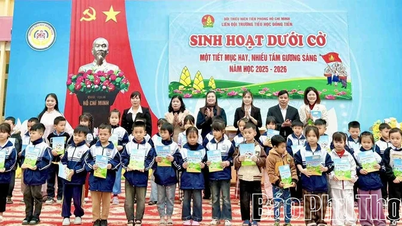
Over the past 10 years, the "Good Books for Primary School Students" Project has organized more than 155 workshops and inspirational "I Love Books" exchange sessions for teachers and students. More than 3,400 primary schools nationwide have received donated books, bringing knowledge to over 1.24 million students, especially those in disadvantaged areas.
* You've just released your book, "Travel to the Fullest, So That Your Life Is Not Wasted," which can be said to be a firsthand account and record of your travels. Reflecting on your own journey, have you found it truly fulfilling?
- To say it's complete is probably not an exaggeration, because I still have so much I want to do, so many places I want to go, and out of hundreds of trips, I've only recounted five.
But every page I've written is a true snapshot of my nearly 10-year journey, encompassing 155 trips, filled with laughter, tears, pain, and happiness. This book isn't meant to boast, but to preserve a part of my memories, so that when I look back, I can see that I've traveled, loved, and lived a life that wasn't wasted.
* Books only cover one-third of the journey. The most difficult thing is to make students love reading and understand books. So, what recommendations do you have regarding this, teacher?
- That's right, bringing books to school is just the beginning. What's more important is how to get books into the hearts of the children.
The goal is to encourage students to read, to see reading as a joy, not an obligation. Teachers must be role models in reading and know how to inspire through each book presentation. To foster a love of books, we need to create reading activities and platforms such as storytelling competitions, reading clubs, and open library spaces… so that each book becomes a “living friend” for students. This will allow books to deeply penetrate their minds, resonate, and translate into action.
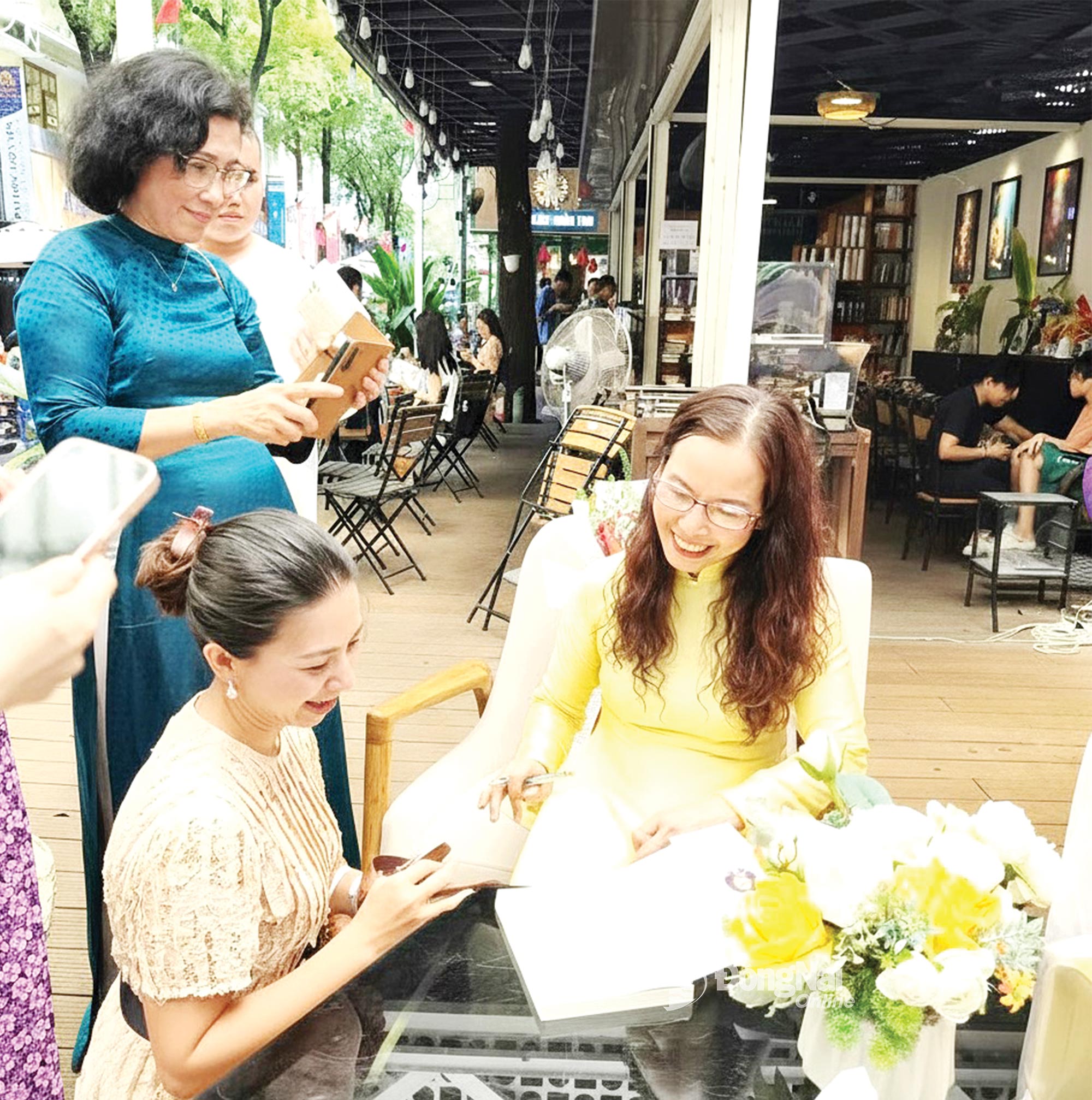 |
| Ms. Hoang Thi Thu Hien signs copies of her book "Travel to the Fullest, So That Your Life Is Not Wasted" for readers. |
Children should read each book several times to fully grasp and absorb its meaning. The pages of a book become pages of real life. This is very important. In the past, our ancestors had fewer books, but their scholars and graduates were all very knowledgeable and well-read because they read deeply and reflected carefully. Today, many young people only glance at books superficially, reading dozens of books but retaining very little.
I believe that when teachers and the community work together, a love of books in children will blossom naturally and sustainably.
For me, books have never been just paper and ink. Books are bridges connecting knowledge, guiding lights, and seeds sown for the future.
Thank you very much, ma'am!
(performed by Vuong The)
Source: https://baodongnai.com.vn/van-hoa/202510/cong-sach-den-voi-tre-em-ngheo-1d91bae/













![[Photo] A large number of people offer incense and visit the Ho Chi Minh Memorial Church.](https://vphoto.vietnam.vn/thumb/1200x675/vietnam/resource/IMAGE/2026/02/21/1771668099014_ndo_br_12-resize-7721-jpg.webp)





























Comment (0)