

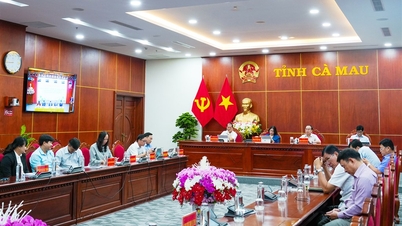
On the morning of December 13th, under the chairmanship of comrades Lai The Nguyen, Standing Deputy Secretary of the Provincial Party Committee, Chairman of the Provincial People's Council, and Head of the Provincial National Assembly Delegation; Le Tien Lam, Member of the Standing Committee of the Provincial Party Committee and Standing Vice Chairman of the Provincial People's Council; and Nguyen Quang Hai, Provincial Party Committee Member and Vice Chairman of the Provincial People's Council, the 24th session of the 18th Thanh Hoa Provincial People's Council continued its second day of work, with delegates discussing matters in the assembly hall.
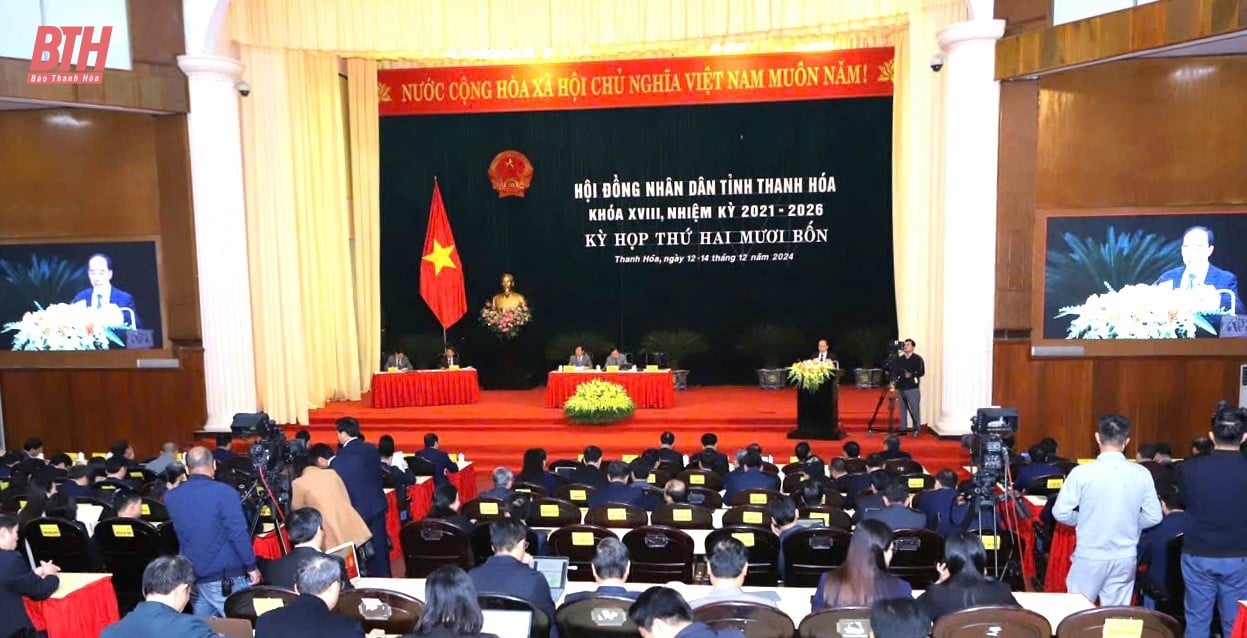
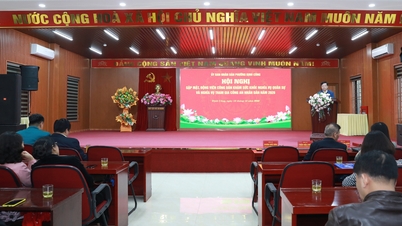
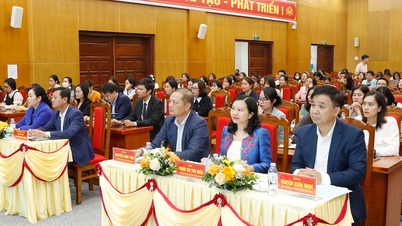
Overview of the session.
Attending the session were Comrade Do Minh Tuan, Deputy Secretary of the Provincial Party Committee and Chairman of the Provincial People's Committee; members of the Standing Committee of the Provincial Party Committee, the Standing Committee of the Provincial People's Council, the Provincial People's Committee, the Provincial Fatherland Front Committee; the Provincial Delegation of the National Assembly; leaders of provincial departments, agencies, and organizations; districts, towns, and cities; and delegates of the 18th Provincial People's Council.
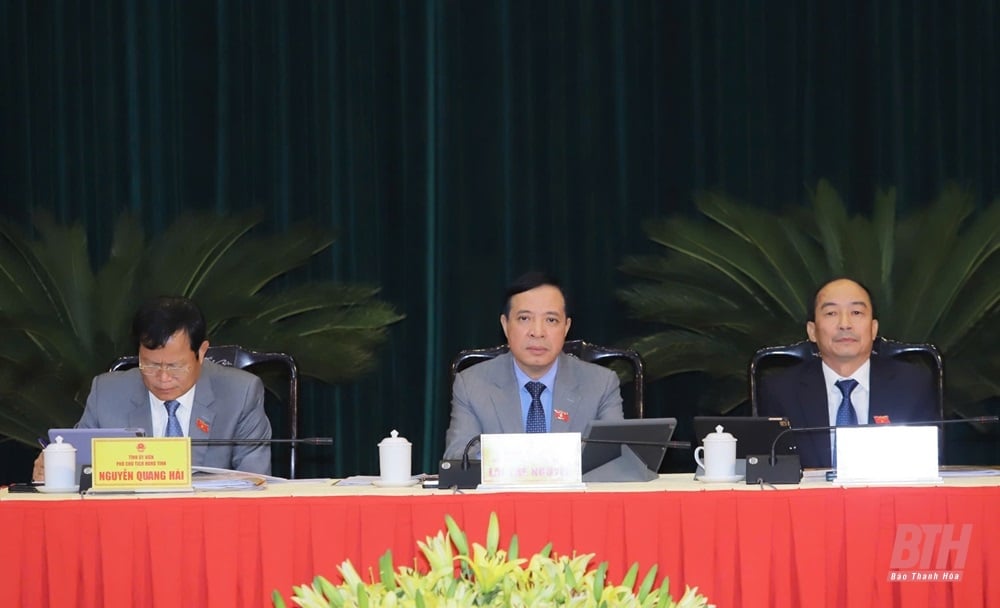
Comrades chairing the session.
Following the discussion initiated by the Chairman of the Provincial People's Council, Lai The Nguyen, on the afternoon of December 12th, the delegates focused on analyzing and affirming the leadership, guidance, and efforts of the entire political system, the business community, and the people in achieving the results in 2024.
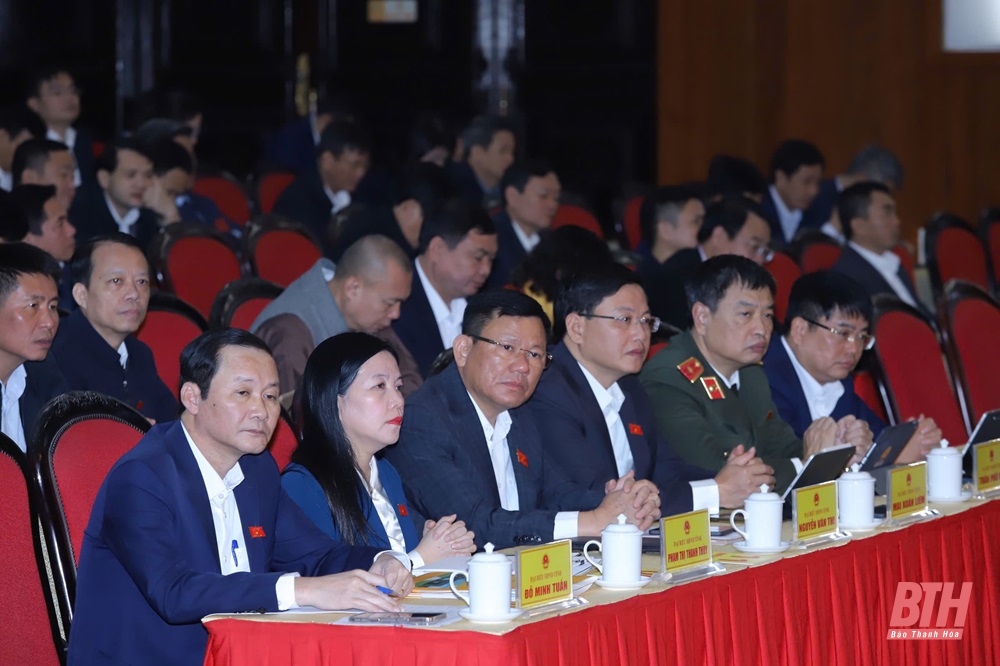
Delegates attending the session.
The discussions at the session showed agreement with the report assessing the socio -economic and national defense and security situation in 2024. Delegates noted that: In 2024, economic growth achieved fairly comprehensive results across all sectors; economic development targets, budget revenue, and attracting foreign direct investment projects all met and exceeded the set plan. The biggest contributor to growth was industry, followed by construction, services, agriculture, etc.
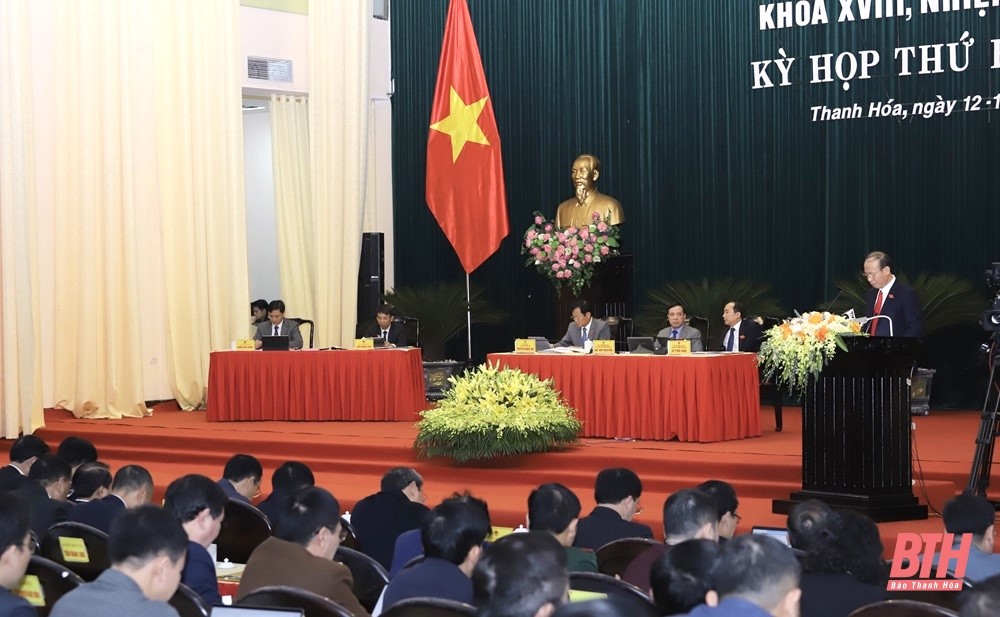
Delegates attending the session.
In particular, domestic revenue and revenue from import and export activities significantly exceeded the projected targets and assigned quotas. Several revenue items had a large proportion and exceeded the projected targets, such as: land use fees; revenue from foreign-invested enterprises; environmental protection tax; and value-added tax on imported crude oil by Nghi Son Refinery and Petrochemical Company Limited...
These results were achieved thanks to the decisive leadership and guidance of the Provincial Party Committee, the Provincial People's Council, and the Provincial People's Committee from the beginning of the year. They are also the result of the active involvement of the entire political system, the efforts of the business community, and all sectors of the population.
Along with discussing and clarifying the achievements of 2024, delegates also focused on analyzing existing shortcomings, limitations, and their causes, especially subjective causes in the implementation process. From there, they examined each field and sector to find solutions; and simultaneously proposed solutions to effectively implement the tasks and solutions for 2025.
There are still obstacles in achieving the goal of transforming Thanh Hoa into an industrial province. Industry is one of the key sectors contributing to Thanh Hoa province's economic growth in 2024. This was the assessment of the Director of the Department of Planning and Investment, Le Minh Nghia, at the discussion session of the 24th meeting of the 18th Provincial People's Council. Representative Le Minh Nghia, Director of the Department of Planning and Investment. According to the delegates, the industrial sector contributed over 50% to the province's growth rate, ranking second nationwide, demonstrating its strong industrial reliance. However, in recent years, the province's main industrial product structure has not changed significantly, still consisting of traditional products with expanded production and increased output, failing to attract new products. The increase in some new products has been negligible. This is one of the limitations and shortcomings that needs to be addressed promptly to create momentum for development. The delegates also pointed out that while progress has been made in many industrial parks and clusters, it remains slow, leading to a shortage of land to attract investment projects. This issue has been clearly identified by the province and relevant agencies, and directives have been issued, but the results achieved have not met expectations. These points indicate that the prerequisites and conditions for developing Thanh Hoa province into an industrial province are still limited and inadequate, and need to be addressed promptly. | |
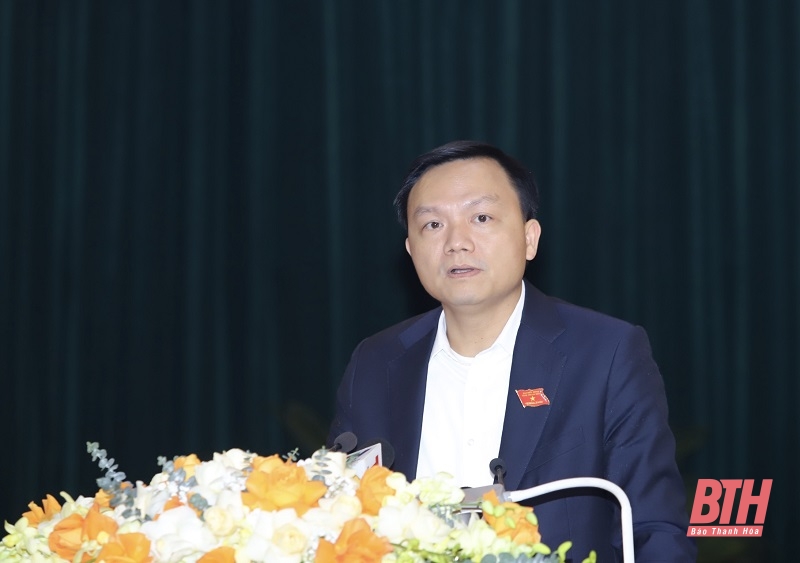
Removing bottlenecks for sustainable business development. Delegate Cao Tien Doan, Chairman of the Thanh Hoa Provincial Business Association. According to delegate Cao Tien Doan, Chairman of the Provincial Business Association, the price of construction materials is currently one of the hottest topics and a major concern for businesses and investors. The main reason identified is the discrepancy between the province's announced price list and the actual prices. Furthermore, the licensing of construction material mining at mines with low reserves compared to demand has led to a serious shortage of raw materials, failing to meet the needs of construction investment projects in the province. The delegates requested that the Provincial People's Committee direct relevant departments and agencies to review and accurately assess the supply and demand situation in order to advise the provincial leadership on granting licenses for sufficient material reserves at the mines, helping businesses complete projects safely and smoothly. Besides the difficulties regarding construction material prices, businesses are currently considered to have outstanding land use fees. In reality, the project is currently under legal review by relevant departments and agencies under the direction of the Provincial People's Committee, preventing land allocation to businesses. However, the tax authorities continue to collect land use fees, leaving outstanding debts and imposing penalties for late payments. This results in businesses still incurring land use fee debts while the project is under review. This creates difficulties and inconsistencies, significantly impacting the reputation and business operations of enterprises and investors. To avoid a situation where each department acts independently, lacking interconnectedness and synchronized updates within the system, the representative requested the Chairman of the Provincial People's Committee to consider and promptly implement practical solutions to address this issue. According to the delegates, there are currently 38,000 registered businesses in the province, but only 21,000 are operational and generating revenue, while 17,000 have been established but are not generating any revenue. Therefore, they requested that the provincial leadership direct relevant departments and agencies to promptly inspect, review, and evaluate these businesses, and implement specific solutions to ensure they operate more effectively. | |
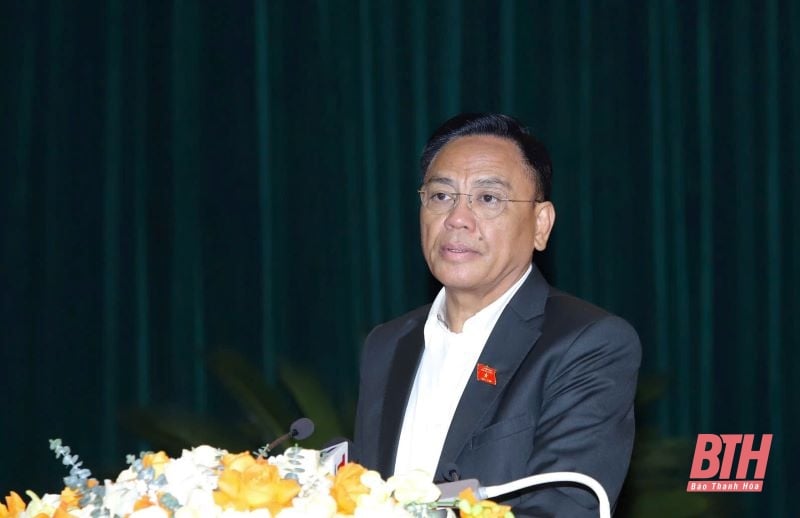
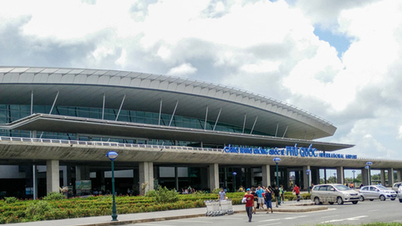
"Attracting" new growth drivers to maintain the pace of budget revenue collection. Representative Ngo Dinh Hung, Director of the Thanh Hoa Tax Department. In 2024, thanks to many decisive measures, Thanh Hoa achieved its highest ever budget revenue collection, with estimated revenue reaching 55,300 billion VND by December 31, 2024, exceeding the assigned target by 55%; of which import and export tax revenue reached 21,000 billion VND and domestic tax revenue reached 34,300 billion VND. However, according to Representative Ngo Dinh Hung, Director of the Thanh Hoa Tax Department, based on the tax sector's monitoring, the province's budget revenue for many years has still depended on two main sources: import tax on crude oil from the Nghi Son Refinery and Petrochemical Plant and land use fees. These two main drivers consistently accounted for 64-69% of the province's total budget revenue during the 2021-2024 period. In 2024, this figure is estimated to be 68% when the Nghi Son Refinery and Petrochemical Plant operates above capacity and crude oil imports are higher than in previous years. Given the challenging global political and economic situation in 2025, and the significant potential for further development of tax revenues from the Nghi Son Refinery and Petrochemical Plant and land use fees over the years, delegates proposed that to maintain budget revenue growth in the coming years, it is necessary to promote the development of industrial park and cluster infrastructure, and upgrade Tho Xuan Airport to meet higher standards, thereby creating a better infrastructure foundation to attract investment. Regarding the development of industrial park and cluster infrastructure, the province currently has the Nghi Son Economic Zone with 23 sub-industrial parks. In addition, according to the Thanh Hoa Provincial Planning for the period 2021-2030, with a vision to 2050, the province has 19 industrial parks and 126 industrial clusters. However, the infrastructure "picture" of industrial parks and clusters remains incomplete, with only 7 industrial parks within the Nghi Son Economic Zone associated with large projects and 2 industrial clusters having completed all infrastructure; 6 out of 8 industrial parks outside the Nghi Son Economic Zone have infrastructure investors but have not yet received comprehensive investment in accordance with regulations. | |
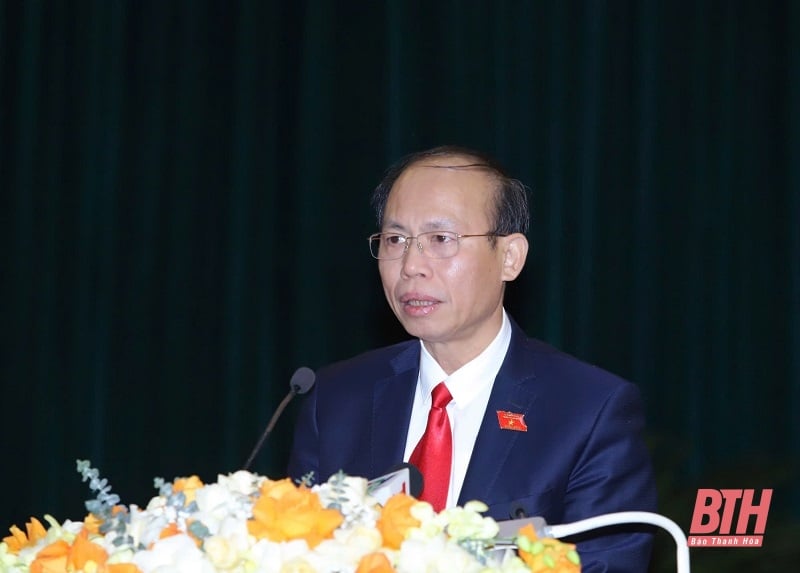
Some localities are recruiting teachers but are not receiving enough applications. Representative Ha Thi Huong, Secretary of the Quan Hoa District Party Committee. Representative Ha Thi Huong, Secretary of the Quan Hoa District Party Committee, proposed that relevant departments and agencies advise the Provincial Party Committee, Provincial People's Council, and Provincial People's Committee to consider issuing policies to encourage and attract teachers and workers to work in mountainous districts and ethnic minority areas with difficult socio-economic conditions, especially in mountainous districts where there are no longer any communes classified as Category III (especially difficult communes). This would contribute to attracting human resources, encouraging workers to feel secure in their long-term employment, and contributing to the socio-economic development of the locality. According to the delegates, the implementation of Decision 861/2021/QD-TTg of the Prime Minister has significantly reduced the number of communes in Zone III in Thanh Hoa province; however, the overall socio-economic conditions in these communes have not changed much. Leaving the area designated as a particularly disadvantaged region means that officials and teachers working in these communes no longer receive preferential treatment from the State, affecting their lives and income. Many long-serving officials and teachers have requested transfers to lowland areas, and some have even resigned from the profession. This situation has led to a localized shortage of teachers in mountainous districts for the 2024-2025 school year. Representative Ha Thi Huong emphasized: "With the province's approval, many mountainous districts have recently announced teacher recruitment. However, many specialized teacher positions (English, Fine Arts, Music, Informatics) lack sufficient applications." For example, Thuong Xuan district currently lacks approximately 80 teachers compared to the allocated quota. In Lang Chanh district, a recent recruitment drive for teachers revealed that five specialized teacher positions received no applications. Similarly, after the recent recruitment, Quan Son district had seven specialized teacher positions for which no applications were received. | |
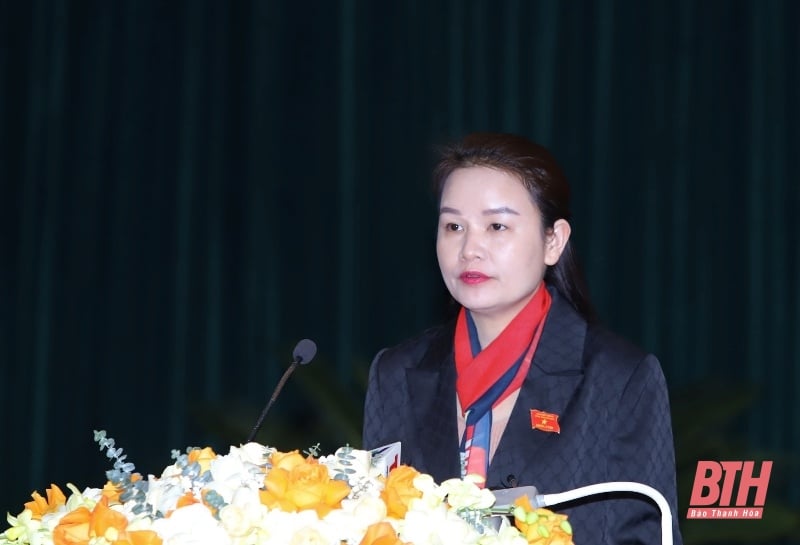
Holding accountable the agencies, units, and localities that were assigned the task but were slow to act. Delegate Pham Kim Tan, General Secretary of the Union of Science and Technology Associations of Thanh Hoa. Through the social consultation, critique, and assessment activities of the Union of Science and Technology Associations, delegate Pham Kim Tan, General Secretary of the Union of Associations, stated that: The province's programs and projects are key, priority, and breakthrough tasks to implement the groups of solutions for socio-economic development and ensuring national defense and security of the province; they are a concretization of the tasks and solutions set forth in the Resolution of the Provincial Party Congress. However, some departments and agencies have not paid sufficient attention, or devoted adequate time, intellect, and effort to the preparation work. As a result, the proposed content is inaccurate, not aligned with reality, and some programs and projects are unnecessary. According to the delegates, there is still a tendency for some departments and agencies to completely delegate tasks to consulting firms. Some programs and projects are overdue, requiring multiple extensions for reporting deadlines; some projects drag on for a whole year without completion, resulting in limited quality. Some programs and projects have been approved but lack the necessary resources for implementation, causing a waste of time and resources for the province. Delegates proposed that the Provincial People's Committee clearly define and address the responsibilities of agencies, units, and localities assigned tasks but delayed in preparing and submitting them for approval. They also suggested strengthening the guidance of consultation, critique, and social assessment of programs, projects, and tasks under the approval authority of the Provincial People's Committee and the decision-making authority of the Provincial People's Council to provide information and arguments for decision-making, contributing to overcoming the aforementioned limitations. Furthermore, they recommended strengthening inspection and evaluation to ensure the effective implementation of programs and projects according to the set plan. Finally, they proposed addressing the situation where approved programs and projects are not implemented, or are only partially implemented, or lack allocated funding. The delegates also suggested that the Provincial People's Council strengthen its oversight of the implementation results of provincial programs and projects approved by the Provincial People's Committee, as well as mechanisms and policies resolved by the Provincial People's Council, thereby contributing to improving the quality of the province's programs and projects. | |
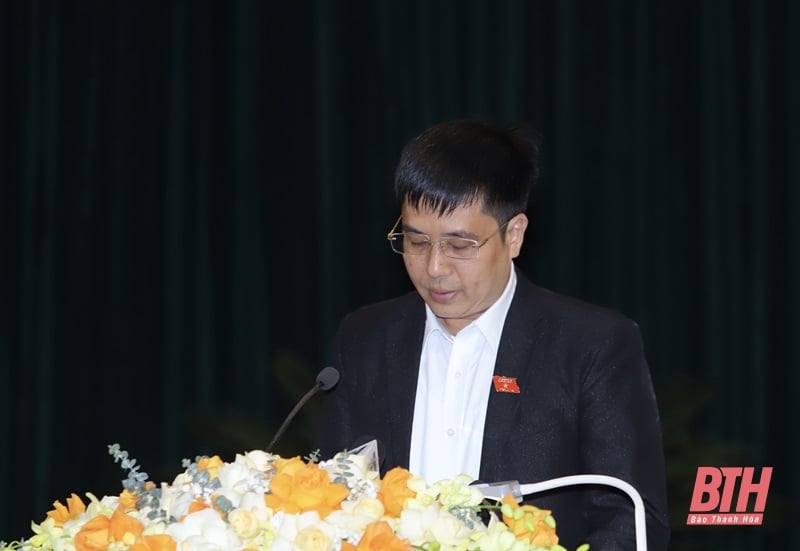
Facilitating people's early access to social housing. Delegate Trinh Thi Hoa, Standing Vice President of the Thanh Hoa Provincial Federation of Labor. During the session, delegate Trinh Thi Hoa, Standing Vice President of the Provincial Labor Union, presented the following figures: Currently, there are 10 social housing construction projects in the province that have been licensed and started construction, with approximately 8,748 apartments; of which, 2,197 have been put into use. To facilitate people's early access to social housing, delegates suggested that mechanisms and resources are needed to strengthen communication efforts so that union members, association members, and the public are aware of social housing projects under construction and being offered for sale. In addition, the Provincial People's Council needs to quickly balance local resources (including public investment capital, other development investment capital, and regular funds entrusted to the Social Policy Bank) so that eligible individuals can rent or purchase social housing. Authorities need to organize inspections, checks, and surveys of social housing buyers to ensure that the right people are targeted; and to determine whether the price and any preferential policies or support for workers (if any) are appropriate for their income. The delegates emphasized that if technical infrastructure is improved, it will attract businesses, and if social housing infrastructure is invested in for workers in industrial zones so that workers can feel secure and dedicated to their work, it will attract a workforce to the province. | |
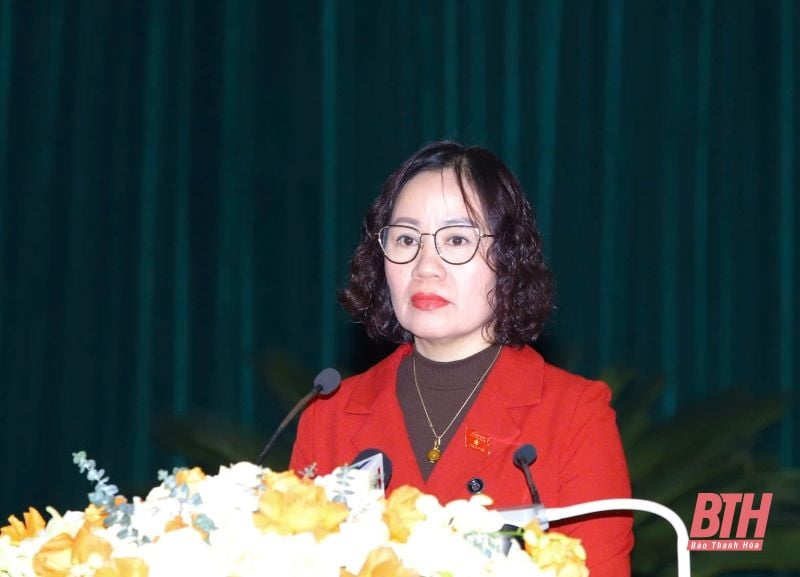
Focus on increasing loan capital to support young people in starting businesses and developing the economy. Delegate Le Van Chau, Secretary of the Provincial Youth Union. According to delegate Le Van Chau, Secretary of the Provincial Youth Union, in recent years the youth entrepreneurship, business development, and innovation movement in the province has increasingly developed and spread widely. Currently, there are over 2,000 effective youth entrepreneurship models operating in the province. Surveys show that the demand for loans to develop the economy among young people with feasible innovative ideas, projects, and startups in the province was 95.7 billion VND in 2023 and 50 billion VND in 2024. Meanwhile, the current loan capital supporting youth, startups, and business establishment does not meet the demand. The entrusted capital from the provincial budget through the Social Policy Bank only reached 4.4%, lower than the national average (12.6%). Meanwhile, loans from commercial banks carry high interest rates; accessing these loans is difficult for young people who are still young and lack collateral. Delegates proposed that the Provincial People's Council pay attention to increasing the entrusted capital from the provincial budget through the Social Policy Bank to increase the capital available to support young people in particular, and the people in general, to access loans for economic development and poverty reduction. The Provincial People's Council is requested to review and continue developing and issuing documents and plans on vocational training; review and revise the list of vocational training fields in the vocational education system in the province; standardize and develop the team of vocational training teachers and management staff; implement a cooperation mechanism between universities, vocational education institutions, research institutions and economic organizations; improve the labor market information system towards international integration; and improve the quality of short-term and long-term labor market forecasts. | |
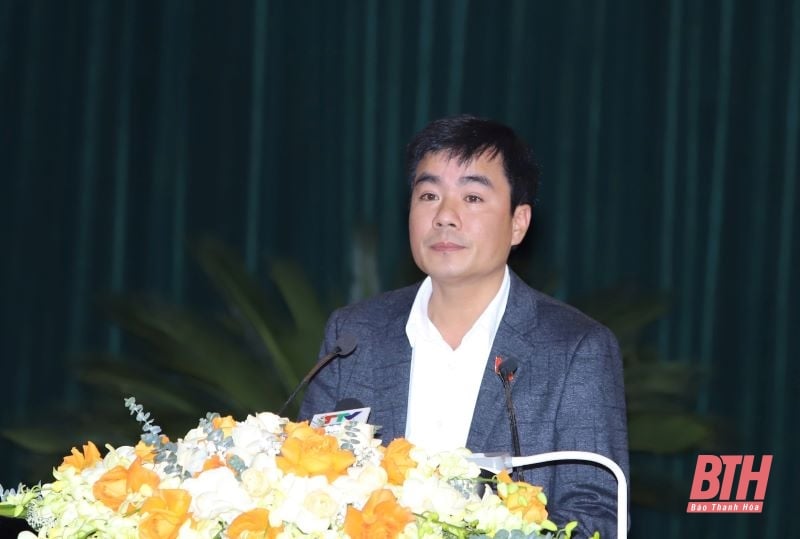
The proposal suggests allocating a portion of the increased revenue to create livelihoods for the people. Representative Le Huu Quyen, Director of the Social Policy Bank - Thanh Hoa Provincial Branch According to delegate Le Huu Quyen, Director of the Social Policy Bank - Thanh Hoa Provincial Branch, in recent years the province's budget revenue has always exceeded expectations. From increased revenue and reduced expenditure, investment has been focused on infrastructure in industrial and tourism zones to nurture future revenue sources, and a portion has been invested in social infrastructure such as roads, schools, and health stations so that people in the province can enjoy the fruits of the province's development. However, urbanization and the shift of labor from agriculture to industry and services; a segment of the population no longer having land for production or being unable to participate in the labor market; and a segment that participates in the labor market but is laid off for various reasons, especially female workers in the garment and footwear industries, have been affecting people's lives. The representative suggested that the province should allocate a portion of the increased revenue to create livelihoods for the people. The delegates stated that in 2024, social policy credit capital supported investment in production and business, creating jobs for nearly 12,000 workers; constructing, renovating, and upgrading nearly 67,000 clean water and sanitation facilities in rural areas; and supporting the purchase, construction, repair, and renovation of more than 100 social housing units for low-income individuals... contributing to economic development and ensuring social security. This result shows that credit policy through the Social Policy Bank is a bright spot in social security policies in recent years, and that this policy has been "correct" and "effective" in meeting the needs and aspirations of the people. | |
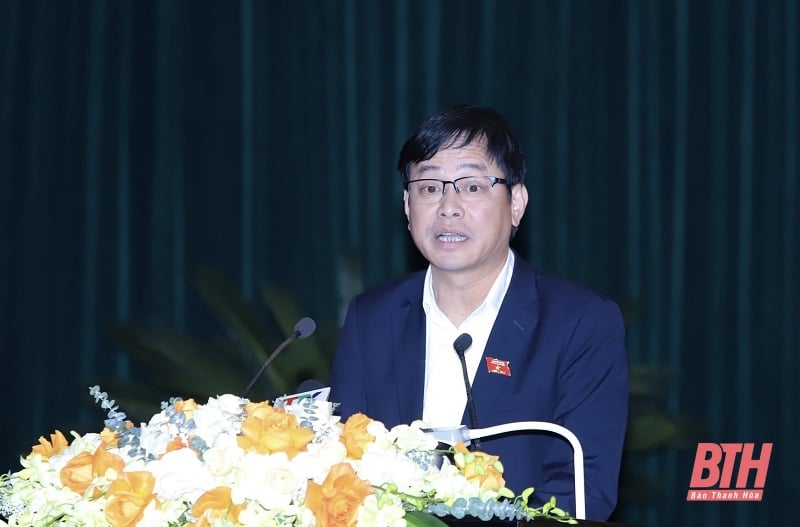
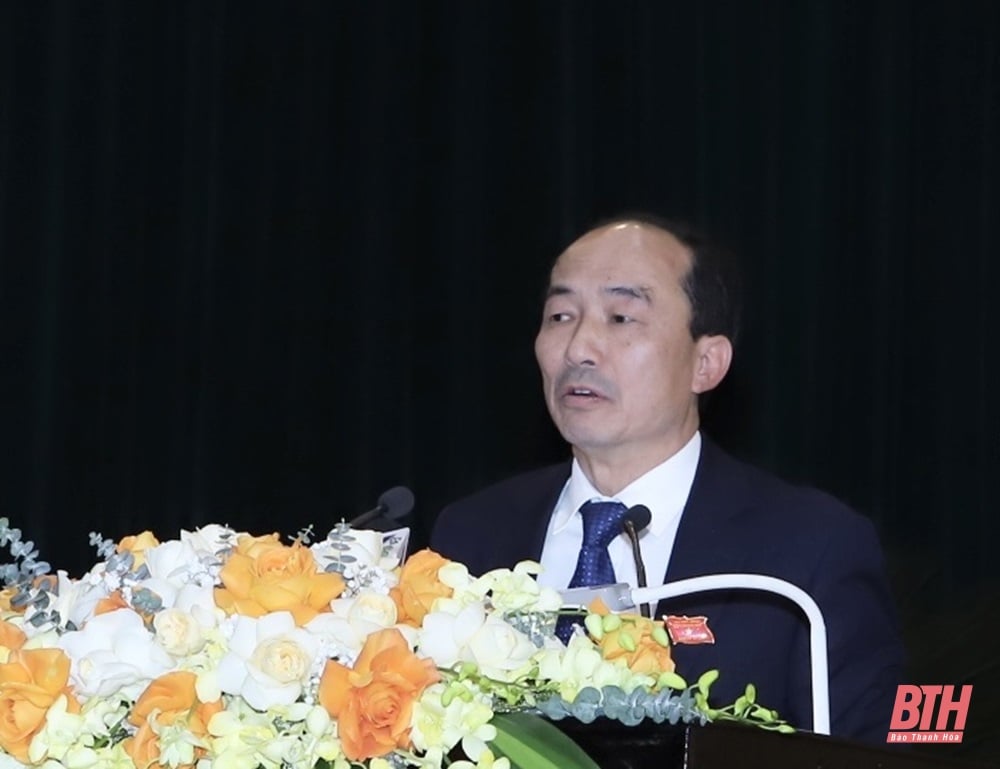
Comrade Le Tien Lam, Member of the Standing Committee of the Provincial Party Committee and Permanent Vice Chairman of the Provincial People's Council, delivered the closing remarks at the discussion session.
Concluding the discussion session, on behalf of the Presidium of the meeting, Comrade Le Tien Lam, Member of the Standing Committee of the Provincial Party Committee and Permanent Vice Chairman of the Provincial People's Council, highly appreciated the 21 opinions of the delegates contributing to the summary report on the socio-economic situation, national defense and security of the Provincial People's Committee in 2024 and the key tasks for 2025; the monitoring reports of the Provincial People's Council Committees; and the presentations submitted at the meeting.
Many of the opinions were of high quality, the discussions were insightful, and they highlighted practical issues facing Thanh Hoa province.
Besides commending the province's achievements in 2024, delegates also pointed out difficulties and limitations; analyzed and proposed many solutions and recommendations to the province on various issues to successfully achieve the goals and tasks for 2025 and the following years.
Reporters' Team
Source: https://baothanhhoa.vn/nhieu-y-kien-sau-sac-lam-noi-bat-nhung-van-de-dang-dat-ra-doi-voi-tinh-thanh-hoa-233288.htm




































































Comment (0)