

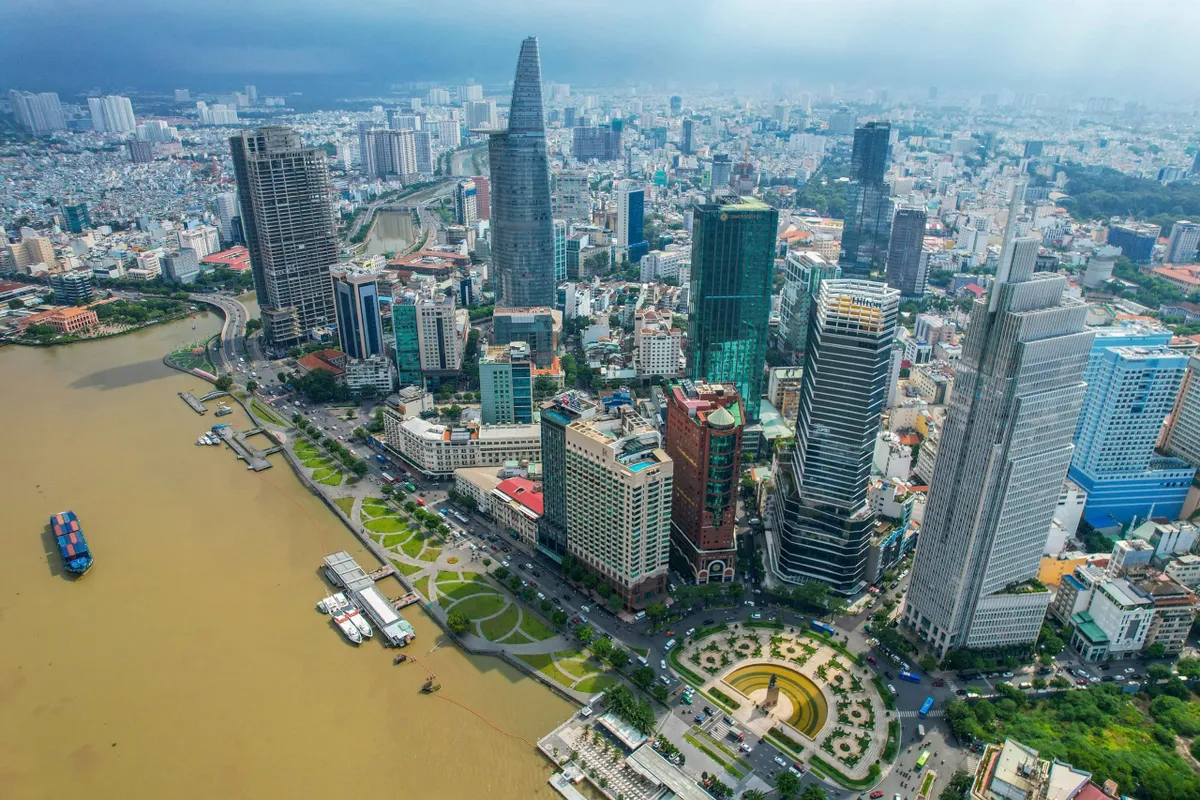
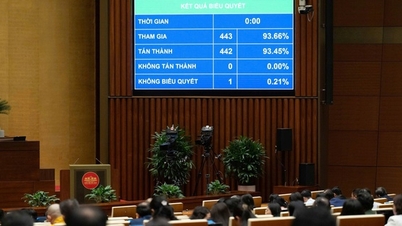
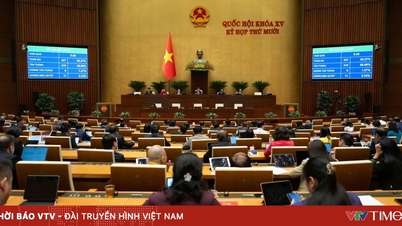
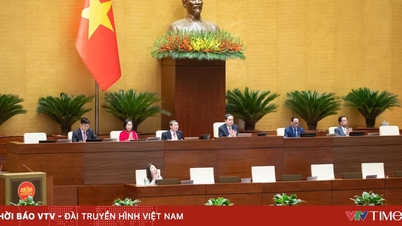
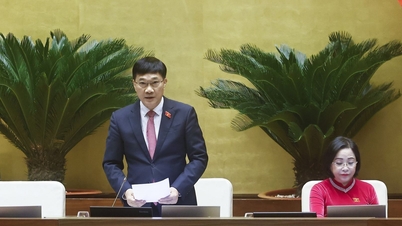
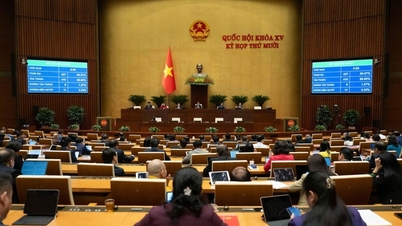
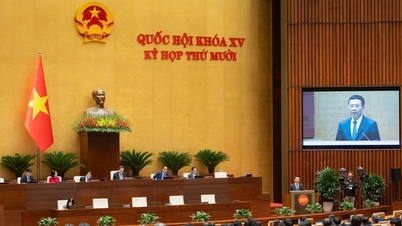
On the morning of December 11th, with an overwhelming majority of delegates voting in favor, the National Assembly passed a Resolution amending and supplementing several articles of Resolution No. 98 on piloting some specific mechanisms and policies for the development of Ho Chi Minh City. The Resolution will take effect from December 12th, 2025.
According to the adopted resolution, the establishment and operation of the Ho Chi Minh City Free Trade Zone will be added.
The Ho Chi Minh City Free Trade Zone is a geographically defined area established to pilot superior, groundbreaking mechanisms and policies aimed at attracting high-quality investment, finance, trade, and services to boost exports, industry, research and development (R&D), and attract high-quality human resources.
Free trade zones are organized into functional areas including: production zones, port and port logistics zones, logistics centers, trade and service zones, and other types of functional zones as prescribed by law.
Functional zones within the free trade zone that meet the conditions of a duty-free zone as prescribed by law are guaranteed customs inspection, supervision, and control by the customs authority, as well as state management activities in the corresponding fields by relevant agencies as prescribed by law.
Regarding the authority and procedures for establishing free trade zones, the Resolution clearly states that the City People's Council shall regulate the procedures for establishing, expanding, and adjusting the boundaries of free trade zones.
Regarding land policies for free trade zones, except for commercial housing construction investment projects, the Chairman of the People's Committee of the City is authorized to allocate and lease land without auctioning land use rights or bidding to select investors to implement land-using projects within free trade zones.
Investors with investment projects in free trade zones who are granted land leases by the City People's Committee to implement investment projects for the construction and operation of infrastructure within the free trade zone have the same rights and obligations as investors who are granted land leases by the State to implement investment projects for the construction and operation of industrial zone infrastructure, as stipulated by land law.
The People's Committee of the city decides on the price framework for leasing infrastructure in the free trade zone.
Businesses located and operating within functional zones of recognized free trade zones are eligible for preferential treatment under customs law if they meet the following conditions: implementing electronic customs procedures and electronic tax procedures; possessing software or information technology systems for managing export and import activities that are connected to or shared with customs authorities; conducting payments through banks; having an internal control system; and complying well with accounting and auditing regulations.
From the date of recognition, if the enterprise fails to maintain compliance with any of the conditions stipulated in this point or fails to comply with customs law or tax law, the preferential treatment regime will be suspended.
The resolution also clarifies the issuance of visas (valid for no more than 5 years) and temporary residence permits (valid for no more than 10 years) to foreign nationals who are experts, scientists , managers, and highly skilled workers working in free trade zones (visa and temporary residence permit code: UD1) and their spouses and children under 18 years of age accompanying them (visa and temporary residence permit code: UD2).
The People's Committee of the City is tasked with issuing criteria for identifying foreigners eligible for preferential treatment and designating the focal agency responsible for appraising and processing applications for visas and temporary residence permits for foreigners falling under the provisions of this point.
The resolution also reduces personal income tax by 50% for 10 years for experts, scientists, talented individuals, managers, and highly skilled workers whose income from salaries and wages arises from performing work in the free trade zone.
Source: https://vtv.vn/quoc-hoi-dong-y-thanh-lap-khu-thuong-mai-tu-do-tp-ho-chi-minh-100251211110845144.htm








































































Comment (0)