

According to statistics from the health sector, the demand for medicinal materials is currently at 80,000 - 100,000 tons per year, of which nearly 70% must be imported. Vietnam has rich medicinal material resources with more than 5,000 medicinal plant species, many of which can be exploited in nature and planted to proactively source raw materials.
The need to import a lot comes from many reasons. Despite its great potential, Vietnam has not yet been proactive in sourcing raw materials domestically. The market is expanding but has not yet formed many large, stable and sustainable raw material areas.
Since 2013, the Master Plan for the Development of Medicinal Materials in Vietnam to 2030 has been issued. The Party and the State have had many policies and guidelines to promote the development of this field. The development of medicinal materials has been gradually focused on, creating many remarkable achievements.
However, to reduce dependence on imported sources, it is necessary to promote the development of sustainable exploitation areas, concentrated medicinal plant growing areas, and apply techniques according to GACP or organic standards to ensure quality. At the same time, it is necessary to strengthen research on varieties and apply biotechnology to improve quality and proactively source varieties.
Applying science and technology in cultivation and building typical growing areas by region will create competitive advantages. It is necessary to develop linkage chains from farmers - cooperatives - enterprises - scientists to ensure stable output and increase value.
At the same time, policies to support capital, technology, processing and export will create momentum for domestic medicinal material production. When implemented synchronously, Vietnam can increase the proportion of domestically produced medicinal materials, reduce imports, effectively exploit resource potential, preserve valuable genetic resources and increase economic value for the industry.
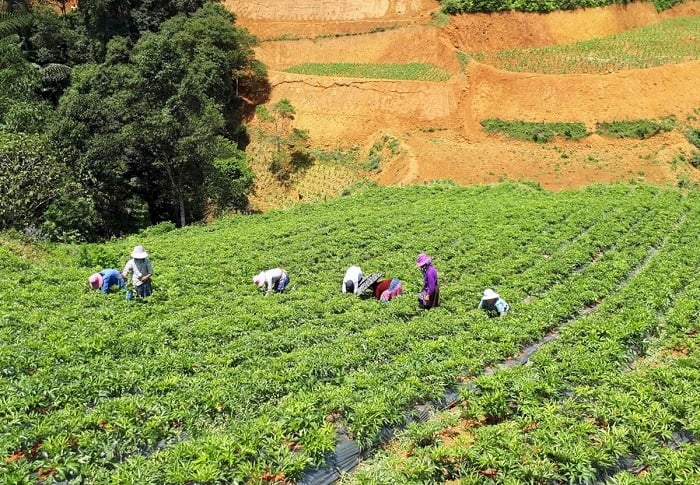
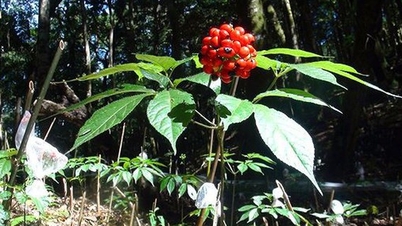
Vietnam has rich medicinal resources with more than 5,000 species of medicinal plants.
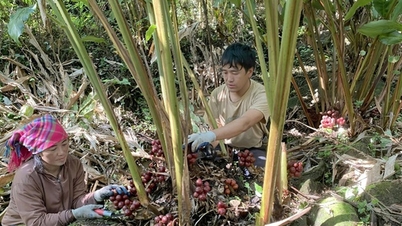
There are about 60 - 70 medicinal herb growing areas that meet GACP - WHO standards.
Associate Professor, Dr. Pham Thanh Huyen - Director of the Center for Medicinal Resources, Institute of Medicinal Materials - said: Currently, the country has about 60 - 70 concentrated medicinal plant growing areas that have achieved GACP - WHO (Good Agricultural and Collection Practices) certification. These areas are mainly distributed in the Northwest, Central Highlands, North Central and Southeast, selected based on soil characteristics, climate, water resources and potential for developing clean medicinal plants.
The process of monitoring and maintaining GACP - WHO standards includes many steps: selecting varieties, planting soil, cultivation techniques, pest control, harvesting at the right stage, to preservation and processing.
The Department of Traditional Medicine Management (Ministry of Health) is the unit that manages and issues GACP certification. The Institute of Medicinal Materials participates in professional assessment. The Ministry of Health regularly inspects and supervises according to current regulations.
Strict control helps raw material areas maintain stable and safe quality, meet export requirements and contribute to building the reputation of Vietnamese medicinal herbs in the international market.
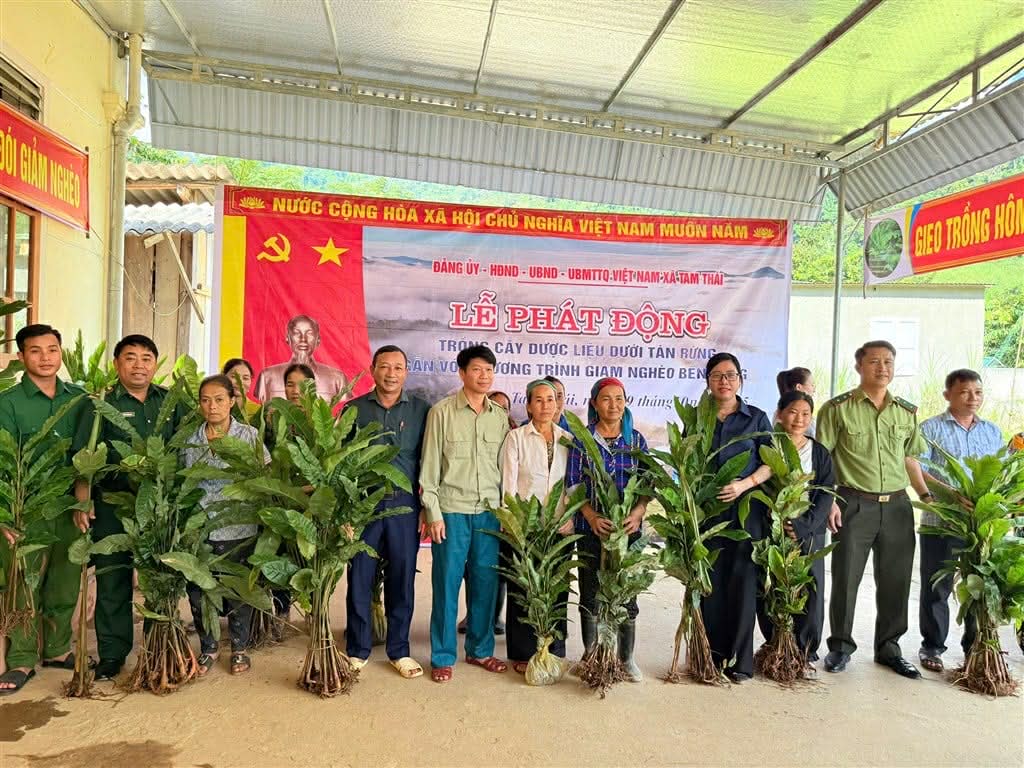
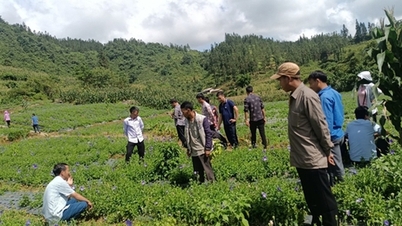
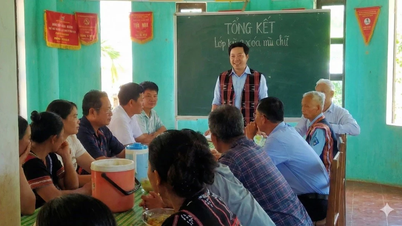
Launching ceremony of medicinal plant planting under forest canopy in 2025 in Tam Thai commune, Nghe An province.
Enhancing the brand "Vietnamese medicinal herbs"
According to Associate Professor, Dr. Pham Thanh Huyen, to enhance the value of the "Vietnamese Medicinal Herbs" brand in the regional and international markets, it is necessary to focus on origin and quality, prioritizing the exploitation and development of indigenous genetic resources with high medical and economic value. Medicinal herbs must be exploited sustainably, planted and harvested according to GACP - WHO standards to ensure safety, effectiveness, and create trust for consumers and partners.
Along with that, it is necessary to promote deep processing to create value-added products such as essential oils, medicinal extracts, herbal teas, health protection foods, medicinal drugs, etc. to meet the needs of the international market. Traceability and transparency of the supply chain are also important factors to prove origin and increase competitiveness.
Building a brand story associated with local culture and traditional Vietnamese medicine will differentiate domestic medicinal herbs from imported goods. At the same time, it is necessary to promote communication, trade promotion, participate in international fairs and strengthen the connection between farmers - cooperatives - businesses - scientists for sustainable development, raising the brand "Vietnamese medicinal herbs" in the regional and world markets.
Source: https://suckhoedoisong.vn/focus-on-source-and-quality-to-enhance-the-brand-of-pharmaceuticals-vietnam-169251201075928162.htm

































































Comment (0)