

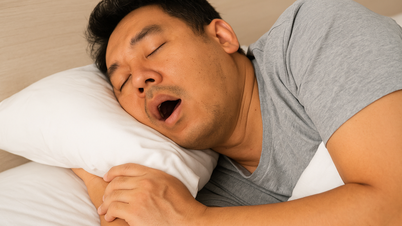
Snoring is the phenomenon of creating an abnormal sound during sleep due to the obstruction of air flow through the airway. Although more common in adults, snoring can also occur in children and is sometimes a warning sign of disorders related to breathing, nasal and throat structures or underlying diseases.
Causes of snoring in children
Sleep plays an important role in the growth and intellectual development of children. Although snoring is not always dangerous, parents should not be subjective. In some cases, snoring can reflect health problems that need to be detected early. Common causes include:
- Enlarged tonsils or adenoids
Tonsils and adenoids are lymphoid tissues that protect the respiratory tract. When they are chronically inflamed or abnormally enlarged, the airways will narrow, making it difficult for air to flow and causing snoring. This is the most common cause in preschool and primary school children.
- Congenital defects of the nose and throat
Structural abnormalities such as a narrow palate, large tongue, small lower jaw, or deviated nasal septum can all cause the airway to narrow, causing snoring.
- Allergic rhinitis and chronic sinusitis
Children who are frequently exposed to pollen, dust, and pet hair are susceptible to allergic rhinitis or sinusitis. When the nose is blocked and mucus accumulates, children have to breathe through their mouths while sleeping, which causes snoring.
- Obesity
Being overweight causes fatty tissue to accumulate around the throat, compressing the airway. Obesity also reduces respiratory function and increases the risk of sleep apnea.
- Inappropriate sleeping position
Sleeping on your back can cause the tongue and soft tissues in the throat to fall back, narrowing the airway and creating snoring.

Being overweight causes fatty tissue to accumulate around the throat, compressing the airway.
Distinguishing between physiological and pathological snoring
• Physiological snoring
Common in infants and young children due to narrow nasal cavities and airways. This condition usually improves as the child grows.
• Pathological snoring
Occurs in children 3–10 years old with a frequency of several times per week, loud snoring, or accompanied by sleep apnea. This can be a sign of tonsillitis, adenoiditis or sleep apnea syndrome – a condition that requires treatment.
Harmful effects of prolonged snoring
- Sleep disorders
Children are awakened many times during the night, do not sleep deeply, leading to fatigue and irritability during the day.
- Impact on physical development
Growth hormone is secreted most at night. If sleep is interrupted, the height and weight growth process is affected.
- Learning disability
Children who lack sleep will have difficulty concentrating, reduced memory, slow reaction times and reduced academic performance.
- Risk of developing obstructive sleep apnea (OSA)
Sleep apnea syndrome can cause prolonged lack of blood oxygen, affecting the cardiovascular system and brain development of children.
Treatment of snoring in children
Depending on each child and the level of snoring, the doctor will prescribe appropriate, specific:
Treat the cause of the infection
Your doctor may prescribe nasal sprays, anti-inflammatory medications, or antibiotics if necessary. Daily nasal and throat hygiene is also important.
Adenoidectomy or tonsillectomy
Suitable when enlarged adenoids or tonsils cause obvious obstruction. Surgery helps children improve sleep and breathing.
Adjust your lifestyle
Put your baby to bed on time. Avoid letting your baby lie on his back for too long. Control weight for overweight children.
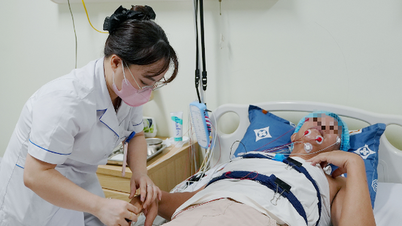
Use of respiratory support equipment
For children with moderate to severe sleep apnea, the doctor may prescribe a CPAP machine or nebulizer to maintain the airway during sleep.
Source: https://suckhoedoisong.vn/ly-do-khien-tre-ngu-ngay-cha-me-da-that-su-hieu-dung-169251203163258149.htm


































































































Comment (0)