

According to the US Environmental Protection Agency (EPA), unexplained respiratory symptoms can be a sign that there is a problem with your living environment.
Here are some ways to improve air quality in your own home, according to Healthline .
Reduce indoor pollutants
Common sources of pollution include cigarette smoke, formaldehyde, and cleaning chemicals.
Secondhand smoke and “smoke on furniture” are also long-term threats. The best solution is still not to smoke in the home .
Formaldehyde in engineered wood, glues, and new furniture can cause respiratory irritation. Choose secondhand or natural wood furniture and increase ventilation to reduce exposure.
Chemicals in cleaning products can linger in the air. People should prioritize safe, less toxic cleaning products.
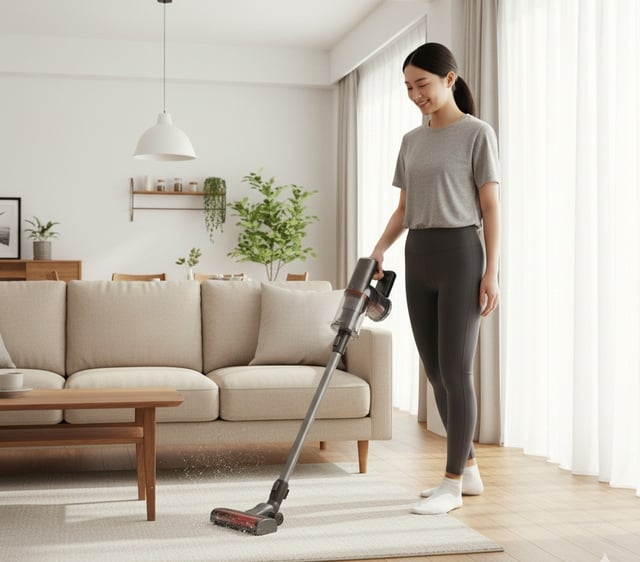
To improve indoor air quality, vacuum and mop regularly.
Photo: AI
Allergen control
Dust, mold, pet dander, and dust mites are the culprits that cause runny noses, sneezing, itchy eyes, and skin irritation.
To limit the above situation, we should:
- Bathe and brush your pet regularly.
- Wash bedding in hot water every 2 weeks.
- Use dust mite resistant pillows and mattresses.
- Vacuum and mop regularly.
- Eliminate moldy, damp areas.
Use an air purifier
Air purifiers can remove most small dust particles, pet dander, and even flu viruses. They are a quick and effective solution for confined spaces.
Improve ventilation
Open windows and doors when outdoor air conditions allow to help make the living space more airy.
In addition, we need:
- Change the air conditioner filter.
- Clean the air duct.
- Check the ventilation filters of indoor units.
Reduce humidity
High humidity is a “golden environment” for mold to grow, causing coughing, wheezing and asthma attacks. Measures to reduce humidity can be taken:
- Use a dehumidifier.
- Open windows or turn on fans when cooking or bathing.
- Immediately handle leaks and stagnant water.
Consider using indoor plants
Plants can help absorb some of the fine dust. However, studies have not yet agreed on their actual effectiveness. In addition, improper use of indoor plants can cause humidity, mold or allergic irritation.
Source: https://thanhnien.vn/cach-cai-thien-chat-luong-khong-khi-trong-nha-de-bao-ve-suc-khoe-185251208102408467.htm
![[Photo] General Secretary To Lam receives the Director of the Academy of Public Administration and National Economy under the President of the Russian Federation](/_next/image?url=https%3A%2F%2Fvphoto.vietnam.vn%2Fthumb%2F1200x675%2Fvietnam%2Fresource%2FIMAGE%2F2025%2F12%2F08%2F1765200203892_a1-bnd-0933-4198-jpg.webp&w=3840&q=75)

































































































Comment (0)